
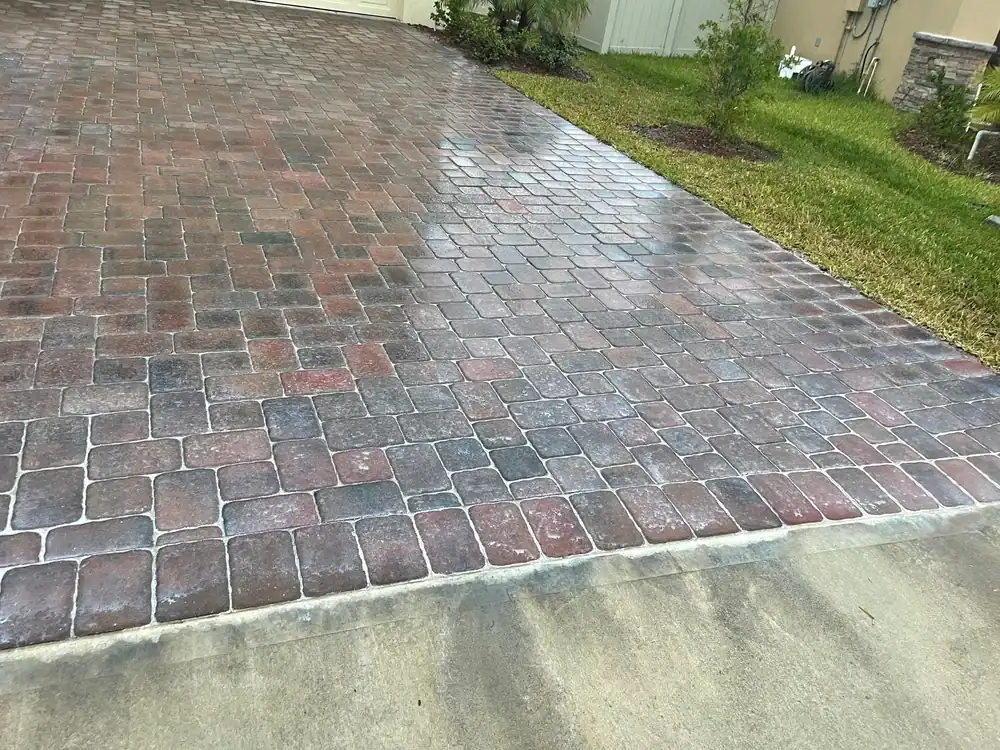
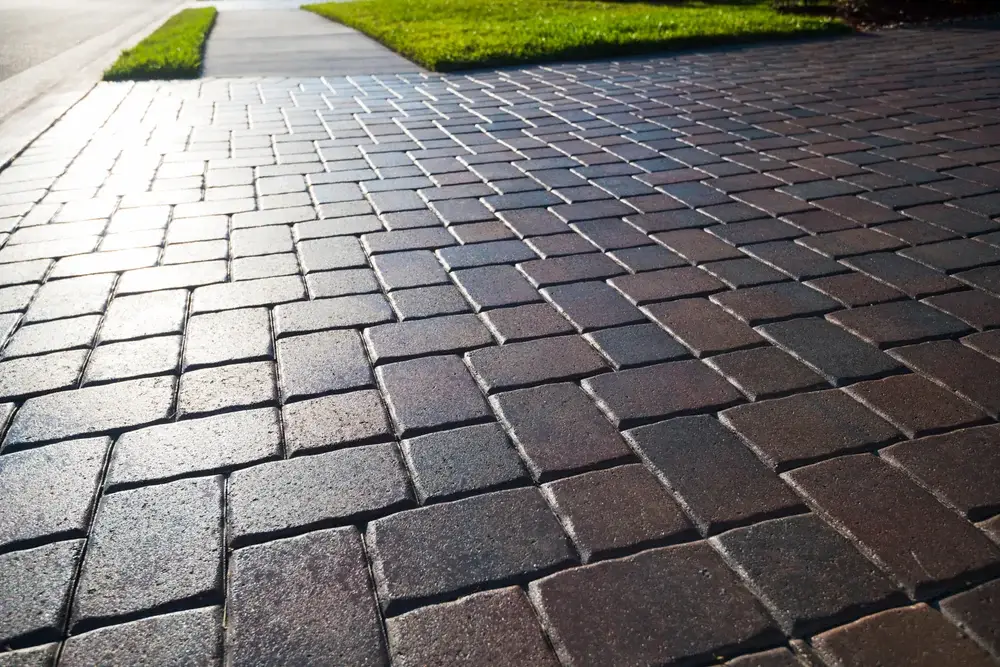
Your driveway stops fading into that washed-out gray. Your patio pavers hold their color through summer storms and brutal UV exposure. The sand between your pavers stays put instead of washing away every time it rains.
Sealing interlocking pavers does more than make them look better. It creates a barrier that keeps water from seeping down and destabilizing your base. It prevents mold and mildew from taking hold in Florida’s humidity. And it makes cleaning easier because stains sit on the surface instead of soaking in.
You’re not just improving appearance. You’re adding years to the lifespan of an expensive installation and avoiding the cost of early replacement.
We’ve been family-owned and operating in this area since 1995. We’re authorized contractors for Tremron, Flagstone, and Belgard, and the exclusive Seal ‘n Lock distributor in our county.
That means we’re not experimenting with your property. We use Florida-made sealers designed specifically for the conditions you’re dealing with in Black Diamond. High water tables, constant humidity, intense sun—we know what works here because we’ve been doing it here for nearly 30 years.
We’re state-licensed, we’re local, and we do the job right the first time. No shortcuts, no second attempts.
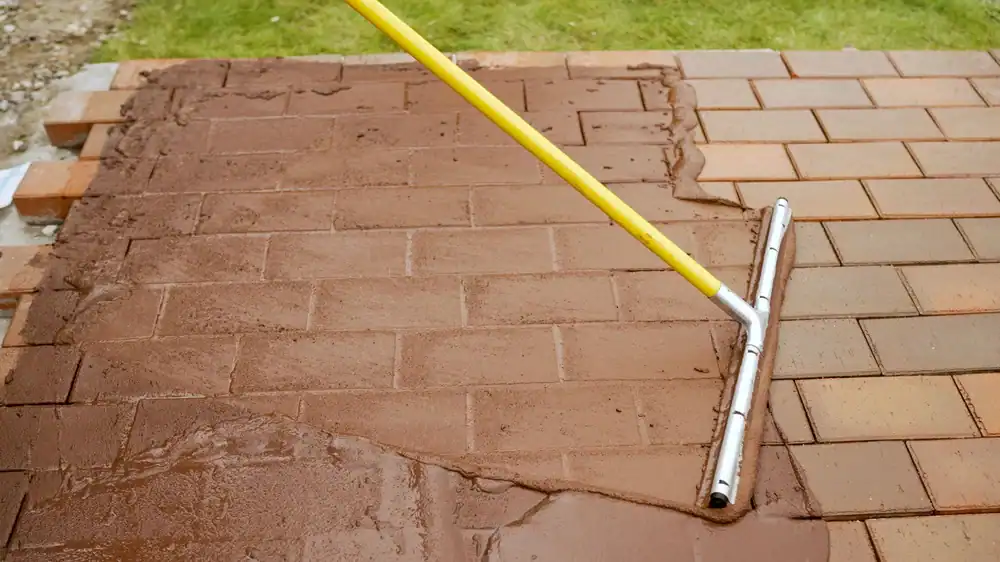
First, we clean your pavers thoroughly. Any dirt, mold, or old failed sealer has to come off completely or the new sealer won’t bond properly. This step matters more than most people realize.
Next, we re-sand the joints if needed. The sand has to be dry and properly compacted, or you’ll end up with hazy sealer and loose pavers down the road. We don’t rush this part.
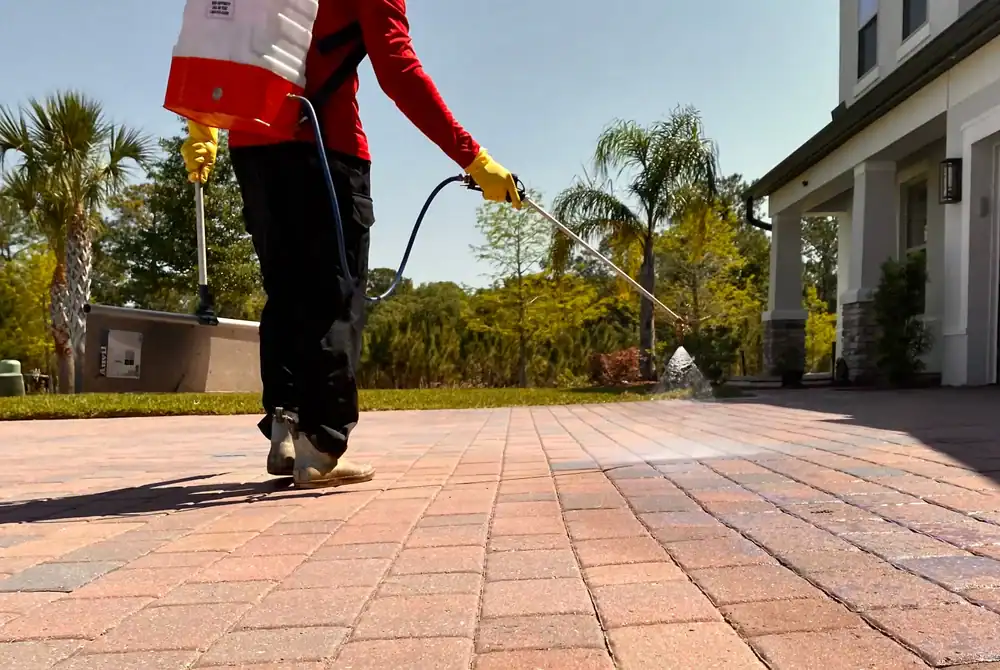
Then we apply a breathable, two-part water-based sealer made for Florida’s climate. It penetrates the surface, locks in the joint sand, and creates a protective barrier against UV rays, moisture, and staining. Your pavers are ready for rain in about 45 minutes and fully cured within 24 hours.
The result is a clean, restored surface that’s protected for years—not months.
Ready to get started?
You get color restoration that brings faded pavers back to life. You get structural stability because the joint sand stays locked in place. And you get protection from the things that age pavers fast in Black Diamond—UV damage, water infiltration, organic growth.
Florida’s climate is brutal on outdoor surfaces. Between the summer rainstorms and year-round sun exposure, unsealed pavers don’t last. The color fades, the base erodes, and weeds start pushing through the joints. Sealing stops that cycle.
We use products designed for high humidity and fluctuating moisture levels. That means no trapped water, no cloudiness, and no peeling. Just a durable finish that holds up to what Florida throws at it.
This isn’t cosmetic. It’s about protecting an investment that cost you thousands to install.
A professionally applied sealer typically lasts three to five years in Florida’s climate. That’s a realistic range if the job is done right—proper cleaning, correct product, ideal weather conditions during application.
DIY jobs or cheap sealers? You’re looking at six months to a year before it starts breaking down. Florida’s heat and humidity are unforgiving. If the sealer isn’t breathable or wasn’t applied to a completely clean surface, it won’t hold.
The longevity also depends on traffic and exposure. A pool deck that sees constant foot traffic and chemical exposure will need resealing sooner than a front walkway. But with the right product and proper prep, you should get several years of solid protection before needing to reseal.
Late fall through early spring—roughly October to April. That’s when you get the most stable weather, lower humidity, and fewer surprise rainstorms that can ruin a fresh application.
Summer is risky. You’re dealing with daily afternoon thunderstorms and high humidity that can prevent the sealer from curing properly. If moisture gets trapped under the sealer, you’ll see cloudiness or adhesion problems. It’s not worth the gamble.
Temperature matters too. Ideal conditions are between 50 and 90 degrees with humidity below 70%. You also need at least 24 hours of dry weather after application. In Black Diamond, your best odds of hitting that window are in the cooler, drier months. Plan accordingly.
Not if the right sealer is used. A quality, textured sealer actually improves traction compared to unsealed pavers that have developed algae or mold growth.
The slippery reputation comes from high-gloss sealers that create a glass-like finish. Those look great in photos but can be dangerous around pools or in areas that get wet. We use sealers with a matte or satin finish that provide subtle texture and surface protection without sacrificing safety.
Sealed pavers also resist the buildup of moss, algae, and mildew—the stuff that actually makes surfaces slick in Florida’s humidity. So in most cases, sealing reduces slip hazards rather than creating them. Just make sure whoever does the work understands the difference between a decorative finish and a functional one.
Yes, and that’s one of the biggest reasons people call us. Sealing brings faded pavers back closer to their original color and hides a lot of surface staining.
The sealer enhances the natural tones in the pavers, which makes them look richer and more vibrant. It won’t fix structural damage or deep etching, but it does a remarkable job of restoring appearance on pavers that have been beaten down by Florida sun.
Stains are trickier. Oil, rust, and organic stains need to be treated and cleaned before sealing, or they’ll be locked in permanently. But once the surface is prepped correctly, the sealer prevents new stains from penetrating and makes future cleaning much easier. If your pavers look tired and worn, sealing is the most cost-effective way to make them look new again without replacement.
Cost depends on square footage, condition of the pavers, and how much prep work is needed. For a typical driveway or patio, you’re generally looking at a few dollars per square foot for a professional job.
If your pavers have an old, failed sealer that needs to be stripped off, that adds to the cost. Same with heavy staining or significant joint sand loss that requires re-sanding. But even with prep work, sealing is a fraction of what you’d pay to replace the pavers entirely.
Cheap sealing jobs exist, but they usually involve low-quality products that fail within months or improper application that causes more problems than it solves. At least half the sealing work we do involves fixing someone else’s bad job. Spending a bit more upfront for a sealer that’s made for Florida and applied correctly saves you money and frustration in the long run.
No. If the sealer was applied correctly with a quality product, you shouldn’t need to reseal for at least three years. Annual resealing is overkill and usually a sign that the wrong product was used or the application was done poorly.
Some companies push yearly maintenance because it’s recurring revenue for them. But a proper paver sealing service in Black Diamond should give you multi-year protection. You’ll know it’s time to reseal when water stops beading on the surface or when you start seeing color fade and weed growth return.
High-traffic areas like driveways might need attention sooner than low-traffic walkways, but even then, you’re looking at every two to three years—not annually. If someone tells you otherwise, they’re either using an inferior product or trying to sell you something you don’t need.
Useful Links
Other Services we provide in Black Diamond