
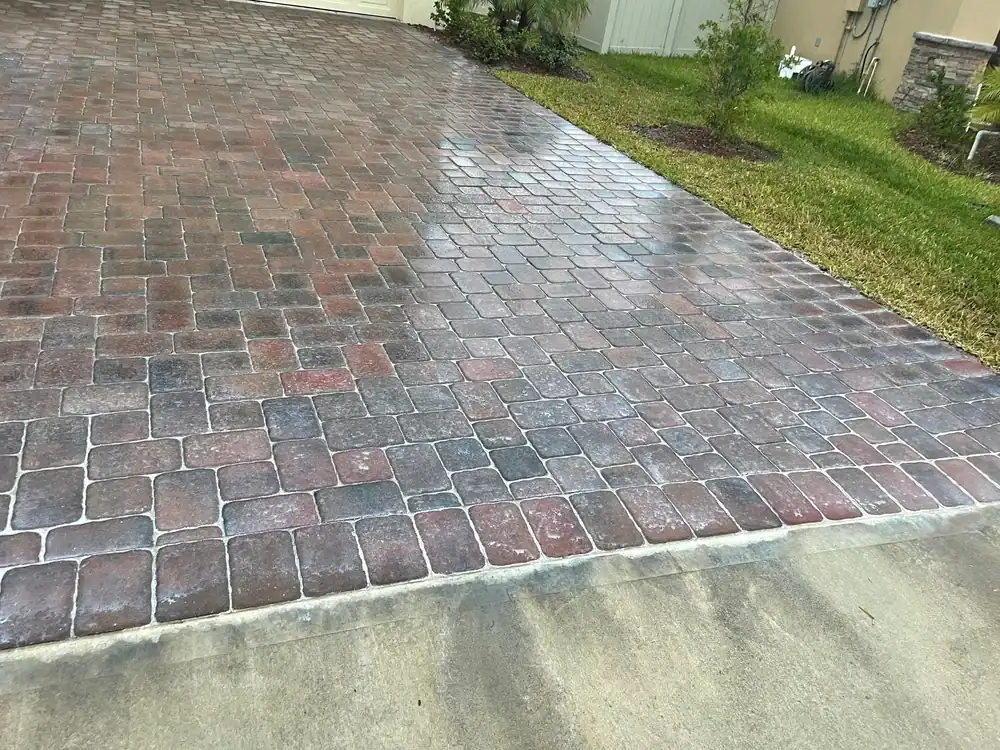
You’ve already invested thousands in your driveway, patio, or pool deck. Now you’re watching the color fade, weeds push through the joints, and stains that won’t come out no matter how hard you scrub.
That’s what happens when pavers aren’t sealed—or when they’re sealed wrong. Florida’s UV index doesn’t take days off. The sun bleaches your pavers from rich reds and tans to washed-out gray. Rain floods the base, washing away sand and leaving you with sunken, uneven surfaces. Mold and algae move in because moisture has nowhere to go.
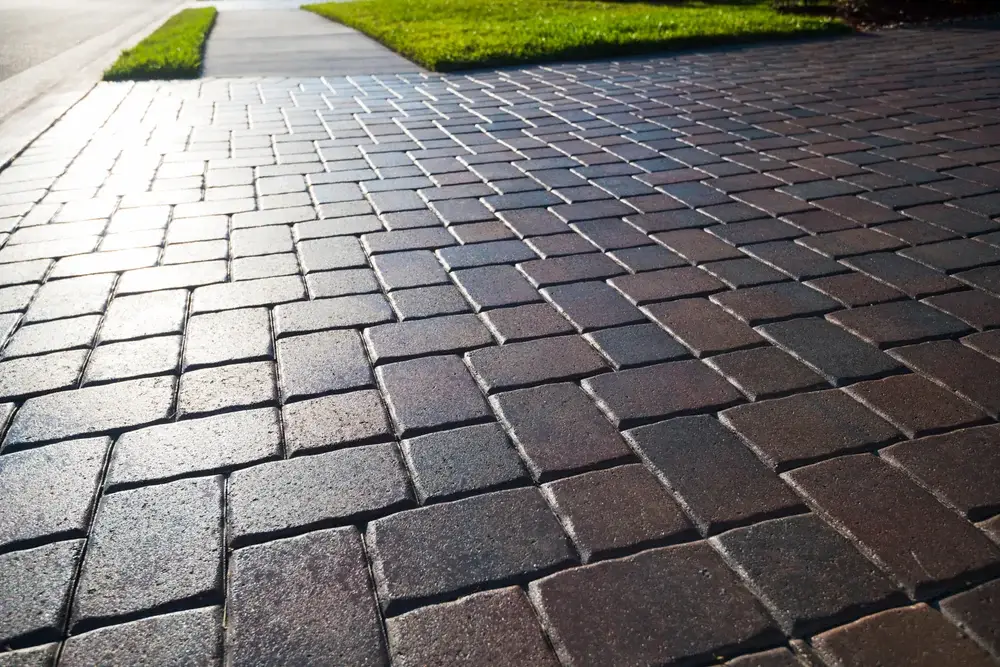
Professional patio paver sealing in High Point, FL stops all of that. A quality sealer locks in color, stabilizes your joint sand, repels water and stains, and gives you a surface that actually cleans easily. You’re not just protecting pavers—you’re protecting the money you already spent and avoiding a full replacement down the road.
When the sealer’s done right, your pavers look better, last longer, and require way less maintenance. That’s the outcome you’re paying for.
We’ve been sealing pavers in Citrus County since 1995. We’re not a franchise or a startup that learned about sealing last year. We’re a family-owned paver sealing company in High Point, FL that’s built a reputation on doing the job right the first time.
We’re the exclusive Seal ‘n Lock distributor in the county, and we’re authorized contractors for Tremron, Flagstone, and Belgard. That means we use commercial-grade products designed specifically for Florida’s climate—not the stuff you pick up at a big box store that fails in six months.
High Point homeowners deal with the same challenges the rest of Central Florida faces: intense sun, heavy rain, humidity, and temperature swings that wreck outdoor surfaces. We’ve been solving those problems for nearly three decades, and we’re still here because we don’t cut corners.
First, we clean your pavers thoroughly. That means removing dirt, algae, mold, old sealer residue, and any stains we can lift. If your pavers aren’t clean, the sealer won’t bond correctly—and that’s where most DIY jobs and cheap contractors fail.
Next, we check your joint sand. If it’s washed out or unstable, we re-sand and compact it. Sealing interlocking pavers in High Point, FL requires stable joints, or you’ll end up with shifting, uneven surfaces no matter how good the sealer is.
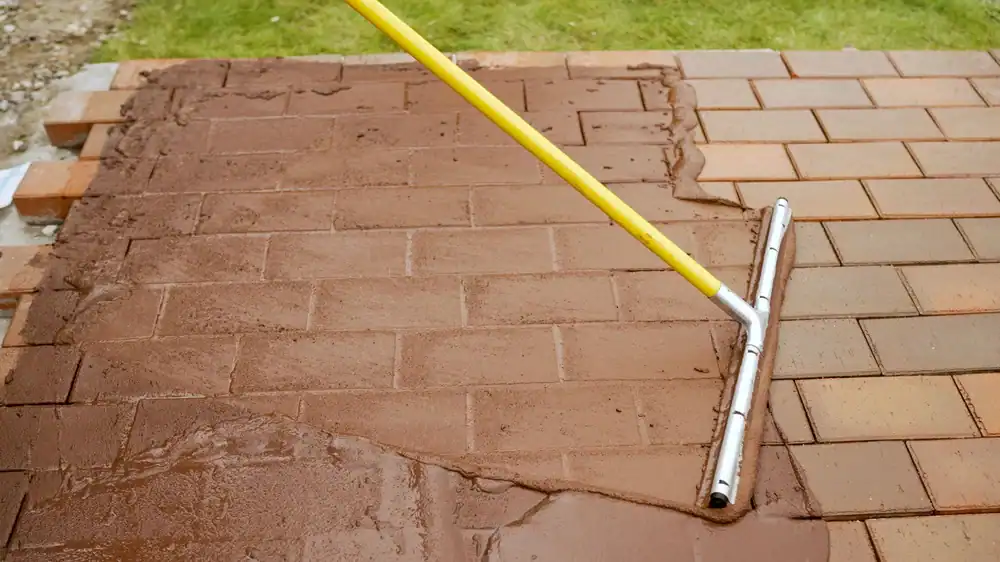
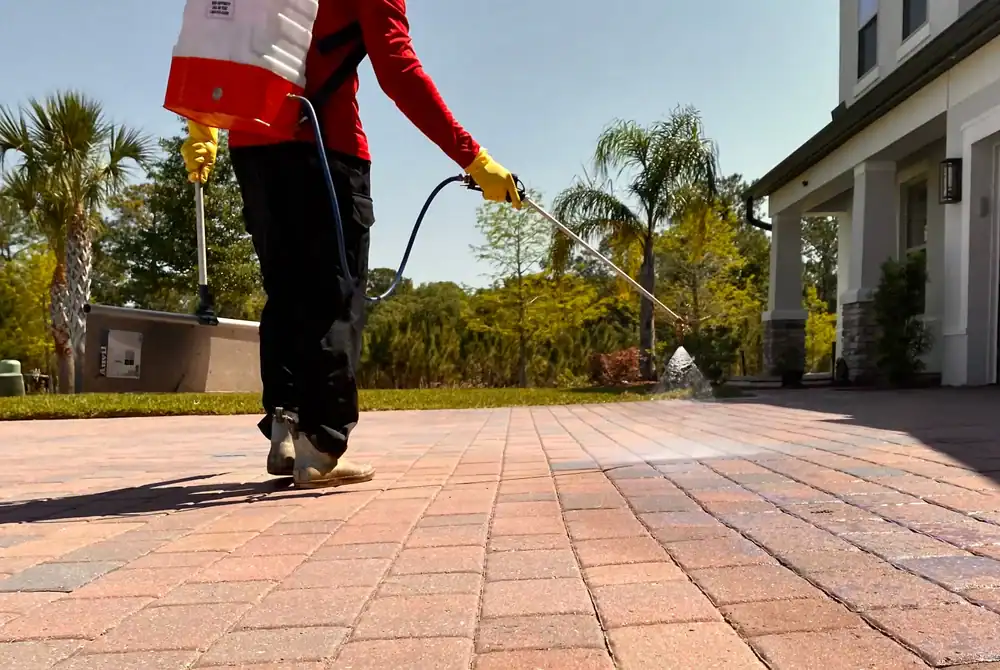
Then we apply a water-based, commercial-grade sealer designed for Florida. Water-based sealers handle our humidity better, they don’t trap moisture, and they last two to three years—sometimes longer. We don’t use solvent-based products that yellow, peel, or fail after one rainy season.
After application, the sealer needs time to cure. We’ll tell you exactly when you can walk or drive on it. Once it’s cured, your pavers are protected, enhanced, and way easier to maintain. You’ll notice the difference immediately.
Ready to get started?
You get a sealer that’s rated for Florida’s climate—high UV resistance, moisture control, and durability through storm season. We’re not using general-purpose products that work fine in Arizona but fail here in six months.
You also get proper surface prep, which is half the job. If the pavers aren’t cleaned and prepped correctly, even the best sealer won’t perform. We pressure wash, treat stains, remove efflorescence, and make sure the surface is ready before we ever open a bucket.
In High Point, FL, your pavers face constant sun exposure and afternoon storms that other parts of the country don’t deal with. Our sealing process accounts for that. We stabilize the sand to prevent washout during heavy rain, and we use sealers with UV blockers that slow down color fading.
You’re also working with a state-licensed contractor who’s been doing this since 1995. We’re not a pressure washing company that added sealing as a side gig last month. This is what we do, and we’ve done it thousands of times across Citrus County.
Most professionally sealed pavers in Florida need resealing every two to three years. That timeline depends on a few things: how much sun exposure your pavers get, how much traffic they see, and what type of sealer was used.
If your pavers are in full sun all day—like a driveway or front walkway—you’re looking at the shorter end of that range. Shaded patios or low-traffic areas can go longer. The sealer doesn’t just disappear one day; you’ll notice the color starting to fade again, water soaking in instead of beading up, and maybe some weeds poking through the joints.
Commercial-grade water-based sealers last significantly longer than the cheap stuff you’ll find at hardware stores. Some of those general-purpose sealers break down in less than a year under Florida’s UV exposure. If you’re resealing every year, you’re either using the wrong product or it wasn’t applied correctly in the first place.
You can try, but most DIY sealing jobs in Florida fail within the first year. The two biggest reasons are poor product selection and bad surface prep. If you pick the wrong sealer or skip the cleaning and sanding steps, you’re wasting your time and money.
Sealing pavers isn’t like painting a fence. The surface has to be completely clean—no dirt, no algae, no old sealer, no efflorescence. If any of that’s still on there, the new sealer won’t bond. You’ll end up with peeling, flaking, or a blotchy finish that looks worse than when you started.
Then there’s the sealer itself. Most homeowners grab a solvent-based sealer because it’s shiny and looks good in the store. In Florida’s humidity, solvent-based sealers trap moisture, turn yellow, and break down fast. A water-based sealer designed for our climate performs better and lasts longer, but you won’t find the good ones at a big box store. If you want it done right and you want it to last, hire someone who knows what they’re doing.
Water-based sealers use water as the carrier for the protective resins. Solvent-based sealers use chemicals. In Florida, water-based sealers are the better choice because they breathe, they don’t trap moisture under the surface, and they handle humidity without breaking down or yellowing.
Solvent-based sealers give you that wet, glossy look right away, which is why a lot of people think they’re better. But that shine doesn’t last in Florida’s climate. The solvents evaporate, the sealer gets brittle, and you end up with peeling and discoloration within a year or two. They also smell terrible during application and take longer to cure.
Water-based sealers might not have that same high-gloss finish, but they last two to three times longer, they’re easier to reapply when the time comes, and they don’t trap water that leads to mold or efflorescence. The key is using a high-quality water-based sealer with the right resins and UV blockers—not just any water-based product off the shelf.
Sealing won’t eliminate weeds completely, but it makes a huge difference. When you seal pavers, you’re stabilizing the joint sand, which makes it much harder for weed seeds to take root. The sealer also creates a barrier that keeps moisture from sitting in the joints, and moisture is what weeds need to grow.
Without sealer, rain washes away your joint sand over time. Once that sand is gone, you’ve got gaps where dirt, seeds, and debris collect. That’s when you start seeing grass and weeds pushing through. Even if you pull them, they come right back because the conditions are perfect for growth.
A proper sealing job includes re-sanding the joints if needed and then locking that sand in place with sealer. You might still get the occasional weed in a high-traffic area where the sealer wears down faster, but it’s nothing like the constant maintenance you’d deal with on unsealed pavers. Most homeowners notice a dramatic reduction in weeds after sealing.
The actual sealing process usually takes one to two days depending on the size of the area and the condition of your pavers. If we need to do heavy cleaning, stain removal, or re-sanding, that adds time. But the application itself moves quickly once the surface is prepped.
Curing time is where you need patience. Most water-based sealers are dry to the touch within a few hours, but that doesn’t mean they’re fully cured. You can typically walk on sealed pavers after 24 hours. For driveways or areas with vehicle traffic, you’re looking at 48 to 72 hours before it’s safe to drive on them.
Florida’s humidity can slow down curing, especially in the summer. If we seal your pavers and then it rains the next day, that can cause problems. We plan jobs around the weather forecast to avoid that. Once the sealer’s fully cured, it’s locked in and you’re good to go. Rushing it and using the pavers too soon is one of the fastest ways to ruin a fresh sealing job.
Professional paver sealing typically runs between one and two dollars per square foot, depending on the condition of your pavers, the type of sealer used, and how much prep work is needed. If your pavers are heavily stained, covered in mold, or haven’t been maintained in years, expect to be on the higher end of that range.
That price includes cleaning, repairs to joint sand if necessary, and application of a commercial-grade sealer. It doesn’t include full paver restoration, which is a different process for pavers that are severely damaged or faded beyond what sealer alone can fix.
Compared to replacing your pavers—which can cost ten times as much—sealing is a fraction of the price and adds years to the life of your existing surface. A lot of homeowners try to save money with a DIY job or a cheap contractor, then end up paying someone like us to strip the bad sealer and redo it correctly. You’re better off doing it right the first time.
Useful Links
Other Services we provide in High Point