
You’re not just getting pavers laid down. You’re getting a driveway that drains properly when those afternoon storms roll through, stays level on Florida’s sandy soil, and doesn’t buckle under your truck after two years.
The difference is in how it’s built. Quality sand base. Proper grading for drainage. Interlocking pavers sized right for vehicle weight. Sealed immediately so the sun doesn’t fade them and weeds don’t take over the joints.
When Hurricane Milton dumped double-digit rainfall and flooded areas that hadn’t seen water in decades, properly installed driveways held up. The ones that didn’t? They were dealing with sunken pavers, washouts, and standing water that wouldn’t drain. That’s what happens when the base isn’t done right or drainage isn’t planned for Central Florida’s wet season.
We’ve been installing pavers for driveway projects in Belleview, FL since 1995. We’re family-owned, and we’ve cleaned up after hurricanes, worked through Florida’s building code changes, and seen what holds up in this climate versus what fails.
We’re Authorized Contractors for Tremron, Flagstone, and Belgard. We’re the exclusive Seal ‘n Lock distributor in Citrus County. That’s not marketing talk—it means we have direct access to quality materials and manufacturer-backed training on how to install them correctly.
You’ll talk to the same people from estimate to completion. No subcontractors. No runaround. We’re also licensed for irrigation, so if your driveway needs drainage work, we handle that too.
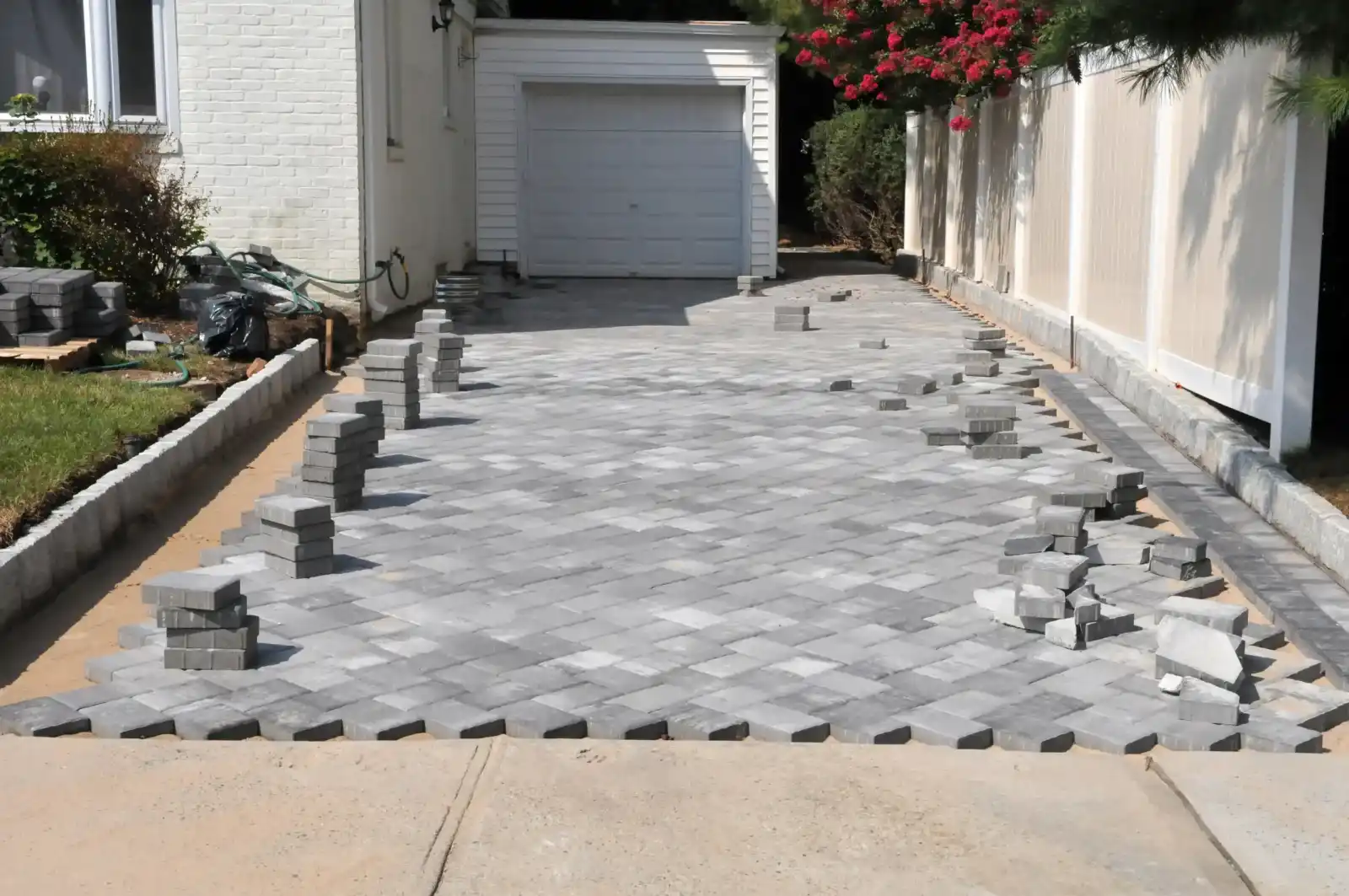
First, we look at your property’s drainage. Central Florida gets pounded with rain, and replacing permeable grass with pavers means water has to go somewhere. We grade everything so water moves away from your home and doesn’t pool on the driveway.
Next is the base. Florida’s sandy soil is actually ideal for pavers—it drains naturally—but you still need a stable sand base installed correctly. We compact it in layers. No shortcuts. This is what keeps your driveway from sinking when you park your car on it every day for the next twenty years.
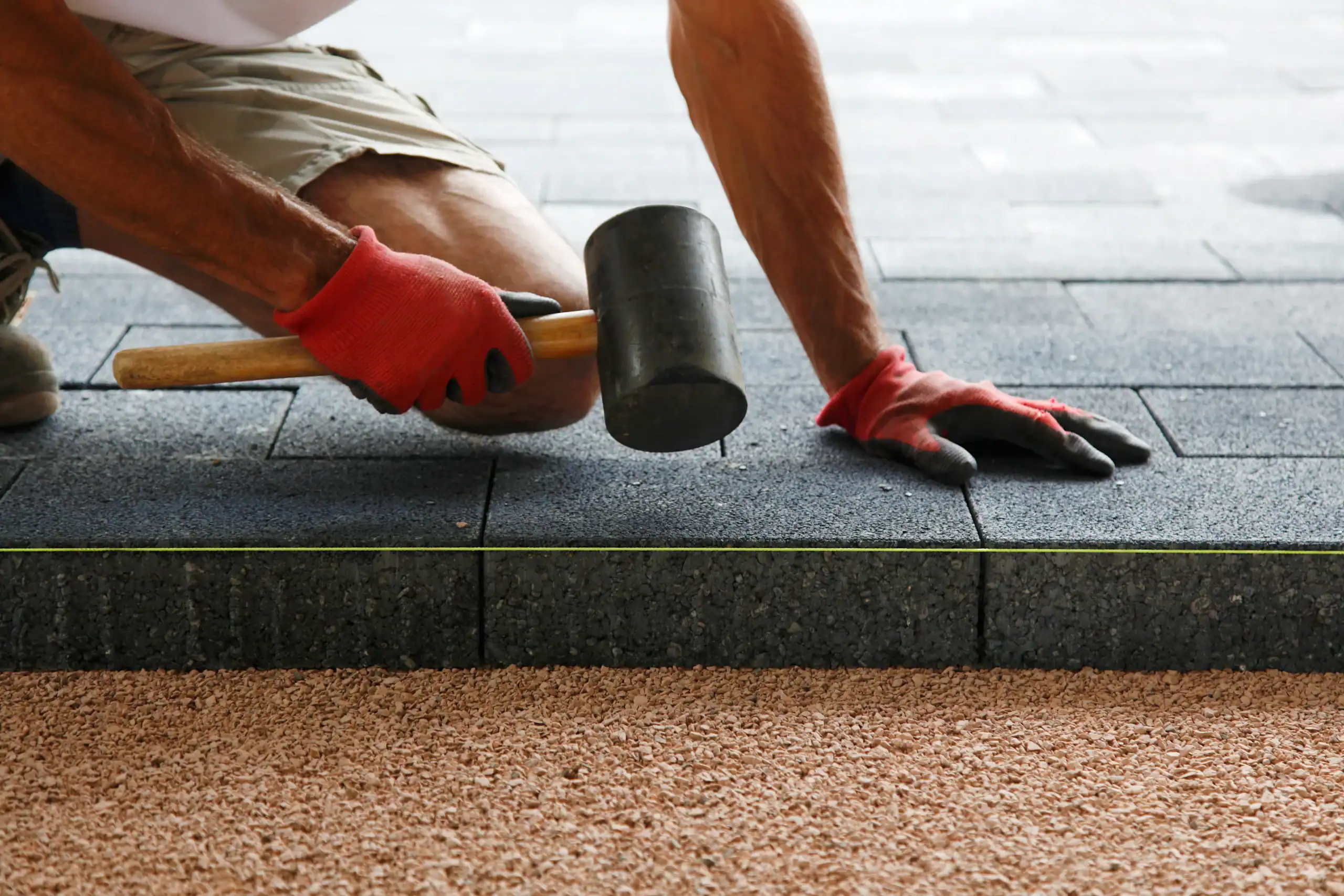
Then we install the pavers. For driveways, we keep them under 12 inches to prevent cracking from vehicle weight. They interlock, which gives you strength and flexibility during ground movement. Finally, we seal them immediately. This protects against sun fade, prevents weeds from growing in the joints, and keeps ants from moving in. You’ll need resealing every three to four years, and we handle that too.
Ready to get started?
Every driveway paver installation in Belleview, FL includes site evaluation for drainage, complete base preparation, professional-grade paver installation, and immediate sealing. We pull permits when Orange County requires them, and if you’re in an HOA, we help with approval letters.
You’re also getting materials that are built for this climate. Tremron, Belgard, and Flagstone pavers are designed to handle Florida’s UV exposure and temperature swings. The color goes all the way through the paver, so if it chips, you don’t see gray concrete underneath.
Belleview’s housing market is competitive right now—homes are selling for around $300K, up 20% from last year. A properly installed paver driveway adds real curb appeal and value. It’s one of the first things buyers see, and it signals that the home has been maintained. That matters when you’re trying to stand out in a market where homes are moving in under 50 days.
We also offer military and first responder discounts. If you’ve served, we want to make sure you’re taken care of.
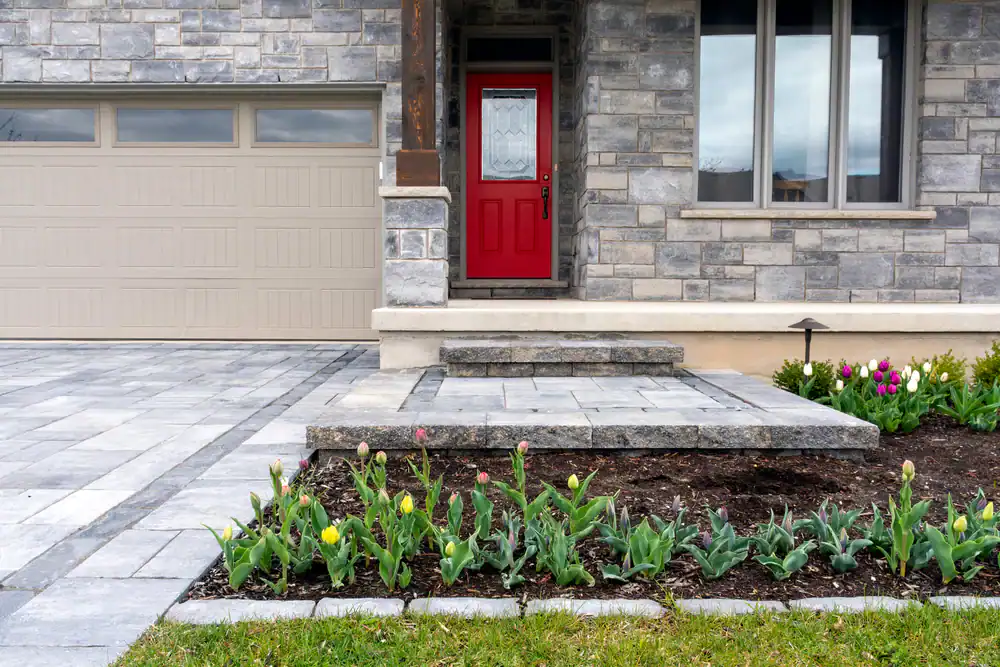
Most driveway paver installations in Belleview, FL take between three to five days, depending on size and site conditions. That includes excavation, base prep, paver installation, and sealing.
Weather can add time. If we get heavy rain during base prep, we have to wait for things to dry out before compacting. Rushing that step leads to settling and sinking later, so we don’t do it.
If your project needs drainage work or irrigation adjustments, that adds a day or two. We’re licensed for irrigation, so we handle it in-house instead of coordinating with another contractor. That usually speeds things up overall.
Pavers cost more upfront—usually 20-30% more than poured concrete. But here’s what you’re paying for: concrete cracks in Florida’s heat and ground movement. When it does, you’re looking at expensive repairs or full replacement.
Pavers are individual units. If one gets damaged, you replace that paver. If you need to access a utility line under your driveway, you lift the pavers, do the work, and put them back. With concrete, you’re jackhammering and repaving.
Pavers also don’t fade the same way stamped concrete does. The color is throughout the material, and proper sealing keeps them looking good for decades. Factor in longevity and maintenance costs, and pavers often cost less over the life of your driveway.
Orange County requires permits for paver installation in most cases, especially if you’re changing drainage patterns or expanding your driveway footprint. We handle the permit process as part of the job.
If you’re in an HOA, you’ll also need an approval letter before we start. Some HOAs have restrictions on paver colors or styles, so it’s worth checking before you pick materials.
Skipping permits is a bad idea. If code enforcement catches it, you could be forced to remove the work or face fines. Worse, if you try to sell your home later, unpermitted work can kill a deal or force you to fix it during closing. We make sure everything is done by the book so you don’t have problems down the road.
Yes, if it’s installed correctly. Citrus County has seen 78 hurricanes since 1930, and Hurricane Milton just proved how much rain Central Florida can get in a short time. Interlocking pavers are designed to flex slightly during ground movement, which helps them survive storms better than rigid concrete.
The key is drainage. When you replace grass with pavers, water can’t soak into the ground the same way. If your driveway isn’t graded properly, you’ll have flooding and washout problems. We design every installation with Central Florida’s wet season in mind—grading for runoff and making sure water moves away from your home.
Proper base prep also matters. If the sand base isn’t compacted in layers, heavy rain can cause settling and create low spots where water pools. That leads to pavers sinking and drainage issues. We’ve been doing this for 30 years in this exact climate, so we know what holds up.
Maintenance is straightforward. Sweep or blow off debris regularly so dirt doesn’t build up in the joints. Rinse with a hose when needed. Avoid pressure washing at high PSI—it can damage the sand between pavers and loosen the interlock.
The biggest thing is resealing every three to four years. Florida’s sun is brutal, and without sealing, your pavers will fade. The sealant also prevents weeds from sprouting in the joints and keeps ants from making homes between the pavers.
If a paver cracks or stains, you can replace just that one piece. That’s one of the main advantages over concrete. We keep extra pavers from your original installation so replacements match perfectly. Most homeowners don’t need to do this often, but it’s good to know the option exists.
Poor base preparation. That’s the number one reason. If the sand base isn’t compacted properly or isn’t thick enough, pavers will sink under the weight of vehicles over time. Some installers rush this step to save time, and it shows up a year or two later.
Drainage issues usually come from bad grading. Central Florida gets afternoon storms almost daily during the wet season. If your driveway doesn’t have a slight slope to move water off, it’s going to pool. That creates standing water, which leads to erosion under the pavers and eventually causes sinking.
The other common problem is using pavers that are too large. For driveways, you want pavers under 12 inches. Larger pavers can buckle and crack under repeated vehicle weight. We size everything correctly based on how the driveway will actually be used, not just how it looks.
Useful Links
Other Services we provide in Belleview