
You stop worrying about cracks spreading across your driveway every time it rains. That’s the biggest shift most homeowners notice first.
Pavers flex with Florida’s sandy soil instead of fighting it. When the ground shifts slightly during heavy storms or our wet season, individual pavers adjust without cracking. If one does get damaged, you replace that single paver instead of tearing out half your driveway.
Water drains through the joints instead of pooling on the surface. You’re not dealing with standing water after every afternoon thunderstorm, and your driveway isn’t contributing to runoff problems. The surface also stays cooler underfoot than asphalt or concrete, which matters when you’re walking barefoot to grab the mail in July.
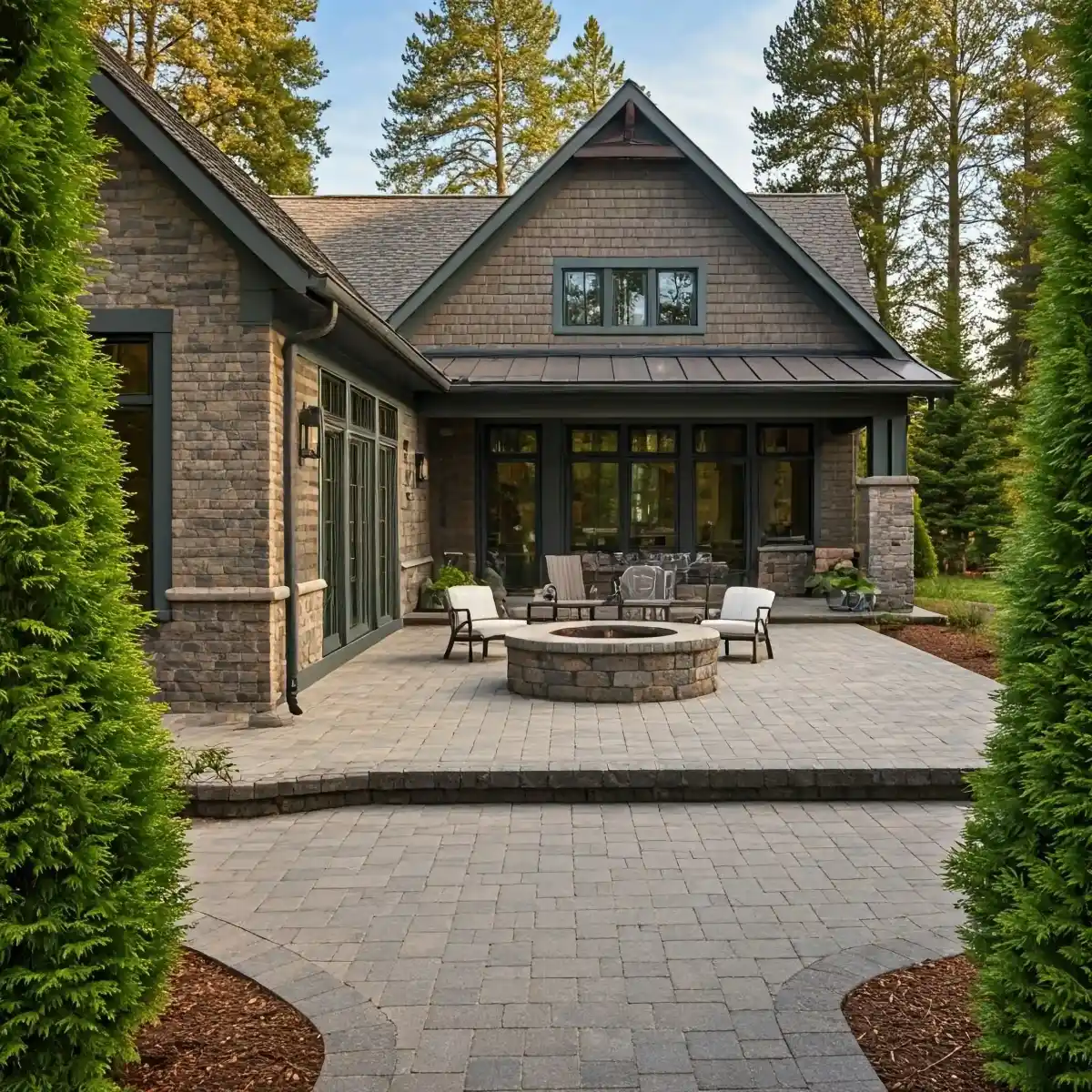
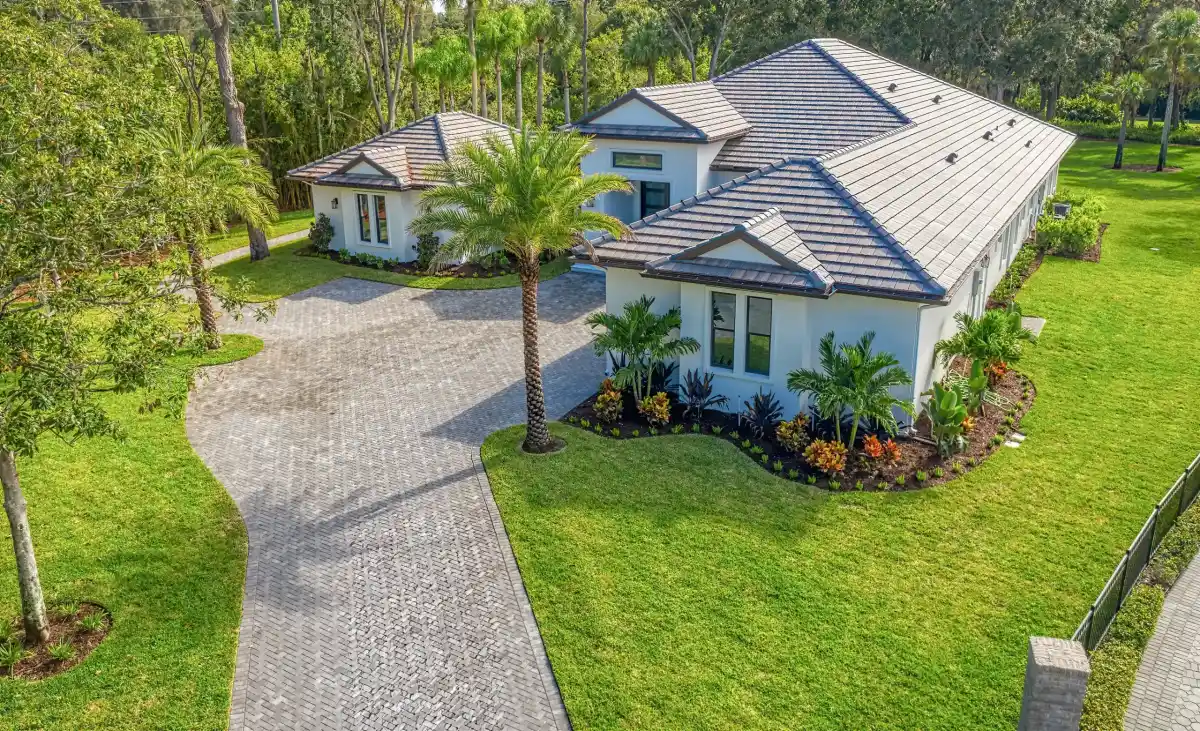
Your home looks better from the street. That’s not fluff—it’s what happens when you replace a cracked, stained concrete slab with clean pavers in a pattern that complements your home’s style. It’s one of the few upgrades that genuinely affects resale value because buyers notice driveways immediately.
We’ve been installing driveway pavers in Inverness Highlands South and throughout Citrus County since 1995. That’s long enough to know exactly how pavers perform in our sandy soil, what happens during tropical storms, and which installation shortcuts lead to callbacks three years later.
We’re authorized contractors for Tremron, Flagstone, and Belgard—the manufacturers whose pavers actually hold up in Florida’s climate. We’re also the only Seal ‘n Lock distributor in Citrus County, which means we control the sealing process that protects your investment from UV fading and staining.
You’re working with licensed irrigation and landscaping crews who understand drainage, not just guys who know how to lay pavers in a pattern. That distinction matters when you’re dealing with Inverness Highlands South’s water table and soil conditions. We’re a family-owned business, and we’re raising our kids here, so the work we do sticks around.
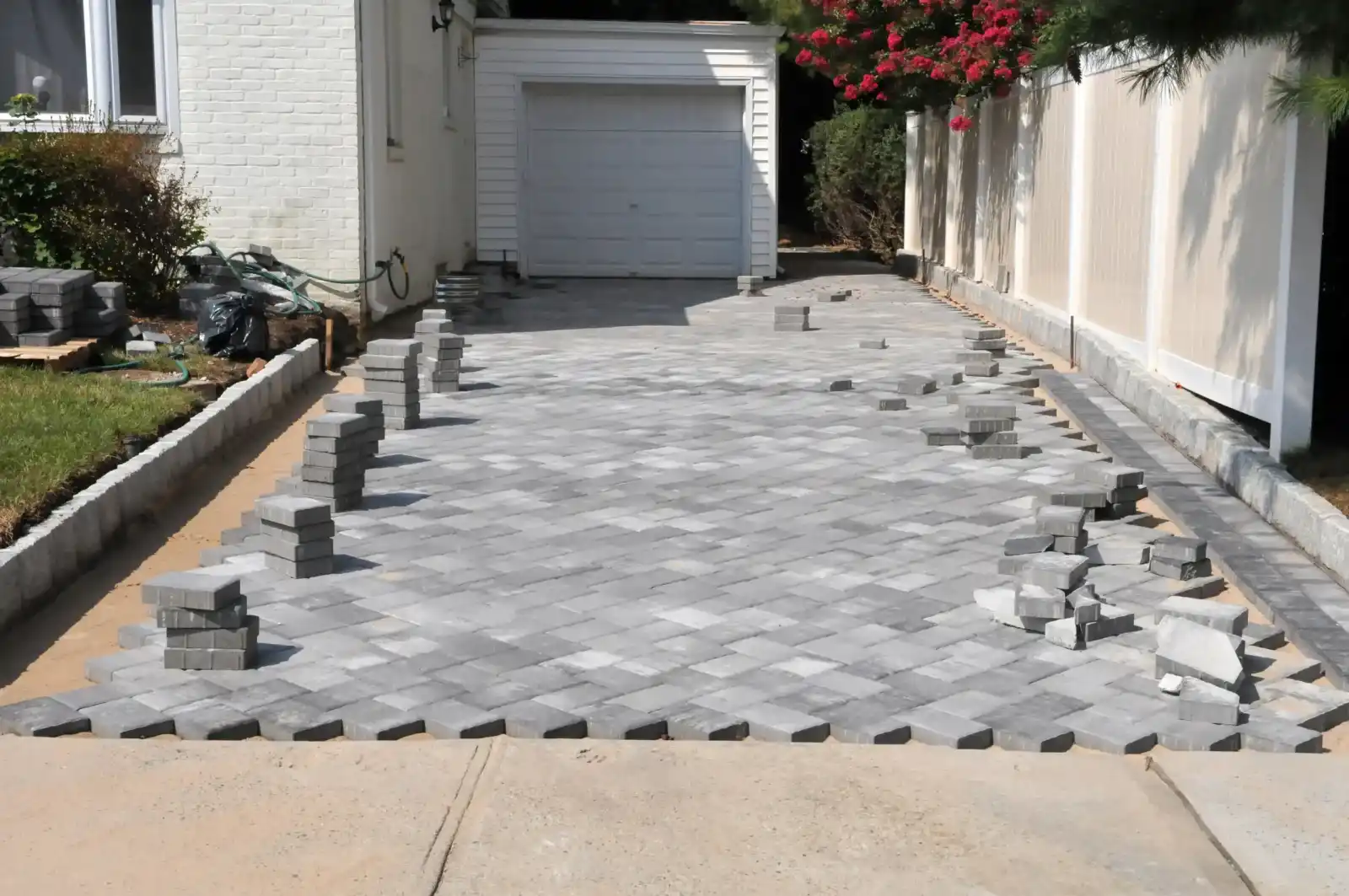
We start by excavating your existing driveway down to stable soil—usually 8 to 12 inches depending on what we find. Depth matters because Florida’s sandy soil needs proper base preparation or you’ll have settling issues within a year.
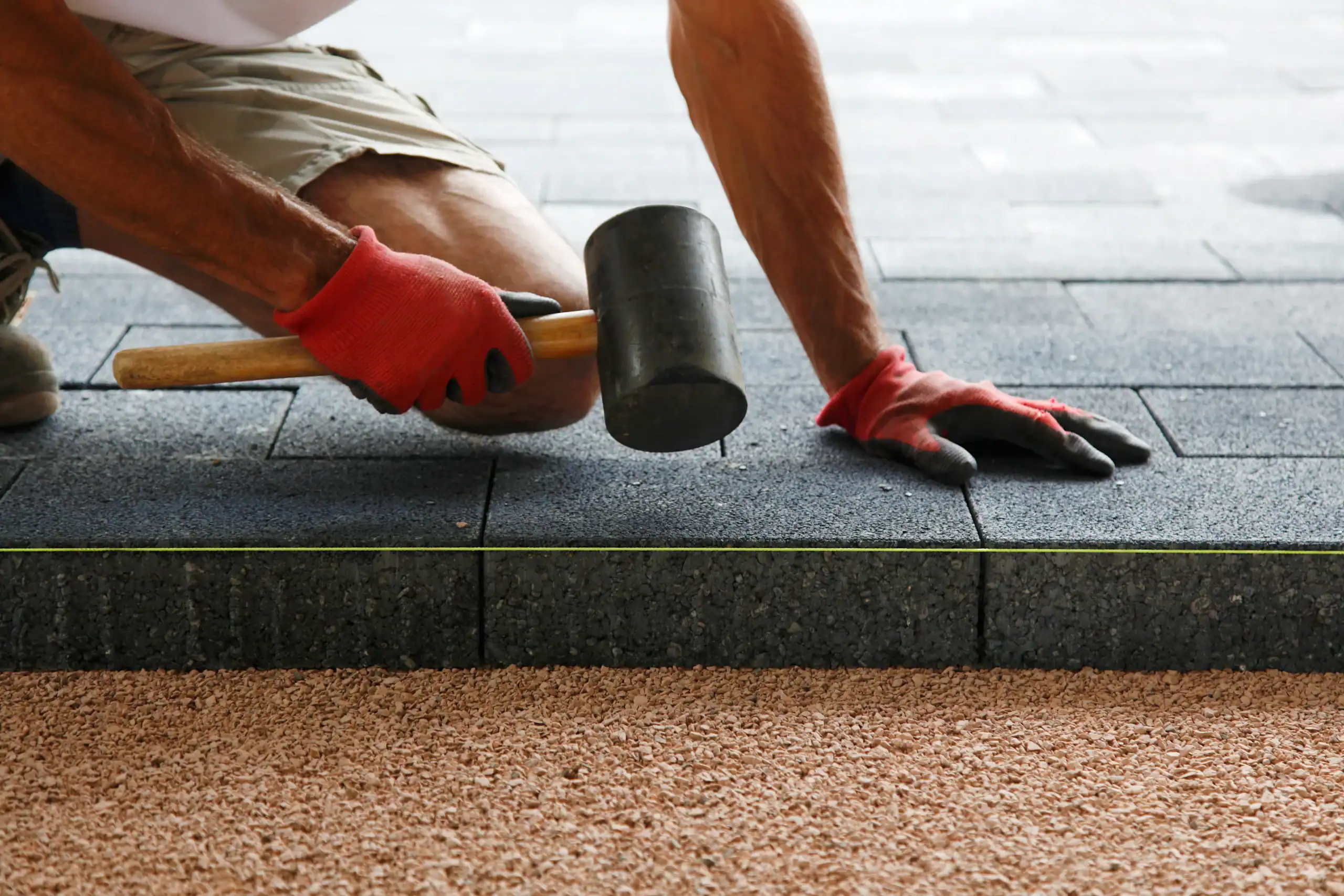
Next comes the base layer: compacted crushed stone that creates a stable foundation and handles drainage. We grade this carefully so water flows away from your home and garage. Then we add a layer of bedding sand, screed it level, and start laying pavers in your chosen pattern.
Edge restraints go in next—not the plastic stuff that fails in two years, but proper commercial-grade restraints that keep pavers from shifting when you drive over them daily. We sweep polymeric sand into the joints, which hardens when wet and locks everything together.
The final step is sealing with Seal ‘n Lock, which protects against stains, UV fading, and joint sand erosion. Most driveways take three to five days from start to finish, depending on size and site conditions. You can drive on it the day after we finish.
Ready to get started?
You’re getting materials from manufacturers we’re certified to install—Tremron, Flagstone, and Belgard. That certification isn’t automatic; it requires training on proper installation techniques and gives you access to manufacturer warranties that don’t apply when unlicensed crews install the same pavers.
We handle the entire project: design consultation, material selection, excavation, base prep, paver installation, edge restraints, joint sand, and sealing. You’re not coordinating between multiple contractors or discovering halfway through that your “paver guy” doesn’t do drainage work.
The installation includes proper grading for Inverness Highlands South’s drainage challenges. We’ve worked in this area long enough to know where water tends to pool and how to prevent it. Your driveway will have a slight crown or slope—usually 2% grade—so water sheds to the sides instead of sitting on the surface.
You also get our attention to detail on the finish work. Cuts around curves or obstacles are precise, not sloppy. Paver patterns line up correctly. Joint spacing is consistent. These details separate installations that look good for 25 years from ones that look amateur after five.
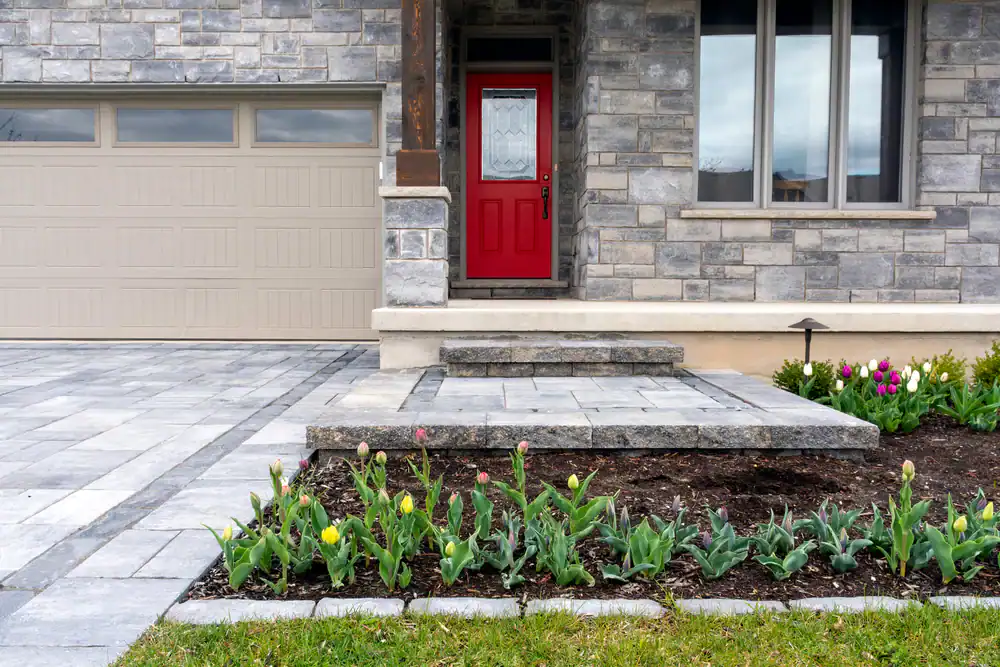
Most paver driveways in our area run between $10 and $25 per square foot installed, depending on the paver style you choose and site conditions. A standard two-car driveway around 600 square feet typically costs between $6,000 and $15,000.
That’s higher than basic concrete, but you’re comparing different lifespans. Concrete driveways in Florida’s climate often crack within 5 to 10 years and require replacement. Properly installed pavers last 25 to 50 years and can be repaired by replacing individual pavers instead of the entire surface.
The price includes excavation, base preparation, pavers, edge restraints, joint sand, and sealing. If your site has drainage issues or needs significant grading work, that affects the total. We give you an exact price after looking at your property—no ballpark estimates that change once we start digging.
Yes, and the reason comes down to how they handle movement. Florida’s sandy soil shifts slightly throughout the year as moisture levels change. Concrete is rigid, so when the soil moves, the concrete cracks. Pavers are individual units that can shift independently without breaking.
Pavers also handle our weather better. The joints between pavers allow water to drain through instead of sitting on the surface, which reduces erosion and eliminates most puddling. When we get heavy rains or tropical storms, that drainage makes a real difference.
If a paver does crack—usually from something heavy dropping on it—you replace that one paver. When concrete cracks, you’re either living with an expanding crack or replacing a large section. Over a 20-year period, pavers require less maintenance and fewer repairs than concrete in our climate.
Most driveway paver installations in Inverness Highlands South take three to five days from excavation to final sealing. Larger driveways or complicated sites with drainage issues can take a week.
Day one is excavation and base prep. We remove your existing driveway, dig down to stable soil, and start building the crushed stone base. Day two is finishing the base, adding bedding sand, and starting paver installation. Day three is completing the paver layout, installing edge restraints, and sweeping in joint sand. Day four is sealing, which needs to cure overnight before you can drive on it.
Weather affects the timeline. If we get heavy rain during installation, we pause until conditions improve because you can’t properly compact a wet base. We’d rather add a day to the schedule than rush through critical steps that affect how your driveway performs for the next 30 years.
You’ll need to sweep or blow off your driveway regularly to prevent dirt buildup in the joints—same as you’d do with concrete. Once a year, rinse it down with a hose or pressure washer on a low setting to remove any staining or organic growth.
Every three to five years, you should reseal the pavers. Sealing protects against UV fading, prevents stains from soaking in, and keeps the joint sand from washing out during heavy rains. We use Seal ‘n Lock, which lasts longer than standard sealers and we’re the only local distributor.
Occasionally you might need to add joint sand if some washes out over time, especially if your driveway takes a lot of water flow from downspouts. That’s a simple fix—you buy polymeric sand, sweep it into the joints, and mist it with water to activate it. Overall, pavers need less maintenance than concrete, which requires regular sealing to prevent cracking and staining.
Sometimes, but only if your existing concrete is in good condition—meaning it’s level, stable, and not cracked or settling. If the concrete is already failing, installing pavers over it just transfers those problems to your new surface.
In most cases around Inverness Highlands South, we recommend removing the old concrete. Our sandy soil causes concrete to settle unevenly, and that settling continues even after you cover it with pavers. You end up with a driveway that looks good initially but develops low spots and drainage issues within a couple years.
Removing the concrete also lets us address the real problem: improper base preparation. We can excavate to stable soil, install a proper crushed stone base with correct compaction, and grade everything for drainage. That’s how you get a paver driveway that lasts 30 years instead of needing repairs in five.
Yes. Our installation work is warrantied, and the pavers themselves come with manufacturer warranties because we’re authorized contractors for Tremron, Flagstone, and Belgard. Warranty terms vary by manufacturer and paver style, but most cover defects in the pavers for 25 years or more.
Our installation warranty covers issues related to base failure, settling, or edge restraint problems that result from our workmanship. It doesn’t cover damage from vehicles, tree roots, or homeowner modifications to drainage that affect the driveway.
The key to warranty coverage is proper installation from the start. That’s why we’re certified by the manufacturers—they only authorize contractors who follow their installation standards. If something does go wrong and it’s related to how we installed your driveway, we come back and fix it. We’ve been doing this in Citrus County since 1995, and we’re not going anywhere.
Useful Links
Other Services we provide in Inverness Highlands South