
Your backyard should work for you. Not the other way around.
When your patio pavers are installed correctly, you get a space that drains properly during Florida’s afternoon downpours. No standing water pooling near your foundation. No erosion eating away at your investment. Just a solid surface that stays level and looks sharp season after season.
The right paver installation in High Point, FL means you’re not replacing cracked concrete in three years. You’re not dealing with weeds pushing through every joint because someone skipped the polymeric sand. You’re not calling contractors back to fix sinking sections because the base wasn’t compacted right.
You get an outdoor area that handles family gatherings, morning coffee, or just sitting outside without worrying whether it’ll hold up. That’s what proper installation does. It removes the headaches before they start.
We’ve been installing patio pavers in High Point, FL and throughout Citrus County since 1995. That’s almost 30 years of seeing what works and what fails in Florida’s climate.
We’re authorized contractors for Tremron, Flagstone, and Belgard. That’s not just a badge—it means we know how to install their products the way they’re designed to perform. We’re also the exclusive Seal ‘n Lock distributor in Citrus County, so you’re getting materials and methods that aren’t available from every contractor down the street.
We’re a family-owned business, and we’re state-licensed for irrigation work too. That matters because drainage isn’t optional in Florida—it’s the difference between a patio that lasts and one that becomes a problem.
First, we assess your yard. Slope, drainage, soil conditions—these aren’t details you skip in High Point. Florida’s sandy soil and heavy rain mean the base has to be done right, or nothing else matters.
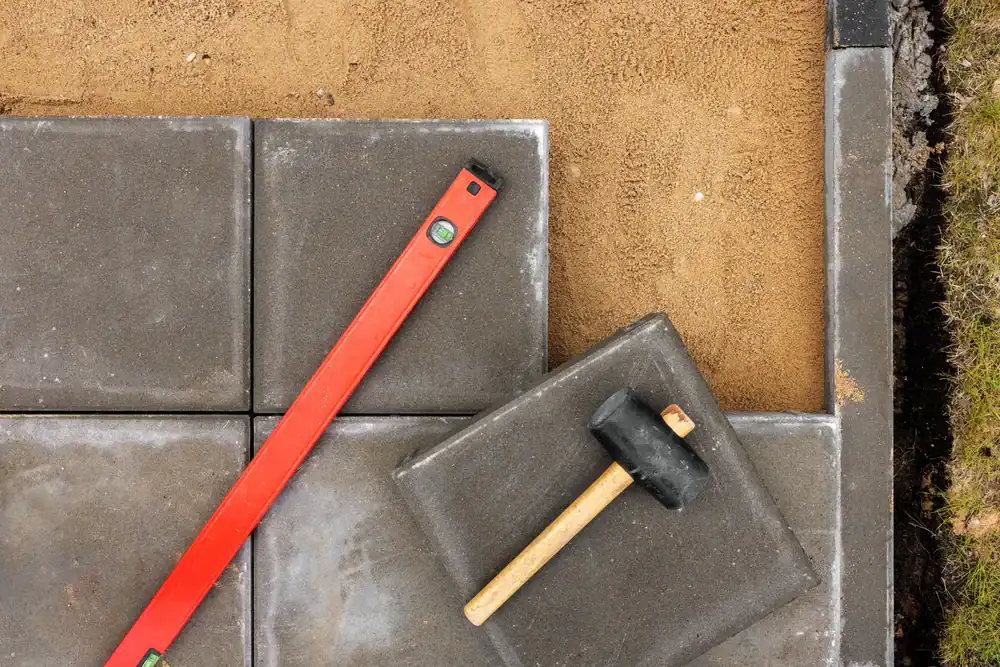
Next, we excavate and prepare the base. This is where most problems start if it’s rushed. We compact the base in layers, ensuring proper drainage away from your home. No shortcuts. No “good enough.” This step determines whether your patio stays level or starts sinking in a year.
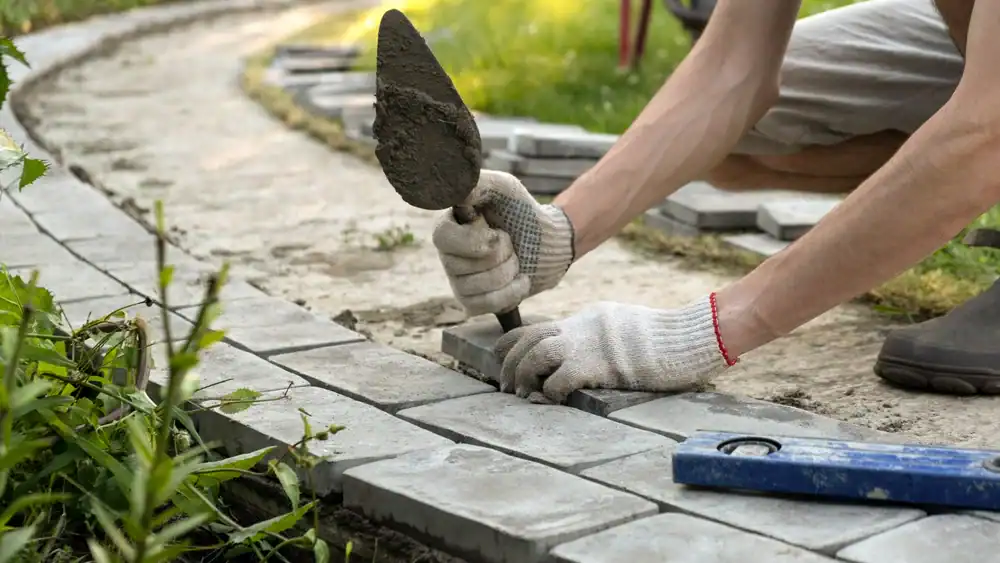
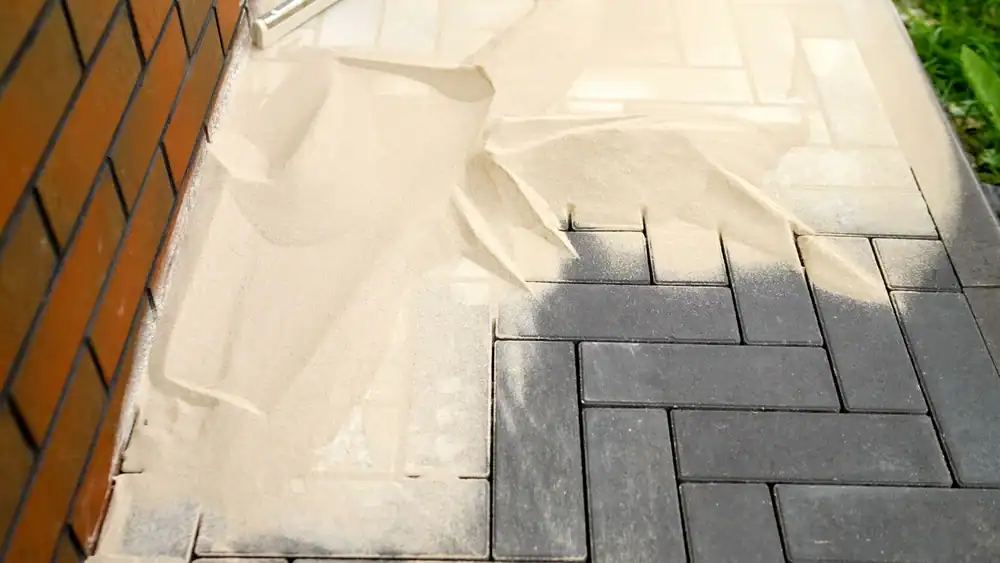
Then we install the pavers. We use proper edge restraints—concrete molded edging, not plastic spikes that fail in Florida’s soft soil. Joints are filled with polymeric sand to lock everything in place and keep weeds out.
Finally, we clean up and walk you through maintenance. You’ll know what to expect, how to care for it, and when to reach out if you ever need anything. The job’s not done until you understand what you’re getting.
Ready to get started?
You’re getting interlocking pavers designed for Florida’s climate. These aren’t just decorative—they expand and contract with temperature shifts without cracking like poured concrete does.
You’re getting proper base preparation with attention to drainage. In High Point, FL, where afternoon storms dump inches of rain in minutes, this isn’t optional. Your patio needs to shed water away from your home, not pool it near your foundation.
You’re getting materials from manufacturers we’re authorized to install: Tremron, Flagstone, and Belgard. That means access to colors and styles that hold up under Florida sun without fading into a washed-out mess in five years.
You’re also getting a contractor who handles the full scope. Design consultation, material selection, installation, and ongoing support. One point of contact. One company responsible for the outcome. If something needs attention down the road, you’re not hunting down whoever did what part of the job.
And if you’re military or a first responder, you’re getting a discount. It’s a small way to say thanks for what you do.
Most patio paver installations in High Point take between three to seven days, depending on size and complexity. A standard 12×16 patio usually wraps up in about four days if weather cooperates.
Day one is excavation and base prep. Day two and three are base compaction and leveling—this can’t be rushed. Day four is paver installation and joint filling. Larger patios or custom designs with curves, borders, or fire pit integration take longer.
Florida weather can add time. If we get a heavy rain during base prep, we wait for things to dry out rather than compact wet material. Doing it right beats doing it fast. You’ll get a timeline upfront, and we’ll keep you updated if anything shifts.
Pavers handle Florida’s climate better than poured concrete because they move independently. When the ground shifts—and it does in High Point’s sandy soil—pavers flex without cracking. Concrete slabs crack. Once they crack, water gets in, and the problem spreads.
Pavers also drain better. Water flows through the joints instead of pooling on the surface. That matters during our heavy rain season when drainage makes or breaks your outdoor space.
Repairs are simpler too. If a paver cracks or stains, you replace that one piece. With concrete, you’re looking at cutting out sections or resurfacing the whole slab. Paver repairs cost about 10-20% of what concrete repairs run. And pavers typically add more to your home’s resale value—somewhere between 30-50% better return than concrete when you sell.
Not if the installation is done correctly. Weeds grow when there’s space, soil, and light. Proper paver installation eliminates those conditions.
We use polymeric sand in the joints. Once activated with water, it hardens and locks the pavers together. This keeps soil from settling into the gaps where weed seeds could take root. It also prevents ants from tunneling underneath and destabilizing the surface.
The base layer matters too. A properly compacted base with landscape fabric underneath stops weeds from pushing up from below. Cheap installations skip these steps, and that’s when you see weeds popping through within a year.
If you ever do see a weed trying to come through—maybe after years of use—it pulls out easily because there’s no soil for roots to grab. But with the right installation, it’s rare. You’re not out there pulling weeds every weekend like you would with some patio materials.
Drainage problems show up when the patio doesn’t slope away from your home or when the base isn’t prepared to handle water. In High Point, FL, where we get sudden, heavy rain, this isn’t something you guess at.
A properly installed patio has a minimum slope of 1-2% away from your house. That’s about 1/4 inch of drop per foot. It’s subtle—you won’t notice it when you’re standing there—but it’s enough to move water away from your foundation instead of letting it pool.
The base also needs to allow water to percolate down and away. That’s why we compact in layers and ensure the subgrade drains properly. If water can’t move through or away, it sits under your pavers, and that’s when you get sinking, shifting, or even foundation issues over time.
Before we start any patio paver installation, we assess your yard’s natural drainage. If there are low spots or areas where water already collects, we address those first. You shouldn’t have to worry about this after the job’s done.
The base. That’s where corners get cut, and that’s where problems start.
A cheap job skips proper excavation depth. They don’t compact the base in layers, or they use the wrong materials. Maybe they skip the landscape fabric or use plastic edging instead of concrete restraints. In Florida’s soft, sandy soil, plastic edging fails. The pavers shift, the edges spread, and within a couple years you’re looking at a wavy, uneven surface.
A quality installation takes time on the base. We excavate to the right depth, compact in lifts, and ensure proper slope for drainage. We use concrete edging that won’t budge. We install polymeric sand correctly—not just swept in, but activated and sealed so it actually does its job.
The other difference is who’s doing the work. A quality patio paver contractor in High Point, FL is licensed, insured, and authorized by the manufacturers whose products they’re installing. That means they’ve been trained on proper methods and they’re accountable if something goes wrong. Cheap jobs come from crews who move on to the next town when problems pop up. You’re left holding the bag.
Yes, and that’s one of the advantages of pavers over poured concrete. You can expand a paver patio without it looking like an obvious addition, as long as you plan for it upfront.
The key is matching materials. If you’re using a specific paver style and color, you’ll want to make sure it’s still available when you’re ready to expand. Some product lines get discontinued, and even if the style is available, dye lots can vary slightly. We can help you plan for future expansion by selecting pavers that have been around for years and aren’t likely to disappear.
The installation process for an addition is similar to the original. We excavate the new area, prep the base, and tie the new pavers into the existing ones. If the original installation was done right—with a solid base and proper edging—the addition integrates seamlessly.
If you think you might expand later, mention it during the design phase. We can set up the layout and edging in a way that makes future additions easier and cleaner. It’s a lot simpler to plan for it now than to retrofit later.
Useful Links
Other Services we provide in High Point