
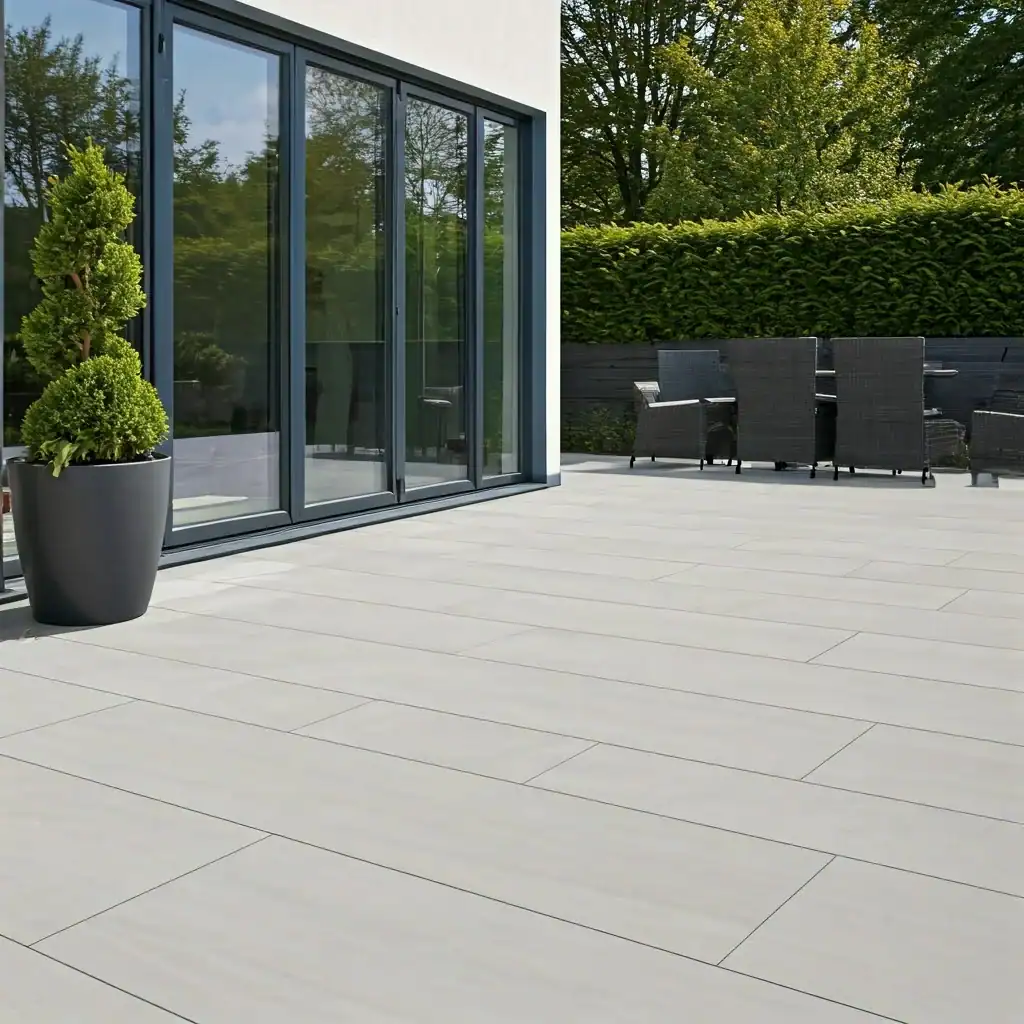
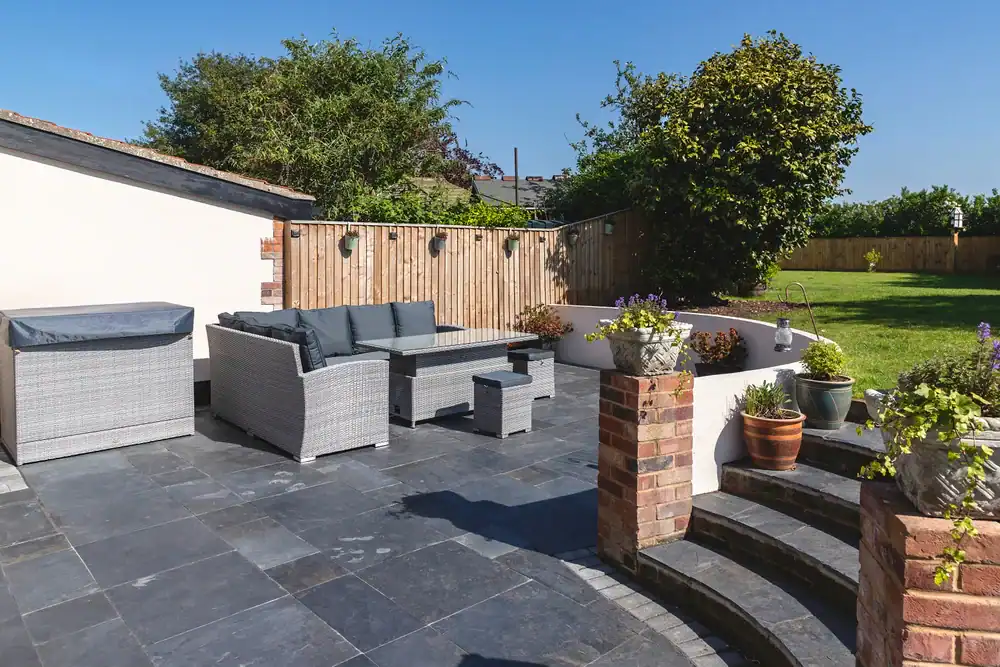
You’re tired of looking at that concrete slab. Or maybe you’ve got grass where you’d rather have a real outdoor living space. Either way, you want something that looks good, holds up, and doesn’t turn into a maintenance nightmare.
Patio pavers give you that. They handle Florida’s weather better than concrete ever will. No cracking from temperature swings. No pooling water after heavy rain. Just a stable, attractive surface that stays cooler underfoot even in July.
The right patio changes how you use your yard. Suddenly you’ve got space for furniture that doesn’t sink into the ground. Room to grill without worrying about the mess. A spot where your family actually wants to hang out. And when it’s time to sell, buyers notice. Professional patio paver installation in Inverness Highlands South, FL typically returns over 100% of what you invest.
We’re a family-owned patio paver contractor that’s been serving Inverness Highlands South and Citrus County for nearly 30 years. We know the soil conditions here. We know how water moves through properties in this area. We know what works and what fails.
We’re authorized contractors for Tremron, Belgard, and Flagstone. That means we install to manufacturer standards and you get real warranties. We’re also the only Seal ‘n Lock distributor in the county, so your pavers get protection that actually lasts.
You’ll talk directly to people who do the work. No call centers. No runaround. Just straightforward communication about what your project needs and what it’ll take to do it right.
First, we look at your space. Not just measurements—we’re checking drainage, soil conditions, how water currently moves across your property. In Inverness Highlands South, sandy soil and Florida’s rainy season mean drainage isn’t optional. It’s the difference between a patio that lasts decades and one that sinks in five years.
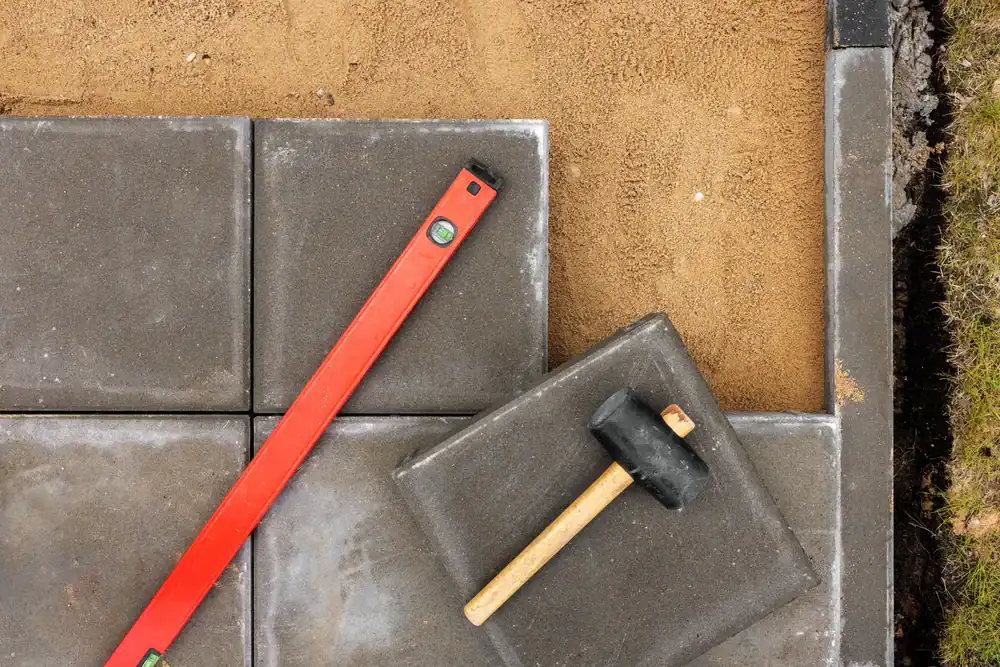
Next comes base preparation. This is where most contractors cut corners and where most patio failures start. We excavate to proper depth, install the right base materials, and compact everything to manufacturer specs. Boring? Yes. Critical? Absolutely.
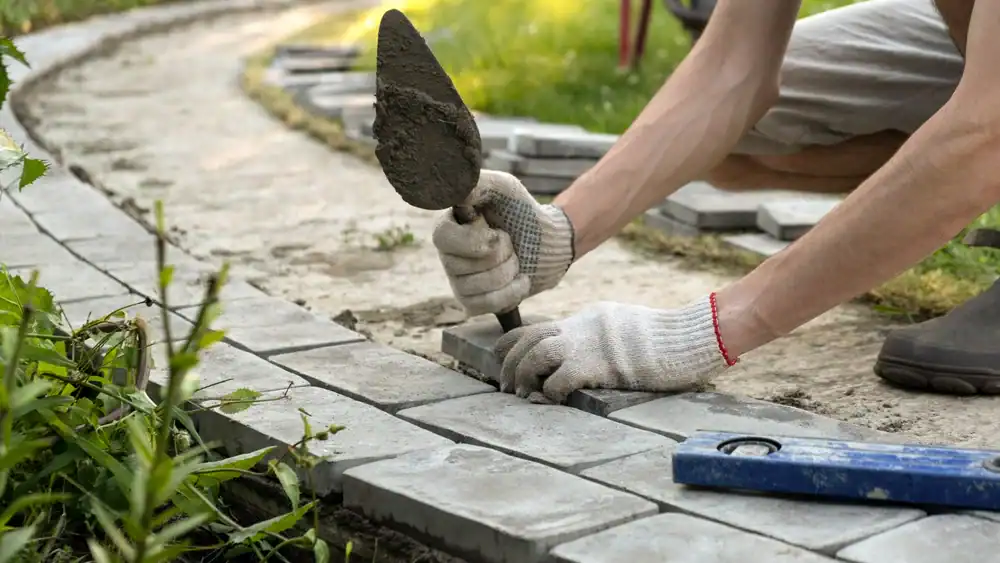
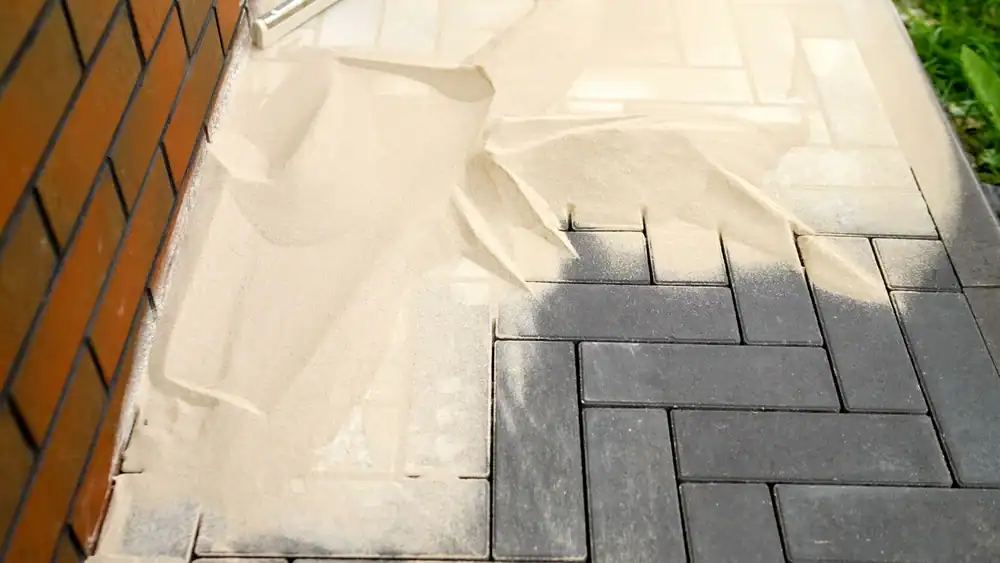
Then we install your pavers. We’re talking about precise placement, proper spacing, and edge restraints that actually hold. Once pavers are set, we add polymeric sand to lock everything together, then seal the surface to protect against stains, fading, and weather damage.
You can use your new patio immediately. No curing time. No waiting weeks to put furniture out. And if you ever need a repair—say a pipe breaks underneath—we can lift and replace individual pavers without tearing up the whole thing.
Ready to get started?
Your patio paver installation includes proper site preparation, which matters more than most people realize. We’re excavating to the right depth for Citrus County’s soil conditions, installing a compacted base that won’t shift, and building in drainage that handles Florida’s intense rainfall. This is the foundation that determines whether your patio lasts three years or thirty.
You get pavers from manufacturers we’re actually authorized to install—Tremron, Belgard, or Flagstone. That means you’re choosing from materials specifically engineered for Florida’s climate. Concrete pavers that resist fading. Travertine that stays cooler underfoot. Brick pavers with the slip resistance you need around pools and high-traffic areas.
We handle edge restraints, polymeric sand application, and professional sealing. These aren’t extras. They’re what keeps your patio from spreading, shifting, or growing weeds between every stone. And because we’re local to Inverness Highlands South, we understand HOA requirements, local building codes, and the specific challenges properties face in this area. We’ve been doing this here since 1995, so we’ve seen what works and what doesn’t.
Most patio installations take three to five days, but your timeline depends on size, complexity, and weather. A straightforward 12×16 patio with good drainage might be done in three days. A larger space with custom patterns, multiple levels, or drainage corrections takes longer.
Weather affects the schedule more than most people expect. We can’t compact base materials in heavy rain, and we won’t install pavers on saturated ground. In Inverness Highlands South, afternoon storms during summer mean we often start early and work around Florida’s weather patterns.
The actual installation is just part of your timeline. We need time for site assessment, material ordering, and sometimes permits. Rush jobs lead to problems. You want this done right, which means giving each phase the time it needs.
Pavers flex. Concrete doesn’t. That’s the short answer. Florida’s temperature swings, ground movement, and sandy soil cause concrete to crack. Pavers move independently, so they adapt instead of breaking.
Drainage is the other big difference. Water filters through the joints between pavers, which matters during Citrus County’s rainy season. Concrete forces water to run off, often toward your foundation. Properly installed patio pavers in Inverness Highlands South let water drain where it should.
Repairs tell the real story. When concrete cracks, you’re looking at replacement or ugly patches. When a paver needs replacement—maybe a pipe breaks underneath or one stone chips—you lift that section, fix the problem, and put the same pavers back. It looks identical to before. And pavers stay cooler underfoot than concrete, which makes a real difference when you’re barefoot in July.
Expect to invest between $15 and $30 per square foot for quality installation in Inverness Highlands South, FL. That range covers materials, proper base preparation, labor, and sealing. A typical 200-square-foot patio runs $3,000 to $6,000.
What drives the price? Material choice makes a difference—basic concrete pavers cost less than travertine or premium Tremron products. Site conditions matter too. If we’re correcting drainage, removing old concrete, or working around mature trees, that adds time and materials. Complex patterns and custom designs take longer to install than standard layouts.
The lowest bid usually means shortcuts. Inadequate base preparation. Cheap materials. No proper drainage. Those patios fail within a few years, and fixing them costs more than doing it right the first time. You’re better off investing in installation that lasts than paying twice to fix cheap work.
Yes, and here’s why. Sealing protects pavers from stains, prevents color fading from UV exposure, and keeps sand from washing out of joints. In Florida’s climate, unsealed pavers deteriorate faster. You’ll see more fading, more weed growth between stones, and more staining from organic matter.
We seal pavers after installation, but that’s not a lifetime solution. Depending on traffic and sun exposure, you’ll want to reseal every one to three years. High-traffic areas near grills or pools need more frequent attention. Shaded patios in Inverness Highlands South might go longer between applications.
Sealing isn’t complicated, but it needs to be done right. The surface must be completely clean and dry. The wrong sealer or poor application creates a hazy finish that’s worse than no sealer at all. Most homeowners either hire it done or learn the process once and handle it themselves going forward.
Concrete pavers, brick pavers, and travertine all perform well here, but each has specific advantages. Concrete pavers offer the most design flexibility—unlimited colors, patterns, and shapes. They’re durable, cost-effective, and handle Florida’s weather without issues. Most of our installations use concrete pavers because they deliver the best combination of performance and value.
Travertine stays noticeably cooler underfoot, which matters if you’re barefoot on your patio during summer. It’s naturally slip-resistant even when wet, making it popular around pools. The tradeoff is cost—travertine runs higher than concrete options.
Brick pavers give you that classic look and they’re incredibly durable. They handle heavy loads without cracking and they age well. The color palette is more limited than concrete pavers, but if you want that traditional brick appearance, nothing else looks quite the same. What doesn’t work well here? Cheap pavers without proper ratings for Florida’s climate. We only install materials from manufacturers we’re authorized to work with—Tremron, Belgard, and Flagstone—because we’ve seen how they perform long-term in Citrus County.
Sometimes, but it depends on the concrete’s condition. If your existing slab is level, stable, and has proper drainage, we can overlay pavers on top. This saves the cost and mess of concrete removal. You end up with a new surface without the excavation work.
But if that concrete is cracked, settling, or draining poorly, overlaying pavers just transfers those problems to your new patio. You’ll see the same settling, the same drainage issues, the same cracks telegraphing through. In those cases, removal makes more sense. Yes, it costs more upfront. But you get a properly built base that’ll last decades instead of a temporary fix over a failing foundation.
We assess this during the initial site visit. We’re looking at crack patterns, drainage flow, and how the slab has held up. In Inverness Highlands South, sandy soil and ground movement mean many older concrete patios aren’t good candidates for overlay. When they’re not, we’ll tell you straight. Better to know upfront than discover the problem after installation.
Useful Links
Other Services we provide in Inverness Highlands South