
You’ve watched neighbors scramble after every storm. Uprooted trees blocking driveways. Flowerbeds turned into mud pits. Weeks of cleanup and thousands in replanting costs.
That cycle ends when your landscape is designed for Florida from the start. We’re talking Live Oaks and Sabal Palms that bend instead of snap. Drainage systems that handle six inches of rain without turning your yard into a swamp. Hardscaping that stays put when winds hit 100 mph.
Your lawn won’t be the one with the HOA notice taped to the mailbox. Your irrigation won’t be the one flooding the street because it wasn’t installed to code. And you won’t be calling a cleanup crew every September.
Mainstreet Landscaping is family-owned, Coleman-based, and we’ve spent nearly 30 years learning what works in Citrus County. We’re not a franchise. We’re not seasonal. We’re the crew that shows up after hurricanes to help neighbors clear debris—because this is our community too.
We’re state-licensed for irrigation. Authorized contractors for Tremron, Belgard, and Flagstone pavers. The only Seal ‘n Lock distributor in the county. That’s not bragging—it’s proof we do this right, and manufacturers trust us to represent their products.
You’ll work directly with people who live here, know the soil conditions, understand the permitting process, and have watched Coleman grow for three decades.
We start with a site visit. You show us the problem areas—where water pools, where grass won’t grow, what got damaged last storm season. We assess soil type, sun exposure, drainage flow, and any code requirements for your property.
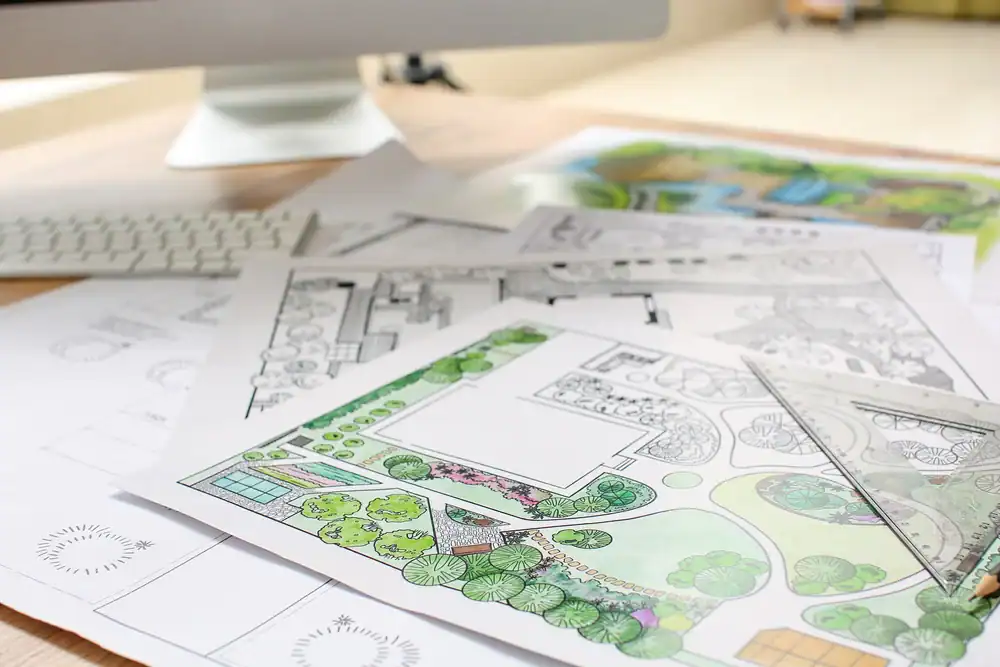
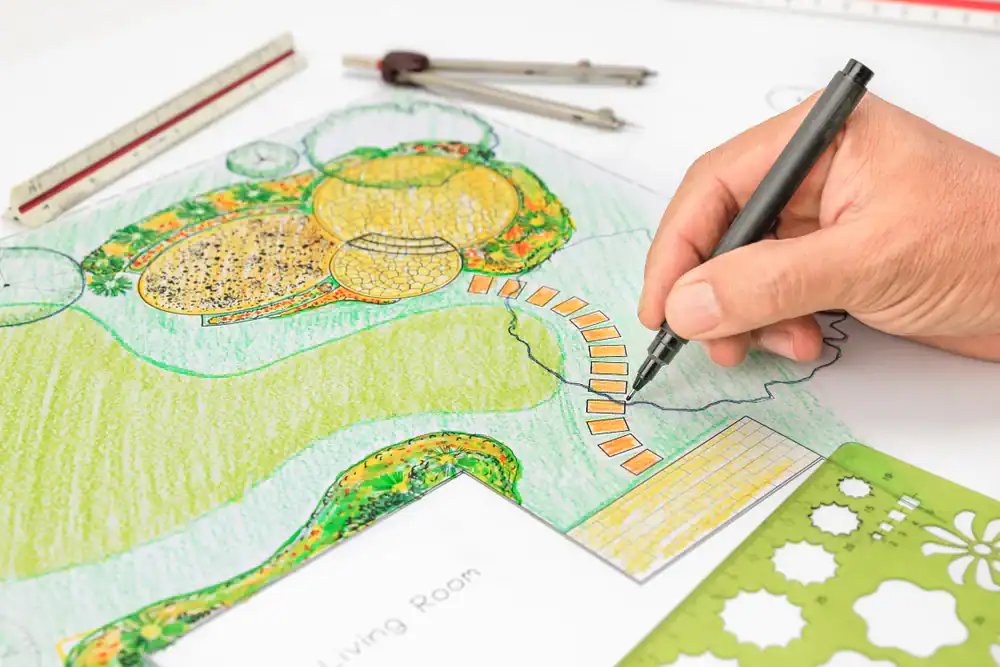
Then we design. You’ll see drawings that show plant placement, hardscape layout, irrigation zones, and grading plans. Everything is selected for Florida’s climate—native species, wind-resistant trees, low-maintenance groundcover. No guessing if it’ll survive here.
Installation comes next. Our licensed crews handle everything: grading, drainage correction, irrigation system setup, hardscaping, planting. We pull permits where required. We use equipment that won’t tear up your existing lawn.
Once it’s in, we walk you through maintenance basics. What to water, when to trim, how the irrigation timer works. You’re not left figuring it out on your own.
Ready to get started?
Site analysis comes first—soil testing, drainage evaluation, sun and shade mapping. Coleman sits on Myakka sand, which is nutrient-poor and drains fast. We account for that in every design so your plants actually get what they need to establish roots.
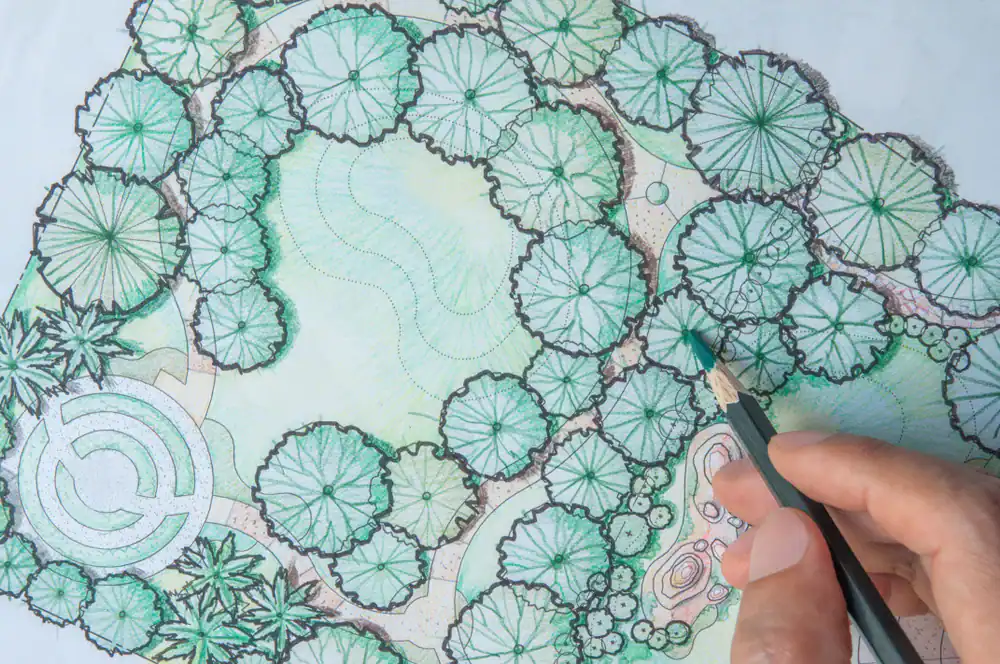
You’ll get custom design drawings that show plant species, hardscape materials, irrigation layout, and grading plans. We select Florida-Friendly plants suited to your specific zone—things like Coontie, Muhly Grass, and Firebush that need minimal water once established and won’t die in a freeze.
Hardscaping options include paver driveways, walkways, pool decks, retaining walls, and fire features. We install Tremron, Belgard, and Flagstone products with proper base prep so they don’t shift or sink during heavy rains.
Irrigation systems are designed and installed by our state-licensed crews. That means proper backflow prevention, zone coverage that doesn’t waste water, and compliance with Florida regulations. You won’t get fined, and your water bill won’t skyrocket.
Native and Florida-adapted species handle high winds better than ornamentals shipped in from other climates. Live Oak, Southern Magnolia, and Sabal Palm have deep root systems and flexible trunks that bend instead of snapping when winds exceed 75 mph.
For shrubs and groundcover, we use Coontie, Simpson’s Stopper, and Muhly Grass. These stay low to the ground, recover quickly from salt spray, and don’t require staking or extensive cleanup after storms. They’re also drought-tolerant once established, which matters during Florida’s dry season.
Avoid shallow-rooted trees like Laurel Oak or anything with brittle wood. They’re the ones you see blocking roads after every major storm. If a plant needs constant propping up or can’t handle occasional flooding, it doesn’t belong in a Coleman landscape.
We start by identifying where water flows during a storm—low spots, areas near downspouts, sections that stay soggy for days. Then we regrade to redirect water away from your foundation and high-traffic areas. Sometimes that means installing French drains or catch basins to move water off the property faster.
Plant selection plays a role too. We group plants by water needs, putting flood-tolerant species in low areas and drought-resistant ones on higher ground. Rain gardens with native plants like Blue Flag Iris or Swamp Sunflower can absorb runoff naturally without creating a maintenance headache.
For hardscaping, we use permeable pavers in driveways and walkways so water soaks through instead of pooling on the surface. Proper base preparation—compacted limestone and sand layers—keeps everything stable even when the ground is saturated. You won’t see shifting or sinking after a few rainy seasons.
St. Augustine needs consistent moisture, rich soil, and regular feeding—none of which Coleman’s sandy Myakka soil provides naturally. It’s also prone to chinch bugs, brown patch fungus, and gray leaf spot, all of which thrive in Florida’s humidity. Most homeowners end up watering daily, treating for pests monthly, and still dealing with brown patches.
If you’re set on grass, Bahia or Zoysia handle heat and drought better with less maintenance. But for large areas, we often recommend reducing turf coverage altogether. Replacing high-maintenance grass with native groundcovers, mulched beds, or hardscaping cuts water use and eliminates the constant battle to keep it green.
You’ll also avoid HOA notices. Many Coleman homeowners get violation letters because their St. Augustine can’t keep up with Florida’s conditions. Switching to lower-maintenance options means your yard looks good year-round without the weekly stress.
Florida law requires anyone installing, altering, or repairing irrigation systems to hold a state license or work under someone who does. That’s not a suggestion—it’s enforced. Unlicensed installations can result in fines, and your homeowner’s insurance may not cover damage caused by faulty work.
Licensed contractors know backflow prevention requirements, proper zone coverage, and how to avoid cross-contamination between irrigation and potable water. We also understand local permitting, which varies by county. In Citrus County, certain installations require inspections before you can turn the system on.
Beyond legal compliance, our licensed crews design systems that don’t waste water or create dry spots. You’ll have even coverage, rain sensors that actually work, and a setup that won’t flood your driveway every time it runs. It’s the difference between a system that lasts 15 years and one that needs repairs every season.
Design typically takes one to two weeks depending on property size and complexity. We’re measuring, testing soil, drafting layouts, and selecting plants that match your goals and budget. If permits are required—common for irrigation or significant grading—add another week for approval.
Installation varies widely. A front yard refresh with new plantings and mulch might take two to three days. A complete overhaul with regrading, irrigation, hardscaping, and extensive planting can run three to four weeks. Weather delays happen in Florida, especially during summer storm season.
We’ll give you a timeline upfront based on your specific project. Larger jobs get broken into phases so you’re not looking at a torn-up yard for months. And we don’t disappear between phases—our crews show up when scheduled, finish the work, and clean up daily so your property stays functional.
Upfront, hurricane-resistant design costs 15-25% more because you’re using larger root-ball trees, better drainage infrastructure, and higher-grade hardscape installation. A standard landscape might run $8,000 for a typical Coleman property. A storm-ready version of the same project could hit $10,000.
But factor in replacement costs. If you replant after every major storm—new trees, new sod, cleanup crews—you’re spending $2,000 to $5,000 each time. Over ten years, that’s $10,000 to $25,000 in repairs. The hurricane-resistant design pays for itself after the first storm you don’t have to recover from.
You also avoid the time cost. No scrambling for contractors when everyone else is calling them too. No waiting months for replanting because nurseries are sold out. Your landscape stays intact, and you move on with your life while neighbors are still dealing with debris.
Useful Links
Other Services we provide in Coleman