Not all pavers handle Florida's heat and humidity the same way. Learn which materials stay cooler, last longer, and actually deliver on their promises.
Share:
Summary:
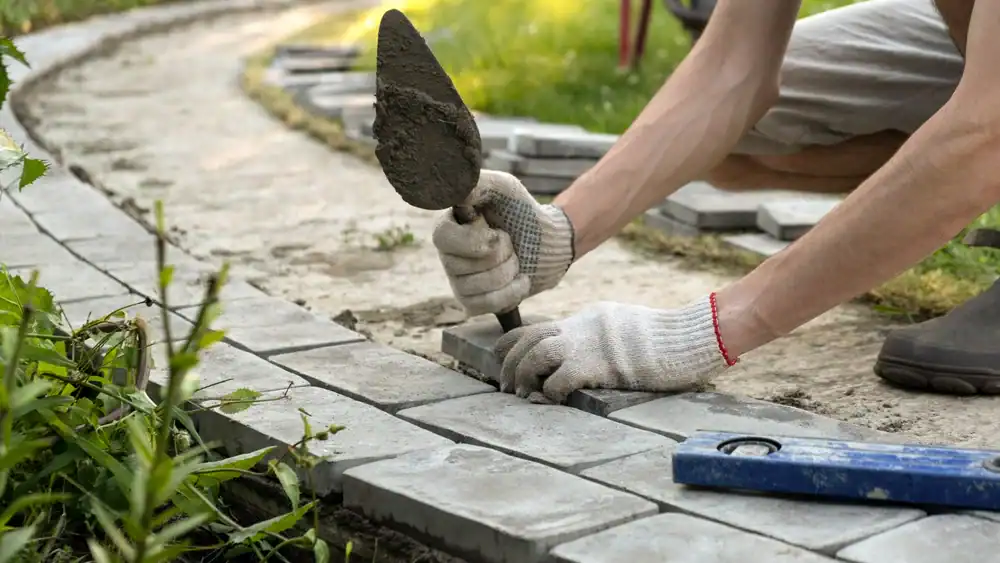
Pavers aren’t all created equal, and that matters more than most people realize before they start a project. The material you choose determines how hot your patio gets in July, whether water drains properly during afternoon storms, and if you’re replacing cracked pieces in five years or still enjoying a flawless surface in fifty.
Four main types dominate the market: concrete, brick, natural stone, and porcelain. Each brings specific strengths to the table. Each has limitations that matter depending on your situation. Understanding what separates them helps you match the right material to your actual needs instead of just picking whatever looks good in a showroom.
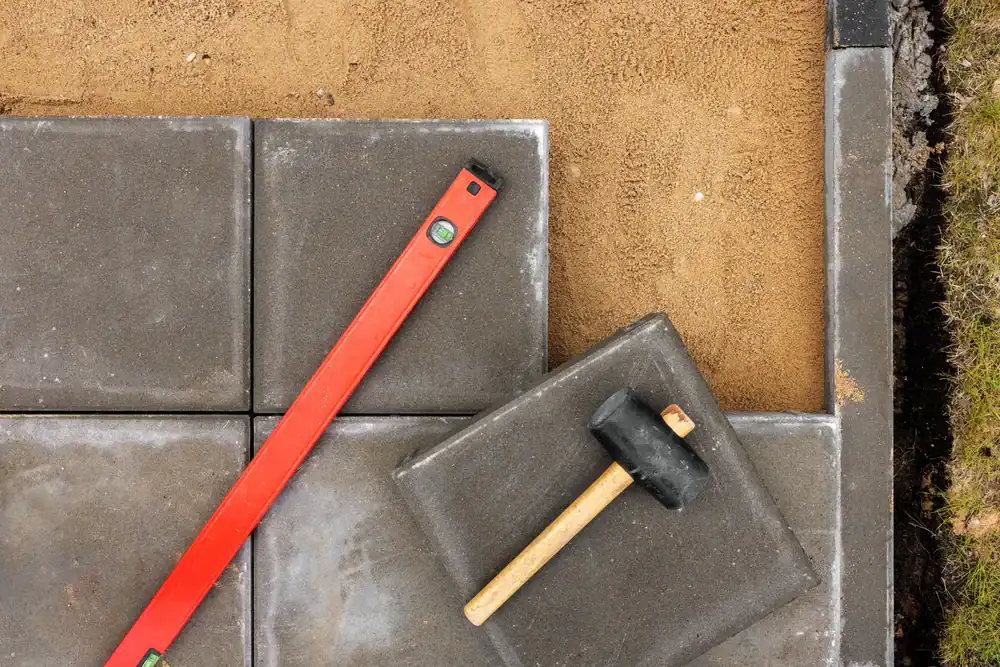
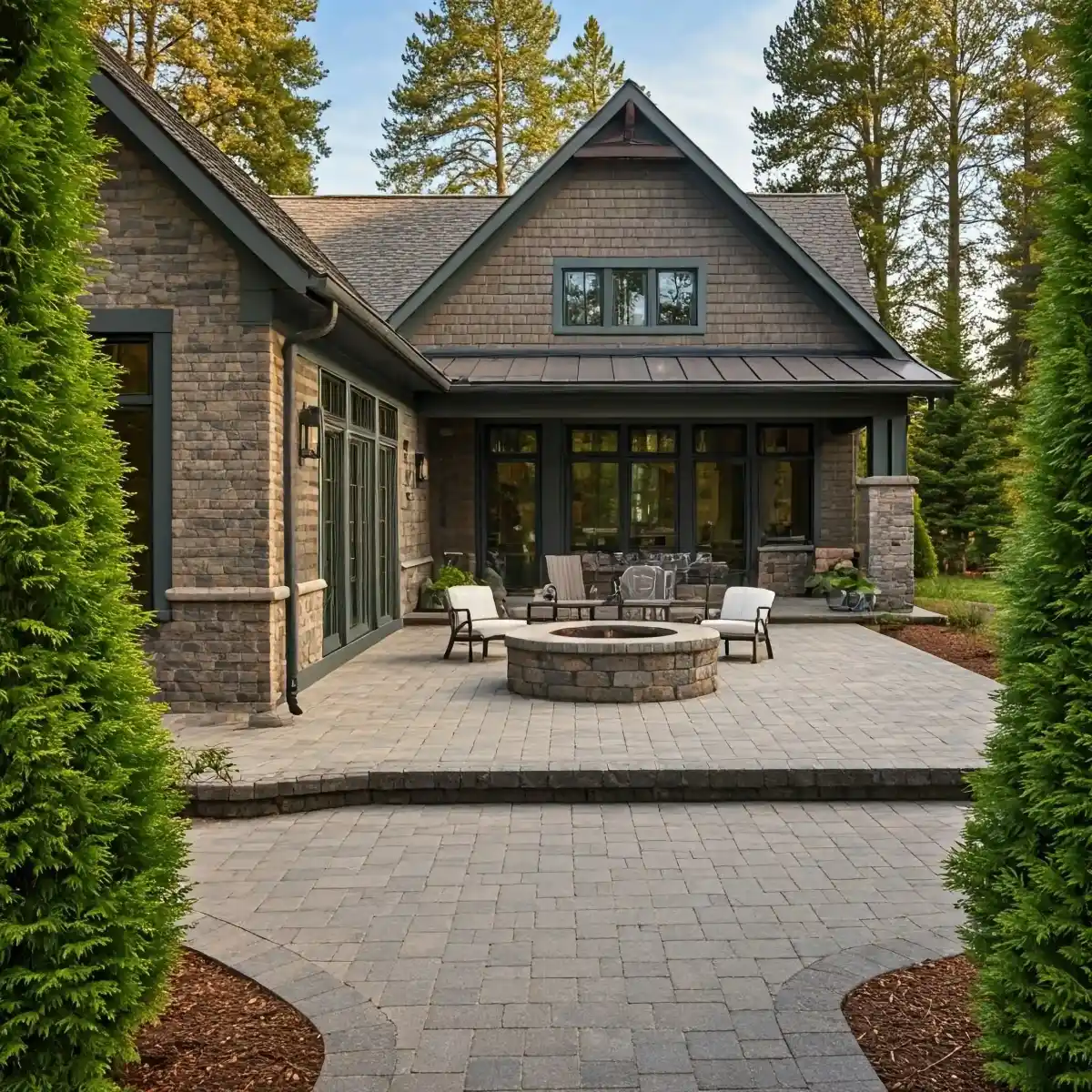
Concrete pavers are the workhorses of outdoor projects. They’re manufactured in molds, which means you get consistent sizing and the ability to create virtually any shape, color, or texture you can imagine. Want pavers that look like natural stone without the premium price tag? Concrete can do that. Prefer a sleek modern look with clean lines? Also possible.
The affordability factor makes concrete appealing. Material costs typically run between two and eight dollars per square foot, putting them within reach for most budgets. That range exists because basic options cost less while premium designs with intricate textures or multiple color blends push toward the higher end.
Durability is solid when installation is done right. Concrete pavers handle Florida’s weather reasonably well, resisting the kind of cracking you see with poured concrete slabs. They’re strong enough for driveways and high-traffic areas. If one gets damaged, you replace that single piece instead of tearing out an entire section.
The trade-offs center on maintenance and appearance over time. Concrete pavers can fade with years of UV exposure if you skip sealing. They absorb some moisture, which means they need periodic resealing to prevent stains and maintain their look. Without that maintenance, you’ll notice the color washing out and the surface looking tired after several years.
Heat retention is moderate. Concrete pavers get warm in direct sun, though not as intensely as some materials. Choosing lighter colors helps significantly—beige and gray tones reflect more heat than darker options. For pool decks or areas where people walk barefoot frequently, this becomes an important consideration.
The versatility concrete offers makes it popular for good reason. You can mix different sizes to create patterns, add borders in contrasting colors, or keep things simple with a uniform look. That flexibility lets you start with a basic patio now and potentially expand later using matching materials, assuming the manufacturer hasn’t changed their color formulas.
Brick pavers bring a classic look that never really goes out of style. Made from clay that’s fired in kilns at extremely high temperatures, they develop a hardness and color retention that outlasts many alternatives. The warm earth tones—reds, browns, and terracotta shades—create that traditional aesthetic people associate with established homes and well-maintained properties.
Durability is where brick really shines. These pavers maintain their color naturally because the hue runs through the entire piece, not just on the surface. Decades of sun exposure won’t fade them the way it affects some concrete options. They’re dense and strong, handling heavy loads without cracking under pressure. For driveways or areas that see vehicle traffic, brick pavers deliver reliable performance.
The installation process requires skill but results in a stable surface that can last generations. Brick pavers interlock when laid properly, creating a system that moves slightly with ground shifts instead of cracking. That flexibility matters in Florida where sandy soil and moisture cause settling. A well-installed brick patio or walkway can easily outlive the house it’s attached to.
Color and design options are more limited compared to concrete. You’re working primarily with shades of red and brown, though some manufacturers offer blends that create subtle variations. The shapes tend toward traditional rectangles and squares rather than the irregular or contemporary profiles available in concrete. If you’re after a specific modern look, brick might not deliver what you’re picturing.
Cost falls in the middle range, typically between six and ten dollars per square foot for materials. That’s more than basic concrete but less than premium natural stone. The investment makes sense when you factor in the longevity—brick pavers that are installed correctly can last fifty years or more without needing replacement.
Heat management with brick is decent. They warm up in direct sunlight but don’t reach the uncomfortable temperatures that darker concrete or certain stone types can hit. The texture provides good traction even when wet, making them a safer choice around pools or in areas that get frequent rain exposure.
Maintenance stays minimal once they’re in place. You’ll want to seal them initially and reseal every few years to protect against moisture infiltration and make cleaning easier, but brick doesn’t demand constant attention. Weeds can grow between joints if you skip proper sand application, though using polymeric sand largely solves that issue.
Want live answers?
Connect with a MainStreet Landscaping expert for fast, friendly support.
Natural stone pavers occupy the premium end of the spectrum for good reason. Materials like travertine, flagstone, limestone, and granite come directly from quarries, bringing unique textures and color variations that manufactured options can’t replicate. No two stones look identical, which creates visual interest that elevates the entire outdoor space.
The aesthetic appeal is undeniable. Natural stone has a high-end look that immediately registers as quality. It complements Florida’s natural landscape beautifully, blending with tropical plantings and creating spaces that feel organic rather than manufactured. For homeowners focused on curb appeal and property value, natural stone delivers impact that’s hard to match.
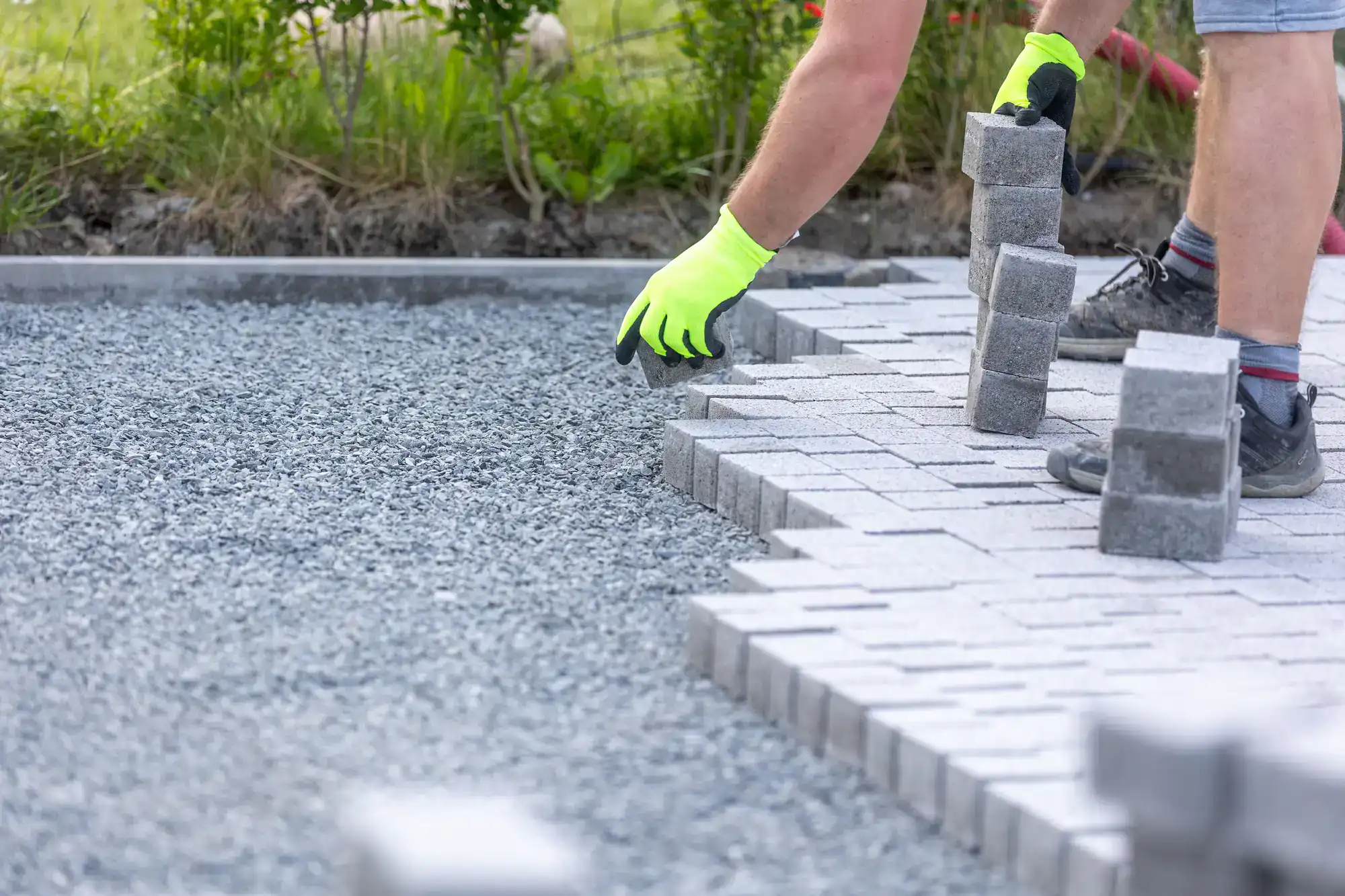
Travertine stands out as particularly well-suited for Florida’s brutal heat. This limestone-based stone has a porous structure that dissipates heat instead of holding onto it. While concrete pavers might reach temperatures that make walking barefoot uncomfortable, travertine stays noticeably cooler even in direct afternoon sun. That characteristic alone makes it worth considering for pool decks and patio areas where people will be barefoot.
The natural texture provides excellent slip resistance when wet, which matters around pools and during Florida’s frequent rain. The surface has enough grip to prevent accidents without feeling rough or abrasive underfoot. Many homeowners specifically choose travertine for pool surrounds because it checks both the safety and comfort boxes simultaneously.
Color options in travertine lean toward warm neutrals—beiges, tans, ivories, and light golds. These lighter tones enhance the heat-reflective properties while creating a bright, open feel in outdoor spaces. The natural variation in the stone means you get subtle shifts in color across the surface rather than a uniform appearance, adding visual depth without looking busy.
Durability is strong when travertine is properly sealed and maintained. The porous nature that keeps it cool also means it can absorb moisture if left unsealed, potentially leading to staining or erosion over time. Sealing the stone initially and reapplying every couple of years protects against these issues while making cleaning significantly easier.
Cost reflects the premium positioning—expect to pay between eight and fifteen dollars per square foot for materials, with installation adding to that. The investment makes sense for areas where heat management matters most. Trying to save money by using cheaper materials for a pool deck often backfires when the surface becomes too hot to use during the months you’d actually want to enjoy it.
Installation requires professional expertise. The irregular shapes and varying thicknesses of natural travertine pieces mean you can’t just lay them down and expect good results. Proper installation involves careful selection and placement to create a level surface with appropriate drainage, plus the right base preparation to prevent settling. This isn’t a DIY-friendly material for most homeowners.
Maintenance stays manageable with the right approach. Regular sweeping prevents dirt buildup in the textured surface. Occasional pressure washing keeps it looking fresh. Resealing every two to three years maintains protection and makes stain removal easier if spills happen. The effort required is reasonable considering the performance benefits travertine delivers in Florida’s climate.
Flagstone brings a more rustic, irregular aesthetic compared to travertine’s refined look. These flat stones come in various sizes and shapes, typically laid with wider joints that can be filled with gravel, moss, or ground cover plants. The result feels more organic and casual, working particularly well in garden settings or properties with a natural landscaping style.
Limestone pavers offer good heat resistance similar to travertine, staying relatively cool underfoot. They come in lighter colors that reflect sunlight effectively. The smooth surface can be more formal than flagstone’s rough texture, fitting well with contemporary or Mediterranean architectural styles. Limestone does require sealing to protect against Florida’s acidic rain and humidity, which can cause erosion over time without proper protection.
Granite represents the most durable natural stone option. It’s extremely hard, resistant to scratching and chipping, and handles heavy traffic without showing wear. The color range includes grays, blacks, browns, and even some reds depending on the quarry source. Granite stays cooler than concrete but not quite as cool as travertine or limestone. The primary drawback is cost—granite typically runs at the higher end of natural stone pricing.
Sandstone brings warm earth tones and a textured surface with excellent slip resistance. It’s porous like travertine, absorbing water well, which makes it popular for pool areas where you want quick drying after swimmers exit. The porosity also means it requires consistent sealing to prevent staining and maintain its appearance over time.
All natural stone options share some common considerations. They’re heavier than manufactured pavers, which affects both shipping costs and installation difficulty. The irregular shapes and varying thicknesses mean installation takes longer and requires more skill to achieve a level, stable surface. You’re paying for both premium materials and the expertise needed to install them correctly.
The longevity of natural stone justifies the investment for many homeowners. These materials can last a century or more when properly installed and maintained. They don’t fade, degrade, or lose their appeal over time the way some manufactured options might. For someone planning to stay in their home long-term or focused on maximizing property value, natural stone delivers returns that extend far beyond the initial project.
Choosing pavers comes down to matching material characteristics with your specific situation. A pool deck has different requirements than a driveway. A shaded patio doesn’t need the same heat management as a space in full sun. Your budget, maintenance willingness, and aesthetic preferences all factor into which option makes the most sense.
For areas where heat matters—pool decks, patios where you’ll be barefoot, walkways connecting outdoor spaces—travertine or light-colored concrete pavers deliver the comfort you need. For driveways and high-traffic zones, brick or concrete pavers provide the strength and durability to handle the load. For maximum visual impact and long-term value, natural stone options like flagstone or limestone create spaces that genuinely stand out.
The installation quality matters as much as the material choice. Proper base preparation, correct drainage slope, appropriate edge restraints, and skilled placement determine whether your pavers still look great in twenty years or start failing in three. Working with experienced contractors who understand Florida’s specific challenges—sandy soil, heavy rain, ground movement—protects your investment and ensures the results match your expectations.
If you’re ready to move forward with a paver project that’s built right from the start, we’ve been creating outdoor spaces in Citrus County since 1995. As authorized contractors for Tremron, Flagstone, and Belgard, we bring both the material expertise and installation experience to deliver results that last.
Article details:
Share:
Continue learning: