
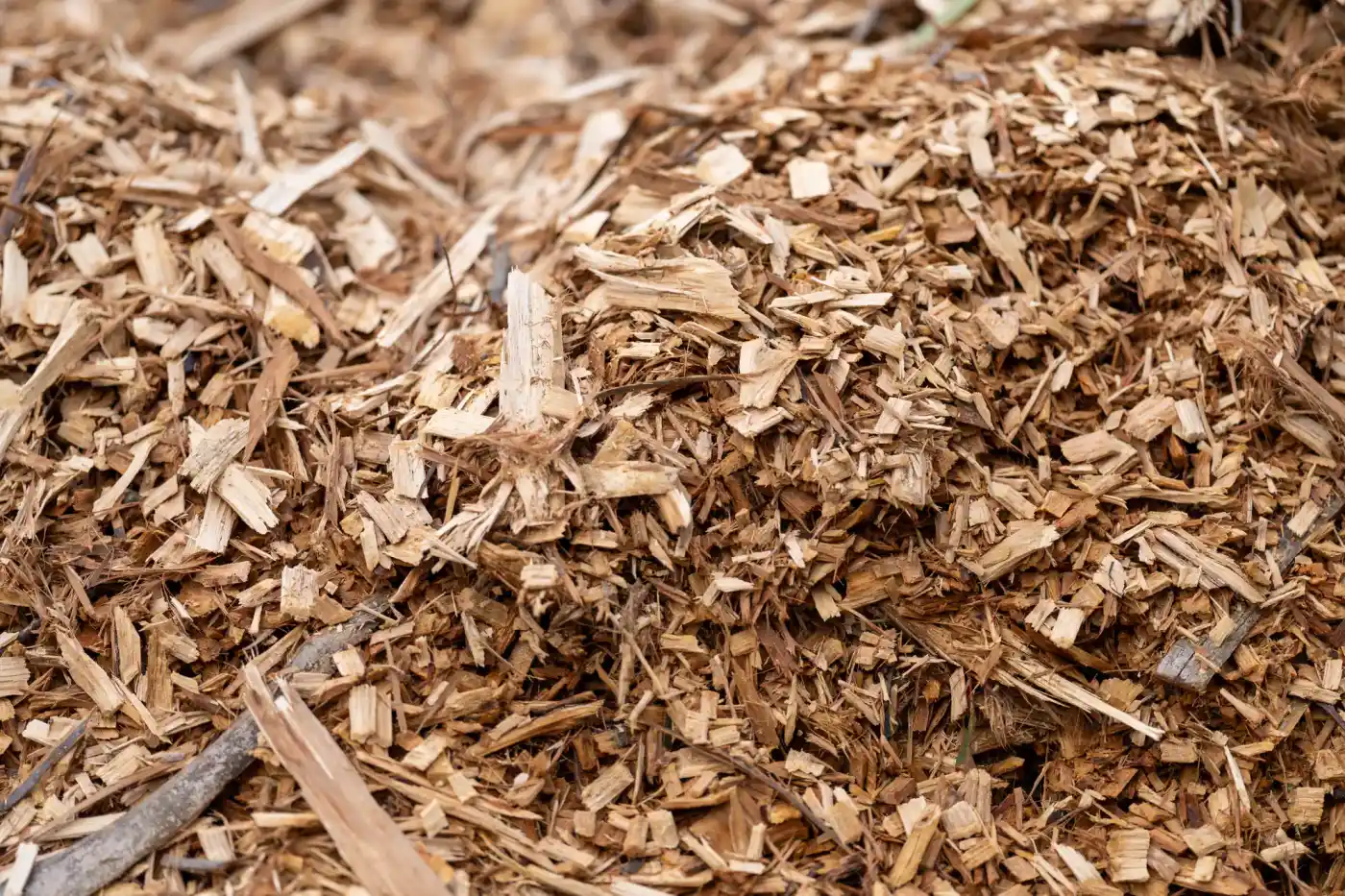
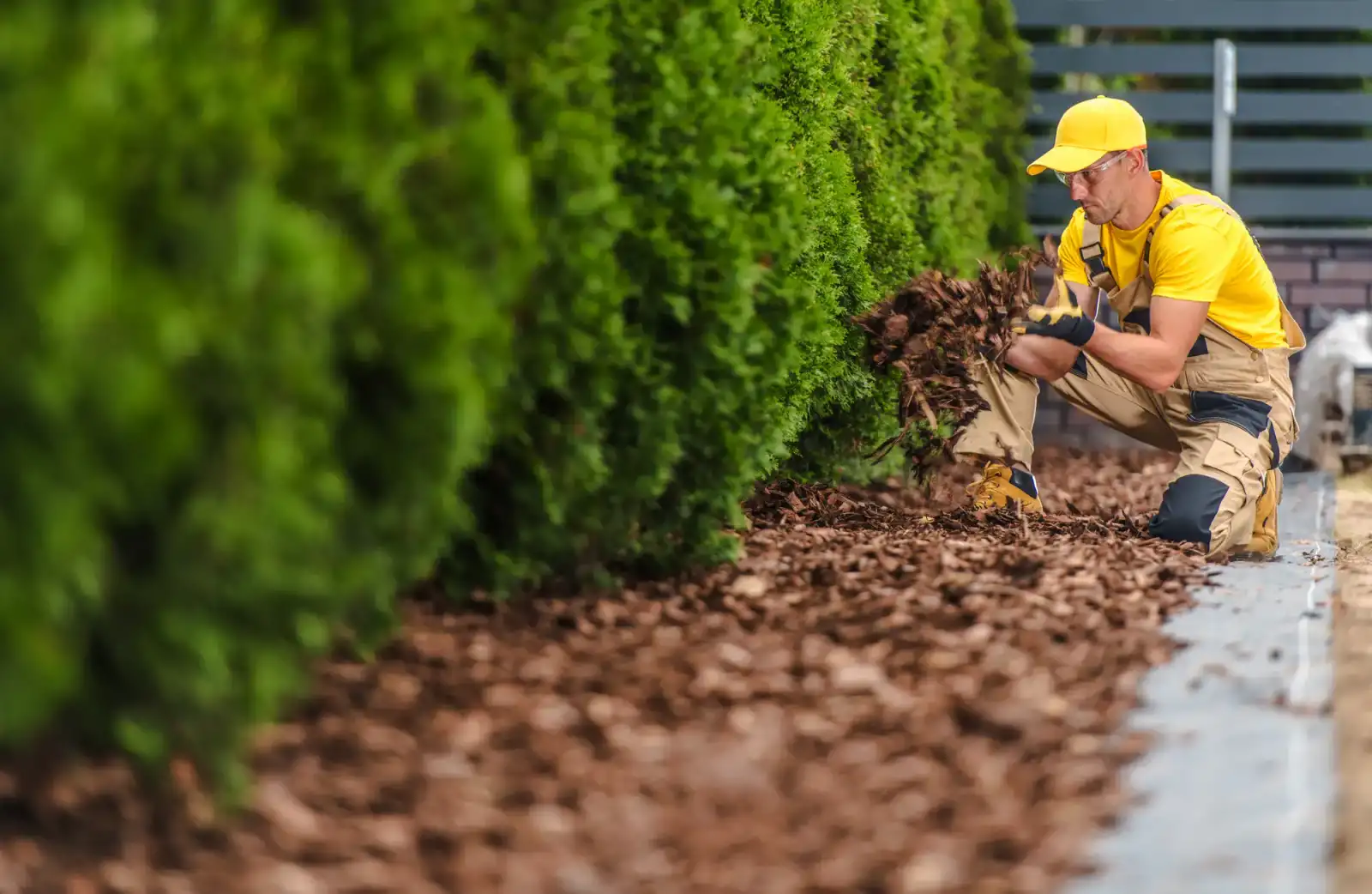
Most properties around Lake Kerr sit on sandy, fast-draining soil that doesn’t hold moisture or nutrients the way richer soils do. That’s the reality of living inside the Ocala National Forest corridor. When mulch is applied correctly — the right depth, the right product, the right clearance from your tree bases — your plants stop fighting the soil and start thriving in it. Beds stay moist longer between waterings. Root systems stay cooler through the brutal stretch from June through September. Weeds lose the foothold they’d otherwise find in exposed, bare ground.
There’s also the erosion piece, which matters more here than people expect. When the afternoon storms roll in during rainy season, that sandy soil around your waterfront or sloped beds moves. A properly installed layer of organic mulch slows that runoff, keeps your soil where it belongs, and protects the root systems you’ve spent time and money establishing. For homes on Lake Kerr or along the canal systems near Salt Springs, that protection isn’t a luxury — it’s maintenance that pays for itself.
And if you’re running a rental property on the lake, or you’re part of the Salt Springs Village community and just want the yard to look sharp without spending your weekend on it, fresh mulch is one of the fastest ways to make a property look cared for. It signals attention to detail before anyone even gets to the front door.
We’ve been working in north-central Florida since 1995. That’s three decades of navigating sandy soils, rainy seasons, unexpected freezes, and the specific challenges that come with maintaining properties in forested, ecologically sensitive areas like the Ocala National Forest corridor. We’re not figuring out Florida landscaping on your property.
The mulching work we do around Lake Kerr — from tree rings on waterfront lots to refreshing beds in Salt Springs-area homes — gets the same meticulous attention everywhere we work. Correct depth, proper trunk clearance, and the right organic product for your soil type. Those details aren’t extras. They’re the baseline. We also offer Military and First Responder discounts, because the people who serve this community deserve to be recognized in a real, practical way.
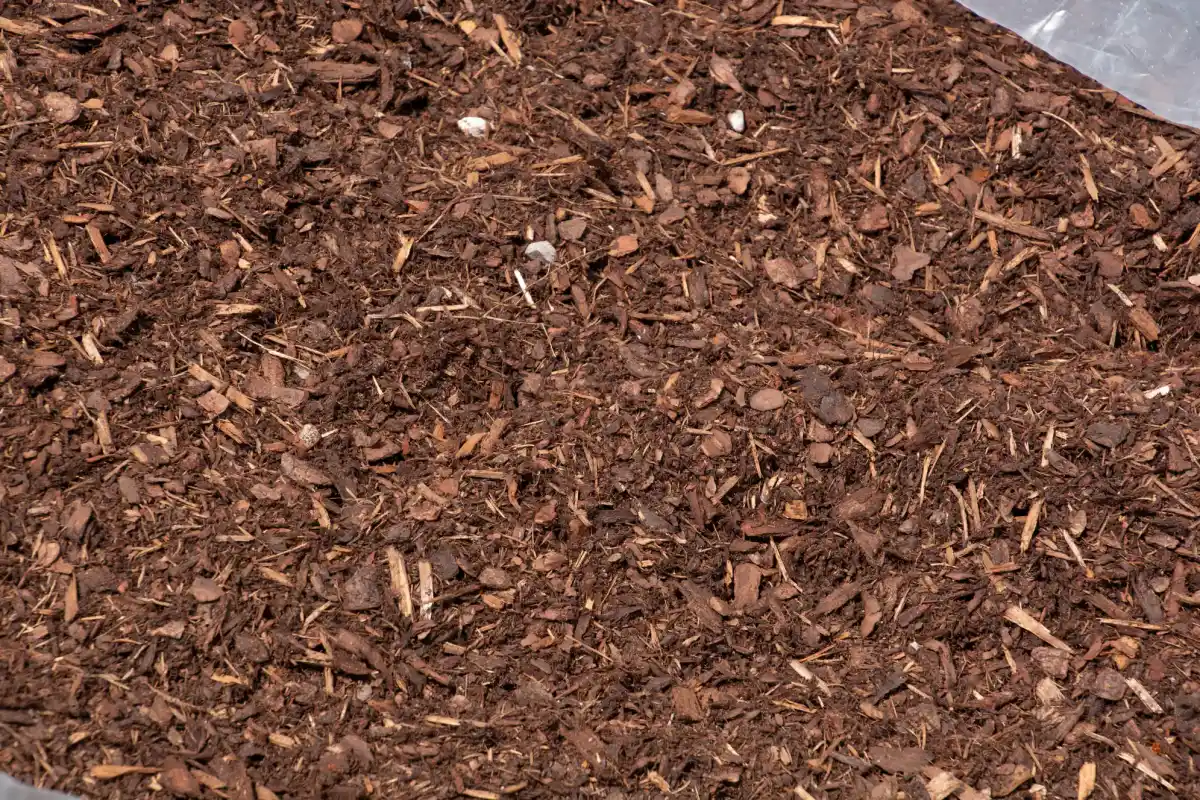
It starts with a straightforward assessment of your property. We look at what you’re working with — soil condition, existing plant material, bed layout, any drainage concerns — and figure out the right mulch type and depth for your specific situation. In the Lake Kerr area, that almost always means an organic option that will break down over time and actually improve the sandy soil beneath it, rather than just sitting on top of it.
From there, we prep the beds before anything goes down. That means clearing out debris, addressing any obvious weed pressure at the surface, and making sure the ground is ready to get the most out of the mulch layer. Then we apply it — typically two to four inches deep, which is the range UF/IFAS Extension recommends for Florida conditions — keeping it pulled back from the base of trees and shrubs to prevent moisture buildup against the bark. In this part of Marion County, where properties often border the forest edge and deal with constant weed seed pressure from surrounding vegetation, that full-coverage application makes a real difference.
When we’re done, the beds are clean, the depth is consistent, and the property looks like someone actually paid attention to it. No leftover debris, no mulch piled against your tree trunks, no half-covered areas. Just finished work you can see and trust.
Ready to get started?
Mulching in Lake Kerr isn’t the same as mulching a property in a suburban subdivision with rich, amended soil and a shaded yard. The sand scrub ecosystem that defines this part of Marion County creates specific challenges — rapid moisture loss, minimal organic matter in the native soil, intense UV exposure, and constant weed pressure from the surrounding Ocala National Forest. The landscape mulching service we provide here is built around those realities, not a generic checklist.
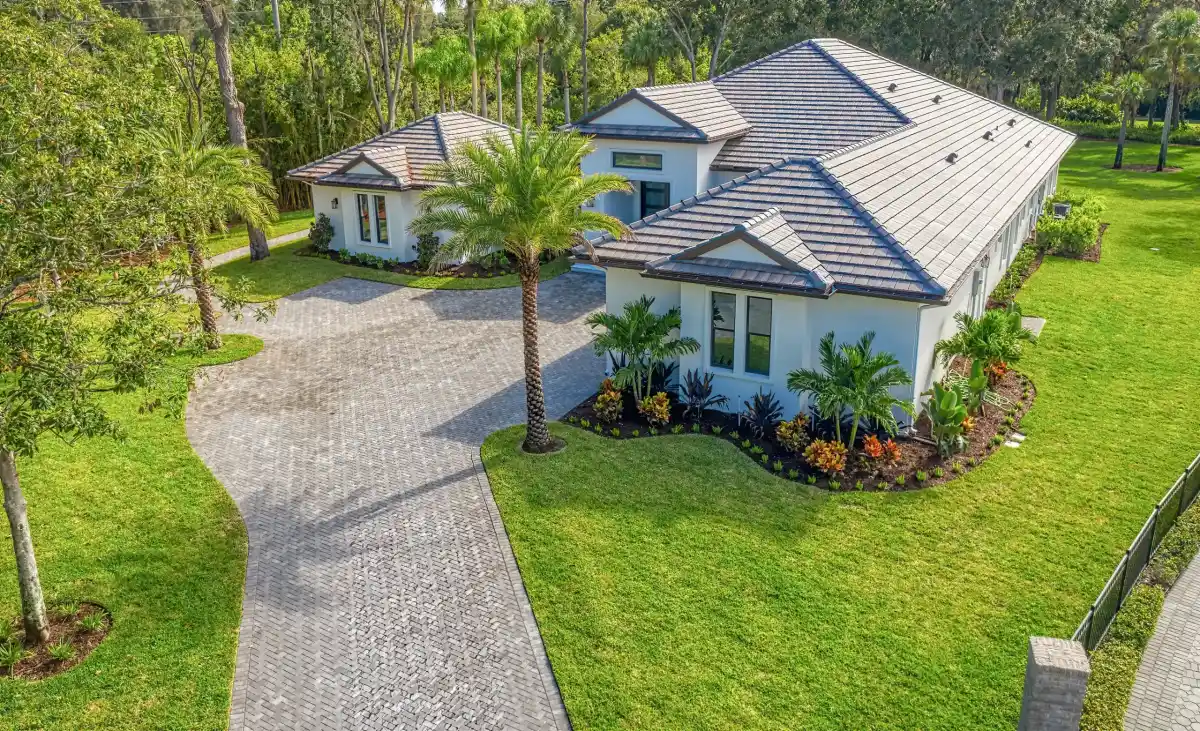
We select organic mulch products — bark, wood chips, or pine straw depending on your specific planting situation — that do double duty: they protect your plants now and improve your soil over time as they break down. For waterfront properties on Lake Kerr or Little Lake Kerr, we pay close attention to slope and drainage so the mulch layer stays where it’s put when the rainy season hits hard. For properties in the Salt Springs Village area or along CR 316 and SR 19, where mature trees and established ornamental beds are common, we work carefully around root zones and existing plantings to protect what’s already there.
There are no permits required for residential mulching in unincorporated Marion County, so the process is straightforward from start to finish. You reach out, we assess the property, and we get it done right.

Organic mulch — bark, wood chips, or pine straw — is the right call for the sandy scrub soils common throughout the Lake Kerr area. The reason is simple: organic materials break down over time and add organic matter back into the soil, which is exactly what fast-draining, low-nutrient sand needs. Rock or rubber mulch might look fine initially, but they don’t improve soil structure and can actually trap heat in Florida’s summer climate, which creates problems for plant roots rather than solving them.
For most properties in Lake Kerr, we lean toward bark mulch or wood chips for ornamental beds and tree rings — they hold moisture well, suppress weeds effectively, and decompose at a rate that keeps the soil improving season after season. Pine straw works well in certain situations too, particularly around acid-loving plants. The right choice depends on what you’re planting around and what your beds look like, which is why we assess each property before recommending anything.
For most properties in the Lake Kerr area, once a year is the practical baseline — typically in late winter or early spring before the heat and rainy season arrive. That timing puts a fresh protective layer in place right when your plants need it most: before temperatures climb and before the afternoon storms of June through September start hammering sandy soil and washing things around.
That said, some properties need a mid-year refresh, especially waterfront lots where heavy rain events can displace mulch on sloped areas near the lake or canal. If you’re maintaining a rental property on Lake Kerr or Little Lake Kerr and guests are coming through regularly, keeping the beds looking fresh matters for first impressions, which might mean a second application mid-season. We can walk through your specific property and give you an honest read on what makes sense — not a schedule designed to maximize service calls.
Yes — and it matters more here than it would in a typical suburban neighborhood. Properties that border or sit within the Ocala National Forest corridor deal with constant weed seed pressure from surrounding vegetation. Wind carries seeds from the forest edge into your beds year-round, and the bare sandy soil that’s common on Lake Kerr-area properties is extremely hospitable to weed germination. Without a consistent mulch layer, you’re fighting a losing battle.
A properly applied two-to-four-inch layer of organic mulch blocks light at the soil surface, which is what weed seeds need to germinate. It doesn’t eliminate every weed — nothing does — but it dramatically reduces the volume and makes the ones that do come through much easier to pull. The key is full, consistent coverage with no thin spots or gaps. That’s where professional application makes a real difference over a rushed DIY job, because partial coverage gives weeds exactly the opening they need.
A few things are worth knowing if you have mature trees on a lakefront or canal-adjacent property. First, the trunk clearance rule matters everywhere, but it’s especially important for trees in moist environments — mulch piled up against the base of a tree trunk traps moisture and creates conditions for rot and disease. UF/IFAS Extension recommends keeping mulch pulled back about two to three inches from the base of the trunk, and we follow that on every property we work.
Second, slope and drainage matter more on waterfront lots. If your property grades toward Lake Kerr or a canal, a heavy rain event can shift mulch and expose root zones if the application isn’t done with that drainage pattern in mind. We account for that during the assessment so the mulch layer stays put when the rainy season hits. And for properties near Lake Kerr’s shoreline, keeping mulch stable also helps prevent sandy sediment from running off into the water during storm events.
Late winter to early spring — roughly February through April — is the sweet spot for most Lake Kerr properties. You’re getting ahead of the summer heat and the rainy season, which means the mulch goes down when conditions are ideal and stays in place before the heaviest storms arrive. It also gives any organic mulch a chance to start settling and doing its job before temperatures push into the 90s and plant roots need that insulation most.
Fall is a solid second window, typically October through November, when temperatures moderate and you’re preparing beds for the cooler months. This is also when cold protection becomes relevant — the Lake Kerr area does see occasional freezes, and a good mulch layer provides meaningful insulation for tropical and semi-tropical plants that wouldn’t otherwise survive a hard frost. If you’re a seasonal resident or snowbird who’s getting the property ready before leaving for the summer or returning in the fall, those shoulder seasons are the right time to schedule.
Yes. We offer discounts for Military and First Responder clients, and that applies to customers throughout the Lake Kerr and Salt Springs area. It’s a straightforward acknowledgment of the people in this community who take on a lot so everyone else can live the way they do out here — quietly, safely, and close to the land.
When you reach out, just let us know your status and we’ll make sure it’s reflected in your quote. There’s no complicated process or fine print. You’ve earned it, and we want the pricing to reflect that from the start. If you’re a veteran, active service member, law enforcement officer, firefighter, or EMS professional living anywhere in the northeastern Marion County area — Lake Kerr, Salt Springs, Fort McCoy, or the surrounding communities — this discount is yours.
Useful Links
Other Services we provide in Lake Kerr