North Central Florida's hurricane season demands more than standard driveway installation. Discover how proper paver installation with expert drainage prevents costly flooding damage.
Share:
Summary:
Your driveway shouldn’t turn into a river every time a storm rolls through. But if water pools on your surface, runs toward your foundation, or washes away sections during heavy rain, you’re dealing with more than an inconvenience. You’re watching your property investment erode with every afternoon thunderstorm.
North Central Florida gets 50-60 inches of rain annually, most of it concentrated between June and October. Hurricane season brings the kind of downpours that test every inch of your property’s drainage. When Hurricane Milton dumped 5-20 inches of rain in just hours across central Florida, it exposed every weak point in driveways and other hardscape surfaces like pool decks that weren’t built right. The difference between a driveway that handles it and one that washes away comes down to what’s happening six inches below the surface.
Water doesn’t just disappear. When rain hits your driveway, it has to go somewhere. If your installation doesn’t account for where that water flows, you’re setting yourself up for problems that show up fast in Florida’s climate.
Citrus County sits on sandy soil that shifts constantly. Add heavy rainfall, and that soil becomes even less stable. Water that can’t drain properly saturates the base material underneath your driveway. In concrete installations, that means cracking and settling. With poorly installed pavers, it means sinking sections and surfaces that never quite stay level.
The real damage happens during hurricane season when you get inches of rain in minutes. That’s when you find out if your driveway was built right. Proper paver installation includes grading that moves water away from your home, base materials that allow drainage while maintaining stability, and systems that handle Florida’s intense storms without washing away.
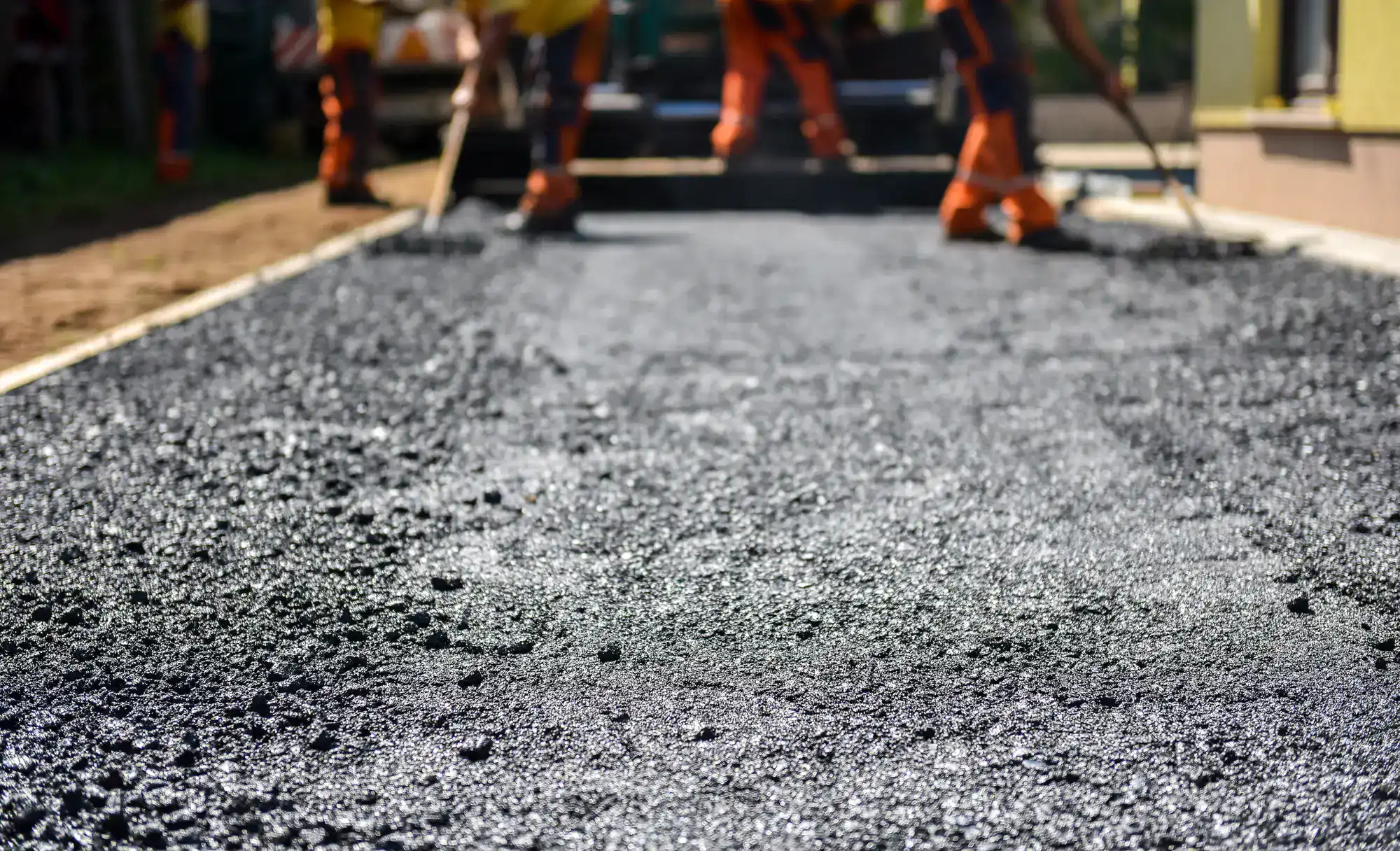
Most homeowners never see the sub-grade. It gets covered up during installation and forgotten. But this layer determines whether your driveway lasts five years or fifty.
Sub-grade preparation starts with excavation deep enough to remove unstable soil. In North Central Florida, that typically means digging 6-12 inches down, sometimes more depending on what’s underneath. Sandy soil doesn’t provide stable support on its own. It shifts with moisture changes, settles unevenly, and washes away when water moves through it.
Once excavation is complete, the real work begins. A proper base gets built in layers, or lifts. Each layer of crushed stone or gravel gets compacted with heavy equipment before the next layer goes down. This creates a stable foundation that won’t shift when the ground gets saturated during storm season.
The compaction process matters as much as the materials. You can’t just dump gravel in a hole and call it done. Each lift needs to be compacted to specific density standards. Walk on properly compacted base material and your foot shouldn’t leave an indentation. That’s the level of stability your driveway needs underneath to survive decades of Florida weather.
Drainage gets built into this layer too. The sub-grade should mirror the pitch of your finished surface, typically sloping at least 1/4 inch per foot away from your home. Some installations include French drains or other drainage systems to move water away from problem areas. This isn’t optional in Florida. It’s the difference between a driveway that drains and one that floods.
The base material itself allows water to percolate through instead of sitting on top. Crushed stone with the right gradation lets water pass while maintaining structural integrity. This is why pavers handle Florida’s afternoon storms better than solid concrete slabs. Water has multiple paths to move where it should instead of pooling on the surface or forcing its way into cracks.
Florida’s sandy soil creates problems for rigid surfaces. Concrete can’t flex. When the ground shifts underneath, concrete cracks. It’s not a question of if, it’s when.
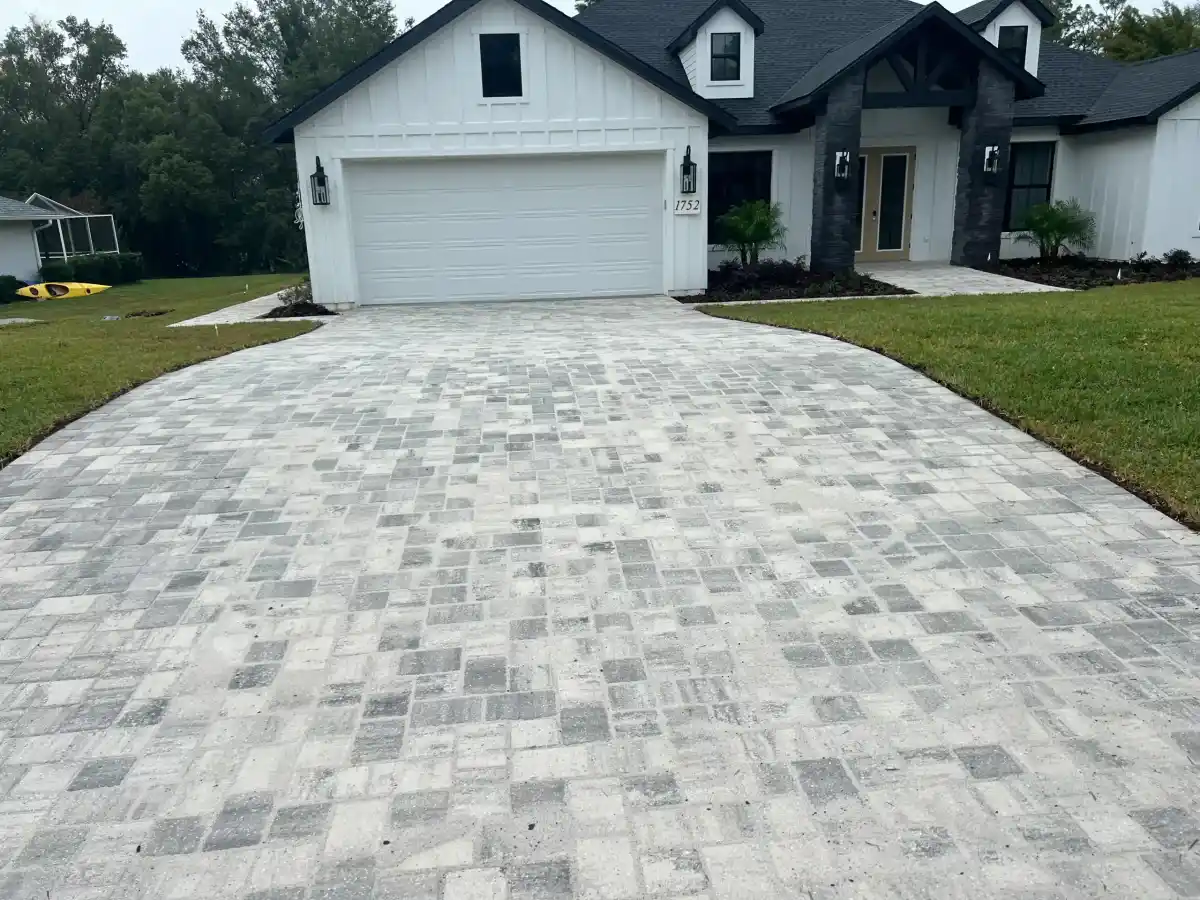
Pavers work differently. Each unit interlocks with the ones around it, but they’re not permanently bonded together. When sandy soil shifts after heavy rain or during dry spells, individual pavers adjust slightly without the whole surface failing. This flexibility is what allows properly installed paver driveways to last 30-50 years in conditions that destroy concrete in 10.
The joints between pavers serve multiple purposes. They allow that flexibility, but they also provide drainage paths. Water doesn’t sit on top of a paver surface the way it does on concrete. It filters through the joints and into the base material below, where it can drain away properly.
This matters during hurricane season when you might get 5-10 inches of rain in a single storm. Concrete driveways become rivers, with water rushing across the surface looking for somewhere to go. Often that somewhere is straight toward your foundation or into your garage. Paver installations with proper drainage let water move through the surface instead of across it.
The base preparation we talked about earlier becomes even more critical with pavers. Because each unit can move independently, they need a stable foundation underneath to prevent settling. That’s why shortcuts in base prep show up so quickly in Florida. A driveway that looks fine for the first year starts sinking in spots once the rainy season saturates poorly compacted base material.
Edge restraints keep everything locked in place despite the flexibility. In sandy soil, you need concrete edging, not the plastic stuff you see at hardware stores. Proper edge restraints get installed around the perimeter and set in concrete. This prevents the whole installation from creeping outward over time as vehicles drive across it and weather cycles through wet and dry periods.
Polymeric sand gets swept into the joints after pavers are set. This isn’t regular sand. It contains additives that harden when activated with water, locking pavers together while still allowing drainage. This prevents joint sand from washing out during heavy rains, which is a common failure point in cheap installations.
Want live answers?
Connect with a MainStreet Landscaping expert for fast, friendly support.
Driveways get the most attention, but walkways matter just as much for property drainage. A properly installed walkway does more than connect your driveway to your door. It manages water flow, prevents soil erosion, and keeps paths usable even when the ground is saturated.
North Central Florida’s afternoon storms can turn yards into swamps within minutes. Walkways installed with proper pitch guide water away from problem areas while giving you clean, dry access regardless of weather. This isn’t just about convenience. It’s about preventing erosion around your foundation and directing water where it won’t cause damage.
The same principles that apply to driveways apply to walkways, just on a smaller scale. You still need excavation, base preparation, proper grading, and drainage planning. The difference is walkways typically don’t need to support vehicle weight, so base requirements can be slightly less intensive. But in Florida’s sandy soil, you still can’t skip steps and expect good results.
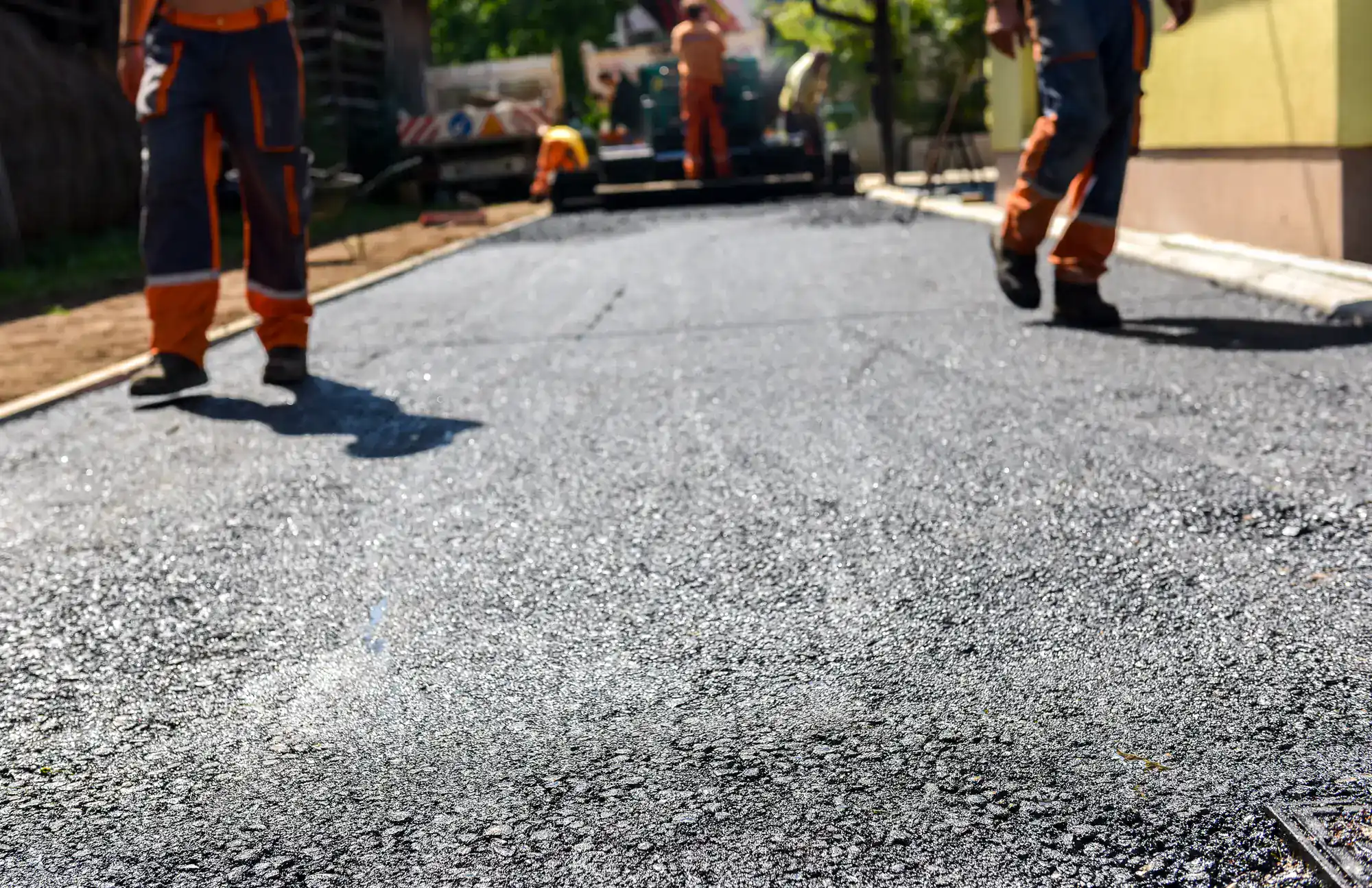
The most common walkway failures happen because someone skipped base prep. You’ll see it everywhere: pavers that have settled into low spots, surfaces that pool water instead of shedding it, and installations that start shifting within a year.
Florida’s sandy soil makes this worse. You can’t just scrape the ground flat, lay pavers on sand, and expect it to last. That might work for a season, maybe two. Then the first heavy rain saturates everything, the base settles unevenly, and you’ve got a walkway that looks like a roller coaster.
Proper walkway installation starts the same way driveway installation does: with excavation deep enough to create a stable base. For pedestrian walkways, that’s typically 4-6 inches of excavation, filled with compacted base material. The exact depth depends on your soil conditions and how much foot traffic the walkway will see.
Grading becomes critical for walkways because they often run alongside your home. Get the pitch wrong and you’re directing water toward your foundation instead of away from it. A proper installation slopes at least 1/4 inch per foot, sometimes more depending on the specific site conditions. This ensures water moves off the surface quickly instead of sitting in low spots.
The joints between walkway pavers allow drainage just like driveway pavers do. But walkways often run through planted areas where water can be absorbed into surrounding soil. This makes them particularly effective for managing stormwater runoff if they’re installed correctly. Water that would otherwise rush across your property gets slowed down and absorbed as it filters through the walkway joints.
Edge restraints matter for walkways too, even though they’re not supporting vehicle weight. Without proper edging, pavers creep outward over time. Foot traffic, lawn mowing equipment, and weather cycles all contribute to movement. Concrete edging installed below the surface keeps everything locked in place while remaining invisible once the installation is complete.
You can’t always tell good installation from bad just by looking at the surface. But there are signs that indicate whether your driveway or walkway was built to handle Florida’s storms.
First, check the drainage. After a heavy rain, water should move off your paver surface quickly. If you see standing water an hour after the rain stops, something’s wrong with either the grading or the base preparation. Properly installed pavers don’t hold water on the surface.
Look at the edges. Quality installations have solid edge restraints, usually concrete, set below the surface. If you can see plastic edging or if pavers along the edges feel loose when you step on them, that installation won’t hold up long term.
Check for settling. Walk across your driveway or walkway and feel for low spots. A properly compacted base stays level. If you’re hitting dips or areas that feel unstable, the base wasn’t prepared correctly. That’s going to get worse, not better, as more rain cycles through.
The joints between pavers should be filled with polymeric sand, not regular sand or left empty. Polymeric sand hardens to lock pavers together while allowing drainage. If you can easily sweep sand out of the joints with your hand, it’s not the right material. During heavy rains, regular sand washes out, and you lose the stability that keeps pavers from shifting.
Pay attention to where water goes. During a storm, watch how water moves across and around your paver installation. It should flow away from your home and toward appropriate drainage areas. If you see water pooling against your foundation or garage, your installation has drainage problems that will cause damage over time.
Ask about the base depth and materials used. A proper installation in North Central Florida should have 6-12 inches of compacted base material underneath the pavers. If a contractor tells you they’re laying pavers on 2 inches of sand, they’re cutting corners that will show up the first time hurricane season tests the installation.
Finally, check for manufacturer certifications. Companies that are authorized installers for major paver manufacturers like Tremron, Belgard, or Flagstone have been trained on proper installation methods. They have access to better materials and typically provide warranties that cheap installers can’t match. That certification matters when you’re investing in an installation that needs to last decades.
Hurricane season comes every year. The question isn’t whether your property will face heavy rain and potential flooding. It’s whether your driveway and walkways are built to handle it.
Proper paver installation with expert sub-grade preparation and drainage systems protects your property investment when storms hit. It’s not the cheapest option upfront, but it’s the one that lasts 30-50 years instead of failing in five. When you factor in the cost of replacing a poorly installed driveway after it washes away or cracks apart, the math makes sense.
If you’re in North Central Florida dealing with drainage problems, cracked concrete, or planning new installation before the next hurricane season, the foundation matters more than the pavers themselves. Work with installers who understand Citrus County’s sandy soil, know how to build drainage systems that actually work, and have the track record to prove their installations survive Florida’s toughest weather. We’ve been handling these exact challenges since 1995, building paver driveways and walkways that protect properties when the storms hit hardest.
Article details:
Share:
Continue learning: