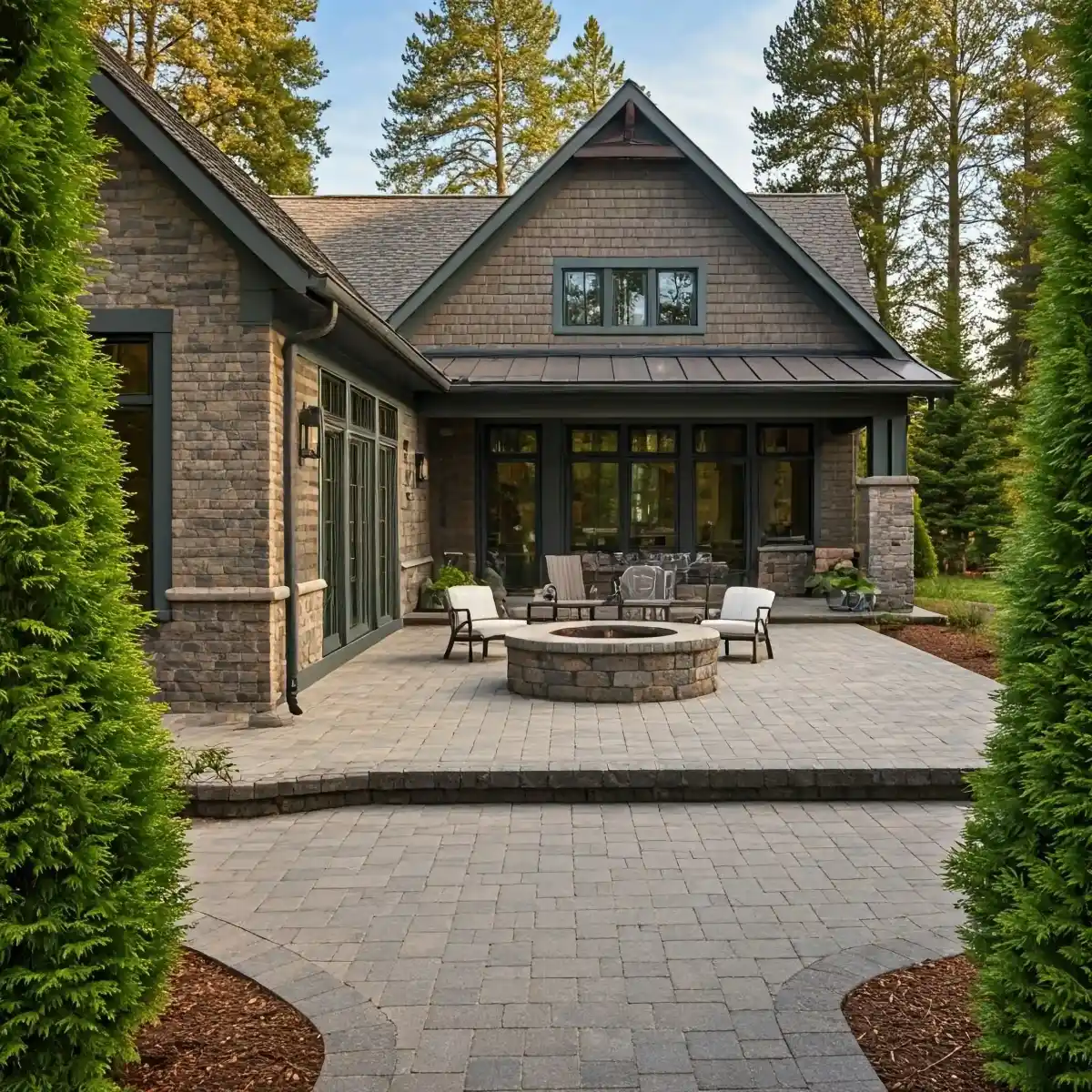
Textured pool pavers installed level eliminate slip and trip hazards around wet areas, creating safe surfaces for children and seniors in Citrus County.
Share:
Summary:
Your pool should be where your family makes memories, not where someone gets hurt. But every year, thousands of people end up injured around pools—not from drowning, but from slipping on wet surfaces or tripping over uneven pavers.
The difference between a safe pool deck and a liability comes down to two things: the texture of your pavers and how level they’re installed. Get either one wrong, and you’re looking at a surface that puts kids, grandparents, and guests at risk every time they step out of the water.
Here’s what actually matters when you’re choosing and installing pool pavers that won’t become a problem.
Smooth surfaces around pools look clean in photos. They’re also dangerous when wet.
Texture isn’t decorative. It’s functional. When water hits a smooth surface, there’s nothing for your foot to grip. You slip. With textured pavers, those small ridges and variations create traction even when the surface is soaking wet.
The numbers back this up. Wet pool decks cause thousands of injuries every year—head injuries, broken bones, serious falls that could’ve been prevented with the right surface. For families with young kids who run everywhere, or older adults who move more carefully, that texture is the difference between a fun afternoon and a trip to the emergency room.
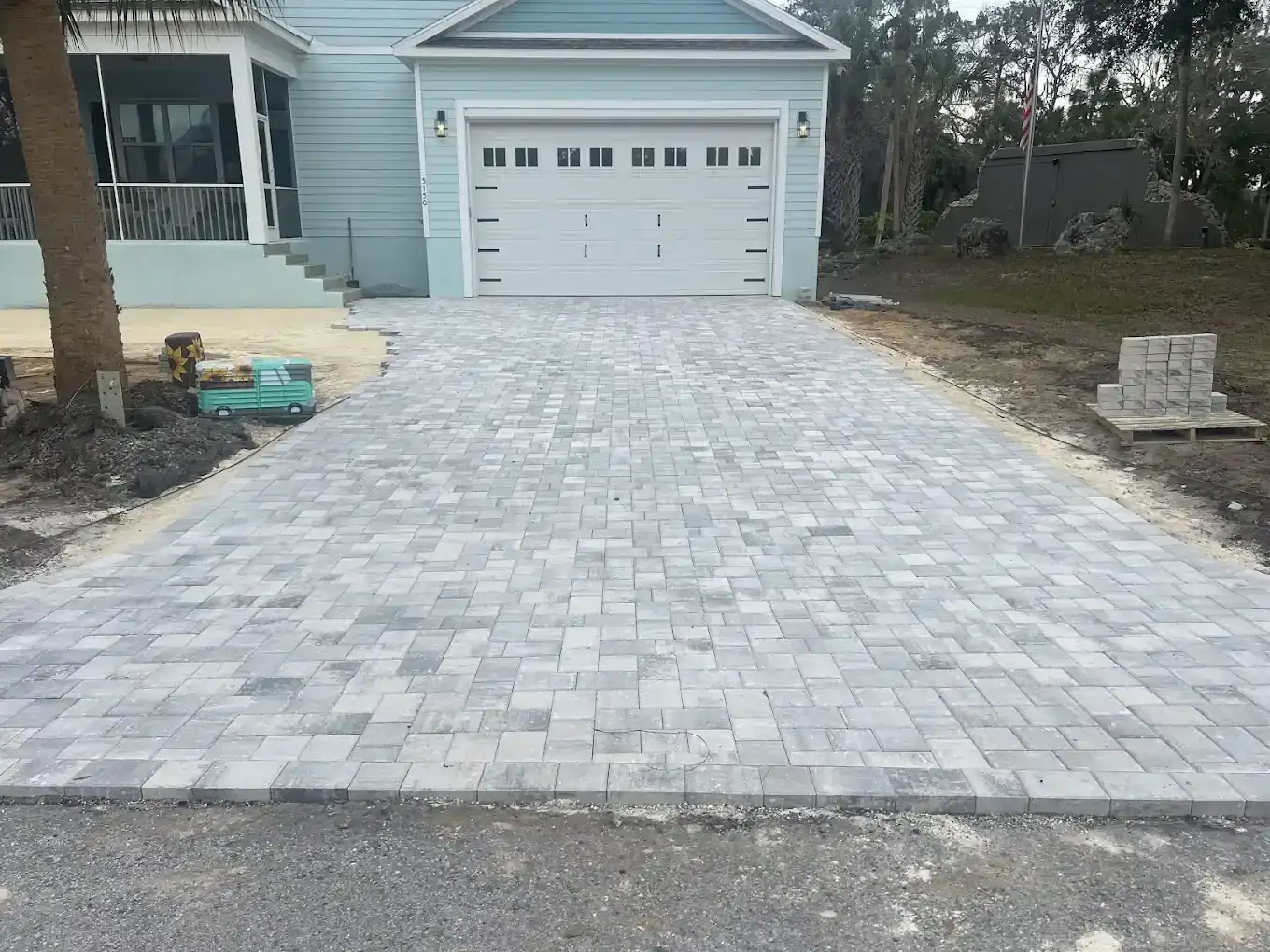
Concrete poured around pools eventually gets slick. Add water, sunscreen, pool chemicals, and foot traffic, and you’ve got a surface that’s basically asking someone to fall.
Textured pavers work differently. The surface is manufactured or finished with intentional variations—small bumps, brushed patterns, tumbled edges. These aren’t random. They’re designed to increase what’s called the coefficient of friction, which is just a technical way of saying “grip.”
When you’re evaluating materials, you want pavers that meet or exceed a 0.42 DCOF rating for wet areas. That’s the standard that actually matters for pool decks. Anything less, and you’re not getting the slip resistance you need.
But here’s what most people miss: texture alone isn’t enough if the pavers aren’t installed level. An uneven surface creates its own problems. You can have the most slip-resistant material available, but if one paver sits higher than the others, someone’s going to catch their toe and go down hard.
That’s why professional patio paver installation matters. It’s not just about laying pavers in a pattern. It’s about creating a surface that’s both textured for grip and completely level to eliminate trip hazards. In Citrus County’s sandy soil, that means proper excavation, compacted base material, and attention to detail that prevents settling over time.
The best pool deck is one where your biggest worry is remembering to reapply sunscreen, not whether someone’s going to slip getting out of the water.
Kids don’t walk around pools. They run, jump, and move fast on wet feet while completely distracted by having fun. Seniors, on the other hand, move more carefully—but one slip can mean a broken hip, a head injury, or worse.
Both groups need the same thing: a surface that works with them, not against them.
For children, textured pavers provide grip even when they’re running. The surface catches their feet instead of letting them slide out. It’s not foolproof—kids will be kids—but it significantly reduces the chance of a fall that turns a pool day into an ER visit.
For older adults, that texture provides confidence. When you’re worried about slipping, you tense up. You move differently. Sometimes you avoid using the pool area altogether. A properly textured, level surface eliminates that worry. Grandparents can move around the pool without fear, which means they actually enjoy the space instead of treating it like a hazard zone.
Here’s what makes the difference in real terms: the right texture gives feet something to grip without being so rough it’s uncomfortable to walk on barefoot. You want that sweet spot where traction is high but the surface doesn’t scrape skin.
Materials like travertine, textured concrete pavers, and certain porcelain options naturally provide this balance. They stay cool underfoot in Florida’s heat, offer excellent slip resistance when wet, and don’t require you to wear shoes just to walk around your own pool.
But installation quality determines whether those benefits actually show up. A textured paver that’s tilted or uneven becomes a trip hazard. Water pools in low spots, creating slippery patches. The surface shifts over time if the base isn’t properly compacted.
We understand the local soil conditions here in Citrus County. Sandy soil doesn’t compact the same way clay does. It requires deeper excavation—often 6 to 12 inches—and a properly prepared base that won’t settle or shift when Florida’s summer rains hit.
That preparation work isn’t visible once the pavers are down. But it’s what keeps the surface level five, ten, fifteen years later. It’s what prevents the kind of settling that creates trip hazards and turns a safe pool deck into a liability.
Want live answers?
Connect with a MainStreet Landscaping expert for fast, friendly support.
A level surface sounds basic. It’s not.
Trip hazards don’t announce themselves. One paver sitting a quarter-inch higher than its neighbor is enough to catch a toe. When you’re walking barefoot, wet, and not looking down, that’s all it takes.
Professional pool paver installation isn’t about making things look good—though that’s a side benefit. It’s about creating a surface where every paver sits at exactly the same height, with no lips, no gaps, no uneven transitions that become problems.
The difference shows up in how the work is done. Proper installation means excavation to the right depth, a compacted gravel base that won’t settle, sand leveling that accounts for drainage, and pavers set with precision that keeps everything flush.
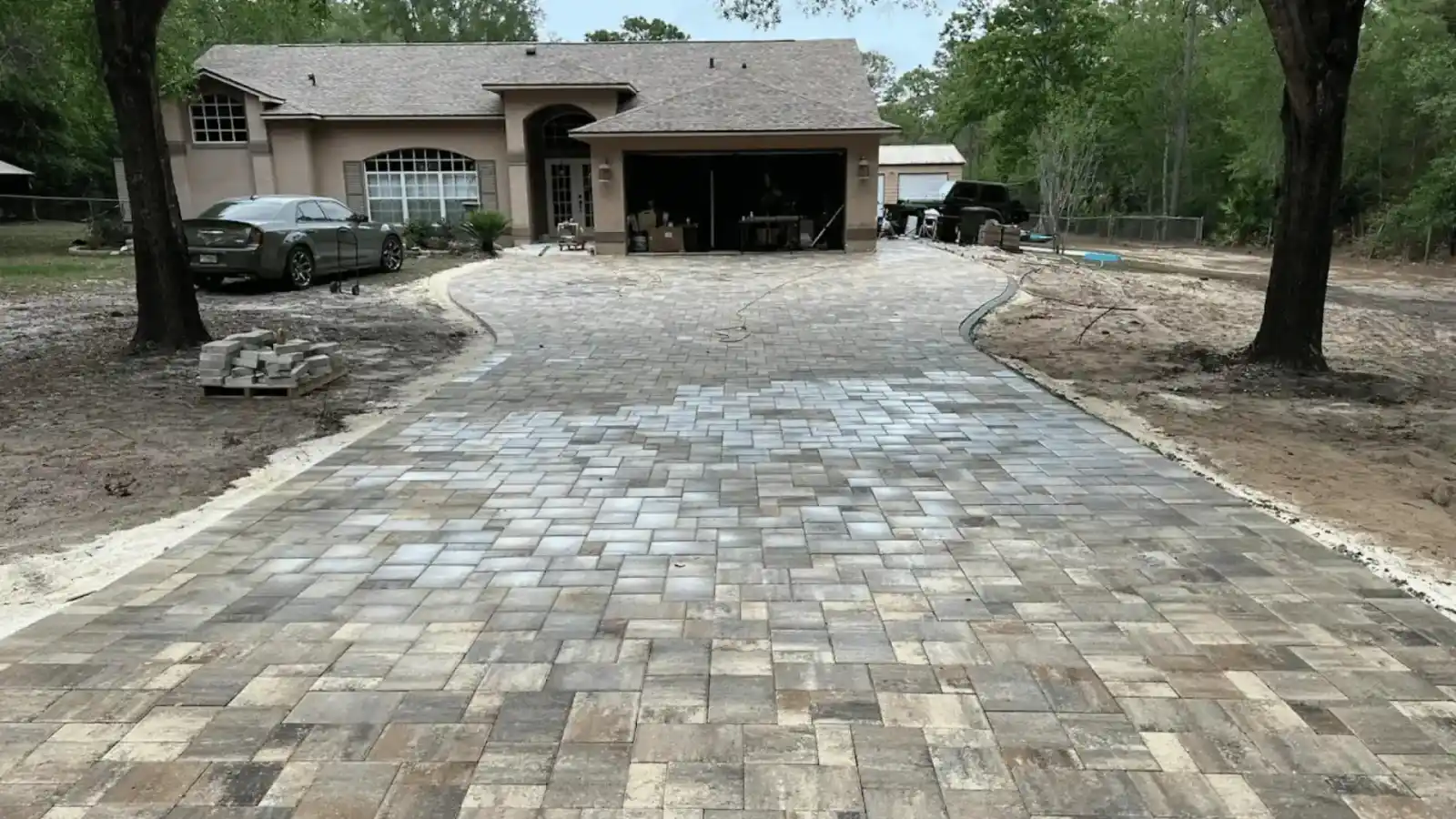
Uneven pavers create two problems: trip hazards and water pooling. Both put people at risk.
When pavers aren’t level, someone’s foot catches on the edge. Kids trip and scrape knees. Adults fall harder. Seniors end up with broken bones. These aren’t hypothetical risks—they’re the reality of poorly installed surfaces.
Water pooling is the other issue. If your pool deck isn’t graded correctly, water sits in low spots instead of draining away. Those puddles become slip hazards. They also accelerate wear on the pavers themselves, creating more problems down the line.
Professional installation addresses both. The surface is graded with a slight slope—just enough to move water away from the pool and toward drainage areas, but not so much you notice it when walking. Every paver is checked for level as it’s placed. The base is compacted properly so nothing settles or shifts later.
In Citrus County, this matters more than in some other areas. Our sandy soil shifts. It settles. It doesn’t provide the same natural stability you’d get with clay or other soil types. That means the base preparation has to compensate.
We dig deeper. We use more base material. We compact it in layers instead of all at once. We add concrete edging to lock pavers in place and prevent lateral movement that creates uneven surfaces over time.
This is the work you don’t see once the job’s done. But it’s what determines whether your pool deck stays safe and level for decades or starts showing problems within a few years.
The test of good installation isn’t how it looks the day it’s finished. It’s how it performs five summers later, after hundreds of pool parties, countless rainstorms, and the normal settling that happens with any outdoor surface. If it’s still level, still draining properly, and still safe to walk on barefoot, the installation was done right.
The pavers you see are only part of the system. What’s underneath determines how long they stay level.
Base preparation starts with excavation. In Citrus County, that typically means removing 6 to 12 inches of soil across the entire pool deck area. The depth depends on soil conditions and how much traffic the area will see, but cutting corners here creates problems later.
Once the soil is removed, a compacted gravel base goes in. This isn’t just dumping gravel and calling it done. The material needs to be added in layers—usually 3 to 4 inches at a time—and compacted with specialized equipment after each layer. That compaction is what creates stability.
On top of the gravel, a layer of sand provides the final leveling surface. This sand layer is screeded flat, creating an even bed for the pavers to sit on. But the sand doesn’t provide structural support—that’s the gravel’s job. The sand just allows for fine adjustments as each paver is placed.
Here’s where installation quality really shows: every paver needs to be set at the same depth in that sand layer. Too deep, and it sits lower than its neighbors. Not deep enough, and it sticks up, creating a trip hazard. We check level constantly as we work, making adjustments before moving to the next paver.
After all the pavers are placed, polymeric sand gets swept into the joints. This isn’t regular sand. It contains binding agents that harden when activated with water, locking the pavers together and preventing them from shifting. It also stops weeds from growing up through the joints and keeps ants from burrowing underneath.
The final step is compaction. A plate compactor runs over the entire surface, settling the pavers firmly into the sand bed and ensuring everything is locked in place. This step also helps identify any pavers that aren’t quite level—they’ll rock or shift under the compactor, signaling they need adjustment.
All of this work happens before you ever use the pool deck. But it’s what keeps the surface safe. Pavers that settle create low spots where water pools. Pavers that shift create uneven edges that catch feet. Proper base preparation prevents both.
In Florida’s climate, with temperature swings, heavy rains, and sandy soil that wants to shift, this preparation work is what separates a pool deck that lasts from one that becomes a maintenance headache. The pavers themselves might be high-quality, slip-resistant, and beautiful. But if the base isn’t right, none of that matters.
When you’re evaluating installers, ask about their base preparation process. How deep do they excavate? How do they compact the base? What materials do they use? The answers tell you whether they understand what actually makes a pool deck safe and durable, or if they’re just focused on getting pavers down quickly.
The right pool deck keeps people safe without them thinking about it. Textured pavers provide grip when surfaces are wet. Level installation eliminates trip hazards. Proper drainage prevents water from pooling in dangerous spots.
For families with young kids who run everywhere and grandparents who deserve to enjoy the pool without worry, these details matter. They’re the difference between a pool area that’s actually used and one that makes people nervous.
Quality installation takes longer and costs more upfront than quick work, but it also lasts decades instead of needing repairs in a few years. As an authorized contractor for Tremron, Flagstone, and Belgard—and the exclusive Seal ‘n Lock distributor in Citrus County—we have the manufacturer relationships and installation expertise that come from nearly 30 years of doing this work right the first time.
Article details:
Share:
Continue learning: