Your backyard is becoming something more than grass to mow. Here's what Citrus County homeowners are doing differently in 2026 — and why it matters.
Share:
Summary:
Most people hire a lawn care company to keep the grass from embarrassing them. That’s a fair place to start. But somewhere along the way — maybe after one too many weekends spent fighting weeds, chasing down unreliable contractors, or staring at a backyard that never quite became what you imagined — the goal changes. You stop thinking about maintenance and start thinking about what that space could actually be. That shift is happening all over Citrus County right now, and it’s reshaping what homeowners expect from lawn care in 2026. Here’s what’s driving it.
Outdoor living demand has climbed significantly since 2020, and that number reflects something real. Homeowners aren’t just maintaining their yards anymore — they’re investing in them with the same intentionality they’d bring to a kitchen remodel or a bathroom upgrade. The backyard has become a room, and people want it to function like one.
In Citrus County, that trend has its own local flavor. The Nature Coast lifestyle already pulls people outside — the rivers, the springs, the mild winters that make October through April genuinely pleasant. It makes sense that the same residents who spend their weekends on the Homosassa River or at Rainbow Springs would want a backyard that matches that energy. A well-kept lawn is the foundation, but it’s rarely the whole picture anymore.
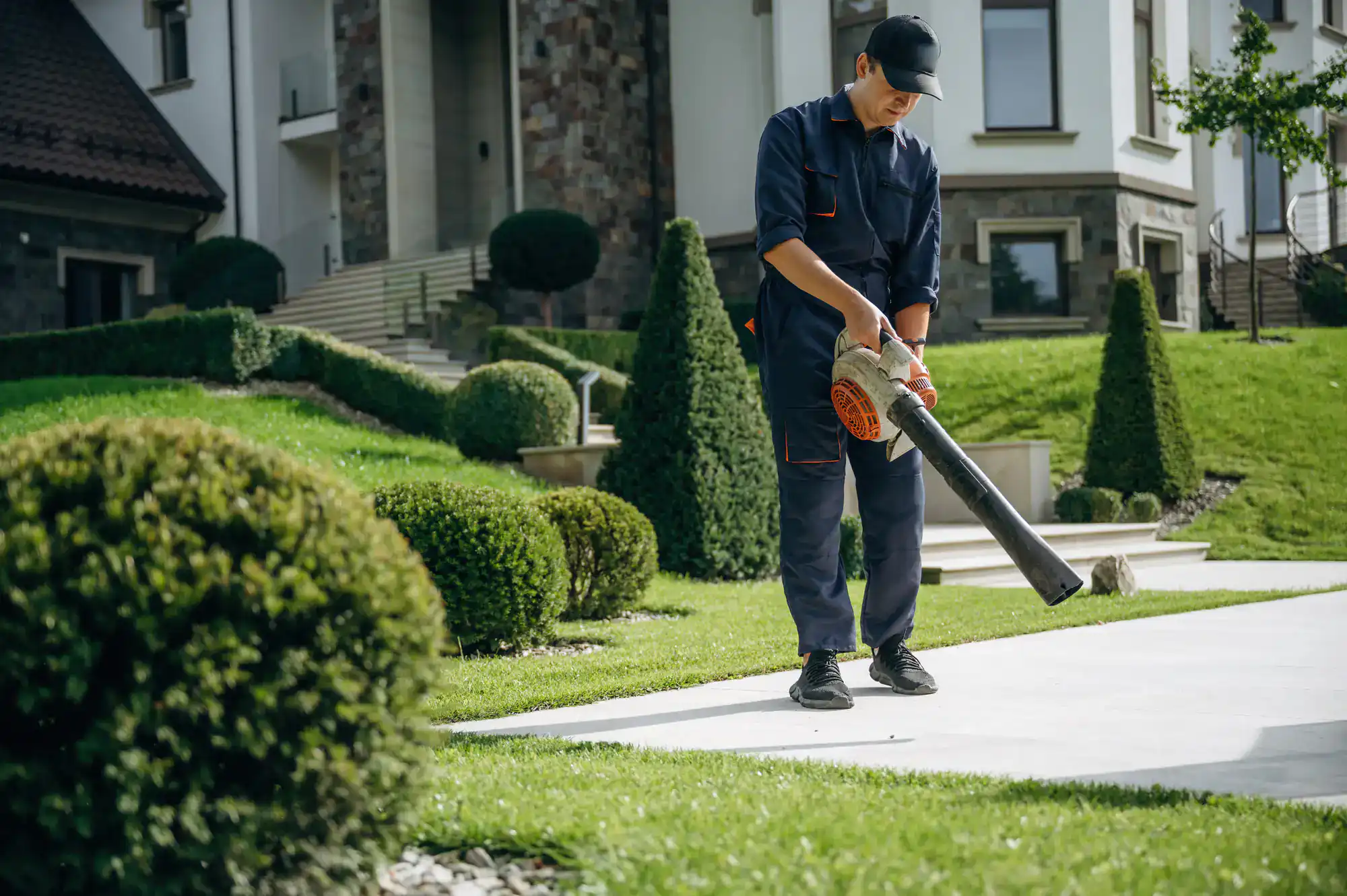
This is one of the most common questions we hear, and it’s worth answering honestly. Lawn care means different things depending on who you ask. Some companies mow, edge, and leave. We offer a full program that includes fertilization, weed control, irrigation management, and seasonal treatments tailored to what your lawn actually needs.
In Citrus County, the baseline matters more than people realize. The sandy soils throughout the county drain quickly, which sounds like a good thing until your lawn starts showing stress in late spring because the nutrients are washing through before the grass can use them. St. Augustine grass — the dominant variety in most Homosassa, Crystal River, and Inverness yards — requires specific mowing heights, specific fertilization timing, and a watchful eye for chinch bugs, which thrive in the hot, dry stretches that hit this area hard every summer. A company that doesn’t know the difference between chinch bug damage and drought stress will treat the wrong problem and charge you for the privilege.
Professional mowing also comes down to equipment discipline. Mower blades should be sharpened every 8 to 10 hours of use. Dull blades tear the grass instead of cutting it cleanly, leaving frayed tips that turn brown and invite disease. It’s a small detail that separates a lawn that looks sharp from one that always seems slightly off, no matter how often it’s cut.
Weekly service, proper edging, trimming, and clearing driveways and patios after every visit — that’s our standard. Anything less is a shortcut that shows up in the lawn over time. And in communities like Pine Ridge, Citrus Hills, and Sugarmill Woods where HOA standards are enforced, “close enough” isn’t a workable strategy.
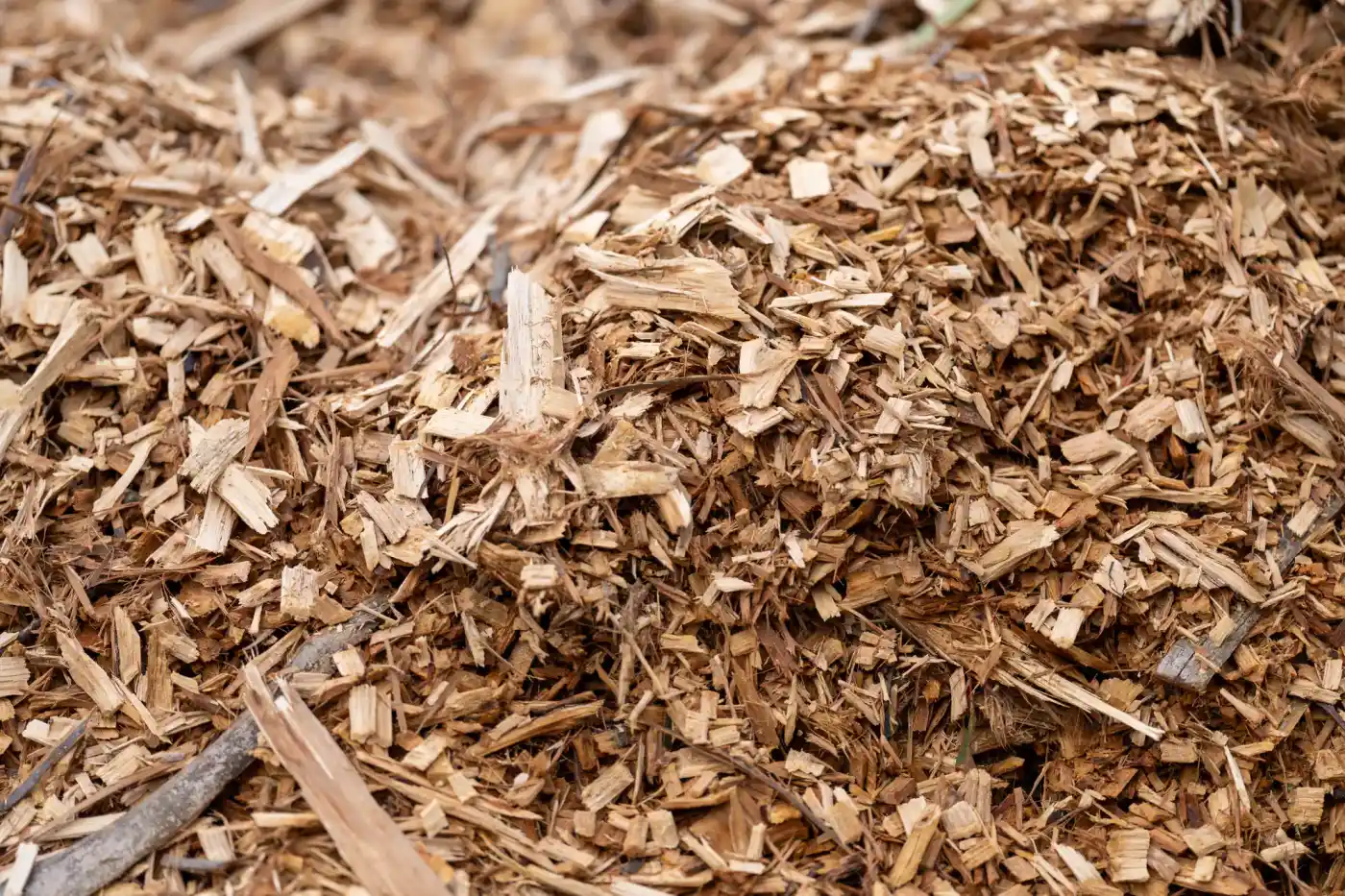
Mulch gets treated like a finishing touch — something you add to make the beds look tidy before company comes over. In Florida, it’s more functional than that. A proper layer of organic mulch, two to four inches deep around trees, shrubs, and garden beds, conserves soil moisture and can reduce your irrigation needs by up to 25%. In Citrus County, where the Southwest Florida Water Management District limits most residential properties to two watering days per week, that kind of efficiency isn’t a luxury — it’s practical water management.
The sandy soils throughout our region lose moisture fast. During the dry spring months, before the summer rains arrive, lawns and landscape beds under heat stress with no moisture retention are fighting an uphill battle. Mulch acts as insulation — it moderates soil temperature during the intense summer heat and protects root systems during the brief cold snaps that occasionally push through in January and February. Over time, as organic mulch breaks down, it also improves the soil biology beneath it, which matters in sandy ground that doesn’t naturally hold nutrients well.
The timing of mulch installation matters too. Refreshing mulch in early spring, before the heat ramps up, gives your landscape the best protection heading into the season when it needs it most. A second refresh in fall, before cooler temperatures arrive, keeps root systems insulated through winter. It’s not a complicated process, but it’s one that makes a measurable difference in how your lawn and landscape hold up through the year.
When mulching is integrated into a broader lawn care program — rather than treated as a one-off add-on — the results compound. Healthier soil means healthier grass. Healthier grass means fewer interventions, less water, and a lawn that looks the way you want it to without constant emergency fixes.
Want live answers?
Connect with a MainStreet Landscaping expert for fast, friendly support.
Lawn care is the foundation, but the 2026 backyard conversation in Citrus County goes well beyond weekly maintenance. Homeowners are thinking about how they actually use their outdoor space — entertaining, cooking outside, gathering around a fire on a cool November evening — and they’re making investments that reflect that.
Two upgrades keep coming up in that conversation: paver hardscaping and fire pit installations. Both have practical value well beyond aesthetics, and both are seeing significant demand right now. Here’s what’s worth knowing about each.
The honest answer is yes — but the details matter. Pavers outperform poured concrete in Florida’s climate for a few reasons that aren’t always obvious upfront. Concrete expands and contracts with temperature changes, and Florida’s heat cycles accelerate cracking over time. Pavers, by contrast, are designed to flex slightly as the ground shifts, which means they hold up better over the long term. A properly installed paver driveway or patio can last 30 to 50 years. Poured concrete typically runs 10 to 20 years before it needs significant repair or replacement.
Permeable pavers are becoming increasingly popular for exactly the kind of drainage challenges that show up regularly in Citrus County. When heavy summer rains hit — and from June through September, they hit hard — water needs somewhere to go. Permeable pavers allow water to pass through the surface, reducing runoff, protecting your foundation, and keeping pooling off your driveway and patio. For properties in Homosassa, Lecanto, or Beverly Hills where drainage is already a consideration, this isn’t just a design preference — it’s a smart solution to a real problem.
The installation process is where quality separates itself. Proper base preparation — the gravel and sand layers beneath the pavers — is what determines whether a paver surface holds its shape over years or starts shifting and settling within a few seasons. This is also where manufacturer authorization matters. We’re Authorized Contractors for Tremron, Flagstone, and Belgard, which means we’ve met the training and installation standards those manufacturers require, and our work is backed by their warranties. We’re also the only Seal ‘n Lock distributor in Citrus County, which means we can protect finished paver surfaces with a sealer that keeps them looking clean and prevents long-term staining and wear.
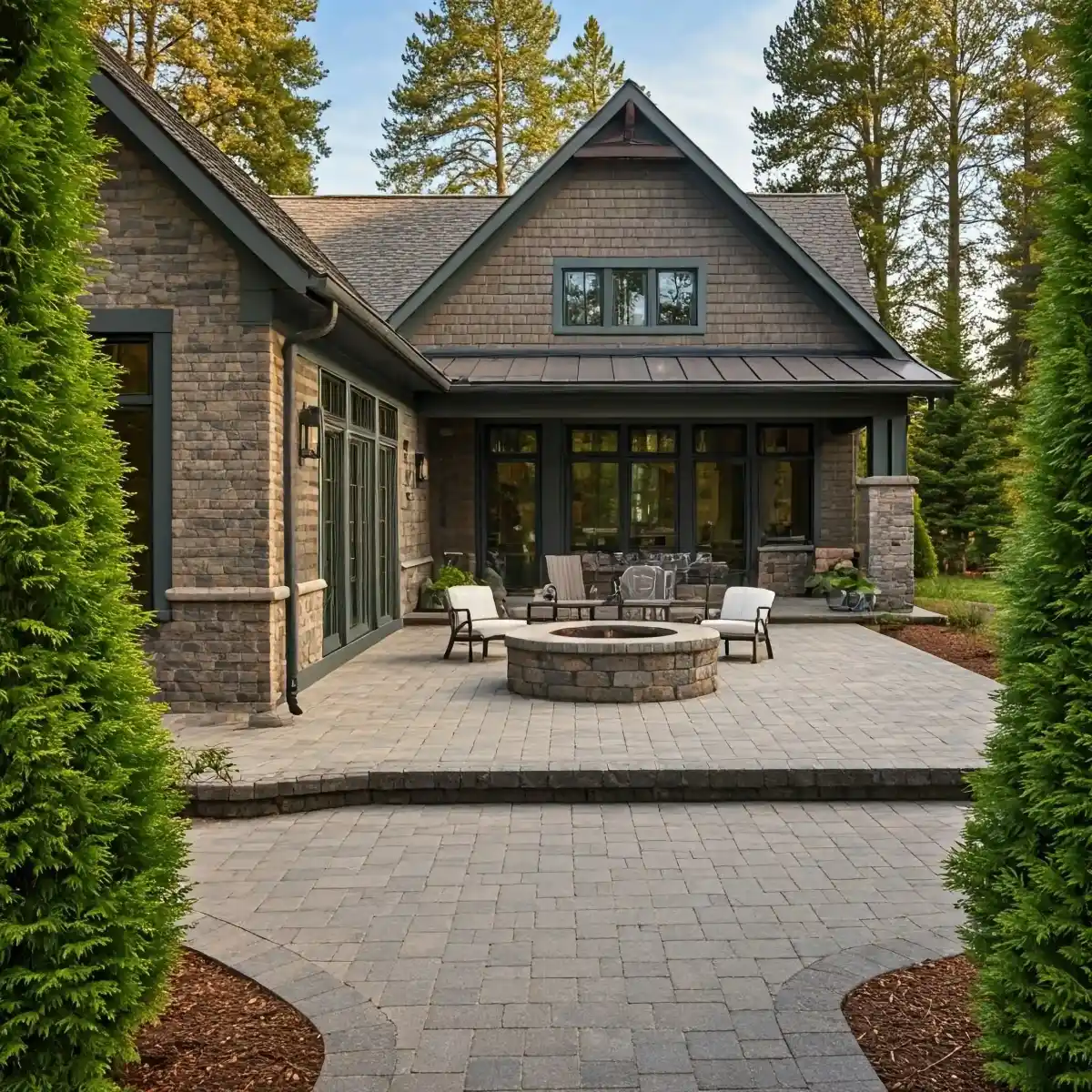
Multi-level patio designs are gaining traction in 2025 and into 2026 — tiered layouts that create defined areas for dining, lounging, and outdoor cooking rather than one flat slab that tries to do everything at once. If you’re thinking about a paver project in Citrus County, that’s a direction worth considering.
Fire pits have become one of the fastest-growing backyard investments in 2025, and the demand isn’t slowing down heading into 2026. Built-in stone and paver fire pits are leading that trend — permanent, custom-designed features that integrate with the surrounding hardscape rather than sitting in the middle of the yard as an afterthought.
There’s a practical case for a built-in fire feature that goes beyond how it looks. Florida winters are mild, but from October through April, the evenings in Citrus County are genuinely comfortable — low humidity, cooler temperatures, the kind of weather that makes sitting outside enjoyable for hours. A fire pit extends that season meaningfully. It gives you a reason to use the backyard on a Tuesday in December, not just a Saturday in October. And because many built-in designs now incorporate cooking surfaces or tabletops when the fire isn’t lit, you’re adding functional square footage to your outdoor space, not just a visual focal point.
Over 60% of new fire pit installations in 2025 are using clean-burning fuel alternatives to traditional wood — natural gas and propane options that are easier to manage, produce less smoke, and are better suited to neighborhoods where open burning may be restricted. If you’re in a community with HOA guidelines, that’s worth factoring into the design conversation early.
Permits are part of the picture too. Retaining walls over 12 inches require permits in Citrus County, and fire feature installations may have their own requirements depending on scope and placement. We handle the permitting process as part of the project — it’s not something you should have to navigate on your own.
The most effective fire pit installations we do are the ones that are planned as part of a broader hardscape design — a paver patio that flows naturally into a fire feature, with the right clearances, the right materials, and a layout that makes the space feel intentional rather than assembled piece by piece. That integration is what makes the difference between a backyard that looks finished and one that looks like a collection of good ideas that never quite connected.
The backyard you want doesn’t happen by accident, and it doesn’t happen with five different contractors who’ve never talked to each other. Lawn care, mulching, paver driveways, fire pit installations — when these things are planned and executed together, by people who understand how they connect, the results are consistently better and the process is significantly less frustrating.
Citrus County has no shortage of lawn care options. What it has less of is companies that have been doing this since 1995, hold manufacturer authorizations most contractors don’t have, and can handle every part of your outdoor space without handing you off to someone else. That combination is what we’ve built over 30 years, and it’s what we bring to every project — whether it starts with a $160-a-month lawn maintenance program or a full backyard transformation.
If your outdoor space isn’t where you want it to be, we’re a good place to start that conversation.
Article details:
Share:
Continue learning: