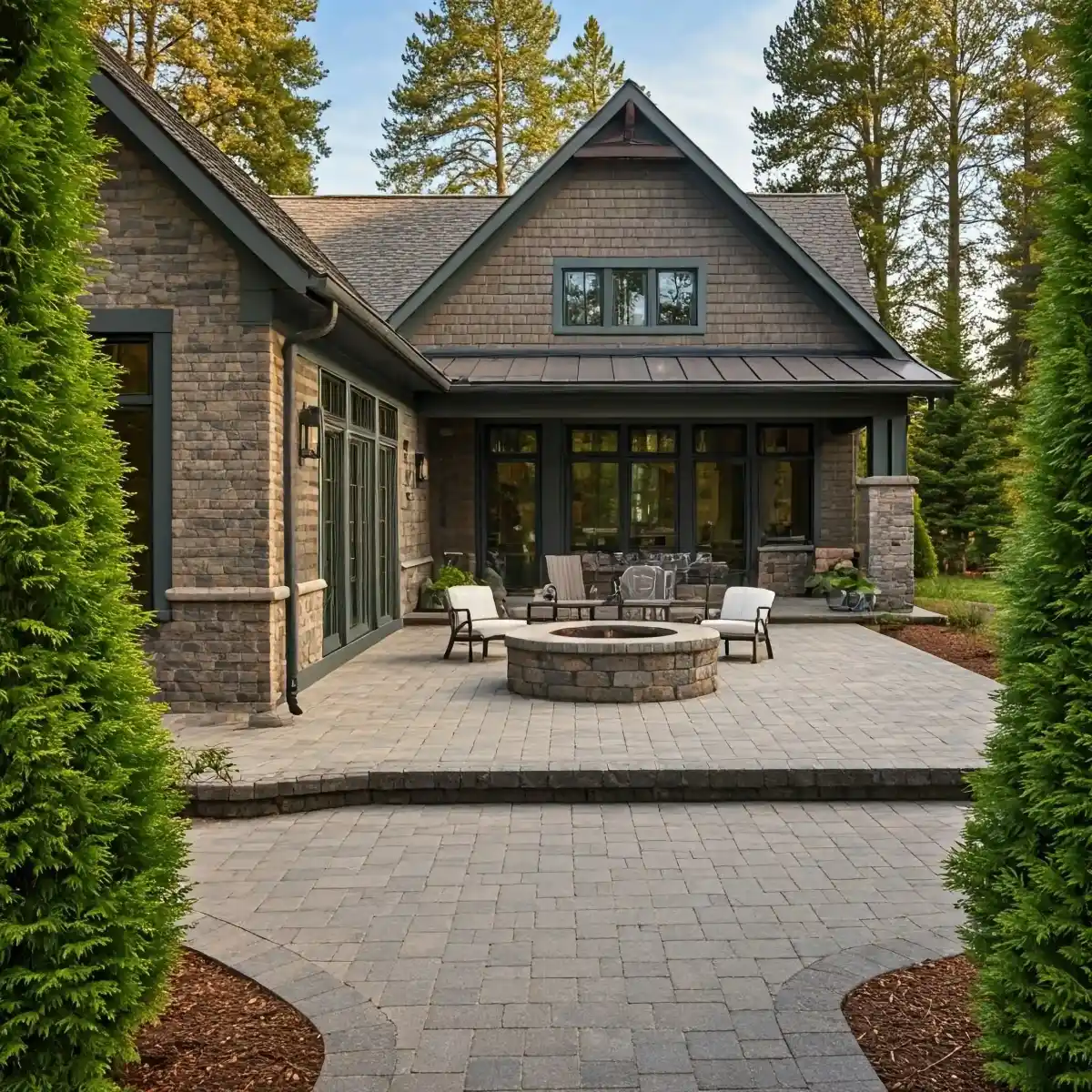
Pool pavers stay 20-30 degrees cooler than concrete in Florida heat while providing slip-resistant surfaces that last 25+ years without cracking.
Share:
Summary:
You know that quick shuffle from your lounge chair to the pool when the deck gets too hot to walk on barefoot. Or the worry when kids run across slick concrete after jumping out of the water. If your pool deck makes you wince instead of relax, you’re dealing with the wrong surface material.
Pool paver installation solves both problems—heat and safety—while giving you a deck that actually lasts in Citrus County’s climate. You’ll learn why pavers stay cooler, how they prevent the cracking that plagues concrete, and what makes them the smarter long-term choice for North Central Florida pool decks.
When summer temperatures in Citrus County push into the 90s, your pool deck surface can reach temperatures that make it unusable. Concrete absorbs and traps heat, with surface temperatures climbing to 125-141°F on a typical July afternoon. That’s hot enough to cause discomfort or even burns on bare feet.
Pavers handle heat differently. Light-colored pavers like travertine or ivory concrete stay around 100-111°F in the same conditions—still warm, but walkable. The difference comes down to material density, color, and how the surface reflects rather than absorbs solar radiation.
The color you choose matters significantly. Lighter tones like cream, beige, and light gray reflect more sunlight and stay cooler throughout the day. Darker pavers will get warmer, though still typically cooler than poured concrete. If barefoot comfort is a priority during Citrus County’s long summer season, material selection becomes one of your most important decisions.
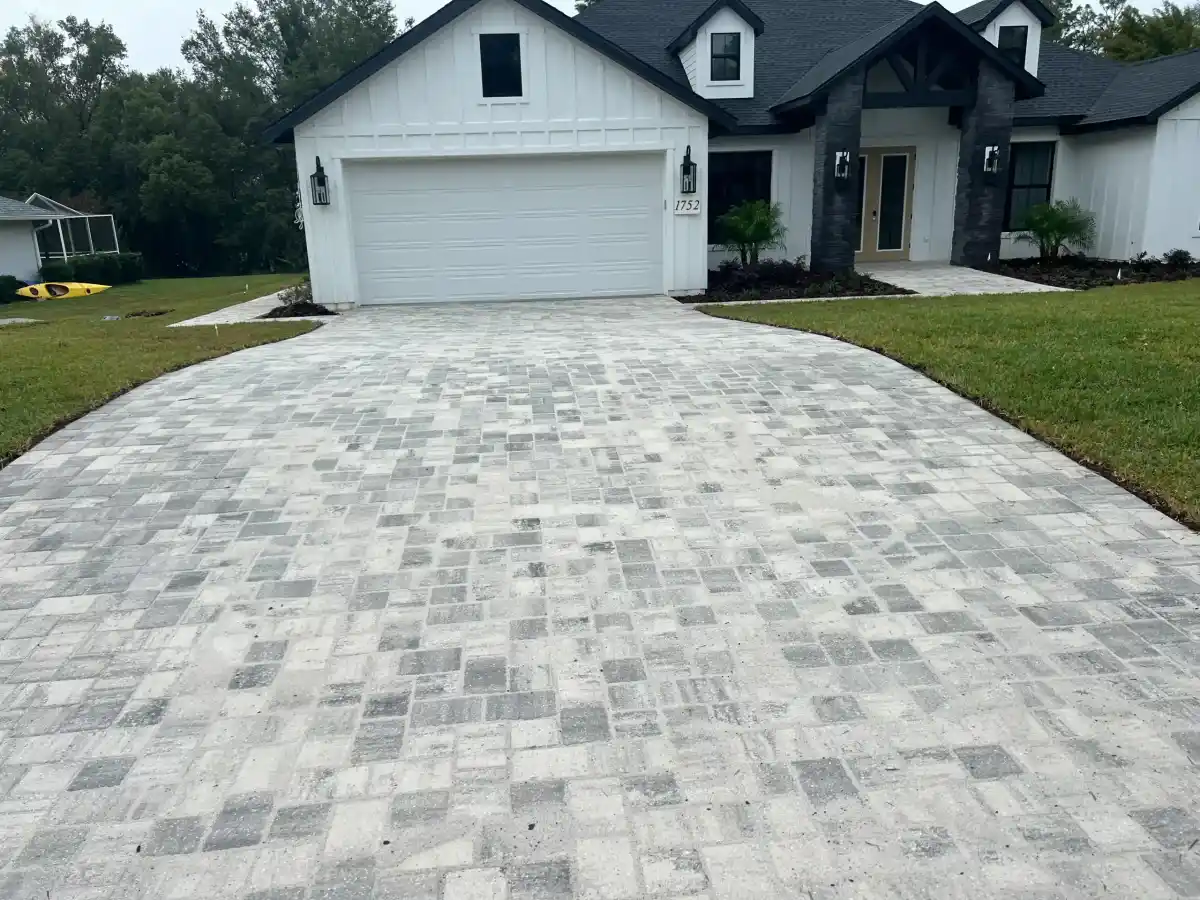
Not all pavers perform the same way in direct sunlight. Understanding the differences helps you choose the right material for your pool deck.
Travertine is the gold standard for Florida pool decks when it comes to heat resistance. This natural stone stays naturally cool even under intense sun exposure. Its porous surface doesn’t trap heat the way dense materials do, and it provides excellent slip resistance when wet. The tradeoff is cost—travertine typically runs higher than concrete pavers—but many Citrus County homeowners consider the comfort worth the investment.
Concrete pavers offer the most variety in color, texture, and pattern. Light-colored concrete pavers stay acceptably cool in most conditions, especially when you choose textured finishes rather than smooth surfaces. They’re more affordable than natural stone while still outperforming poured concrete for heat management. Premium concrete pavers from manufacturers like Tremron and Belgard are engineered specifically for Florida’s climate.
Porcelain pavers represent newer technology in pool deck materials. They’re extremely durable, resist staining, and many are manufactured with heat-reflective properties. Some porcelain pavers incorporate mineral blends that actively reduce heat absorption. They stay cooler than traditional concrete while offering a sleek, modern appearance.
The installation method also affects heat performance. Pavers installed over a proper base with sand joints create small air gaps that improve heat dissipation. Poured concrete creates one solid, heat-trapping mass. That structural difference explains why pavers of any material generally stay cooler than concrete slabs.
A pool deck surface needs to provide traction when it’s constantly wet. Smooth concrete becomes dangerously slippery, especially when you add pool chemicals, sunscreen, and the algae growth that develops in shaded areas around Citrus County pools.
Pavers are manufactured with textured surfaces specifically designed to maintain grip when wet. Tumbled finishes, brushed textures, and the natural pitting in stones like travertine all create surface friction that helps prevent slips and falls. This texture doesn’t wear smooth over time the way concrete coatings can.
The industry standard for wet-area safety is a Dynamic Coefficient of Friction (DCOF) of 0.42 or higher. Quality pool deck pavers meet or exceed this standard right out of the box. When you’re selecting materials, you can request DCOF ratings to confirm the pavers will perform safely around your pool.
Textured surfaces do more than prevent accidents. They give you confidence to actually use your pool area. Kids can run from the house to the water without you holding your breath. Elderly family members can move around the deck without fear. Guests at your pool party aren’t navigating a slip hazard. That peace of mind is hard to put a price on.
The joints between pavers also contribute to safety. Polymeric sand swept into these joints creates a slightly textured surface that improves overall traction. When installed correctly by experienced contractors, the entire pool deck becomes a slip-resistant surface rather than a liability waiting to happen.
Sealing pavers requires the right products. Cheap sealers can create a slippery film that defeats the purpose of textured pavers. Quality sealants designed for pool areas—like the Seal ‘n Lock products we distribute exclusively in Citrus County—enhance color and protect against stains without compromising the slip-resistant properties you need around water.
Want live answers?
Connect with a MainStreet Landscaping expert for fast, friendly support.
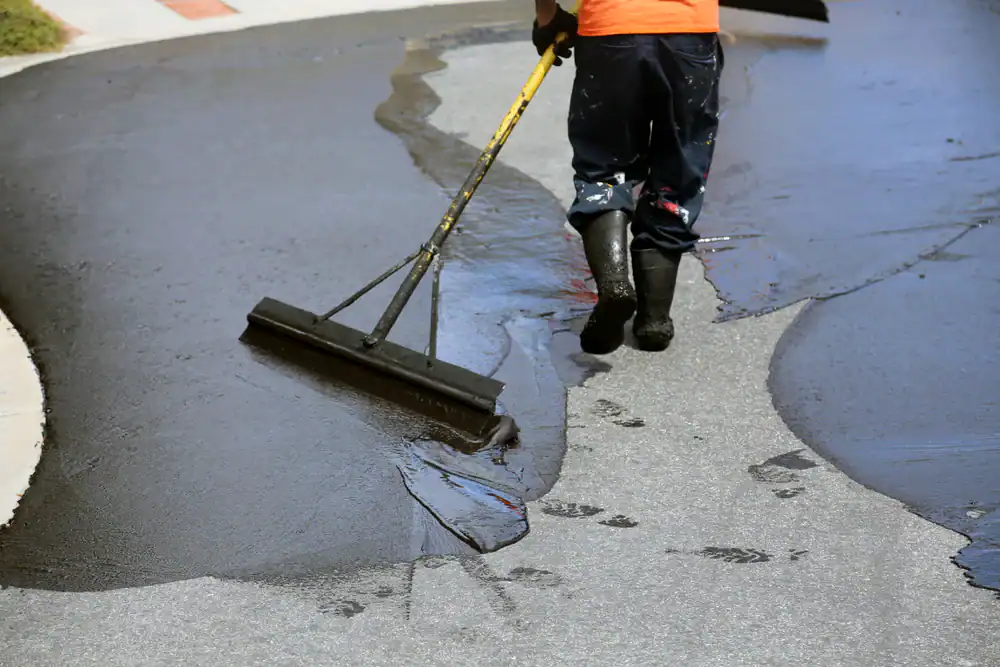
Concrete pool decks in Citrus County have a predictable lifespan, and it’s not because of the material quality. It’s because concrete is installed as one solid slab over sandy, shifting soil. When the ground moves—and in Florida, it will—that rigid slab cracks.
Pavers work differently. Each individual piece can move slightly and independently. When the ground settles or tree roots push up from below, pavers adjust without breaking. If one paver does crack from extreme impact, you replace that single piece instead of jackhammering an entire section and starting over.
Florida’s climate is particularly hard on poured concrete. Temperature swings cause expansion and contraction. Heavy rains saturate the sandy soil underneath, leading to settling and voids. Tree roots from the live oaks and pines common in Citrus County grow underneath and push upward. All of these factors stress concrete until it inevitably fails.
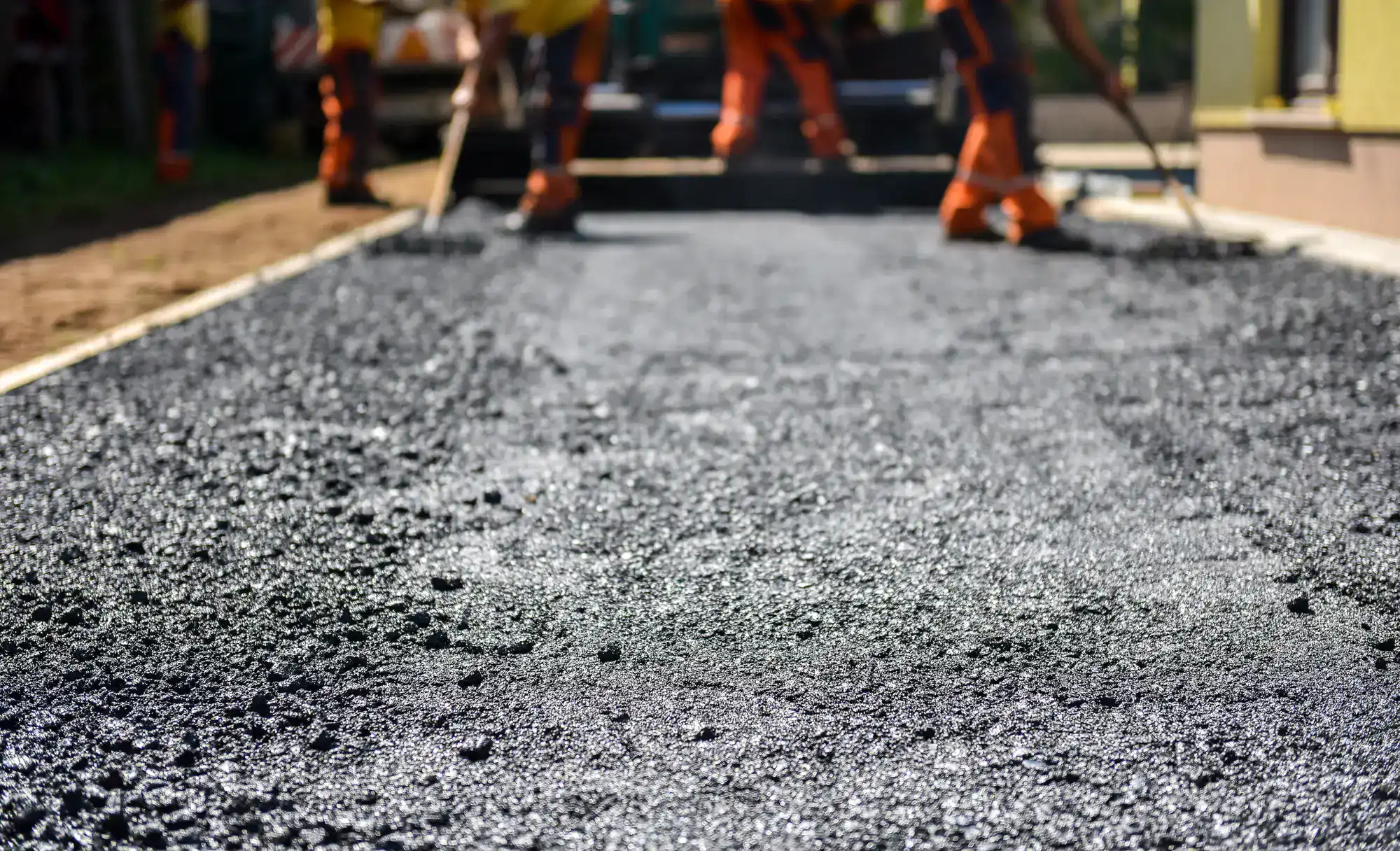
The longevity of your pool deck has less to do with the pavers themselves and everything to do with what’s underneath them. Citrus County’s sandy soil doesn’t provide stable support on its own. It shifts, settles, and washes away during the heavy rains that hit North Central Florida from June through September.
Professional pool paver installation starts with excavation deep enough to remove unstable material—typically 7-11 inches depending on whether the area will see foot traffic only or also support furniture and equipment. This excavation extends about 12 inches beyond the actual paved area to ensure edge stability.
The base gets built up in layers using crushed aggregate or concrete fines. Each layer is compacted using heavy equipment, not hand tampers. Wetting the aggregate slightly during compaction helps it lock together more effectively. When you can walk across the base without leaving indentations, it’s ready for the next layer.
Proper grading is critical for drainage. Even a slight slope—barely noticeable when you’re using the deck—moves water away from your pool and your home’s foundation. In Citrus County’s flat terrain, we need to create this slope intentionally during base preparation. Standing water doesn’t just create slip hazards and mosquito breeding grounds; it also undermines the base over time and leads to settling.
Edge restraints keep pavers from spreading or shifting outward. In Central Florida’s sandy soil, plastic edging with spikes won’t hold. Professional installations use concrete edging that’s poured and set as part of the base preparation. This creates a permanent border that keeps everything locked in place even during heavy storms.
The sand layer that goes on top of the compacted base needs to be screeded level before pavers are set. This bedding sand is typically about one inch thick and gets carefully leveled using screed rails. The pavers are then laid on this sand bed, and polymeric sand is swept into the joints. This joint sand hardens slightly when wet, locking the pavers together while still allowing the tiny bit of movement that prevents cracking.
Citrus County receives about 52 inches of rain annually, with most of it concentrated in summer thunderstorms that can drop several inches in an afternoon. Your pool deck needs to handle this water effectively or you’ll deal with standing puddles, erosion, and structural problems.
Pavers naturally drain better than solid concrete. The joints between pavers allow water to filter down through the base rather than sitting on the surface or running off in sheets. This permeable quality is especially valuable in Florida’s intense rainfall events.
The base preparation determines how well water moves through your pool deck system. A properly compacted aggregate base creates channels for water to disperse into the soil below. The slope built into the base directs water away from your pool and home. In some cases, particularly in low-lying areas common around Citrus County, French drains or deck drains get integrated into the design to handle water that can’t disperse quickly enough through the soil alone.
Concrete pool decks rely entirely on surface drainage. Water has to run off across the slab to drain points or into the pool itself. When concrete develops the inevitable low spots from settling, water pools in those depressions. You’ve probably seen this on older concrete pool decks—areas where water sits for hours or days after rain, creating slippery algae growth and providing mosquito habitat.
The drainage advantage of pavers becomes more apparent over time. As concrete cracks and settles, drainage problems get worse. Pavers maintain their drainage performance for decades because the individual pieces adjust to ground movement without creating the low spots that trap water.
Proper installation includes attention to where water goes after it drains through the paver joints. In areas with clay soil layers below the sandy topsoil, we may need to add drainage pipes or create drainage swales to move water away from the pool deck area entirely. This level of planning prevents the foundation issues that can develop when water saturates the ground around your pool.
Pool paver installation costs more upfront than pouring concrete, but the comparison changes when you factor in longevity, comfort, and maintenance over the years you’ll own your home. Pavers that stay cool enough to walk on barefoot, provide slip resistance when wet, and last 25-30 years without major repairs represent a better investment than concrete that cracks within a decade.
The right installation matters as much as the material choice. Proper base preparation, correct grading for drainage, quality edge restraints, and appropriate sealing products all determine whether your pool deck performs the way it should in North Central Florida’s climate. Working with experienced contractors who understand Citrus County’s sandy soil, permitting requirements, and weather patterns ensures you get a pool deck that actually lasts.
If you’re ready to upgrade your pool area with a surface that handles Florida heat without burning feet or developing the cracks that plague concrete, we’ve been installing pool deck pavers in Citrus County since 1995. As authorized Tremron, Belgard, and Flagstone contractors and the exclusive Seal ‘n Lock distributor in the county, we bring the materials and expertise that create pool decks built for decades of Florida summers.
Article details:
Share:
Continue learning: