Transform your Homosassa yard into a beautiful, low-maintenance landscape with native Florida plants, smart hardscaping, and water-efficient design solutions.
Share:
Summary:
Native Florida plants aren’t just environmentally responsible—they’re your secret weapon against high maintenance costs and constant upkeep. These plants evolved here over thousands of years, which means they already know how to handle everything from drought to downpours.
The math is simple. Once established, native plants typically need 50% less water than non-natives, and they rarely require fertilizers or pesticides. That translates to lower water bills, fewer trips to the garden center, and weekends spent relaxing instead of replanting.
Your plant choices can make or break your low-maintenance goals, especially in Homosassa’s challenging sandy soil. The key is selecting species that actually prefer these conditions rather than fighting against them.
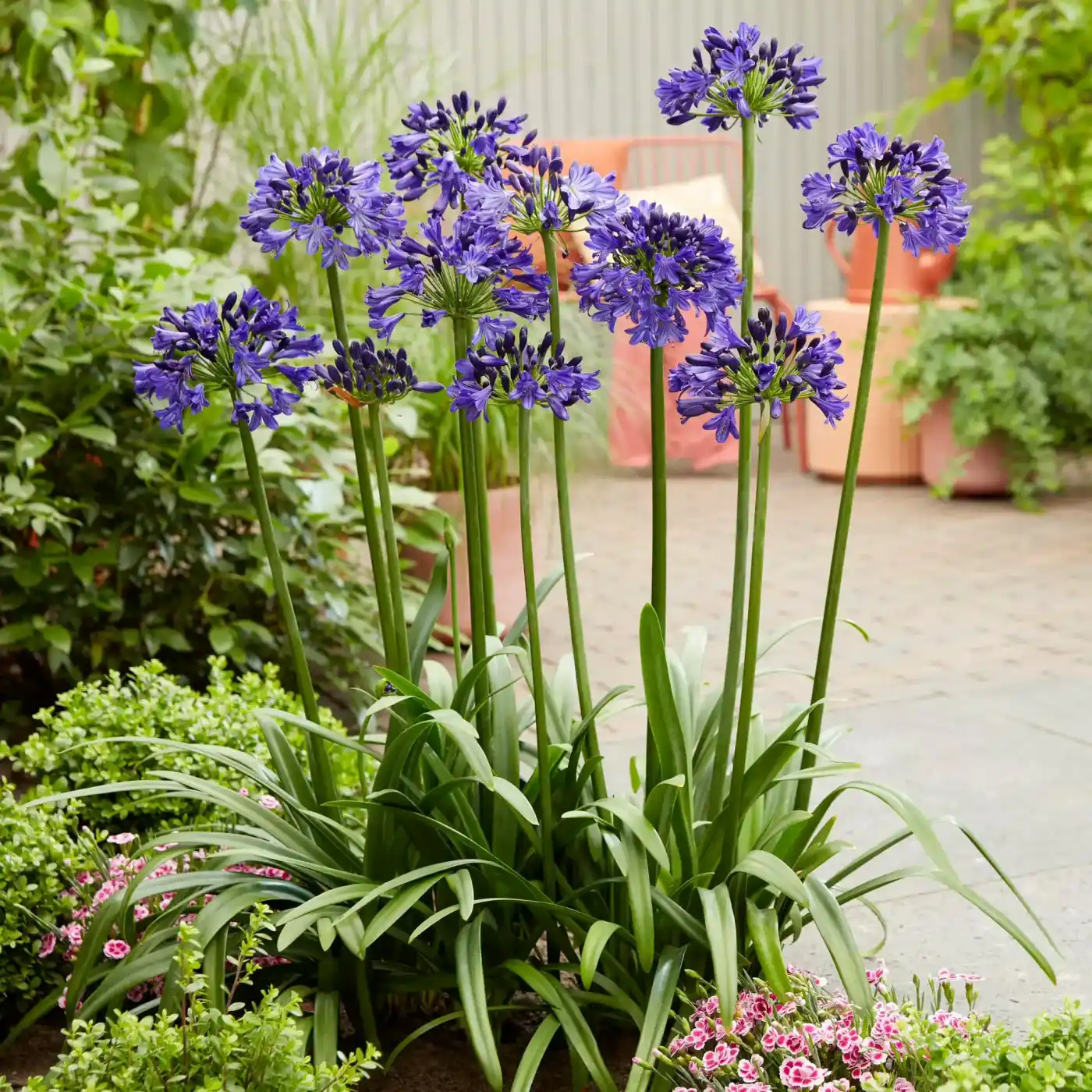
Coontie is practically bulletproof—this native cycad needs almost no water once established and provides year-round structure to your landscape. For color and movement, Muhly grass creates stunning pink-purple plumes each fall and requires virtually zero maintenance. Firebush attracts butterflies and hummingbirds while thriving in full sun with minimal water.
Saw Palmetto offers the classic Florida look without the fuss, and its fan-shaped leaves create natural screening. Beach Sunflower spreads to create cheerful ground cover that blooms continuously with no deadheading required. These plants don’t just survive in sandy soil—they prefer it.
The beauty of native plants extends beyond individual species. They create an ecosystem that supports itself. Native plants attract beneficial insects that control pests naturally, reducing the need for chemical interventions. Their deep root systems help prevent erosion during heavy rains, solving one of Central Florida’s biggest landscape challenges.
Where you put plants matters just as much as what you plant. Smart placement can eliminate most of your maintenance headaches while creating natural beauty that enhances itself over time.
Group plants with similar water needs together. This prevents the common mistake of overwatering drought-tolerant plants or underwatering thirsty ones. Place water-loving species like Blue Flag Iris in low spots where water naturally collects after rains. Position drought-tolerant plants like Lantana on slopes and elevated areas where water drains quickly.
Create natural borders using different plant heights and textures instead of relying on constant trimming. Tall background plants like Firebush or Simpson’s Stopper provide privacy and wind protection for smaller plants in front. Mid-height plants like Coontie bridge the gap, while low groundcovers like Beach Sunflower fill in spaces and suppress weeds.
Consider mature sizes when planting. That small shrub might look lost today, but proper spacing prevents overcrowding that leads to disease, poor air circulation, and the need for constant pruning. Native plants often grow larger than expected because they’re so well-suited to local conditions.
The “right plant, right place” principle saves countless hours of maintenance. Plants placed in their preferred conditions grow stronger, resist pests better, and require less intervention from you. It’s the difference between working with nature and fighting against it.
Want live answers?
Connect with a MainStreet Landscaping expert for fast, friendly support.
Hardscaping isn’t just about patios and walkways—it’s about creating structure that reduces your workload while adding functionality to your outdoor space. The right hardscape elements can eliminate problem areas while creating focal points that look great year-round.
Think beyond traditional grass lawns, which require constant watering, mowing, and fertilizing in Florida’s challenging climate. Strategic use of pavers, gravel, and stone can create attractive alternatives that never need cutting or watering.
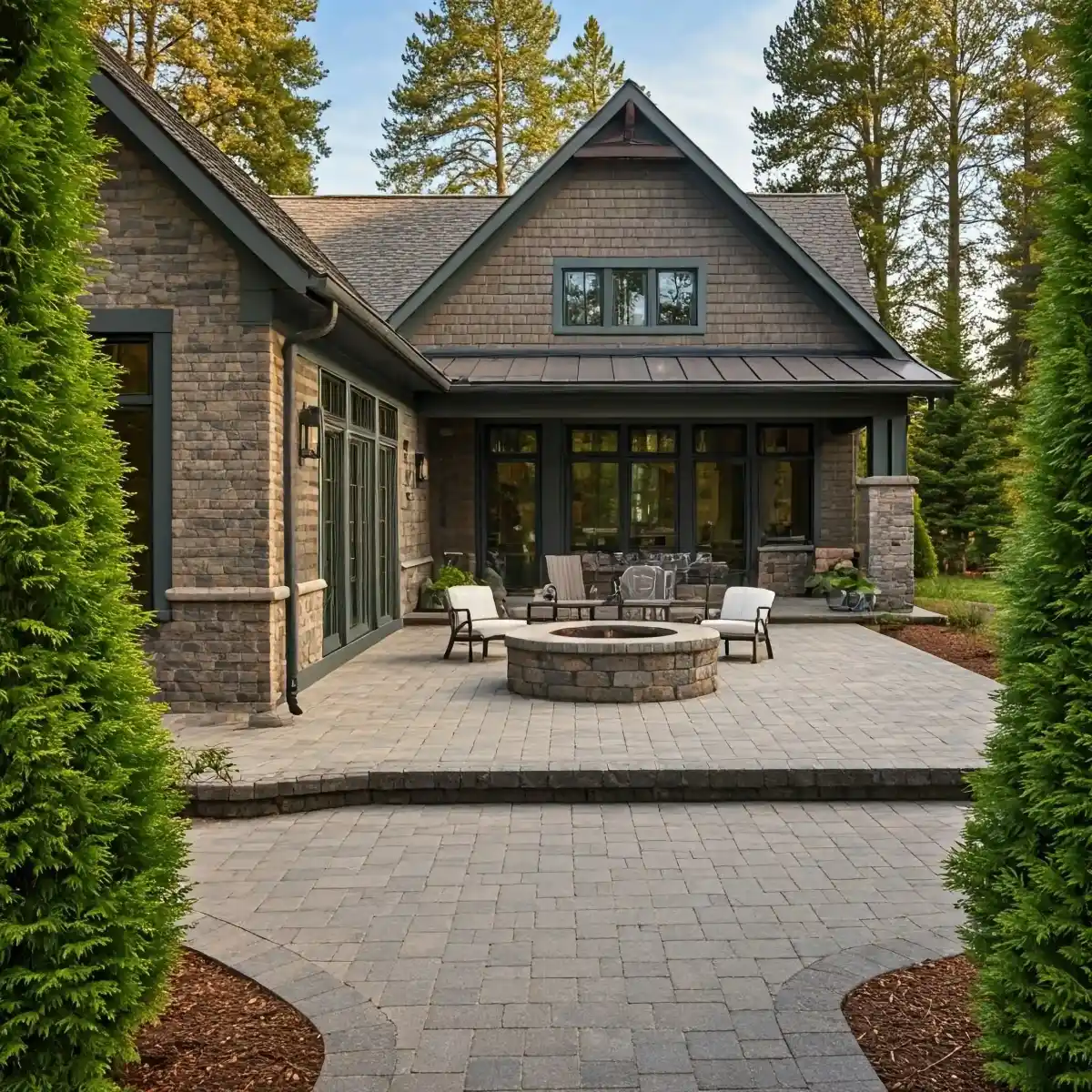
Well-designed paver installations solve multiple problems at once. They create defined spaces that prevent soil compaction from foot traffic, provide stable surfaces during rainy season, and add value to your property without ongoing maintenance costs.
Choose pavers that complement your home’s architecture and the natural landscape. Tremron and Belgard offer excellent options designed specifically for Florida’s climate, with colors and textures that won’t fade under intense sun. Proper installation with adequate base preparation ensures your hardscape will last decades with minimal maintenance.
Consider permeable pavers for areas where drainage is important. These allow water to filter through while providing solid surfaces for walking and entertaining. They’re particularly effective around trees, where traditional concrete can damage root systems and create drainage problems.
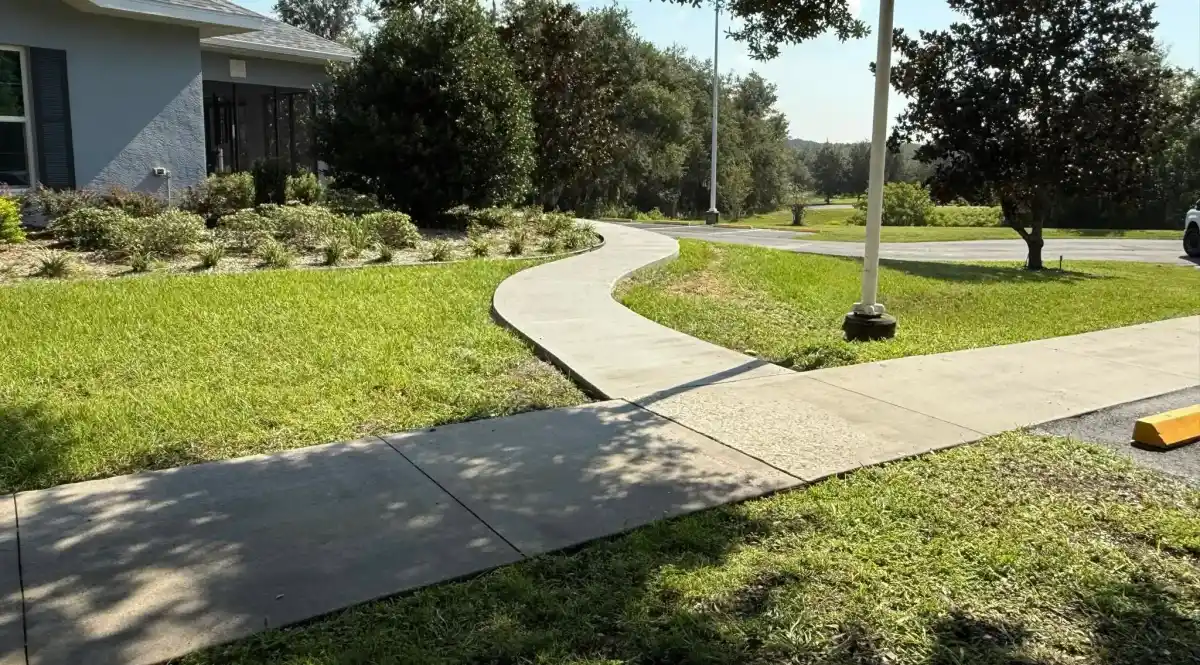
Curved pathways feel more natural and can guide visitors through your landscape while showcasing your best plantings. Straight lines work well for formal designs and can make small spaces feel larger. The key is choosing a style that complements your overall landscape design and maintenance goals.
Remember that hardscaping is an investment in your daily life. A well-placed patio extends your living space outdoors, while thoughtfully designed walkways make it easy to enjoy your landscape without creating muddy paths or worn areas in your lawn.
Proper ground cover is one of the most effective ways to reduce maintenance while improving your landscape’s appearance. The right materials suppress weeds, conserve moisture, and create visual interest without requiring ongoing care.
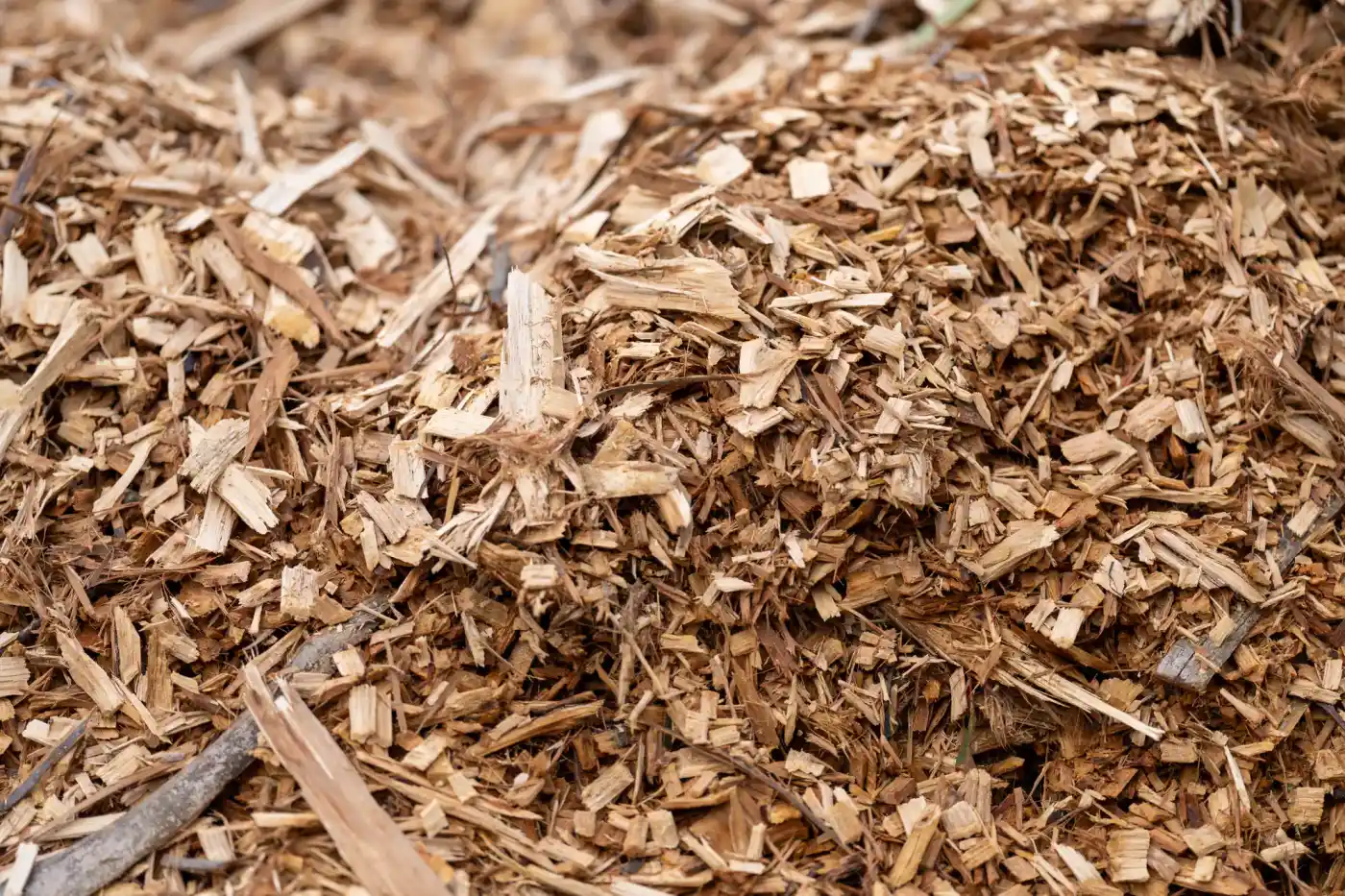
Organic mulches like pine bark or cypress chips work well around planted areas. They break down slowly, adding nutrients to sandy soil while maintaining consistent moisture levels. Keep mulch 3-4 inches deep for effective weed suppression, but avoid piling it against plant stems or building foundations where it can trap moisture and attract pests.
Decorative rock and gravel create permanent solutions for high-traffic areas and spaces where organic mulch might wash away during heavy rains. River rock works well around downspouts and drainage areas, while smaller decorative gravel can define pathways and create attractive borders between different landscape zones.
Consider the long-term picture when selecting ground cover materials. Organic mulches need periodic refreshing but improve soil over time. Stone and gravel are permanent but don’t add nutrients. Many successful low-maintenance landscapes combine both, using organic mulch in planted beds and stone in pathways and drainage areas.
Color and texture choices can tie your landscape together visually. Neutral tones like gray or tan work with most plant combinations and don’t compete for attention. Bolder colors can create focal points but should be used sparingly to avoid overwhelming the natural beauty of your plantings.
The best low-maintenance landscape starts with realistic planning that considers your specific site conditions, lifestyle, and long-term goals. Success comes from making smart choices upfront rather than trying to fix problems later.
Start by identifying your property’s microclimates—areas that stay wetter or drier, sunnier or shadier than others. These natural variations guide plant selection and help you work with your site’s existing conditions rather than against them. A professional landscape assessment can save you years of trial and error.
Consider your actual maintenance preferences and capabilities. If you enjoy some gardening, include a few areas for seasonal color or herbs. If you want minimal involvement, focus on permanent plantings and hardscape features that look great with little intervention.
For Homosassa homeowners ready to transform their outdoor spaces into beautiful, low-maintenance landscapes, we at Mainstreet Landscaping bring nearly three decades of local experience and expertise. Our understanding of Central Florida’s unique challenges and opportunities can help you create the perfect balance of beauty and practicality for your specific property.
Article details:
Share:
Continue learning: