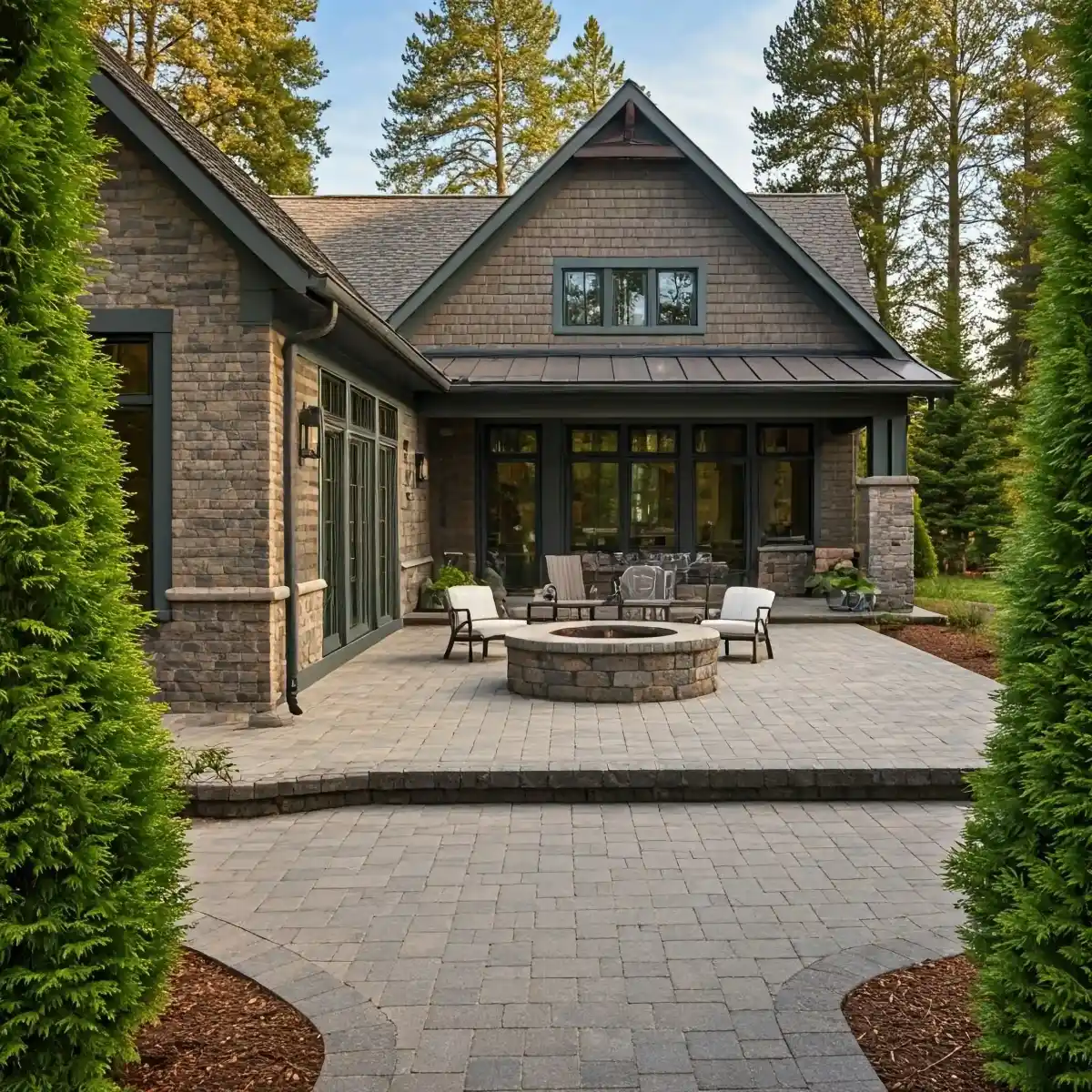
Citrus County homeowners are embracing outdoor living trends that blend comfort, style, and functionality—creating backyard spaces that work as hard as they look good.
Share:
Summary:
Florida’s climate gives you something most of the country doesn’t have: the ability to use your outdoor space year-round. That’s not just a nice perk. That’s extra square footage you’re not taking advantage of.
When you invest in outdoor living design, you’re not decorating. You’re expanding your home’s functionality without the cost of adding a room or finishing a basement. A well-designed patio, pergola, or outdoor kitchen becomes an extension of your daily life—not just a place you visit during cookouts. And in Citrus County, where the weather cooperates most of the year, that investment pays off in comfort, convenience, and resale value.
The difference between a yard and an outdoor living space comes down to intentionality. One is just grass and a grill. The other is designed with purpose, built to last, and planned around how you actually live.
The days of one big patio with a table are fading. Homeowners want outdoor spaces that do more than one thing.
Think about how you use your indoor space. You’ve got a kitchen for cooking, a living room for relaxing, maybe a dining area for meals. Your outdoor space should work the same way. In 2026, the trend is toward creating distinct zones—each with its own purpose. Maybe it’s a covered dining area near the house, a fire pit zone for evening conversations, and a pergola-shaded lounge space for afternoon reading. These aren’t separate projects. They’re parts of a cohesive design that makes your backyard feel intentional instead of random.
We approach this by mapping out how you’ll move through the space. Where will people naturally gather? Where do you need shade? What areas get the most foot traffic? Answering those questions before we start building saves you from ending up with a beautiful patio that nobody uses because it’s in the wrong spot.
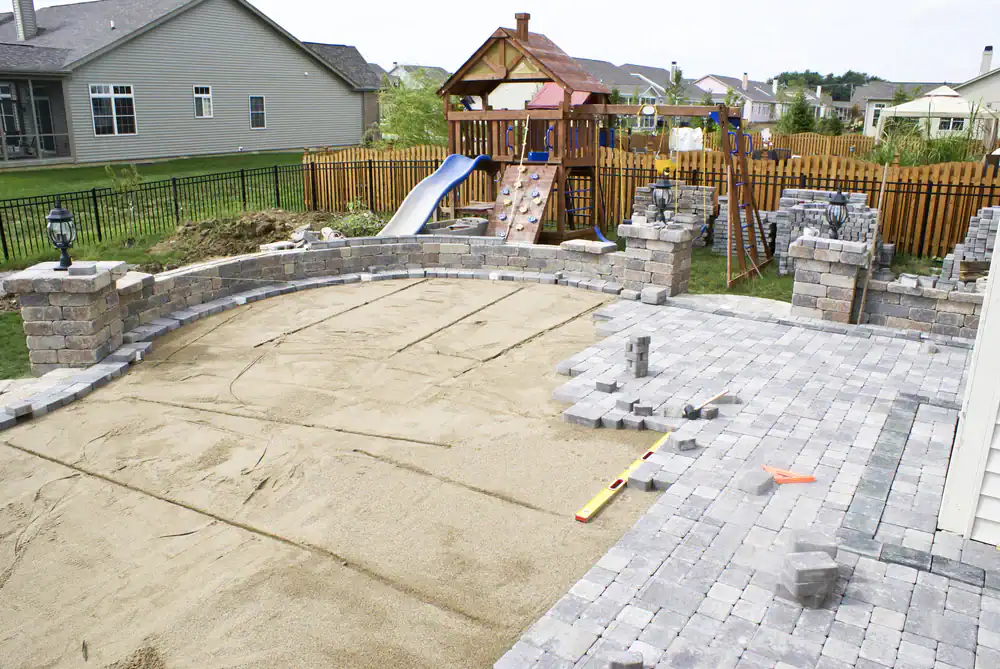
Hardscape elements like pavers, retaining walls, and pathways help define these zones without making your yard feel chopped up. When done right, each area flows into the next. You’re not walking from one space to another—you’re moving through a landscape that feels connected. That’s the difference between a backyard that looks good in photos and one that actually works in real life.
Materials matter here, too. In Florida, you need surfaces that can handle heat, humidity, and the occasional downpour without cracking, fading, or turning into a slip hazard. Pavers, natural stone, and composite materials hold up better than wood or basic concrete, and they require less maintenance over time. That means you spend less time fixing things and more time using the space you built.
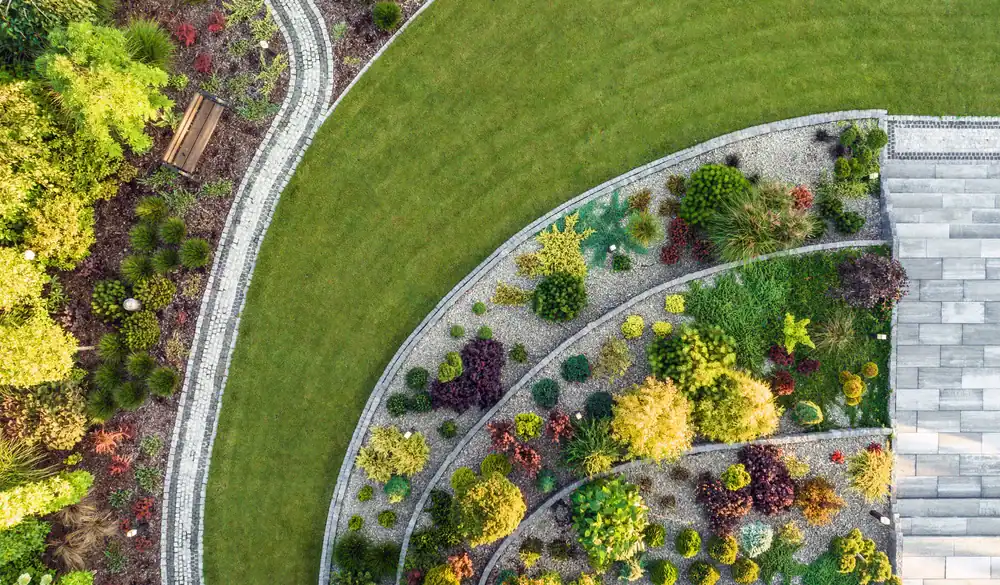
The goal isn’t to fill every inch of your yard with hardscape. It’s to create structure where it’s needed and leave room for greenery, open space, and flexibility. Balance is what makes an outdoor living space feel comfortable instead of cluttered.
Trends come and go, but the priorities behind them stay pretty consistent. In 2026, Citrus County homeowners are focused on three things: shade, durability, and usability.
Shade is non-negotiable in Florida. You can’t enjoy your outdoor space if you’re squinting into the sun or sweating through your shirt by 10 a.m. Pergolas are one of the most popular solutions because they provide coverage without making the space feel closed off. Unlike a solid roof, a pergola filters light and allows airflow, which keeps the area cooler. Add some climbing plants or a retractable canopy, and you’ve got adjustable shade that works with the weather instead of against it.
Durability is the second priority. Nobody wants to replace a patio or rebuild a fire pit every few years. That’s why materials like pavers, natural stone, and powder-coated steel are becoming standard. They’re built to withstand Florida’s heat, rain, and humidity without constant upkeep. When you’re choosing materials, think about how they’ll look in five years, not just five days. Cheap materials might save you money upfront, but they’ll cost you more in repairs and replacements down the road.
Usability is where design meets real life. A beautiful outdoor space that doesn’t match how you live isn’t worth much. If you entertain often, you need seating and counter space. If you cook outside, you need a functional layout with storage and prep areas. If you just want a quiet place to unwind, you need comfortable furniture and a layout that feels private. We ask these questions before we start drawing plans because the best outdoor living spaces are built around the people using them.
Lighting is another element that’s getting more attention. Good lighting extends the usability of your outdoor space into the evening and adds a layer of safety. Pathway lights, uplighting for trees, and subtle accent lighting around seating areas create ambiance without feeling like a stadium. Solar-powered options are popular because they’re low-maintenance and don’t require running electrical lines, but hardwired systems offer more control and consistency.
Fire features are still a major draw. Whether it’s a built-in fire pit or a freestanding fire table, having a focal point for gathering makes your outdoor space feel complete. Fire pits work year-round in Florida—they’re cozy on cooler evenings and still usable during warmer months if placed in a spot with good airflow. The key is making sure it’s positioned away from overhangs, plants, and anything flammable, which is where professional installation makes a difference.
Outdoor kitchens continue to be a strong investment, especially in climates where you can use them most of the year. They don’t have to be elaborate. Even a simple setup with a grill, counter space, and storage transforms how you use your outdoor area. You’re not running back and forth to the indoor kitchen. Everything you need is right there, which makes cooking outside less of a chore and more of an experience.
Want live answers?
Connect with a MainStreet Landscaping expert for fast, friendly support.
Not every outdoor living project needs to include everything. But there are a few features that keep coming up because they deliver real value.
Pergolas top the list. They’re versatile, visually appealing, and functional. You can attach them to your house or build them freestanding. You can leave them open or add a retractable canopy for extra coverage. They work over patios, dining areas, or even poolside lounges. And because they’re not fully enclosed, they don’t require the same permitting as a full roof structure in most cases. That said, it’s always smart to check local building codes before starting any project.
Paver patios are another staple. They’re durable, customizable, and relatively low-maintenance. Unlike poured concrete, pavers can be replaced individually if one cracks or stains. They also come in a range of colors, textures, and patterns, so you’re not locked into a single look. A well-installed paver patio can last decades with minimal upkeep, which is why they’re a go-to choice for homeowners looking for long-term value.
Fire pits are more than just a trend. They’re a practical way to create a gathering spot that works year-round.
In Florida, you don’t need a massive fire feature. A simple, well-placed fire pit or fire table is enough to anchor a seating area and give people a reason to linger. The key is choosing the right fuel source and location. Wood-burning fire pits create ambiance but require more maintenance and produce smoke, which can be an issue if you’re under a pergola or near the house. Gas fire pits are cleaner, easier to control, and safer for covered areas. They don’t produce the same crackle and smell as wood, but they’re more practical for most setups.
Placement matters. You want your fire pit in a spot that’s open enough for ventilation but sheltered enough to feel cozy. Avoid placing it directly under low-hanging branches, awnings, or pergola beams. Even with a gas fire pit, heat rises, and you don’t want to risk damage to overhead structures. A good rule of thumb is to leave at least 10 feet of clearance above the flames and keep flammable materials at least three feet away on all sides.
Seating around the fire pit should be comfortable and arranged to encourage conversation. Built-in bench seating works well because it’s permanent and doesn’t shift around, but movable chairs give you flexibility. Either way, make sure there’s enough space for people to walk behind the seating without squeezing through. That little bit of extra room makes the area feel more welcoming and less cramped.
Safety is non-negotiable. If you’re building a permanent fire pit, it should have a solid base—preferably pavers, stone, or concrete. Grass and mulch are fire hazards and should never be used as a base. If you’re going with a portable fire pit, make sure it sits on a heat-resistant surface and is stable enough that it won’t tip over. Keep a fire extinguisher or water source nearby, and never leave a fire unattended.
Design-wise, fire pits can be as simple or elaborate as you want. A basic stone surround is timeless and functional. If you want something more custom, you can integrate the fire pit into a larger hardscape design with built-in seating, retaining walls, or even water features nearby. The contrast between fire and water creates a dynamic focal point and adds a resort-style feel to your backyard.
One thing to keep in mind: fire pits add value, but they also add responsibility. Make sure you’re comfortable with the maintenance and safety requirements before committing to a permanent installation. If you’re unsure, start with a portable option and see how often you actually use it. If it becomes a regular part of your routine, then it’s worth investing in a built-in feature.
Pergolas aren’t new, but the way people are using them is evolving.
Traditional pergolas were mostly decorative—nice to look at, but not particularly functional. In 2026, homeowners want pergolas that do more. That means integrated lighting, built-in fans, retractable canopies, and even motorized louvered roofs that adjust based on the weather. These features turn a simple shade structure into a fully functional outdoor room that you can use in any conditions.
Materials are shifting, too. Wood pergolas still have their place, especially if you’re going for a rustic or natural look. Cedar and redwood are popular because they’re naturally resistant to rot and insects. But they require regular staining and maintenance to keep them looking good. Aluminum and vinyl pergolas are gaining ground because they’re virtually maintenance-free and can withstand Florida’s humidity without warping or fading. They don’t have the same warmth as wood, but they’re practical, durable, and available in a range of styles that mimic traditional designs.
Size and placement are critical. A pergola that’s too small feels like an afterthought. One that’s too large can overwhelm your yard. The goal is to match the scale of the pergola to the space it’s covering. If you’re shading a dining table, measure the table plus at least two feet on all sides to allow for chairs and movement. If you’re covering a lounge area, think about how the furniture will be arranged and make sure the pergola extends beyond the seating.
Attached pergolas—ones that connect to your house—are popular because they create a seamless transition from indoors to outdoors. They also tend to cost less because they only need two support posts instead of four. Freestanding pergolas offer more flexibility in placement and can be positioned anywhere in your yard. They’re ideal if you want to create a separate zone away from the house, like a poolside cabana or a garden retreat.
Lighting is one of the easiest ways to elevate a pergola. String lights add a casual, inviting vibe. Recessed lighting or track lights offer a cleaner look and better illumination for dining or reading. Solar-powered options are convenient, but hardwired systems give you more control over brightness and placement. If you’re planning to add lighting, talk to an electrician during the design phase so you can run wiring before the pergola is built.
Retractable canopies and shade sails are becoming standard add-ons. They give you the option to adjust coverage based on the weather. On a hot afternoon, you can extend the canopy for full shade. On a cooler evening, you can retract it and enjoy the open sky. This flexibility makes your outdoor space more versatile and comfortable throughout the year.
Climbing plants are another way to enhance a pergola. Bougainvillea, jasmine, and wisteria are popular choices in Florida because they thrive in the heat and add color and texture. Just keep in mind that plants require maintenance—pruning, watering, and occasional pest control. If you’re not up for that, stick with a clean, architectural design and skip the greenery.
The bottom line: a pergola is an investment that pays off in comfort, usability, and curb appeal. But it’s only worth it if it’s designed and built correctly. Cheap kits and DIY installations often end up looking wobbly or out of place. Professional installation ensures your pergola is level, stable, and built to last. It’s the difference between a structure that enhances your property and one that becomes a maintenance headache.
Outdoor living design isn’t about copying what you see online. It’s about creating a space that works for how you live.
Start by thinking about how you’ll actually use the space. Do you entertain often? Do you want a quiet retreat? Are you looking for a place where the kids can play while you relax? Once you know what you need, the design decisions become a lot easier. From there, it’s about choosing materials that will hold up in Florida’s climate, planning for shade and drainage, and making sure everything is built to last.
We bring experience that saves you time, money, and frustration. We know what works in Citrus County—what materials hold up, what layouts make sense, and what mistakes to avoid. We handle permits, grading, and installation so you don’t have to figure it out on your own. And when the project is done, you’ve got an outdoor space that adds value to your home and gives you a reason to spend more time outside. If you’re ready to turn your backyard into something you’ll actually use, we’ve been helping Citrus County homeowners do exactly that since 1995.
Article details:
Share:
Continue learning: