Florida's brutal sun, heavy rain, and sandy soil destroy concrete in years. But do pavers actually hold up better? Here's what 29 years of installations in Citrus County taught us.
Share:
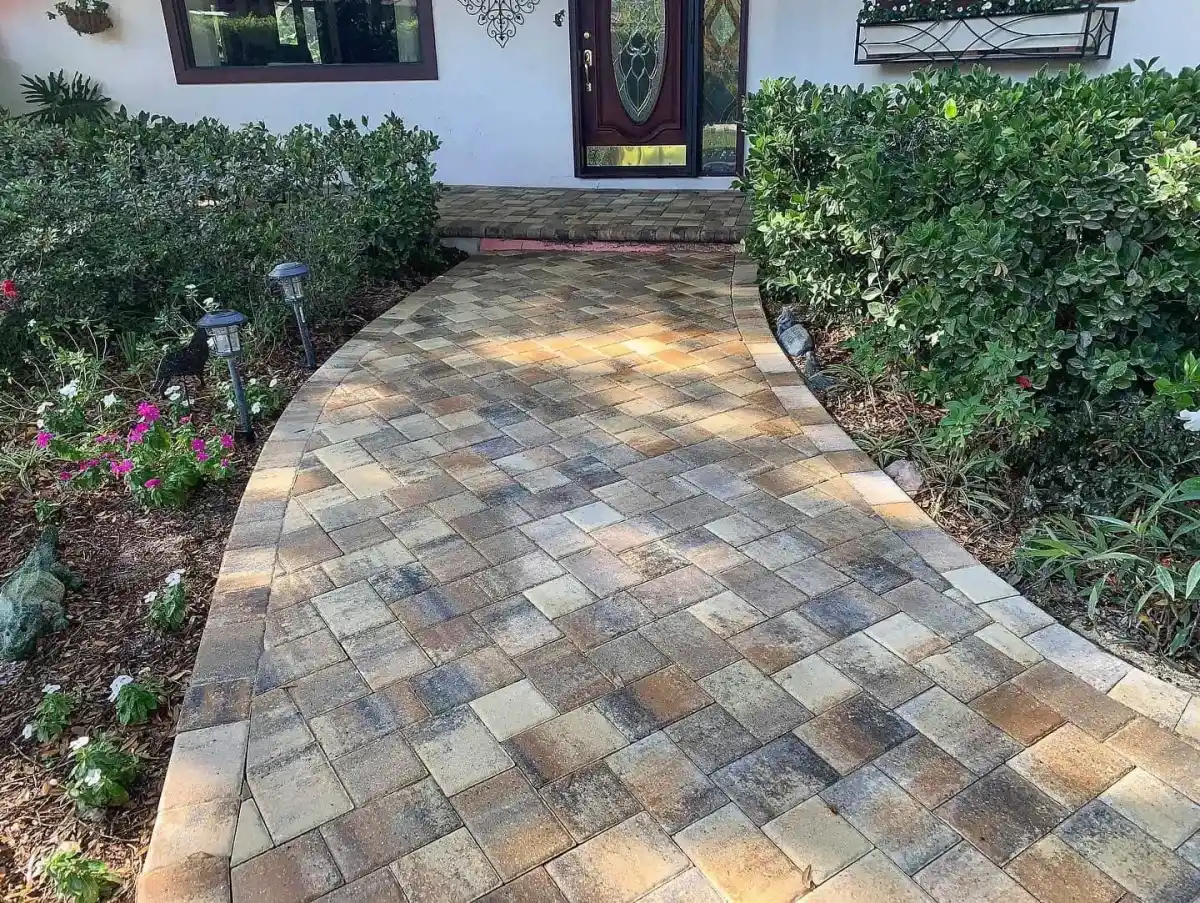
Summary:
Florida doesn’t go easy on driveways, patios, or pool decks. The combination of factors here creates conditions that most hardscaping materials weren’t designed to handle.
Intense UV exposure bleaches color and breaks down surface integrity. Humidity that hovers around 70-80% year-round creates perfect conditions for mold, mildew, and algae. Afternoon thunderstorms dump inches of rain in minutes, testing drainage systems constantly. And underneath it all, sandy soil shifts with moisture changes and temperature swings, putting pressure on rigid surfaces.
Concrete fights these conditions and loses. It’s poured as one solid slab, so when the ground moves, the concrete has nowhere to go. It cracks. When UV rays beat down day after day, the surface fades and becomes porous. When water sits on top during storms, it eventually finds its way into those cracks and makes everything worse.
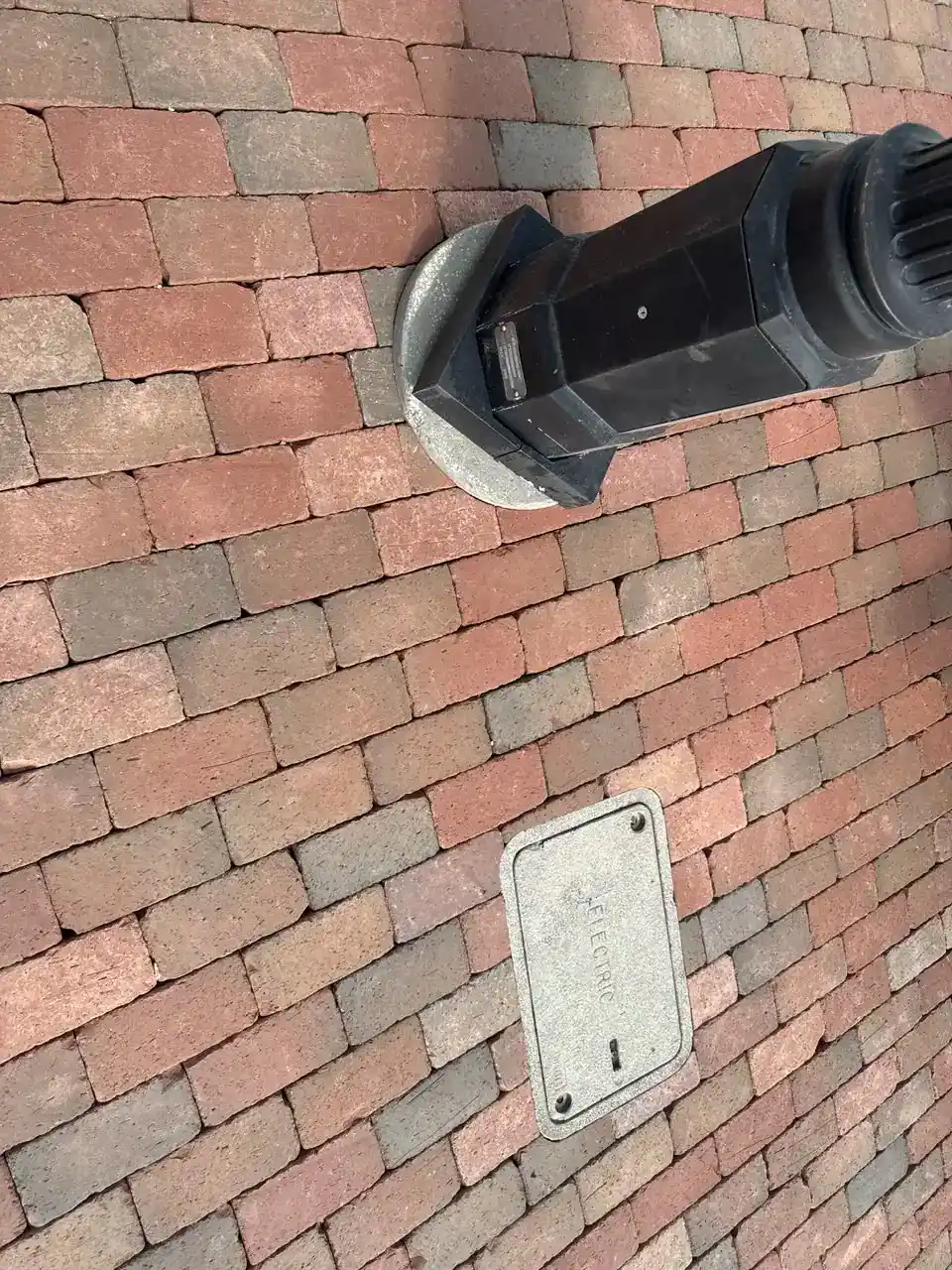
Walk barefoot across a concrete driveway on a summer afternoon in Citrus County and you’ll understand the heat problem immediately. Concrete absorbs thermal energy and holds onto it. Surface temperatures can hit 120-140°F, making outdoor spaces uncomfortable or even unsafe.
Pavers work differently. Individual units with joints between them allow for air circulation that concrete can’t provide. Lighter-colored pavers reflect more sunlight instead of absorbing it, keeping surfaces noticeably cooler. The real advantage shows up in how they handle expansion and contraction from temperature changes.
When concrete heats up and expands, it has nowhere to go. The slab pushes against itself, creating internal stress. Cool it back down and it contracts, pulling in different directions. Repeat this cycle daily for years and cracks become inevitable. Pavers expand and contract individually. The joints between them absorb the movement, so the stress never builds up enough to cause damage.
UV protection matters just as much as heat resistance. Florida’s sun is relentless. Unsealed concrete loses color quickly, turning from whatever shade you started with to a washed-out gray. The surface becomes porous as UV rays break down the top layer, making it more susceptible to staining and moisture absorption.
Quality pavers start with better color stability built into the material. When you add professional sealing with UV inhibitors designed for Florida’s climate, you create a barrier that blocks the sun’s damaging effects. The color stays vibrant, the surface stays protected, and you’re not looking at a faded, aged appearance in just a few years.
The difference becomes obvious when you drive through neighborhoods where driveways were installed around the same time. Concrete looks tired and weathered. Properly sealed pavers still look sharp.
If you live in Citrus County, you already know how fast weather changes. A sunny morning turns into a downpour by 2 PM. When those storms hit, water has to go somewhere. How your driveway, patio, or pool deck handles that water determines whether you’re dealing with puddles, erosion, or worse.
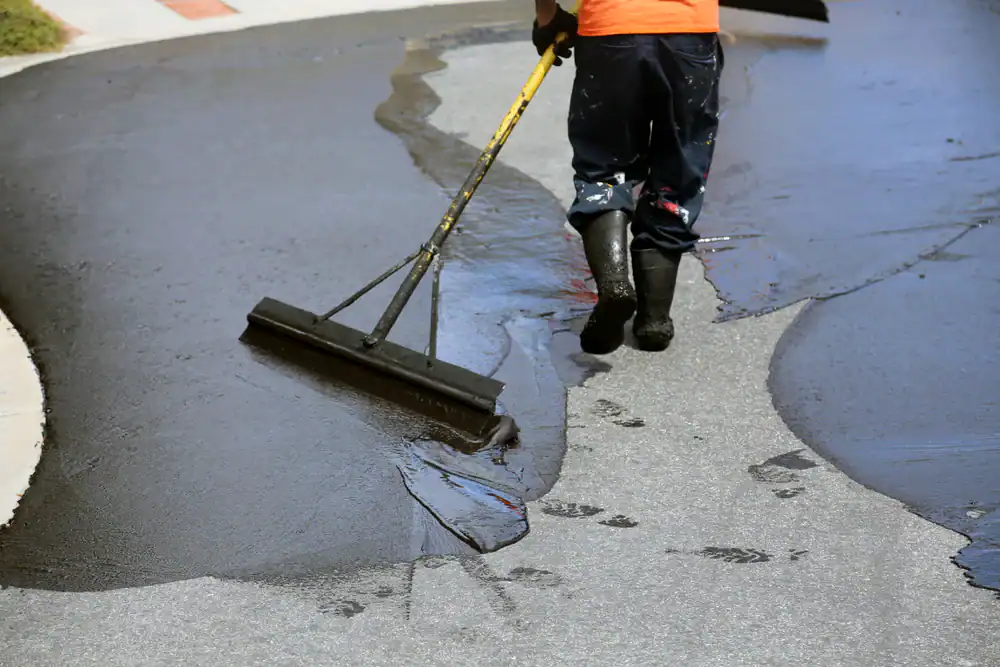
Concrete creates a solid, non-permeable surface. Water can’t move through it, so it has to flow across the top. If the slab wasn’t graded perfectly during installation, you get pooling. If it develops even small cracks over time, water finds those weak points and makes them worse. Heavy rain washes across the surface, potentially eroding the edges or creating runoff problems that affect your landscaping or foundation.
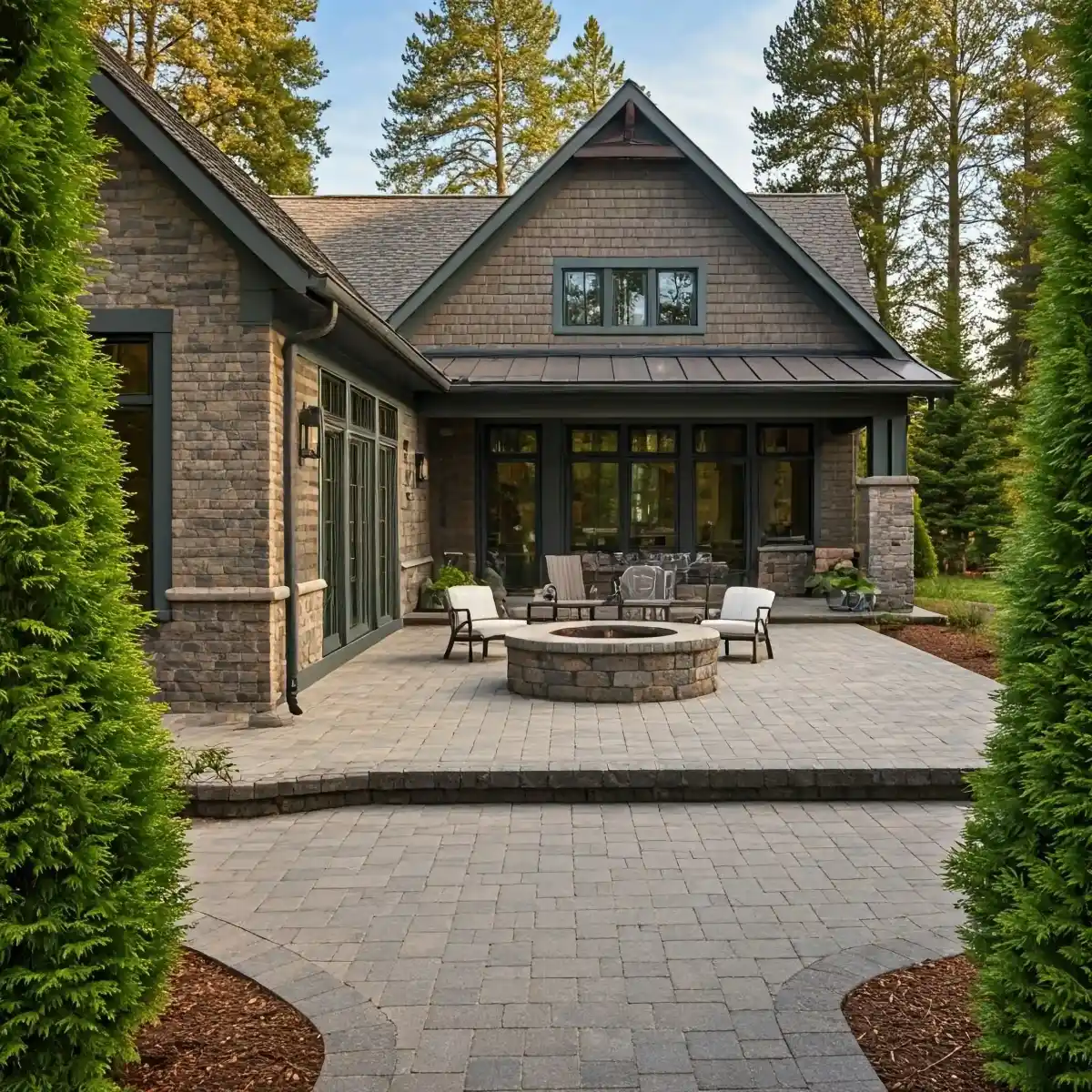
Pavers are designed with drainage in mind. The joints between individual units allow water to filter through to the layers below instead of forcing it all to run across the surface. A properly installed paver system includes a graded base that directs water away from your home, compacted base materials that support weight while allowing drainage, and joint sand that lets water pass through while keeping pavers stable.
This design handles Florida’s intense afternoon storms better because water has multiple paths to move where it should. You don’t get the same pooling issues. The surface dries faster after rain. And because water can drain through the system instead of sitting on top or forcing its way into cracks, you avoid the erosion and damage that shortens concrete’s lifespan.
Drainage isn’t just about avoiding puddles. It’s about protecting the entire structure underneath. When water can’t drain properly, it saturates the base material. In Florida’s sandy soil, that creates instability. Areas start to sink or settle unevenly. With concrete, that means cracking and expensive repairs. With pavers, individual units can be lifted and reset if settling occurs—a much simpler and cheaper fix.
The best paver installations in Citrus County factor in our specific drainage challenges from the start. That means proper understanding of local soil conditions, typical rainfall patterns, and how to grade a base so water flows away from structures instead of toward them. It’s not complicated, but it has to be done right.
Want live answers?
Connect with a MainStreet Landscaping expert for fast, friendly support.
Lifespan matters when you’re making an investment in your property. Nobody wants to replace a driveway or patio every decade. The question isn’t just whether pavers look better initially—it’s whether they actually hold up longer in the conditions we deal with here.
Concrete driveways in Citrus County typically start showing cracks within 5-10 years. Sometimes sooner if the base wasn’t prepared correctly or if soil movement is significant. Once cracks start, they spread. Water gets in, Florida’s heat and humidity accelerate deterioration, and you’re looking at costly repairs or full replacement.
Properly installed pavers last 30-50 years in Florida. That’s not marketing talk—it’s what happens when you use quality materials, install them correctly, and maintain them with basic care. The difference comes down to how each material responds to stress.
Citrus County sits on sandy soil that shifts constantly. When it rains, soil absorbs moisture and expands slightly. When it dries out, it contracts. Temperature changes cause similar movement. This is normal, but it creates problems for rigid surfaces that can’t adapt.
Concrete is poured as a single unit. When the ground underneath moves, the concrete has to move with it or crack trying to resist. There’s no middle ground. Even with expansion joints cut into the slab, you’re still dealing with large rigid sections that can’t flex. Sandy soil doesn’t shift uniformly, so one part of your driveway might be experiencing different pressure than another part. That’s when cracks form.
Pavers are individual interlocking units. When soil shifts underneath, each paver can adjust slightly without affecting the entire surface. The joints between pavers absorb movement that would crack concrete. It’s a flexible system instead of a rigid one.
This matters more in Florida than in places with clay-heavy or rocky soil. Our sandy base doesn’t provide the same stable foundation that other regions have. We build paver installations with thicker compacted bases—often 6-8 inches for driveways instead of the 2-3 inches some installers use. That extra depth creates stability while still allowing the flexibility that makes pavers work in our conditions.
Edge restraints play a role too. Quality installations use concrete molded edging, not plastic edging with spikes. Florida’s sandy soil is too soft for plastic edging to hold properly over time. You end up with pavers that spread or shift at the edges. Concrete edging locks everything in place while the individual pavers maintain their flexibility in the field.
The result is a surface that adapts to ground movement instead of fighting it. You don’t get the cracks. You don’t get the uneven settling that creates trip hazards. And when you’re looking at your driveway or patio 20 years after installation, it still looks level and performs like it should.
Even the best pavers need protection from Florida’s environment. That’s where sealing comes in. It’s not optional if you want maximum lifespan and minimum maintenance. Sealing creates a protective barrier that addresses multiple problems at once.
Humidity in Citrus County promotes mold, mildew, and algae growth on any porous surface. Unsealed pavers can develop dark patches, especially in shaded areas or near pool decks where moisture is constant. These aren’t just cosmetic issues—they make surfaces slippery and dangerous. A quality sealer blocks moisture from penetrating the paver surface, which eliminates the conditions these organisms need to grow.
UV protection is the other major benefit. Florida’s sun fades everything eventually, but sealed pavers maintain their color far longer than unsealed ones. The sealer contains UV inhibitors that block the sun’s damaging rays from breaking down the paver’s surface. You keep that rich, vibrant color instead of watching it bleach out over a few years.
Sealing also locks joint sand in place. When afternoon thunderstorms roll through, unsealed joints can lose sand to erosion. That sand is what keeps pavers stable and prevents shifting. A good sealer hardens the joint sand, creating a stable surface that rain can’t wash away. You’re not constantly adding sand or dealing with pavers that have started to separate.
Stain resistance matters too. Oil from vehicles, leaves, pool chemicals—all of these can stain unsealed pavers permanently. Sealed surfaces repel these materials, making cleanup simple. Spills sit on top of the sealer instead of soaking into the paver, so a quick rinse handles most problems.
The best sealing windows in Florida are March through May and October through December. These periods offer lower humidity and less frequent rain, allowing the sealer to cure properly. Avoid mid-summer when humidity peaks and hurricane season when moisture levels are unpredictable. Professional sealing applied during the right window, using products engineered specifically for Florida’s climate, makes the difference between protection that lasts and sealer that fails prematurely.
Resealing every 2-3 years maintains that protection. It’s not a huge expense or time investment, but it extends your pavers’ lifespan significantly and keeps them looking great with minimal effort.
Pavers hold up in Florida weather when three things happen: you use quality materials designed for our climate, installation is done correctly with proper base preparation and drainage, and you maintain them with basic sealing and care. Skip any of those and you’re setting yourself up for the same problems concrete creates.
The difference between pavers that last 30-50 years and ones that fail in 10 comes down to understanding what Florida’s environment demands. It’s not enough to lay pavers on sand and hope for the best. The base needs to be thick and properly compacted. Drainage has to be planned for our heavy storms. Edge restraints need to work in sandy soil. And sealing needs to happen on the right schedule with products that handle our UV exposure and humidity.
When it’s done right, you get an outdoor surface that flexes with soil movement instead of cracking, drains water instead of pooling it, resists fading and mold instead of deteriorating, and looks sharp for decades instead of years. If you’re considering pavers for your driveway, patio, or pool deck in Citrus County, working with contractors who’ve been installing them here since 1995 means you’re getting experience that understands exactly what works in our conditions. We’ve been doing this right the first time for nearly three decades at Mainstreet Landscaping.
Article details:
Share:
Continue learning: