Your backyard doesn't need to sit empty after dark. Fire pits and quality paver installations turn unused outdoor space into the spot where your family actually wants to gather.
Share:
Summary:
Florida’s climate gives you something most of the country doesn’t get—the ability to use outdoor space almost year-round. But that same climate destroys cheap installations fast.
Concrete cracks under our temperature swings. Plain grass turns into a mud pit during rainy season. And without a focal point like a fire pit, there’s no real reason to go outside once the sun sets.
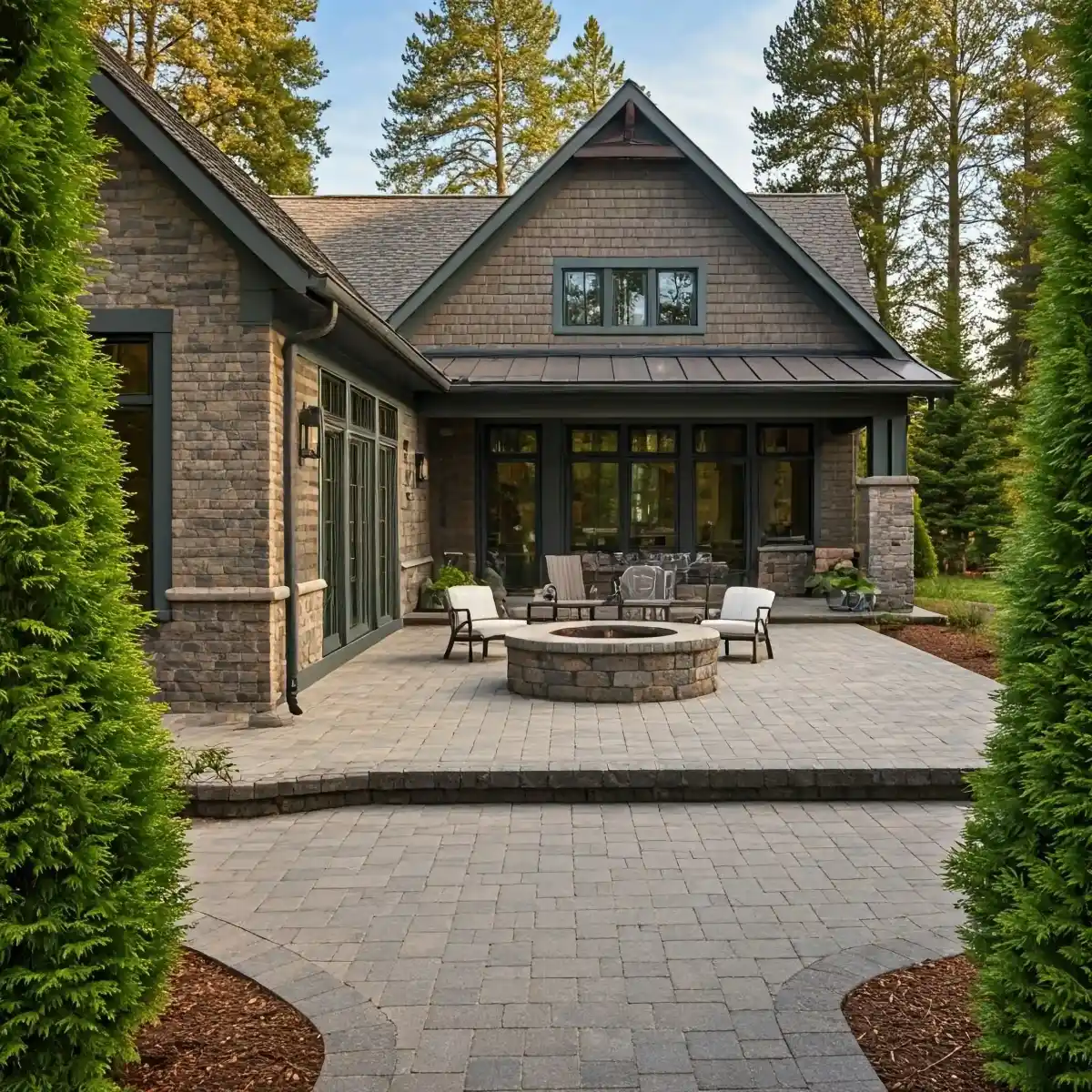
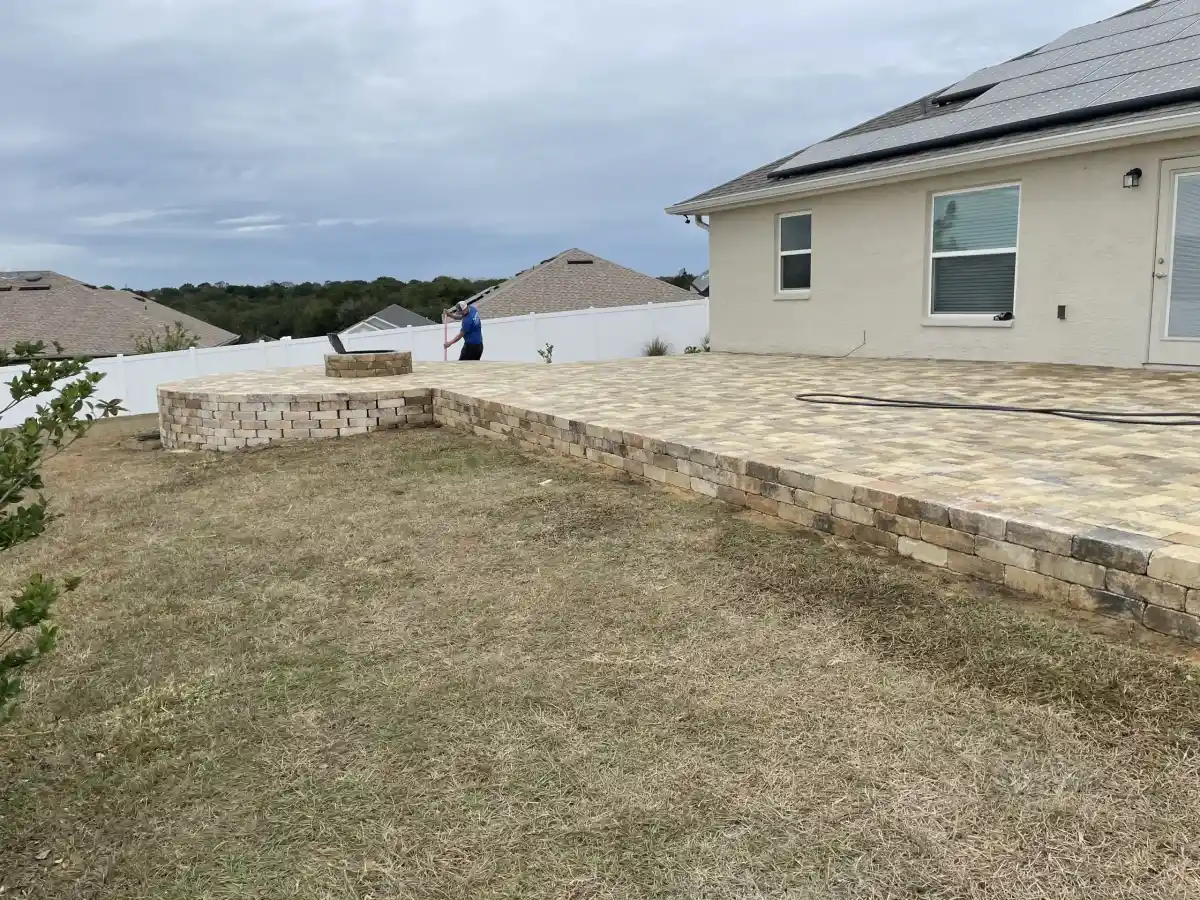
Paver patios paired with fire pits solve both problems at once. The pavers handle Florida’s weather without cracking the way concrete does. The fire pit gives you a reason to actually be out there, even on cooler evenings. Together, they create landscaping that works with our climate instead of fighting it.
Walk through any Citrus County neighborhood and you’ll see plenty of cracked concrete patios. There’s a reason for that.
Concrete is one solid piece. When the ground shifts—and in Florida’s sandy soil, it will—that slab cracks. Tree roots growing underneath? Cracks. Temperature changes causing expansion and contraction? More cracks. Heavy rain washing out the base? You get the idea.
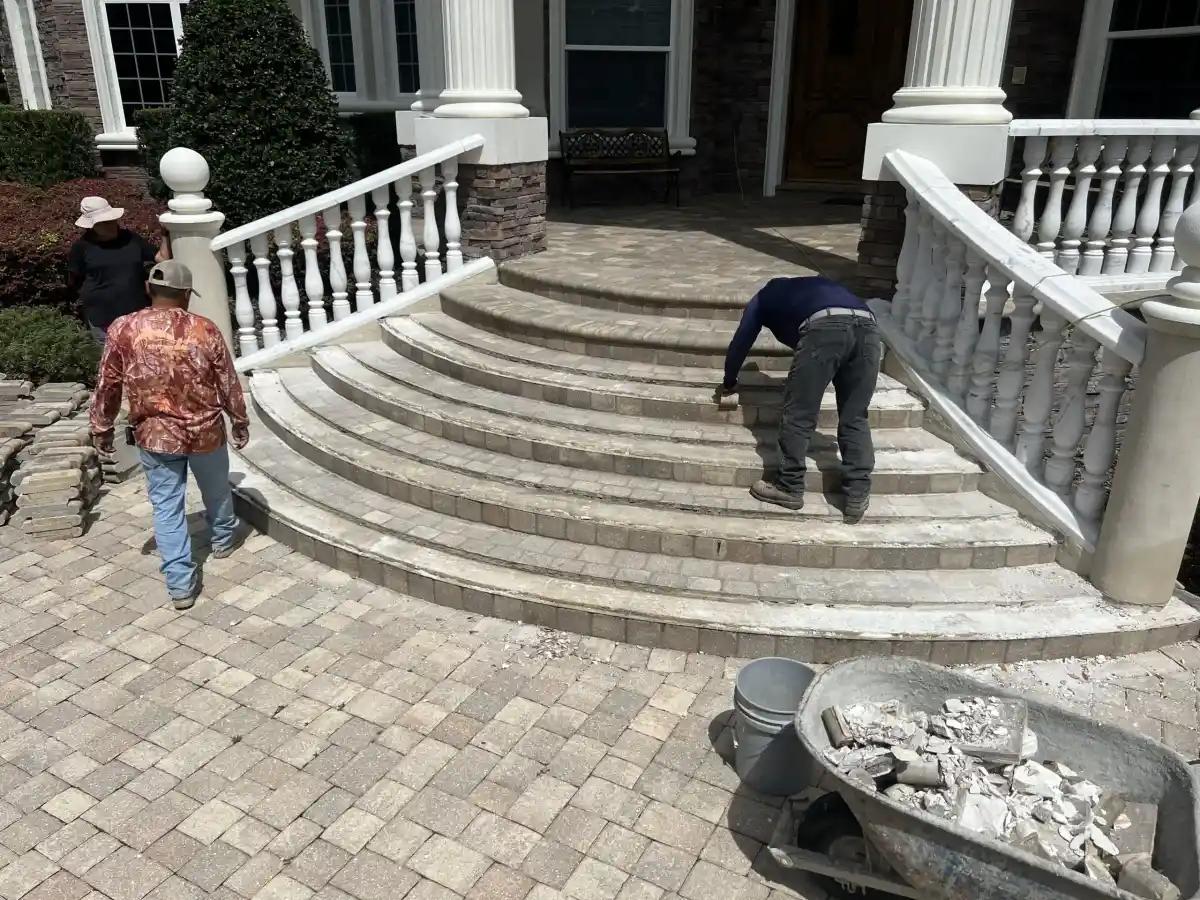
Pavers work differently. Each paver is its own unit, sitting on a properly prepared base. When the ground shifts, the pavers shift with it instead of cracking. If a paver does get damaged, you replace that one paver. With concrete, you’re looking at replacing or patching the entire slab, and the patch never quite matches.
Then there’s the heat factor. Stand barefoot on concrete in July and you’ll understand immediately. Concrete absorbs and holds heat, making it uncomfortable to walk on. Pavers stay noticeably cooler, which matters when you’re walking to the pool or gathering around a fire pit.
Drainage is another big one. Concrete forces water to run off the surface, which can create pooling problems. Pavers allow water to drain through the joints, working with Florida’s heavy rainfall instead of fighting it. That’s not just better for your patio—it’s better for your whole yard’s drainage system.
The design flexibility matters too. With concrete, you get a slab. Maybe stamped, maybe stained, but still limited. Pavers come in different colors, textures, patterns, and sizes. You can create borders, mix styles, or design something that actually complements your home instead of just filling space. Our landscape designers can help you create patterns and layouts that transform basic hardscaping into something that looks custom-built for your property.
Installation time is shorter with pavers too. Once they’re down, they’re done. No waiting for concrete to cure. You can walk on them, use them, and enjoy them immediately.
A patio gives you the foundation. A fire pit gives you the reason to be there.
There’s something about fire that draws people in. It’s not complicated—it’s warmth, light, and a natural gathering point that makes outdoor space feel intentional instead of accidental. Without that focal point, a patio is just a nice surface. With a fire pit, it becomes the spot where people actually want to spend time.
In Citrus County, that matters year-round. Yes, even in Florida, we get cool evenings—especially in winter months and after storms pass through. A fire pit extends your outdoor season significantly. Instead of heading inside when temperatures drop, you stay comfortable outside.
The practical benefits stack up quickly. Fire pits add property value because buyers recognize them as desirable features. They create a natural entertainment space without requiring a massive investment in outdoor furniture or complex structures. And they’re low-maintenance compared to most outdoor features.
But the real value is harder to quantify. It’s the evenings you spend outside instead of inside. The conversations that happen around the fire. The s’mores with the kids. The quiet time unwinding after work. Those aren’t marketing talking points—they’re the actual reasons people install fire pits and then wonder why they waited so long.
Fire pit options range from simple wood-burning designs to gas-powered units with remote controls. Wood-burning gives you that authentic campfire experience—the smell, the crackling, the whole atmosphere. Gas-burning offers convenience—flip a switch and you’ve got instant flame with no cleanup.
Size matters too. A small fire pit works for intimate gatherings of four to six people. Larger designs accommodate bigger groups and create a more dramatic focal point. The right size depends on your space, your typical group size, and how you plan to use it.
Placement requires thought. You want the fire pit positioned where it’s accessible from the house but far enough from structures to be safe. It should integrate with your paver patio layout naturally, creating flow instead of feeling like an afterthought. And you need to consider smoke direction based on prevailing winds, so you’re not constantly dealing with smoke blowing into seating areas.
Want live answers?
Connect with a MainStreet Landscaping expert for fast, friendly support.
The difference between a paver patio that looks great for two years and one that looks great for twenty comes down to installation quality. This is where working with experienced hardscaping professionals makes all the difference.
You can buy the most expensive pavers on the market, but if the base isn’t right, you’re wasting money. Florida’s sandy soil and heavy rainfall make proper base preparation even more critical here than in other climates.
The base needs to be thick enough to handle settling and drainage. Skimping on base material saves money upfront but costs you later when pavers start sinking or shifting. A quality installation includes proper excavation, a compacted gravel base, and the right amount of sand—all graded to ensure water drains away from your home.
Install pavers without sealing them and you’re only halfway done. Paver sealing protects your investment from Florida’s specific challenges—UV fading, mold and mildew growth, weed infiltration, and sand erosion.
Florida’s sun is relentless. Unsealed pavers fade over time, losing the color that made them attractive in the first place. Sealed pavers maintain their vibrancy year after year because the sealer creates a UV-resistant barrier.
Then there’s the humidity and rain. Florida’s climate is perfect for growing things—including things you don’t want growing between your pavers. Mold, mildew, algae, and weeds all thrive in our conditions. Sealing locks in the joint sand and creates a barrier that significantly reduces these problems.
Sand erosion is a big one. Heavy rain washes sand out of paver joints, which eventually leads to shifting and instability. Sealed joints resist this erosion, keeping your patio stable and level. That’s not just cosmetic—it’s structural.
Stain resistance matters too. Oil drips from the grill, rust from metal furniture, dirt tracked from the yard—all of these penetrate unsealed pavers and create permanent stains. Sealed pavers resist staining because liquids can’t penetrate the surface as easily. When spills happen, you clean them up instead of living with them forever.
The sealing process isn’t complicated, but it requires the right products and proper application. Water-based sealers work well in Florida because they allow pavers to breathe while still providing protection. They dry quickly, which matters when afternoon storms can roll in without warning.
Resealing frequency depends on traffic and sun exposure. Most paver patios need resealing every two to three years. High-traffic areas or full-sun locations might need it more often. Shaded areas with less use can go longer between applications.
Signs you need resealing are pretty obvious. Fading color, weeds growing between pavers, sand washing out of joints, or water no longer beading on the surface all indicate it’s time. Don’t wait until problems are severe—preventive maintenance is always cheaper than repairs.
Not all pavers perform equally in Florida’s climate. The right choice depends on your specific project—driveway pavers, patio installation, pool paver installation, or walkway—and how you plan to use the space.
Concrete pavers are the most popular option for good reason. They’re durable, cost-effective, and available in an enormous range of styles. Modern concrete pavers can mimic the look of natural stone, brick, or even wood, giving you design flexibility without the price tag of premium materials.
Travertine pavers work especially well for pool paver installation because they stay cool underfoot even in direct sun. They’re porous, which means excellent drainage, and they don’t get slippery when wet. The natural stone look adds a high-end feel to pool decks and patios.
Brick pavers offer a classic look that ages well. They’re extremely durable and can last for decades with minimal maintenance. The color goes all the way through the brick, so wear and fading are less noticeable than with some concrete pavers.
Size matters for function. Smaller pavers work better for driveway pavers because they distribute weight more evenly and are less likely to crack under vehicle traffic. Larger pavers can work beautifully for patios and walkways where vehicles won’t be driving.
Thickness is another consideration. Standard pavers work fine for patios and walkways. Driveways need thicker pavers to handle vehicle weight without cracking. Pool decks have specific requirements for slip resistance and heat absorption.
Color choice affects more than just appearance. Lighter colors stay cooler in the sun, which matters for barefoot traffic. Darker colors show less dirt and can create dramatic visual impact. Consider your home’s exterior colors and the overall look you’re trying to achieve. Our landscape designers can help you select colors and patterns that complement your property’s existing features.
Texture affects safety and comfort. Smooth pavers look sleek but can be slippery when wet. Textured surfaces provide better traction, especially important around pools and in areas that get wet frequently.
Edge treatment determines how your patio or driveway holds up over time. Proper edging keeps pavers from shifting and creates clean lines that look professionally installed. Options include concrete edging, metal restraints, or additional border pavers.
The goal isn’t just a pretty patio. It’s creating space you use regularly, space that adds value to how you live, not just how your property looks.
That happens when you combine quality materials with thoughtful landscaping design. Pavers that handle Florida’s climate without cracking or fading. A fire pit positioned where it makes sense for your space and how you entertain. Proper lighting so the area is usable after dark. Seating arrangements that encourage conversation instead of everyone staring at their phones.
The best outdoor living spaces feel like natural extensions of your home. They’re comfortable, functional, and designed around how you actually spend time outside—not how a magazine photo suggests you should. Whether you’re planning patio paver installation, driveway pavers, or pool paver installation, working with experienced hardscaping professionals ensures your project is built right from the start.
If you’re ready to transform your Citrus County backyard from something you look at to something you actually use, that’s exactly what we’ve been doing at Mainstreet Landscaping since 1995. Quality paver installation, custom fire features, paver sealing, and the kind of attention to detail that means your outdoor space works the way it should—the first time and for years to come.
Article details:
Share:
Continue learning: