Explore the hardscape features Citrus County homeowners are choosing in 2026, from functional paver patios to custom fire features that transform outdoor spaces.
Share:
Summary:
Hardscape design isn’t decoration. It’s durable, functional outdoor space built with non-living materials like pavers, stone, and concrete. In Central Florida, that means choosing features that handle intense heat, heavy rain, and humidity without demanding your weekends.
Paver patios instead of wood decks that rot in three years. Retaining walls that manage water and turn slopes into usable space. Walkways that prevent erosion when summer storms hit. These solve problems—and happen to look great while lasting decades with almost no maintenance.
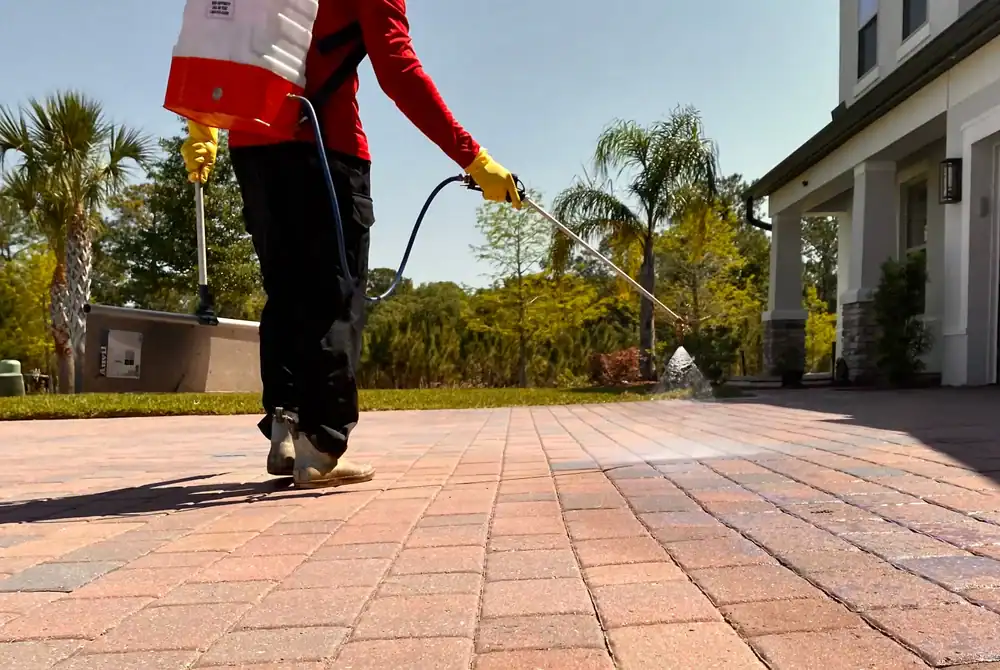
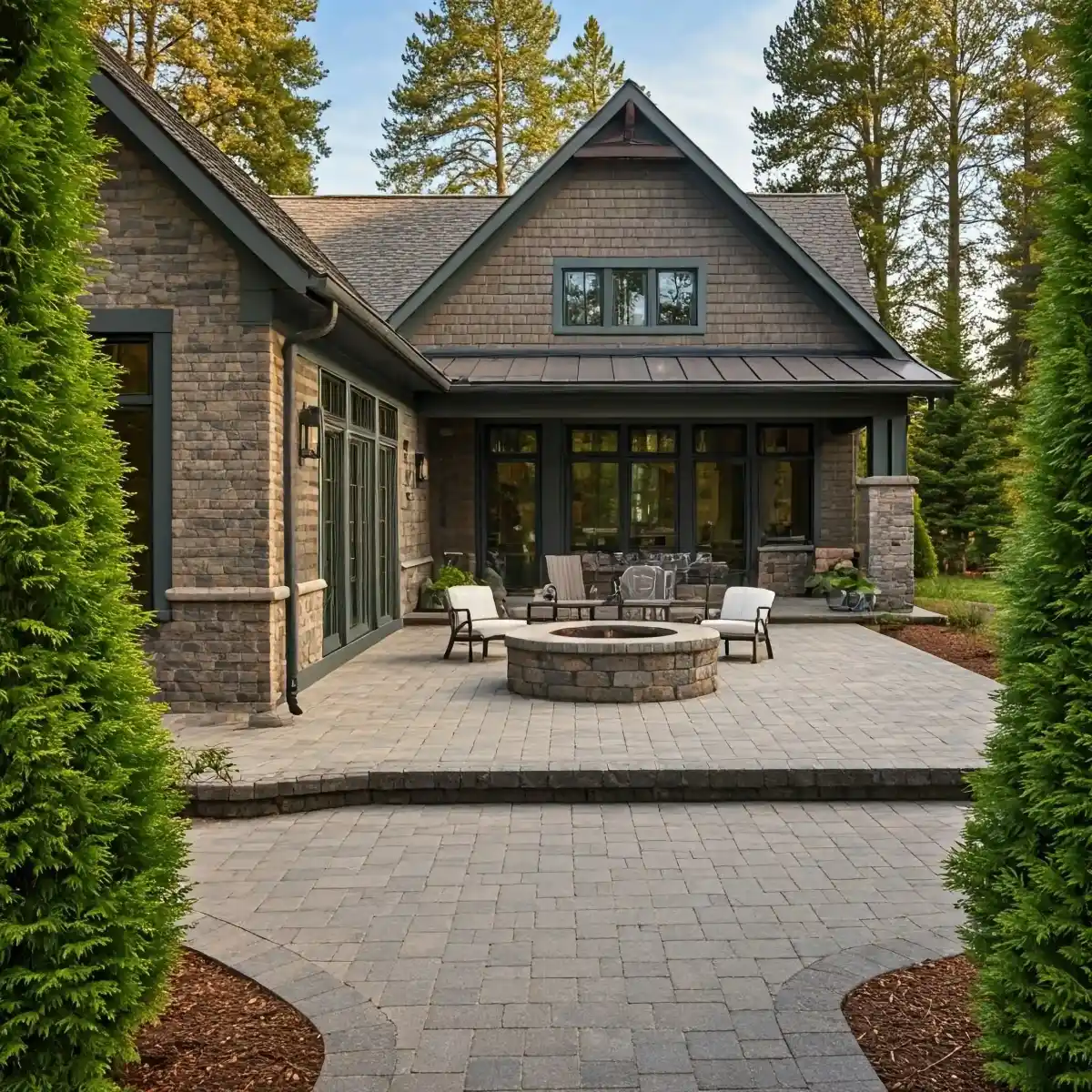
Paver patios keep showing up in Citrus County yards for one reason: they eliminate the weekly maintenance cycle. No mowing. No staining. No constant upkeep. Properly installed pavers just perform.
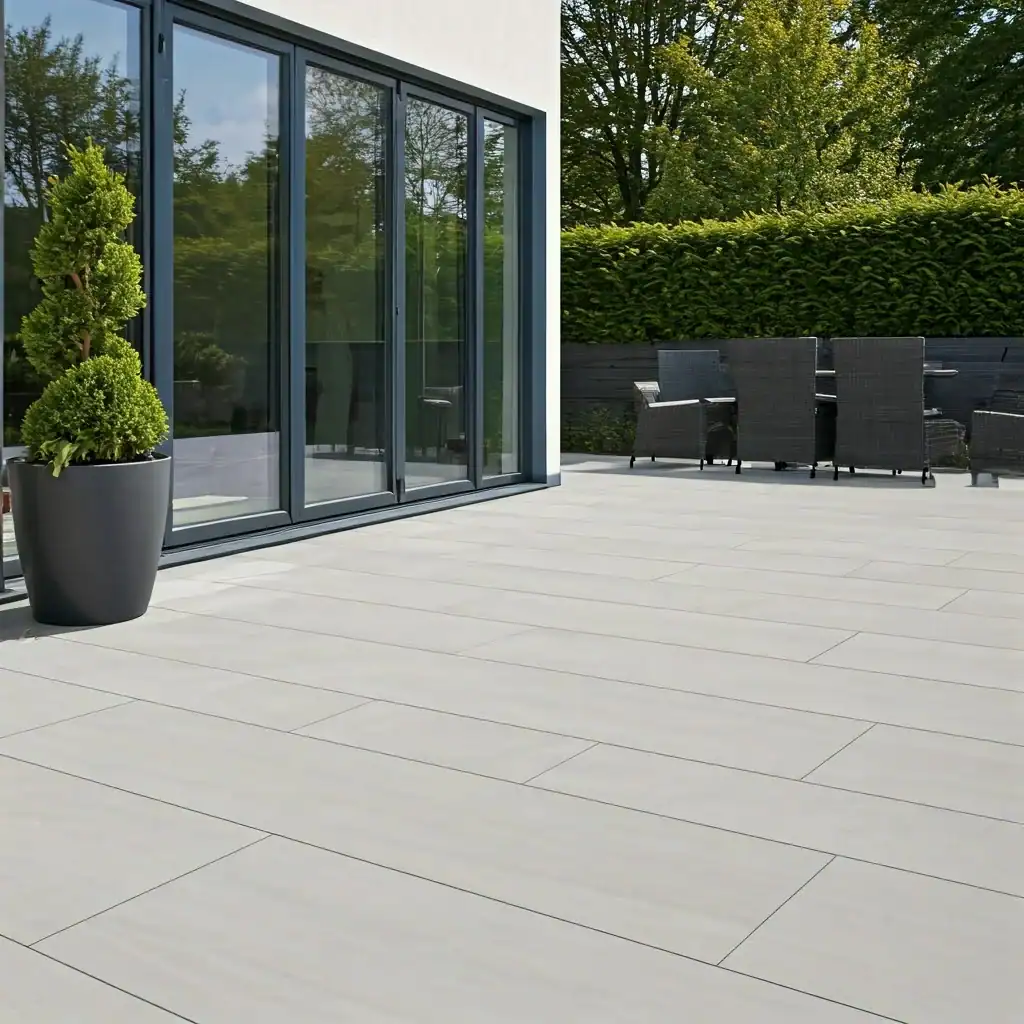
Your material choice determines how your patio feels underfoot and how long it lasts. Concrete pavers give you the most design flexibility—dozens of colors, textures, and patterns without natural stone pricing. Travertine stays noticeably cooler, which matters when you’re barefoot around the pool in July. Porcelain pavers resist staining and fading better than traditional options, though you’ll pay more upfront.
Light colors reflect heat instead of soaking it up. Textured surfaces grip when wet. These aren’t small details when afternoon storms roll through or kids are running around the pool.
Pattern choices have moved past basic layouts. Herringbone, basketweave, and random patterns create visual interest while improving structural stability. The interlocking effect distributes weight better and fights shifting over time.
Installation quality determines whether you’re looking at five years or twenty-five. Citrus County’s sandy soil demands deeper excavation than most places—6 to 12 inches—with compacted base material that won’t settle. Concrete edging locks everything in place. Polymeric sand between pavers stops weeds and ant hills while still allowing drainage.
You won’t see the base work once the job’s done. But it’s the line between a patio that stays level and one that starts sinking after two rainy seasons.
Walkways do more than connect your driveway to your front door. In Florida, they manage water flow, stop soil erosion, and give you clean, dry access when the ground’s soaked. A smart walkway design guides rainwater away from problem areas while keeping your path usable regardless of weather.
Paver walkways beat poured concrete in Florida’s climate. Concrete cracks. Pavers flex with ground movement and can be swapped out individually if one cracks or stains. Water drains between the joints instead of pooling or running somewhere you don’t want it.
Curved walkways integrate better with landscaping and feel more natural. Straight paths work for functional access, but gentle curves add flow and let you tuck in planting beds or lighting along the edges.
Paver driveways cost more upfront than asphalt or plain concrete. But they handle Florida heat without softening, hide oil stains better, and clean up with a power washer. You’re not resurfacing every few years.
Border definition makes a bigger difference than most people realize. Contrasting paver colors or soldier courses frame the space and prevent that “floating in the yard” look. It’s a finishing touch that signals quality work.
Grading keeps water moving off your surfaces instead of pooling. Even a slight slope—barely noticeable when you’re walking—prevents standing water that breeds mosquitoes or damages your base over time.
Want live answers?
Connect with a MainStreet Landscaping expert for fast, friendly support.
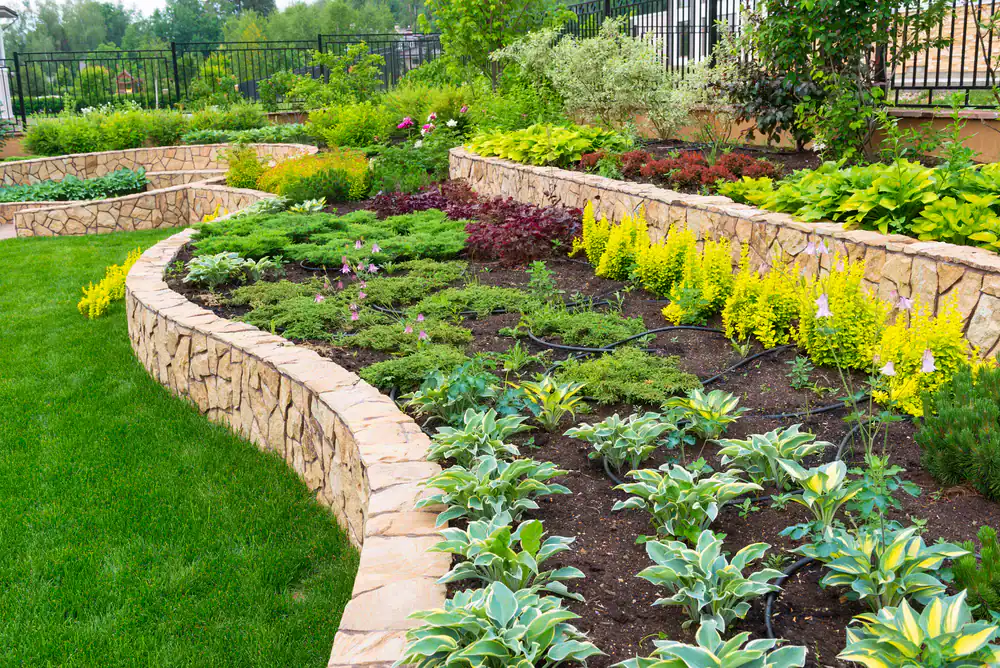
Retaining walls aren’t landscaping borders. In Citrus County, where yards roll and slope, they create flat, usable space, stop erosion, and control where water goes. A well-placed retaining wall turns a sloped yard into terraced gardens, seating areas, or level lawn you can actually use.
Function drives the design. Water runs downhill and takes soil with it. Retaining walls hold that soil while directing water where you want it. That protects your foundation, prevents washout during heavy rains, and gives you control over drainage instead of letting it control you.
Your material choice affects both how your wall looks and how long it lasts. Concrete block retaining walls offer the best mix of strength, durability, and cost for most residential projects. They come in textures and colors that mimic natural stone without the premium price tag.
Natural stone retaining walls deliver an upscale, organic look that blends beautifully with Florida landscapes. Limestone and fieldstone are common choices. They cost more and need skilled installation, but they age well and add real aesthetic value.
Timber retaining walls have mostly disappeared from Florida yards. Wood rots fast in humid conditions, needs constant replacement, and doesn’t handle water exposure. If you’re investing in a retaining wall, pick materials that last decades instead of options that need rebuilding every few years.
Wall height determines how complex the project gets. Walls under three feet typically don’t require engineering, though local codes vary. Taller walls need professional engineering to handle soil pressure and water loads safely. This isn’t optional—it’s about preventing failure that could damage property or hurt someone.
Drainage behind your retaining wall is non-negotiable. Without it, water pressure builds and pushes the wall forward. Quality installations include gravel backfill and drainage pipes that move water away from the wall. You won’t see this once the job’s done, but it’s what keeps your wall standing for decades instead of failing in a few years.
Terraced designs using multiple shorter walls often beat one tall wall. They look more natural, cost less, need less engineering, and create planting opportunities between levels. You can use those terraces for garden beds, seating, or plantings that soften all the hardscape.
Fire pits and fire features have shifted from nice-to-have to essential for Florida homeowners who want to use their outdoor space year-round. Even in Citrus County, winter evenings get cool enough that a fire extends your patio season and creates a natural spot for people to gather.
Custom-built fire pits integrated into your patio look intentional and permanent. They’re built with the same materials as your surrounding hardscape, so everything flows visually. Gas-powered options give you convenience—flip a switch, control the flame, shut it off cleanly. Wood-burning fire pits deliver that traditional campfire experience with crackling and authentic ambiance, though they need more maintenance and cleanup.
Fire tables combine function with style. You get surface space for drinks and plates with flames in the center. They work well for smaller patios where a full fire pit might take over the space.
Linear fire features—long, narrow flame channels—fit modern design and work particularly well along seating walls or as borders between outdoor zones. They create visual impact without eating up the circular footprint of traditional fire pits.
Seating walls around fire features pull double duty. They give you built-in seating that never needs moving or storing, and they help contain the fire area visually and functionally. Height matters—16 to 18 inches works for casual seating, while 24 inches fits bar-height setups.
Safety means proper clearances from structures, overhead coverage, and combustible materials. Local codes specify minimum distances. Non-combustible surfaces around fire features prevent accidents and keep you compliant. If you’re running a gas line for a gas feature, that needs licensed professionals.
Placement affects how you use your entire outdoor space. Fire features work best when they anchor a seating area without blocking traffic flow. You want people gathering around the fire, not walking through the group to reach other parts of your yard.
The best hardscape features solve your specific problems—drainage, unusable slopes, lack of outdoor living space, or maintenance that eats your weekends. Trends matter less than function. What counts is creating outdoor areas you’ll actually use, that handle Florida’s climate without constant attention, and that last long enough to justify what you spend.
Quality installation separates hardscaping that performs for decades from features that fail in a few years. Proper base prep, drainage planning, and material selection aren’t corners worth cutting.
We’ve handled these projects in Citrus County since 1995, working with homeowners to design and install hardscape features that make sense for their properties, budgets, and how they actually want to use their outdoor space.
Article details:
Share:
Continue learning: