Understanding hardscaping vs. landscaping helps you make smarter decisions about your outdoor space and create a beautiful, functional yard.
Share:
Summary:
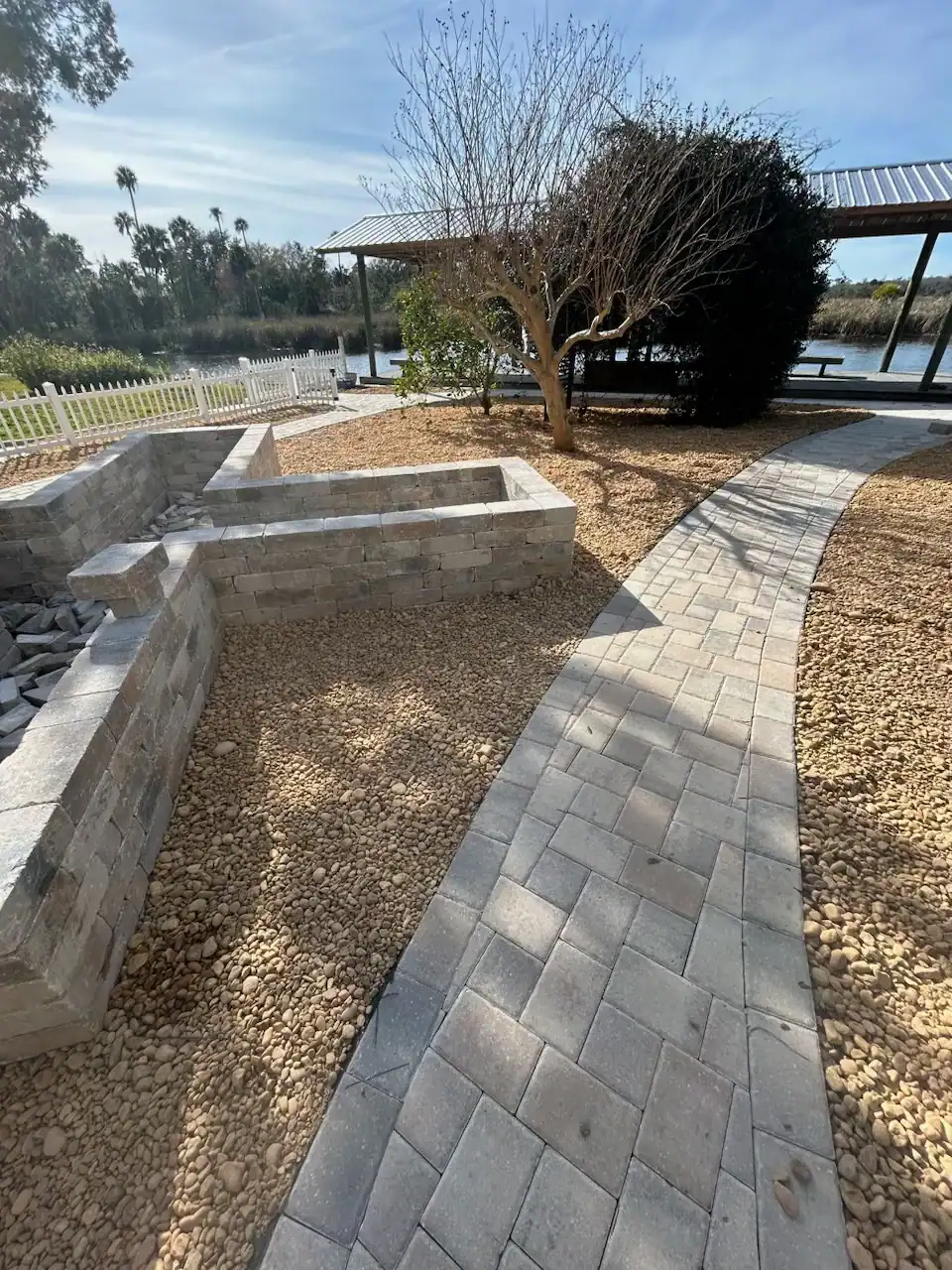
Hardscaping refers to the non-living elements of your landscape design. Think patios, walkways, driveways, retaining walls, fire pits, and any permanent structures that form the backbone of your outdoor space.
These features solve practical problems while adding visual appeal. If you’re dealing with drainage issues, uneven terrain, or simply need functional outdoor living areas, hardscaping provides the structure your property needs. In Florida’s demanding climate, hardscape elements offer particular advantages—they don’t wilt in the heat, survive storms better than plants, and require minimal ongoing maintenance once properly installed.
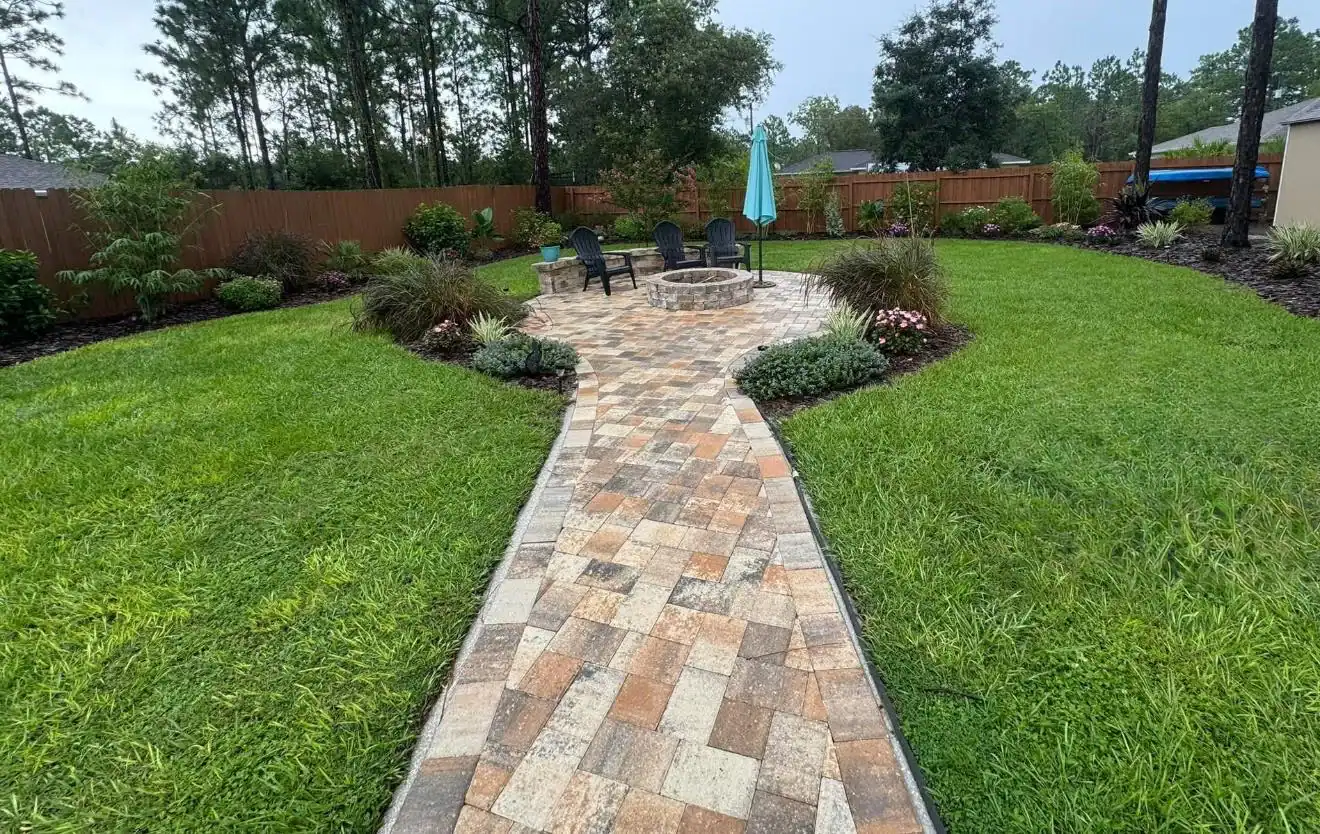
Florida’s year-round heat, humidity, and intense weather patterns make hardscaping an especially smart investment for Citrus County homeowners. Unlike traditional lawns that demand constant watering, mowing, and fertilizing, hardscape features are virtually self-sufficient once installed.
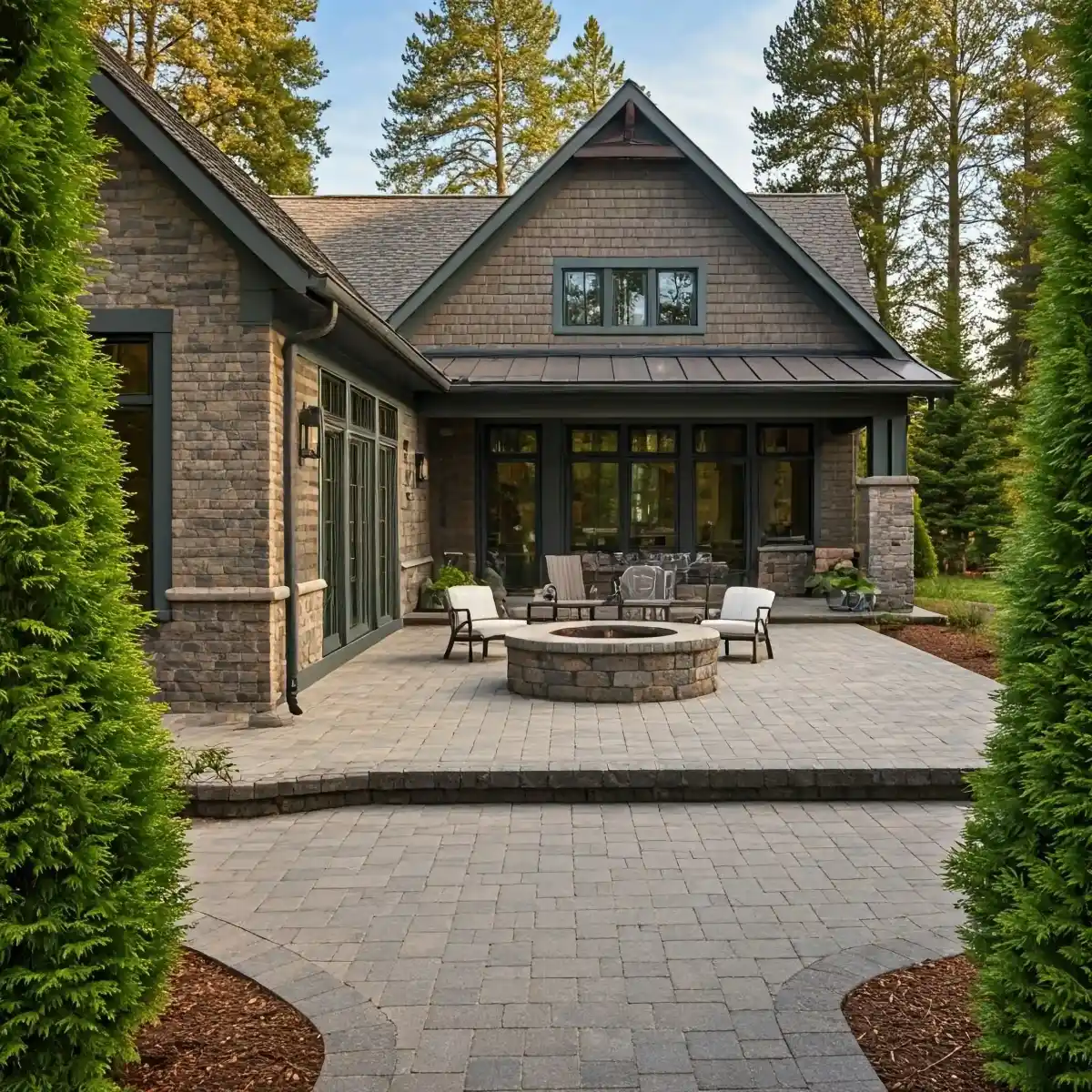
Consider the practical advantages. A well-designed paver patio eliminates the need for weekly lawn maintenance in that area while creating a functional space for outdoor dining and entertaining. Walkways prevent soil erosion during heavy rains while providing safe, attractive paths through your property. Retaining walls solve drainage problems and create usable space on sloped lots.
From a financial perspective, hardscaping delivers excellent long-term value. Professional installation typically lasts 20+ years with minimal upkeep, making it more cost-effective over time than maintaining grass lawns in Florida’s challenging conditions. Property values also benefit—well-designed hardscape features consistently increase home values by improving both curb appeal and functional outdoor living space.
The durability factor can’t be overstated in our climate. While plants struggle with Florida’s intense sun and occasional tropical storms, materials like concrete pavers, natural stone, and properly installed retaining walls are built to withstand these conditions without fading, cracking, or requiring replacement.
The most popular hardscaping projects in our area solve specific problems while enhancing outdoor living. Paver patios top the list because they create immediate outdoor living space that’s ready for furniture and entertaining, regardless of weather conditions.
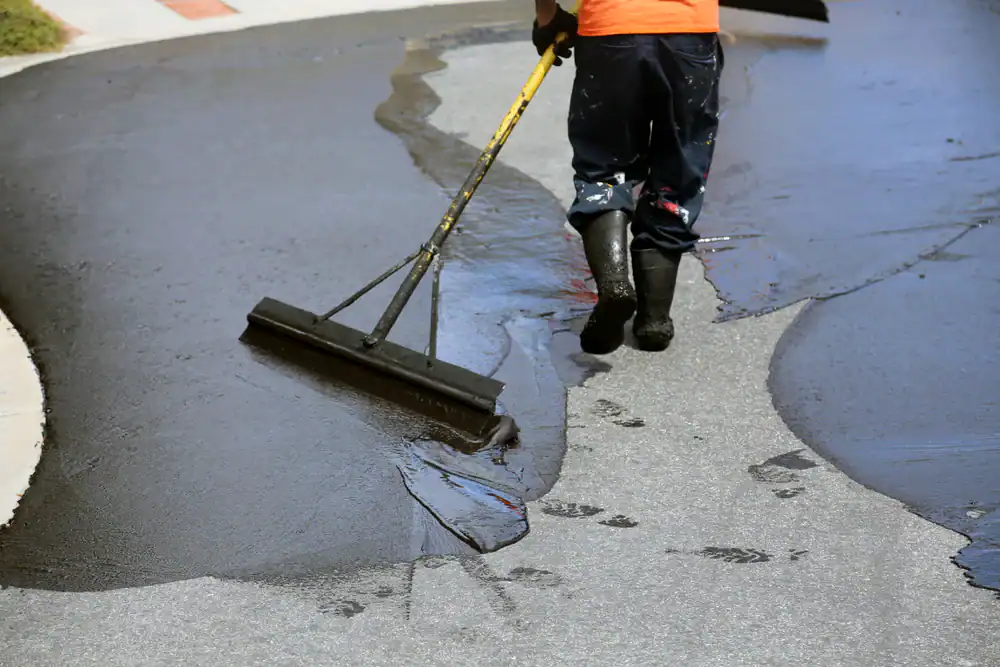
Driveways and walkways address both practical and aesthetic needs. A professionally installed paver driveway eliminates the maintenance headaches of cracked asphalt while adding significant curb appeal. Walkways prevent the muddy, eroded paths that develop naturally in our sandy soil during rainy seasons.
Retaining walls serve multiple purposes in Citrus County’s terrain. They prevent soil erosion during heavy rains, create level planting areas on sloped properties, and can incorporate seating elements for additional functionality. Many homeowners use retaining walls to define different areas of their landscape while solving drainage challenges.
Fire features and outdoor kitchens extend the usability of outdoor spaces. While we don’t need warmth year-round, fire pits create focal points for gatherings during cooler months. Outdoor kitchens reduce the need for indoor cooking during hot summers, keeping heat outside where it belongs.
Water features like fountains and decorative ponds add tranquility while requiring less maintenance than you might expect. When properly designed, they actually help with drainage and create cooling effects in our warm climate.
Want live answers?
Connect with a MainStreet Landscaping expert for fast, friendly support.
Landscaping encompasses all the living elements of your outdoor space—grass, flowers, trees, shrubs, and garden beds. These softscape features bring natural beauty, environmental benefits, and seasonal interest to your property.
While hardscaping provides structure and function, landscaping softens those hard edges and connects your outdoor space to the natural environment. The key is understanding that successful landscaping in Florida requires choosing the right plants for our climate and your specific maintenance preferences.
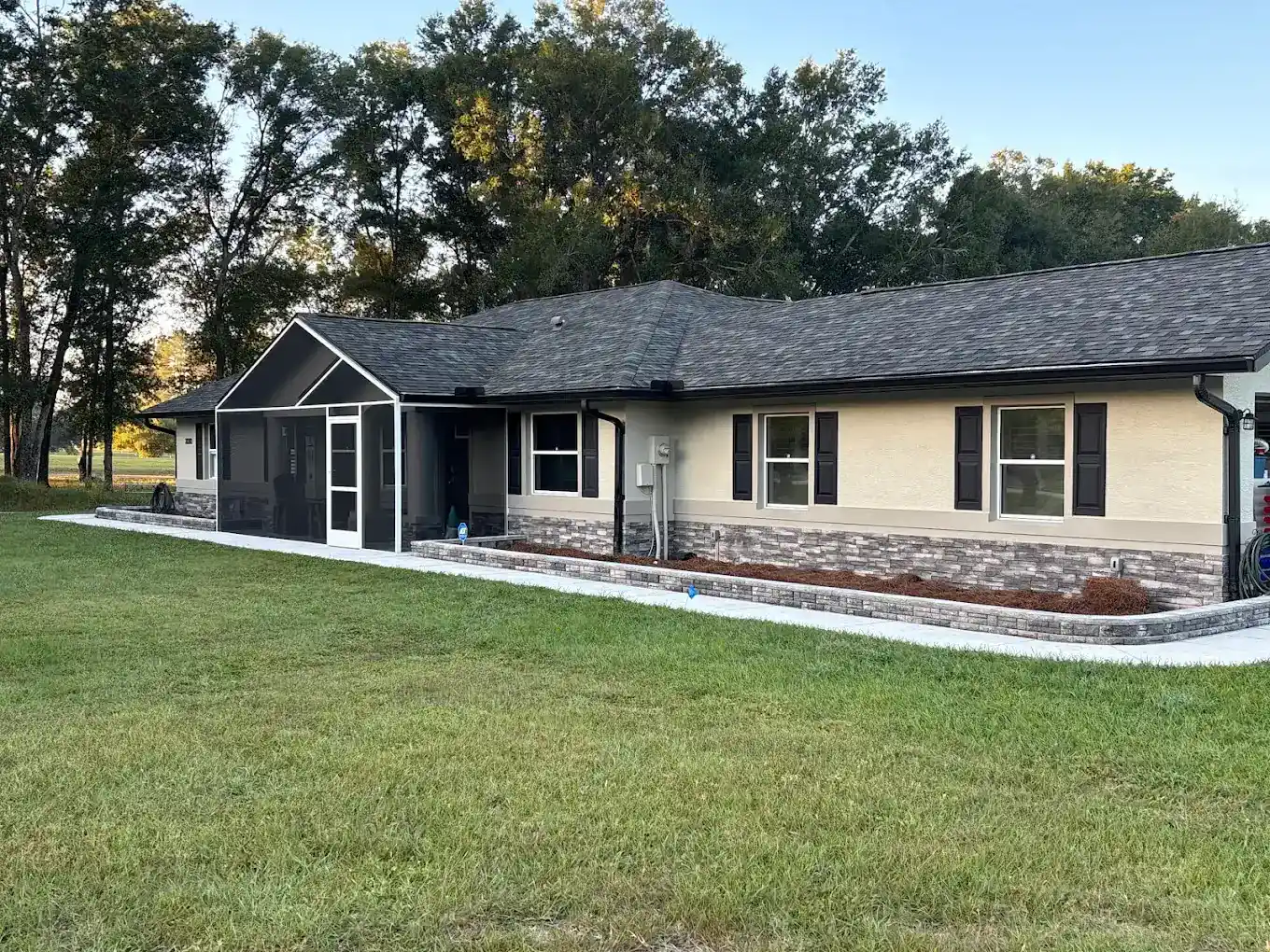
The most successful landscaping projects in Citrus County focus on Florida-friendly plants that thrive in our climate without excessive water, fertilizer, or pest control treatments. These plants work with our environment rather than fighting it.
Native and adapted plants offer the best long-term success. Palms, coontie, firebush, and Simpson’s stopper provide year-round interest while requiring minimal care once established. These plants have evolved to handle our sandy soil, intense summer heat, and occasional drought conditions.
Strategic tree placement deserves special attention in landscape planning. Large shade trees like live oaks not only provide cooling benefits that can reduce energy costs, but they also create natural outdoor rooms and increase property values significantly. The key is choosing locations where mature size won’t interfere with structures or utilities.
Ground cover alternatives to traditional grass can dramatically reduce maintenance while providing the green space you want. Options like sunshine mimosa, beach sunflower, or even well-designed areas of decorative gravel with strategic plant placement can eliminate the need for weekly mowing while creating attractive, functional landscapes.
Seasonal color can be achieved through carefully chosen flowering plants and strategic container gardens. This approach allows you to enjoy colorful displays without the ongoing maintenance of large flower beds that struggle in our climate.
Successful landscaping in Florida requires balancing aesthetic goals with practical considerations like maintenance time, water usage, and storm preparedness. The most satisfied homeowners are those who design their landscapes around their actual lifestyle rather than idealized visions that require constant upkeep.
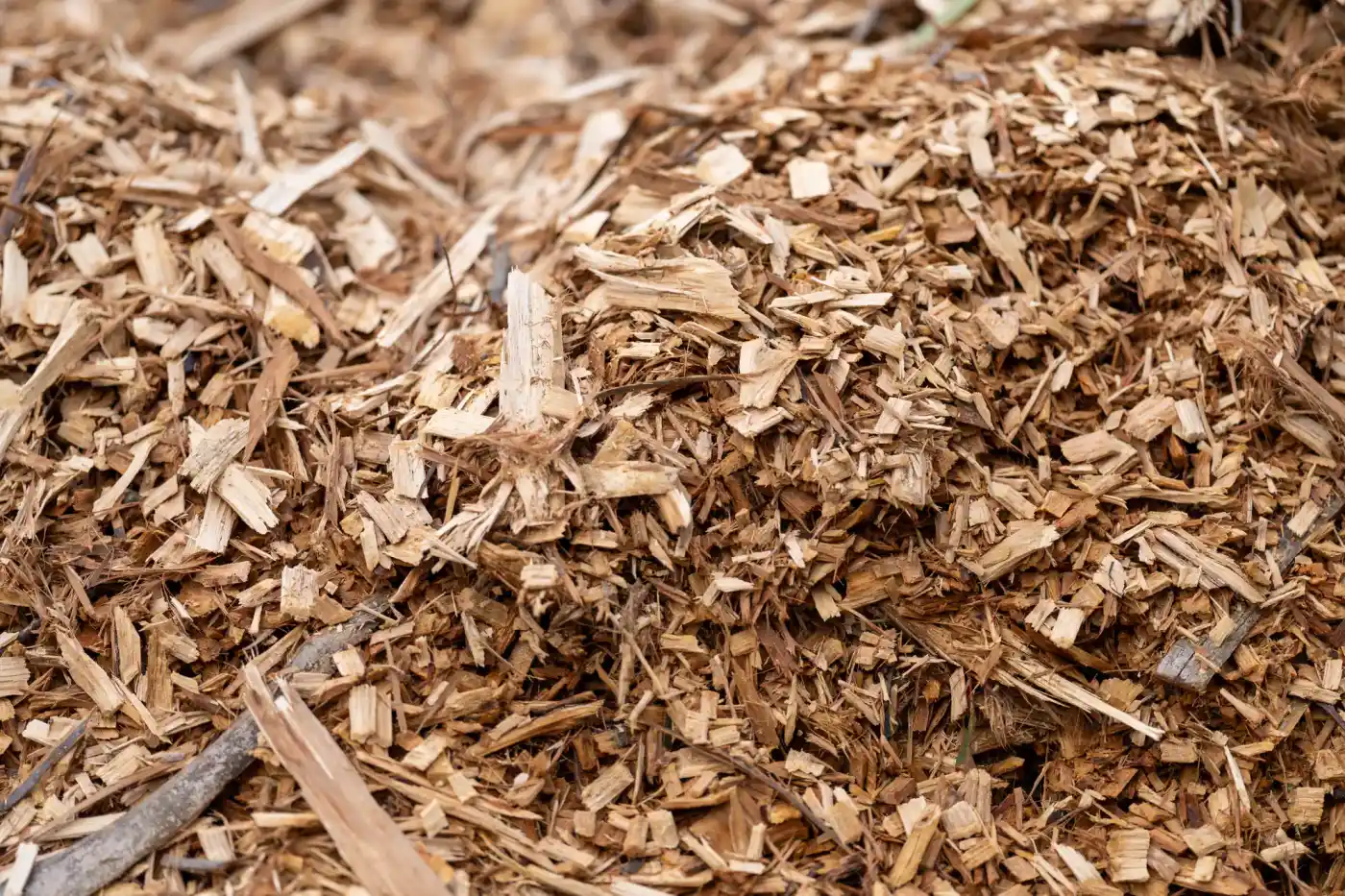
Consider your available time and interest in garden maintenance honestly. If you enjoy gardening and have time for regular care, you can incorporate more diverse plantings and seasonal displays. If you prefer minimal maintenance, focus on established trees, native shrubs, and strategic use of mulched areas that suppress weeds while providing visual interest.
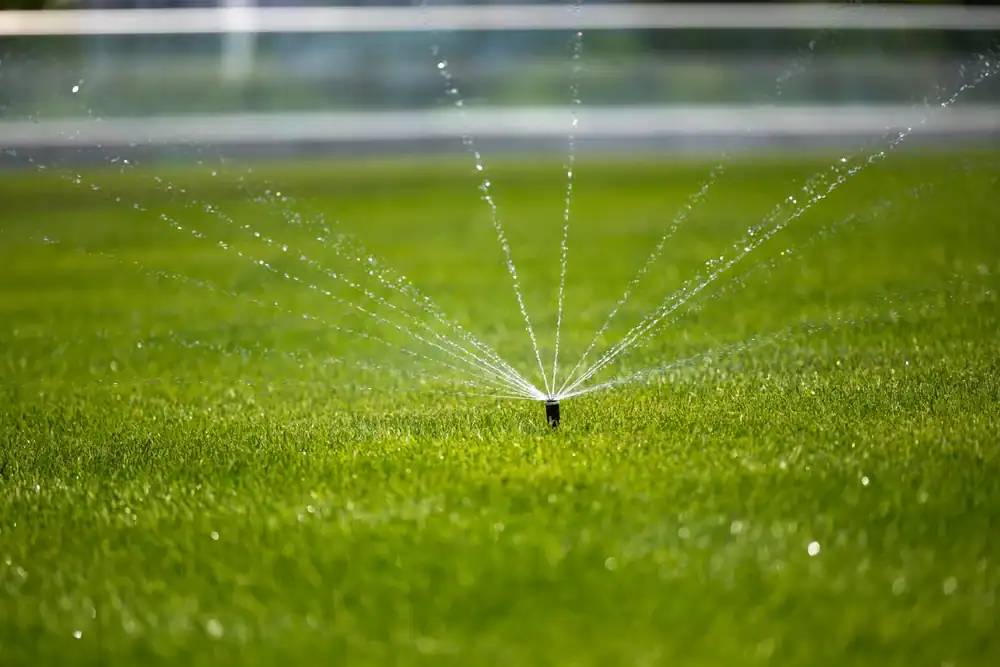
Water management should influence every landscaping decision. Plants that require regular irrigation will increase both your water bills and maintenance time. Florida-friendly plants, once established, typically survive on natural rainfall with occasional supplemental watering during extended dry periods.
Storm preparedness matters in our area. Avoid planting large trees too close to structures, and choose plants that recover quickly from wind damage. Many Florida natives actually benefit from occasional pruning by storms and bounce back stronger than exotic plants that suffer permanent damage.
Integration with hardscape elements creates the most successful overall designs. Use plants to soften the edges of patios and walkways, provide shade over seating areas, and create privacy screens where needed. This approach maximizes the benefits of both hardscape and softscape elements while minimizing the maintenance requirements of each.
The most successful outdoor spaces combine hardscaping and landscaping thoughtfully, using each approach where it makes the most sense. Hardscape elements provide structure, function, and low-maintenance beauty, while carefully chosen plants soften edges, provide environmental benefits, and connect your space to Florida’s natural landscape.
Your specific needs, maintenance preferences, and budget should guide these decisions. Start with essential hardscape elements that solve immediate problems—drainage, functional outdoor space, or access issues. Then add landscaping that enhances these features without creating ongoing maintenance burdens you’re not prepared to handle.
For professional guidance on creating the perfect balance for your property, we at Mainstreet Landscaping bring nearly three decades of experience helping Citrus County homeowners design and install outdoor spaces that work beautifully year after year.
Article details:
Share:
Continue learning: