Florida lawns don't follow a one-size-fits-all schedule. Find out what your property actually needs based on climate, grass type, and real-world conditions in Citrus County.
Share:
Summary:
Most Florida lawns need mowing weekly during the growing season, which runs from March through November. That’s not a marketing line—it’s what the grass actually requires when temperatures stay warm and afternoon thunderstorms keep everything green and actively growing.
During those peak months, St. Augustine and Bahia grass can add three to four inches per week. If you wait two weeks between cuts, you’re looking at grass that’s too tall to mow cleanly without scalping or leaving clumps. Weekly mowing keeps the height manageable and the lawn healthier.
Winter slows things down. From December through February, you can usually stretch to bi-weekly or even monthly cuts, depending on how cool it gets and whether your grass goes semi-dormant. The key is watching the grass, not the calendar.
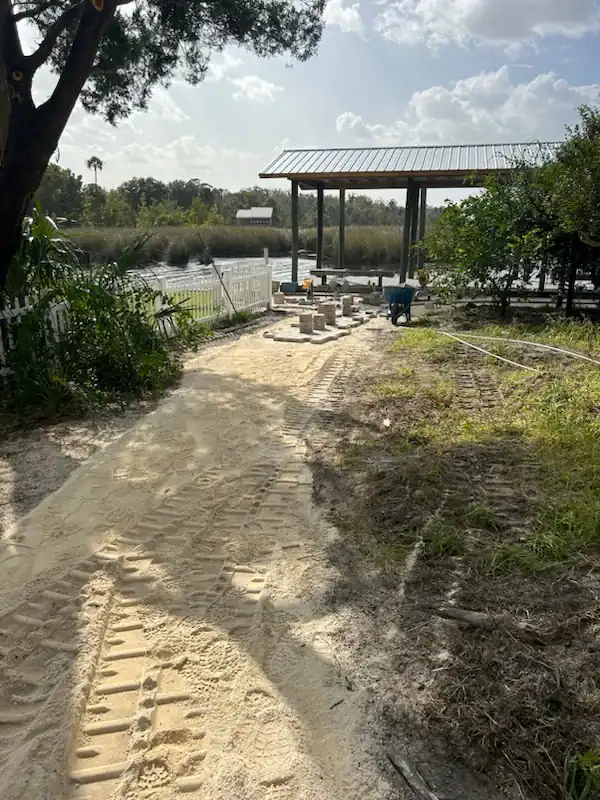
Letting your lawn go too long between cuts doesn’t just make it look overgrown—it actually stresses the grass and costs you more money. When grass gets too tall, mowing removes more than the recommended one-third of the blade length. That shocks the root system and makes your lawn more vulnerable to pests, disease, and brown patches.
There’s also the overgrowth penalty. If your grass is over ten inches tall, most lawn care companies will charge roughly double for that first cut because it takes significantly more time, requires multiple passes, and creates a lot more debris to haul away. Staying on a regular schedule avoids that surcharge entirely.
Beyond the financial hit, overgrown grass invites other problems. Thick, matted areas create perfect conditions for chinch bugs and fungus. Weeds get a foothold because sunlight can’t reach the soil evenly. And once you finally do cut it, the lawn looks scalped and patchy for weeks while it recovers.
Consistency matters more than perfection. A lawn that gets mowed every seven to ten days during the growing season stays thick, green, and resilient. One that gets mowed whenever you remember? It fights an uphill battle all season long.
The math is simple: weekly mowing during peak season costs around $38 to $52 per visit for a typical quarter-acre property in Citrus County. That’s $152 to $208 per month, or roughly $1,800 to $2,500 annually if you’re on a year-round schedule. Bi-weekly service cuts that cost in half but works best during the slower winter months when growth rates drop.
If you’re trying to save money by stretching the schedule too thin during summer, you’ll end up paying more in overgrowth fees, lawn recovery treatments, and pest control down the line. The smarter move is matching your mowing frequency to what the grass actually needs, not what feels convenient.
Not all lawns grow at the same rate, even in the same neighborhood. St. Augustine grass, which covers most residential properties in Citrus County, grows aggressively during warm months and needs weekly attention. Bahia grass is slightly slower but still requires consistent cutting to stay healthy. Zoysia grows denser and can sometimes handle a slightly longer interval, but it’s less common here.
Your property’s specific conditions also play a role. A lawn in full sun with an irrigation system running regularly will grow faster than one in partial shade with minimal watering. Properties with sandy soil that drains quickly may see different growth patterns than those with heavier clay content. And if you’ve recently fertilized, expect a growth spurt that might push you toward the shorter end of the mowing interval.
Obstacles matter too. Fenced yards, landscaping features, trees, and garden beds increase the time it takes to mow and trim, which can affect pricing and scheduling. Properties with steep slopes or uneven terrain require more careful attention and may need professional equipment to handle safely.
Then there’s the question of what you’re actually getting with each visit. Standard lawn maintenance should include mowing to the appropriate height for your grass type, trimming around all edges and obstacles, edging along walkways and driveways, and blowing off clippings from hard surfaces. If your current provider is skipping any of those steps, you’re not getting full-service care.
Seasonal adjustments are part of the equation too. Spring brings rapid growth as temperatures climb and rain picks up. Summer is peak season—hot, humid, and wet, with grass growing as fast as it ever will. Fall starts to slow down as temperatures drop slightly and rainfall becomes less predictable. Winter is the lightest season, with some lawns going nearly dormant and others staying green but growing slowly.
The best approach is working with a lawn care provider who understands these variables and adjusts the schedule based on what’s actually happening with your property, not just what’s printed on a contract. We’ll tell you when you can skip a week in winter or when you need to tighten up the schedule during a particularly wet stretch in summer.
Want live answers?
Connect with a MainStreet Landscaping expert for fast, friendly support.
Pavers don’t need weekly attention like your lawn, but they do need regular care to stay looking good and structurally sound. The timeline depends on whether they’ve been sealed before, what kind of traffic they handle, and how much exposure they get to Florida’s sun and rain.
Newly installed pavers should be sealed within the first few months after installation. This locks in the color, stabilizes the joint sand, and creates a protective barrier before the elements start breaking things down. After that initial sealing, most paver surfaces need resealing every two to three years, depending on wear and exposure.
High-traffic areas like driveways and pool decks may need attention closer to the two-year mark. Walkways and patios with less vehicle traffic can often stretch to three years. But if you’re seeing faded color, weeds growing between pavers, or joint sand washing out after heavy rain, it’s time to reseal regardless of the timeline.
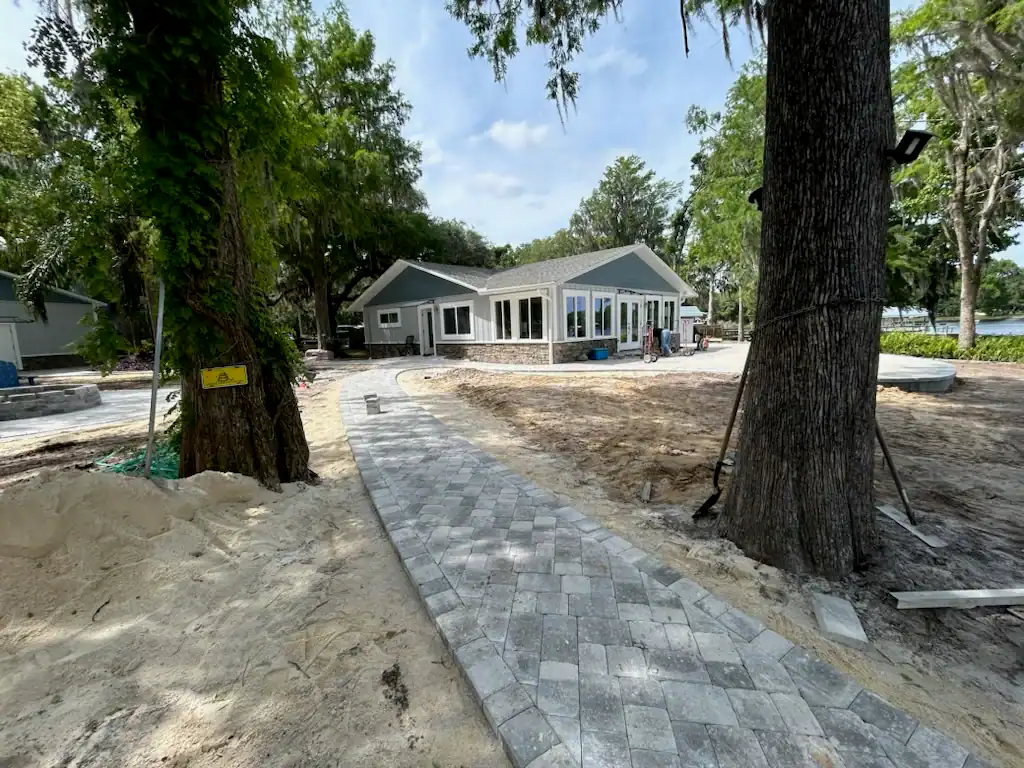
Florida’s climate is brutal on pavers. The sun beats down relentlessly, UV rays bleaching out color and breaking down the surface. Humidity hovers around 70 to 80 percent year-round, creating perfect conditions for mold, mildew, and algae to take hold on any porous surface.
Then there’s the rain. When those afternoon thunderstorms roll through, they don’t just wet your pavers—they actively wash out the joint sand that keeps everything stable. Without that sand, pavers shift, sink, and create uneven surfaces that collect water and make the problem worse. You end up with a cycle of deterioration that accelerates every season.
Sealing stops this before it starts. The right sealer creates a barrier that UV rays can’t penetrate, moisture can’t absorb into, and rain can’t erode. Your pavers stay level because the joint sand stays locked in place. The colors stay vibrant because the sun can’t bleach them. And you’re not dealing with constant maintenance trying to fight back against the weather.
The difference between sealed and unsealed pavers is obvious after just one Florida summer. Unsealed surfaces look washed out, uneven, and covered in organic growth. Sealed surfaces maintain their color, stay structurally sound, and require nothing more than occasional cleaning.
Cheap sealing jobs are worse than no sealing at all. Diluted products applied too thin, minimal prep work, and shortcuts lead to white haze, peeling, or failure within months. When that sealer fails, you’re paying twice—once for the cheap job and again to strip it off and do it right. Professional-grade products applied correctly cost more upfront but save money and headaches long-term.
As the exclusive Seal ‘n Lock distributor in Citrus County, we use premium sealers engineered specifically for Florida’s climate. These aren’t off-the-shelf products—they’re commercial-grade formulations designed to handle the heat, humidity, and heavy rain that define life on the Nature Coast.
You don’t need to be an expert to spot when your pavers are telling you they need help. Faded color is the most obvious sign—if your driveway or pool deck looks washed out compared to when it was installed, the protective layer is gone and UV damage is happening. Weeds growing between pavers mean the joint sand is breaking down and there’s nothing stopping seeds from taking root.
Joint sand erosion shows up as gaps between pavers or areas where the sand has washed away completely, leaving pavers loose and wobbly underfoot. If you can shift a paver by stepping on it or see visible gaps where sand used to be, you’re past due for maintenance. Water pooling on the surface instead of draining properly is another red flag—it means the pavers have shifted and the drainage slope is compromised.
Algae, mold, or mildew growth creates dark streaks or green patches, especially in shaded areas or near pool decks where moisture is constant. This isn’t just cosmetic—it makes surfaces slippery and continues eating away at the paver material if left untreated. White haze or flaking on previously sealed pavers means the old sealer is failing and needs to be stripped before resealing.
Addressing these issues early is always cheaper than waiting until the damage is severe. A paver surface that just needs cleaning and resealing is a straightforward job. One that needs extensive repairs, releveling, and new base material because it was neglected for years? That’s a much bigger investment.
The process for proper paver maintenance starts with a thorough assessment. If the previous sealer is flaking or showing white haze, it needs to be stripped completely before resealing. Trying to seal over damaged or incompatible sealer leads to poor adhesion and premature failure. Any damaged or cracked pavers get replaced, joint sand is replenished and stabilized, and the surface is cleaned and prepped before sealing.
Professional paver sealing includes a comprehensive warranty that covers both materials and application. When you’re working with authorized contractors for major paver manufacturers and using premium products like Seal ‘n Lock, you’re not gambling on whether the work will hold up—you’re getting a solution that’s engineered to last in Florida’s toughest conditions.
Your lawn and hardscaping don’t need professional care because of a marketing schedule—they need it because Florida’s climate demands it. Weekly mowing during the growing season keeps grass healthy and avoids costly overgrowth penalties. Paver sealing every two to three years protects your investment from sun, rain, and humidity. Irrigation adjustments throughout the year ensure you’re not wasting water or stressing your landscape.
The math is straightforward when you break it down by what your property actually requires, not by what feels convenient. A lawn that gets the right attention at the right intervals stays thick, green, and resilient. Pavers that are properly sealed maintain their color and structure for decades. And when you’re working with one company that handles everything—lawn maintenance, state-licensed irrigation, hardscaping, and paver sealing—you’re not juggling schedules or wondering who’s responsible when something needs attention.
We’ve been serving Citrus County since 1995 with the kind of beyond-meticulous quality that comes from being family-owned and deeply invested in the community. If you’re ready to stop guessing about your property’s maintenance schedule and start working with a team that knows exactly what your lawn and landscape need, reach out today.
Article details:
Share:
Continue learning: