Planning an outdoor living space means thinking beyond pretty pavers. You need functional zones, proper drainage, and lighting that extends your evenings—not just materials that look good today.
Share:
Summary:
An outdoor living space isn’t just a patio with chairs. It’s a series of decisions about how you’ll move through the area, where you’ll sit, what you’ll do there, and how it connects to your home. Get those decisions right and you’ve got a space that pulls you outside. Get them wrong and you’ve got an expensive feature nobody uses.
Start by thinking about function before aesthetics. How many people do you typically host? Do you want a dining area, a lounge space, or both? Will you cook outdoors? Do you need shade, or is your yard naturally protected?
These aren’t just nice-to-know details. They determine everything from the size of your patio to where you place walkways to how you orient seating. A space designed for intimate family dinners needs different planning than one built for hosting an outdoor entertainment area where twenty people gather for backyard parties.
Walk your yard before you commit to anything. Not a quick glance—an actual walk-through where you imagine moving from your back door to a seating area, from the grill to a dining table, from one conversation spot to another.
Where does the sun hit in the morning? Where’s it brutal in the afternoon? When does shade arrive? Which direction does the wind blow, and where does water tend to pool after a heavy rain? In Citrus County, these aren’t minor considerations. Mid-90s heat and sudden downpours will expose every planning mistake you make.
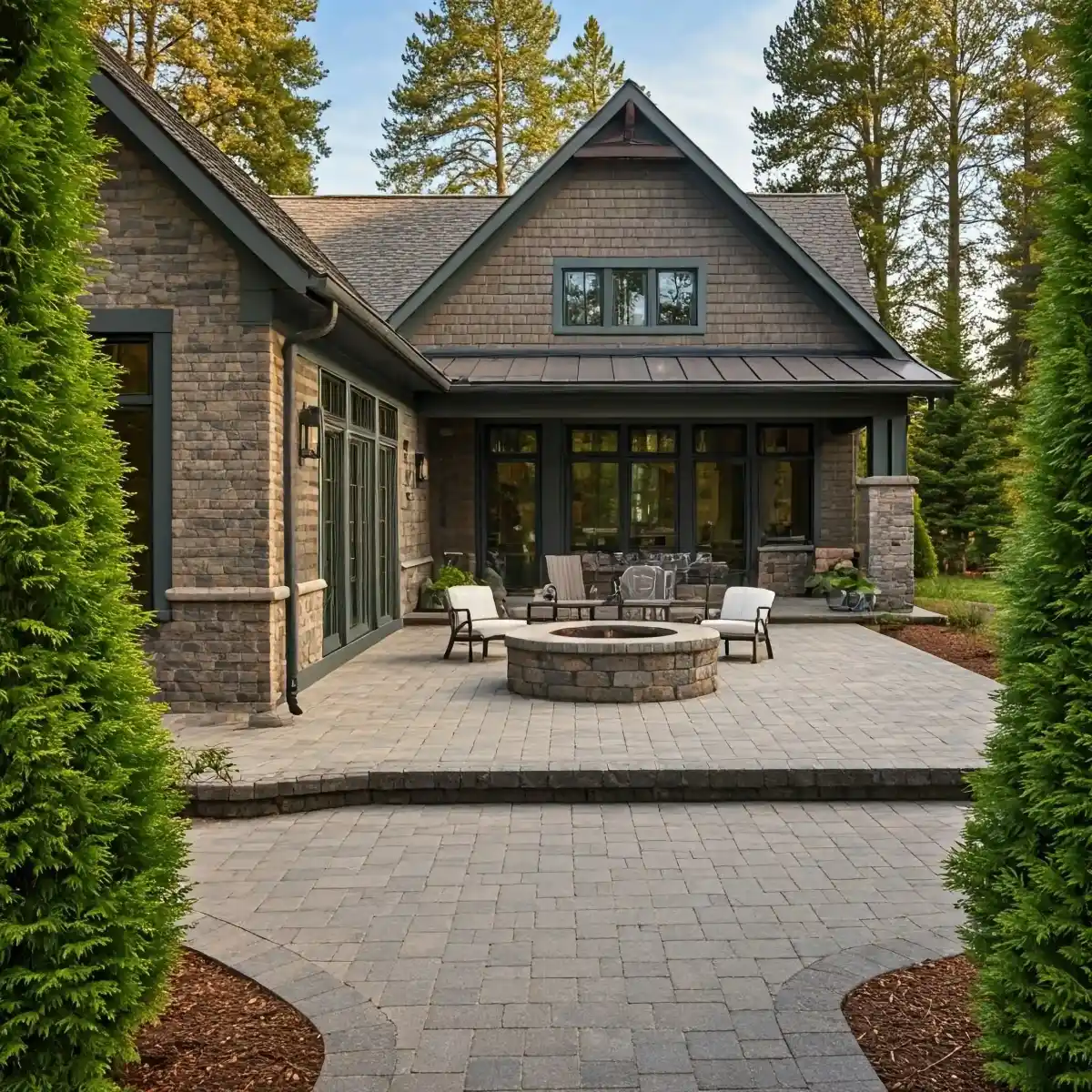
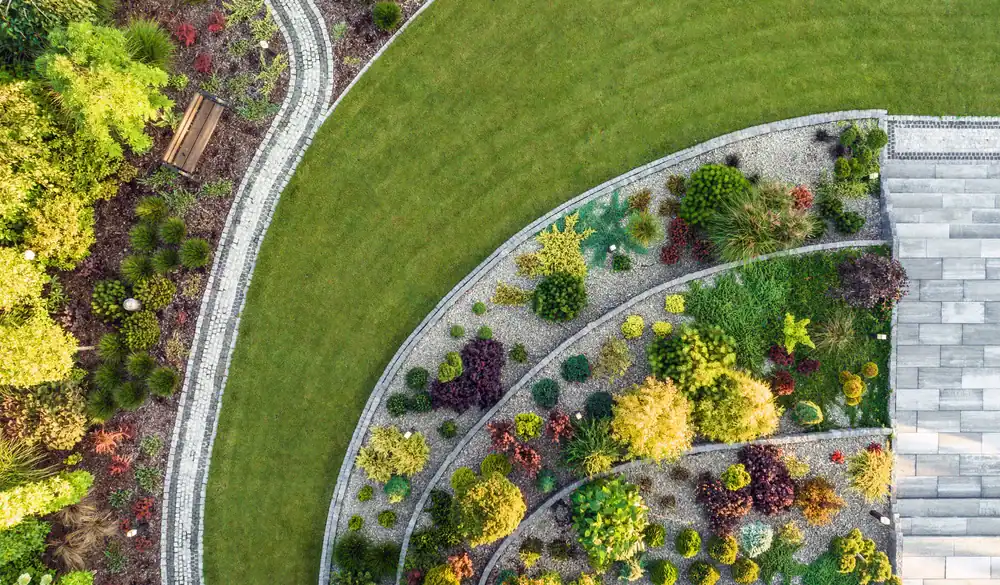
Think about creating distinct zones. A dining area near the house makes serving easier. A fire pit or conversation area farther out creates a destination. Pathways connecting these spaces should feel natural, not like you’re navigating an obstacle course. People should be able to move between zones without stepping on grass, squeezing between furniture, or blocking someone else’s view.
Pay attention to how your outdoor space connects to your home’s interior. The transition from inside to outside should feel seamless. If your back door opens onto a small step and then nothing, you’re missing an opportunity. A patio or deck that extends from that door creates a true outdoor room—not just a disconnected yard feature.
Consider traffic patterns carefully. Where will people naturally walk? If you’re grilling, you’ll need clear access from the outdoor kitchen to the dining area. If kids are playing, they need room to move without running through seated guests. If you’re entertaining, clusters of seating should allow conversation without people having to shout across the yard.
Don’t forget about storage and utility. Where will cushions go when it rains? Where’s the hose connection? Do you need electrical access for lighting or outdoor speakers? These practical elements get overlooked in the excitement of design, then become frustrating afterthoughts.
Florida’s climate destroys shortcuts. That means the materials you choose for walkways, patios, and retaining walls need to handle heat, humidity, UV exposure, and heavy rain—not just look good in a showroom.
Pavers are popular in Citrus County for good reason. They handle Florida’s temperature swings better than poured concrete, which can crack. They’re slip-resistant when wet, which matters around pools and in areas that get rain-soaked. And if one paver gets damaged, you can replace it without tearing up the entire surface.
Not all pavers are equal. Cheap pavers fade, crack, or shift within a few years. Quality pavers from manufacturers like Tremron, Belgard, or Flagstone are engineered specifically for durability. They’re thicker, denser, and designed to maintain color even under constant sun exposure. The upfront cost difference is real, but so is the difference in how long they last.
Base preparation matters more than the pavers themselves. A properly installed paver patio starts with excavation, compacted base material, and edge restraints that prevent shifting. Skip these steps and you’ll have a beautiful patio that starts sinking or separating after the first heavy rain. This is where working with experienced contractors makes a difference—we know the installation process that prevents problems before they start.
For pool decks, slip resistance is non-negotiable. Wet pavers near water need texture that provides grip without being uncomfortable underfoot. Large-format pavers work well here—they install faster, have fewer joints to maintain, and create a clean, modern look.
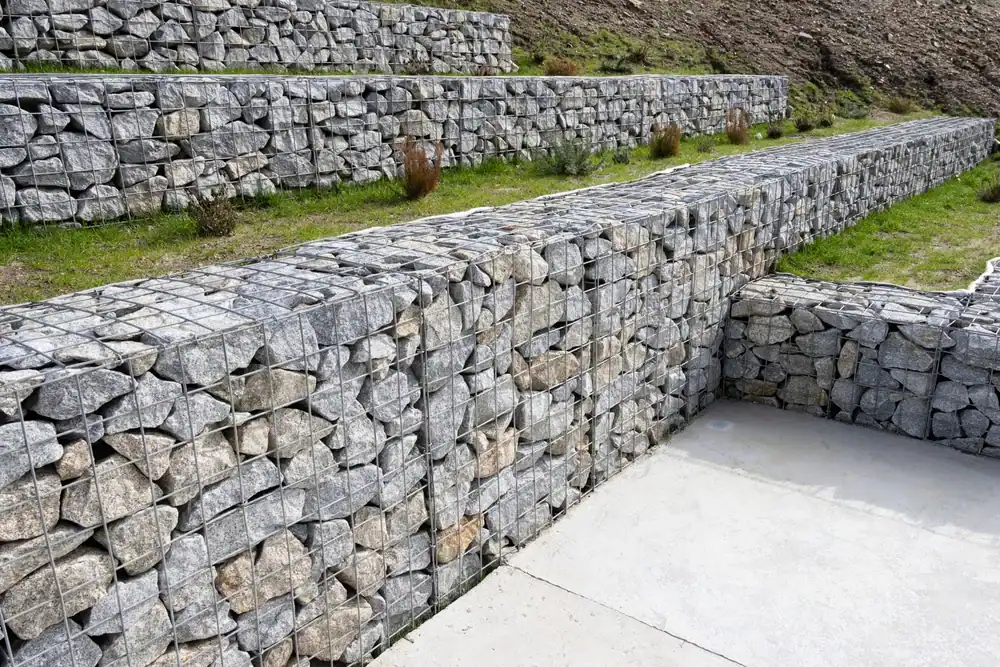
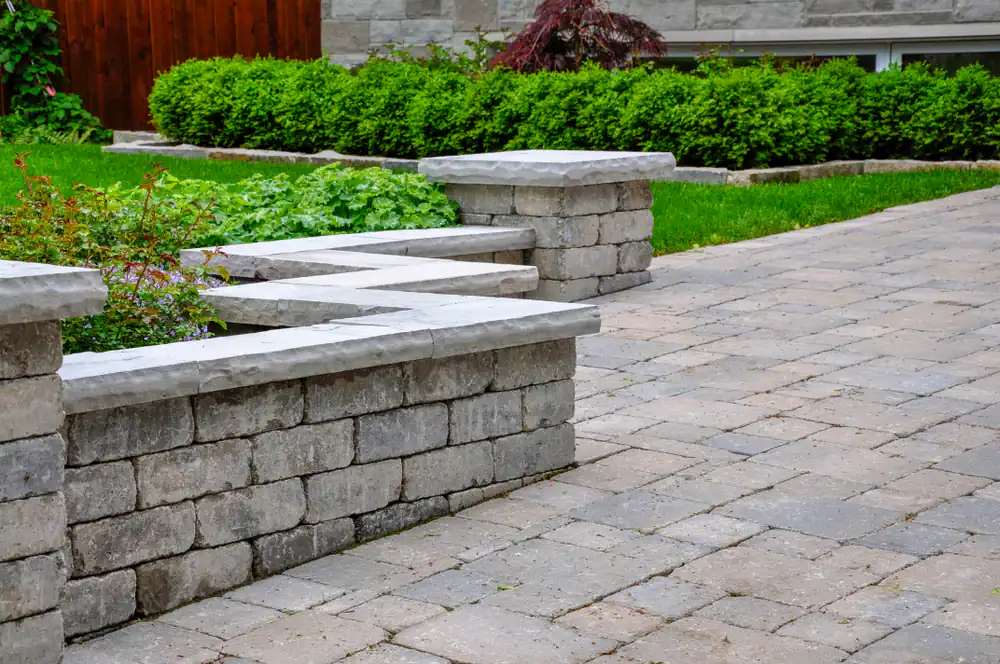
Retaining walls serve function first, aesthetics second. If you’ve got sloped terrain, retaining walls manage drainage, prevent erosion, and create level areas for patios or seating. They also add visual interest and can incorporate built-in seating or planters. But the engineering behind them matters. Walls over a certain height require permits, proper drainage behind the wall, and sometimes professional engineering to ensure they won’t fail under pressure.
Natural stone offers a different aesthetic—more organic, less uniform. Flagstone walkways and stone patios have character that manufactured pavers don’t. They’re also more expensive and require skilled installation to look right. The trade-off is a custom look that feels less “suburban backyard” and more “established estate.”
Want live answers?
Connect with a MainStreet Landscaping expert for fast, friendly support.
In Citrus County, year-round outdoor living isn’t marketing speak—it’s actually possible. You don’t have brutal winters that shut down outdoor spaces for months. But you do have summer heat that makes unshaded patios unusable by noon, and afternoon storms that send everyone running for cover.
The key is planning for comfort across different conditions. Shade structures like pergolas or covered patios let you use outdoor space when the sun is overhead. Ceiling fans or misting systems make summer afternoons tolerable. Fire features extend cooler evenings into comfortable gathering times.
Think about how your space functions in different seasons and times of day. Morning coffee on the patio works if you’ve got eastern exposure and some shade by mid-morning. Evening entertaining needs lighting and possibly heat during winter months. Afternoon gatherings require serious shade or you’ll be sitting in an oven.
Outdoor lighting isn’t optional if you want to actually use your space after sunset. But it’s also one of the most commonly botched elements of outdoor design. Too bright and it feels like a parking lot. Too dim and people are tripping over steps. Poorly placed and you get harsh shadows or annoying glare.
Layer your lighting like you would indoors. Ambient lighting provides overall illumination—think overhead fixtures on a pergola or wall-mounted sconces. Task lighting focuses on specific areas like outdoor kitchens or dining tables. Accent lighting highlights features like walkways, steps, or landscaping.
Pathway lighting serves two purposes: safety and atmosphere. Lights along walkways prevent trips and falls while guiding guests through your outdoor space. Place them evenly on both sides of paths for balanced illumination. Choose downward-facing fixtures that light the ground without creating glare.
Step lighting is non-negotiable if you have elevation changes. Steps are trip hazards in the dark. Small LED lights built into risers or placed alongside steps make them visible without being obtrusive.
For seating and dining areas, focus on creating ambiance without harsh brightness. String lights add charm and provide soft overhead glow. Wall sconces or post lights offer more focused illumination. Dimmable options let you adjust based on the occasion—brighter for dinner parties, softer for late-night conversations.
Don’t forget about lighting around fire features. A fire pit provides some light, but you still need illumination for pathways leading to and from it, plus ambient lighting that doesn’t compete with the fire’s glow.
Consider smart lighting systems that let you control brightness, timing, and zones from your phone. You can set schedules so lights turn on automatically at dusk, adjust brightness for different activities, or turn everything off from bed instead of walking back outside.
Drainage isn’t exciting. It’s also the difference between a patio that lasts decades and one that becomes a problem within a year. Florida gets heavy rain. If water doesn’t have somewhere to go, it pools, erodes, and eventually damages both your hardscaping and your home’s foundation.
Proper grading is the foundation of good drainage. Your patio should slope slightly away from your house—enough to move water, not enough to notice when you’re sitting. That slope directs water toward drainage areas, not toward your foundation where it can cause expensive problems.
Permeable pavers are worth considering if drainage is a concern. Unlike solid surfaces, permeable pavers allow water to filter through instead of running off. This reduces pooling, helps manage stormwater, and prevents that sheet of water that makes patios unusable during and after rain.
Retaining walls often play a drainage role beyond just holding back soil. Properly designed retaining walls include drainage behind them so water doesn’t build up and create pressure that leads to failure. If you’re installing retaining walls, make sure whoever’s doing the work understands the drainage component—it’s not optional.
French drains, catch basins, and channel drains handle water in areas where surface grading isn’t enough. These systems collect water and direct it away from hardscaping and structures. They’re particularly important in low-lying areas or places where water naturally collects.
Don’t assume your yard’s current drainage is adequate. Adding hardscaping changes how water moves across your property. A new patio creates a large impermeable surface that sheds water differently than grass did. If you don’t account for that change, you’ll have problems.
Work with contractors who understand local drainage requirements and have experience dealing with Florida’s rainfall patterns. We ask about drainage before you bring it up—because if we’re not thinking about it from the start, that’s a red flag.
The difference between outdoor space that becomes your favorite part of your home and outdoor space that sits empty comes down to planning. Not complicated planning—practical planning that thinks about how you’ll actually use the space, what Florida’s climate will do to it, and what needs to happen before the first paver gets laid.
Start with function. Map your zones. Think about traffic flow, seating arrangements, and how different areas connect. Choose materials that handle heat, rain, and humidity without constant maintenance. Plan drainage before it becomes a problem. Layer lighting so your space works after dark.
Most importantly, work with people who’ve done this before and understand what works in Citrus County. We’ve been designing and installing outdoor living spaces here since 1995—long enough to know what lasts and what fails, what permits you’ll need, and how to build hardscaping that handles Florida’s climate without constant repairs.
Article details:
Share:
Continue learning: