Water restrictions got you rethinking your landscape? Sustainable design strategies using native plants and smart irrigation can slash your bills while keeping your yard beautiful year-round.
Share:
Summary:
Florida isn’t like other states. We’ve got water restrictions in place through July 2026 across all of Citrus County—one day per week for established landscapes. We’re sitting on a 13-inch rainfall deficit. Our aquifers are declining.
Half the water used in Florida homes goes straight to landscaping. That’s not sustainable when we’re facing Modified Phase II water shortage restrictions and watching our water bills climb every month.
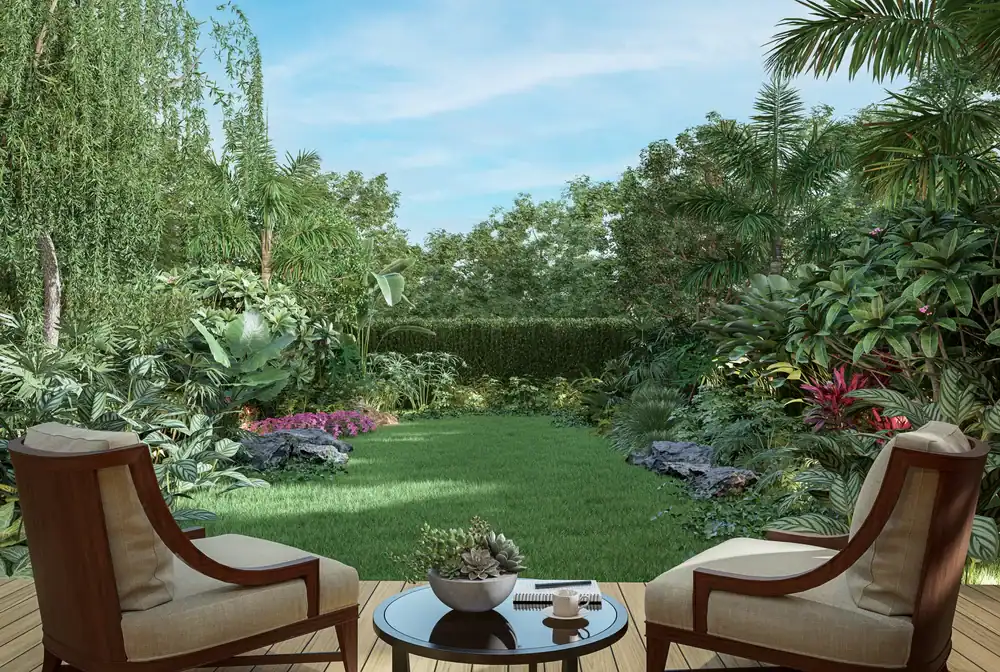
Sustainable landscaping in Citrus County isn’t a luxury or a trend. It’s the practical response to real conditions you’re dealing with right now. It means designing outdoor spaces that thrive on less water, need minimal fertilizer, and actually improve over time instead of requiring constant replacement. When you work with an experienced landscape designer who understands Central Florida’s unique challenges, you get eco-friendly design that performs.
Drought-tolerant plants aren’t just “tough” versions of regular plants. They’ve developed specific adaptations over thousands of years that let them survive—and thrive—in Florida’s dry periods.
Their root systems go deeper. They store water in their leaves or stems. Some close their stomata during the hottest parts of the day to reduce water loss. Others have smaller leaves or waxy coatings that minimize evaporation. These are water smart plants in the truest sense—they’re engineered by nature to use less water.
What does this mean for you? Once these plants establish (which takes about 60 days with proper watering), they don’t need your irrigation system running constantly. Native species like muhly grass, coontie, and fakahatchee grass have high drought tolerance because they evolved right here in Florida’s climate.
During establishment, you’ll still need to water regularly. But after that initial period, these plants can handle our dry springs and falls without you standing there with a hose every other day. They’re physiologically built for this.
Compare that to non-native species that need consistent moisture, weekly fertilizing, and constant attention just to look mediocre. Drought-tolerant plants actually look better during stress periods because they’re designed for exactly these conditions.
The water savings are real. Landscapes using primarily native and drought-adapted species can reduce irrigation needs by 30 percent or more once established. That’s not just good for the environment—it’s hundreds of dollars staying in your account instead of going to your water bill.
And with current water restrictions limiting you to one watering day per week anyway, you need plants that can handle that schedule. Drought-tolerant species can. Most traditional landscape plants can’t. A skilled landscape designer can help you select species that match your property’s specific sun exposure, soil conditions, and aesthetic goals while meeting these practical requirements.
Native plant landscaping isn’t about creating a wild, unkempt yard. It’s about selecting plants that naturally occur in Florida and have adapted to our specific soils, rainfall patterns, heat, humidity, and even our hurricanes.
These plants have spent thousands of years figuring out how to thrive here. They’ve evolved alongside our native wildlife, our soil bacteria, our seasonal patterns. They don’t just survive in Central Florida—they’re built for it. This is what makes native plant landscaping such a powerful low maintenance garden strategy.
The practical benefits show up immediately. Native plants need significantly less water than non-natives because they’re adapted to Florida’s natural rainfall patterns. They require less fertilizer because they evolved in our naturally low-nutrient sandy soils. They resist local pests better because they’ve developed natural defenses over millennia.
Think about plants like butterfly milkweed, black-eyed susan, lantana, and beautyberry. These aren’t exotic imports struggling to adapt. They’re Florida natives that know exactly what to do when temperatures hit 95 degrees and we haven’t seen rain in three weeks. In Citrus County specifically, these species have proven themselves through countless dry seasons and summer storms.
Native landscaping also supports the local ecosystem in ways traditional designs can’t. Pollinators and insects depend on native plants for food and habitat. Birds depend on those insects, especially when feeding their young. Even hummingbirds, which we think of as nectar-feeders, need insects as a critical part of their diet.
When you plant native species, you’re not just reducing your maintenance workload. You’re creating habitat that supports butterflies, bees, birds, and beneficial insects. Your yard becomes part of the local ecosystem instead of fighting against it. Drive through neighborhoods in Lecanto or Inverness and you’ll notice the difference—properties with native plantings attract more wildlife and have that authentic Florida character.
The maintenance difference is dramatic. Once established, native plants typically need less frequent watering, minimal fertilizing, and far less pest control than non-native species. They’re already adapted to our soil pH, our drainage patterns, our temperature swings.
And they look authentic. There’s a reason Florida landscapes featuring native plants feel more natural and integrated with their surroundings—because they actually belong here. They create that natural Florida look that feels right rather than forced.
For Citrus County homeowners dealing with water restrictions and rising costs, native plant landscaping isn’t just environmentally responsible. It’s the smart financial choice that reduces your ongoing maintenance expenses while creating landscapes that genuinely thrive in our climate. Working with a landscape designer who specializes in Florida-Friendly Landscaping principles ensures your plant selection matches both your aesthetic vision and the practical realities of our region.
Want live answers?
Connect with a MainStreet Landscaping expert for fast, friendly support.
Water-smart landscaping goes beyond just selecting drought-tolerant plants. It’s about designing your entire outdoor space to use water efficiently—capturing it, directing it where it’s needed, and minimizing waste. This is the foundation of effective eco-friendly design.
In Citrus County, where we’re limited to one watering day per week, every drop counts. Smart design means grouping plants by their water needs, using mulch to retain soil moisture, and installing irrigation systems that deliver water directly to root zones instead of spraying it into the air where half evaporates before reaching the ground.
It also means understanding your property’s microclimates. Where does water naturally collect? Which areas get full sun all day? Where does runoff go during heavy rains? A water-smart design works with these existing conditions instead of fighting them. This approach creates a low maintenance garden that actually gets easier to care for over time.
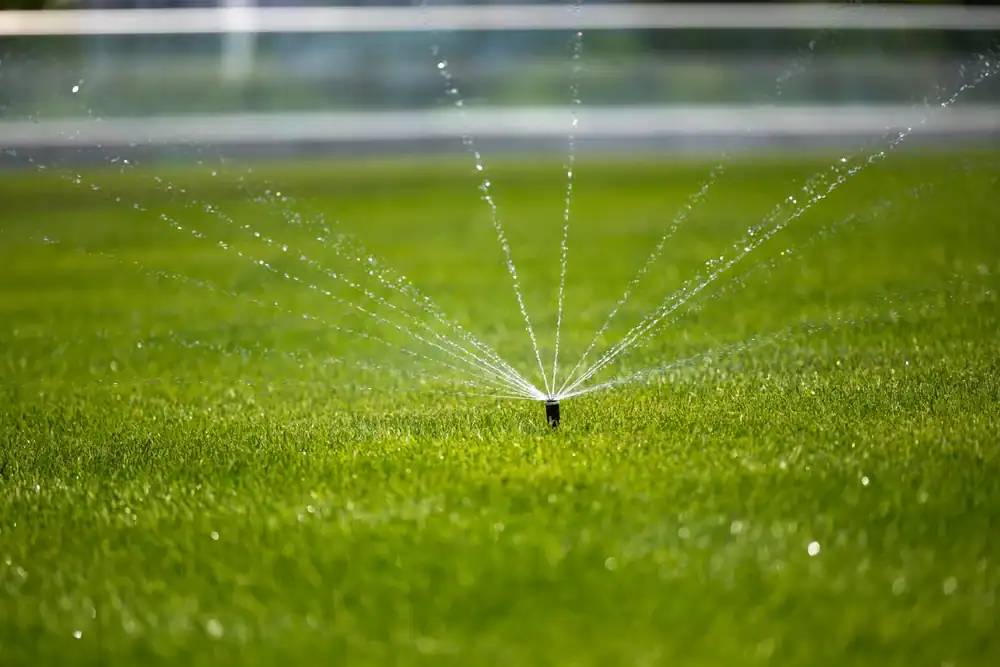
Your irrigation system might be costing you more than it should. Traditional spray systems lose significant water to evaporation, wind drift, and overspray onto hardscapes. They’re also terrible at delivering consistent moisture to plant root zones.
Drip irrigation changes that completely. These systems deliver water directly to the soil at plant roots through a network of tubes and emitters. Water doesn’t spray into the air. It doesn’t run off onto your driveway. It goes exactly where plants need it. This is what water smart plants deserve—efficient delivery that matches their natural water requirements.
The efficiency difference is substantial. Drip systems can reduce water usage by 30 percent or more compared to traditional sprinklers while actually improving plant health. Plants get consistent moisture at their roots instead of wet-dry cycles that stress them.
For Citrus County homeowners dealing with water restrictions, drip irrigation also offers scheduling flexibility. You can water your entire landscape on your one allowed day per week and know the water is being used efficiently. Low-volume irrigation using micro-jets and soaker hoses is actually allowed any day, any time under current water shortage restrictions—a significant advantage when you’re establishing new plantings.
Smart controllers take this further. These systems adjust watering schedules based on weather conditions, soil moisture levels, and seasonal needs. When it rains, they automatically skip watering cycles. When temperatures drop in winter, they reduce frequency. You’re not watering on a fixed schedule that doesn’t match actual plant needs.
Proper zone design matters too. Group plants with similar water requirements together. Your drought-tolerant native plants shouldn’t be on the same zone as your vegetable garden. Different areas of your property have different needs—design your irrigation to match those needs instead of treating everything the same. A qualified landscape designer can map these zones based on sun exposure, soil type, and plant requirements.
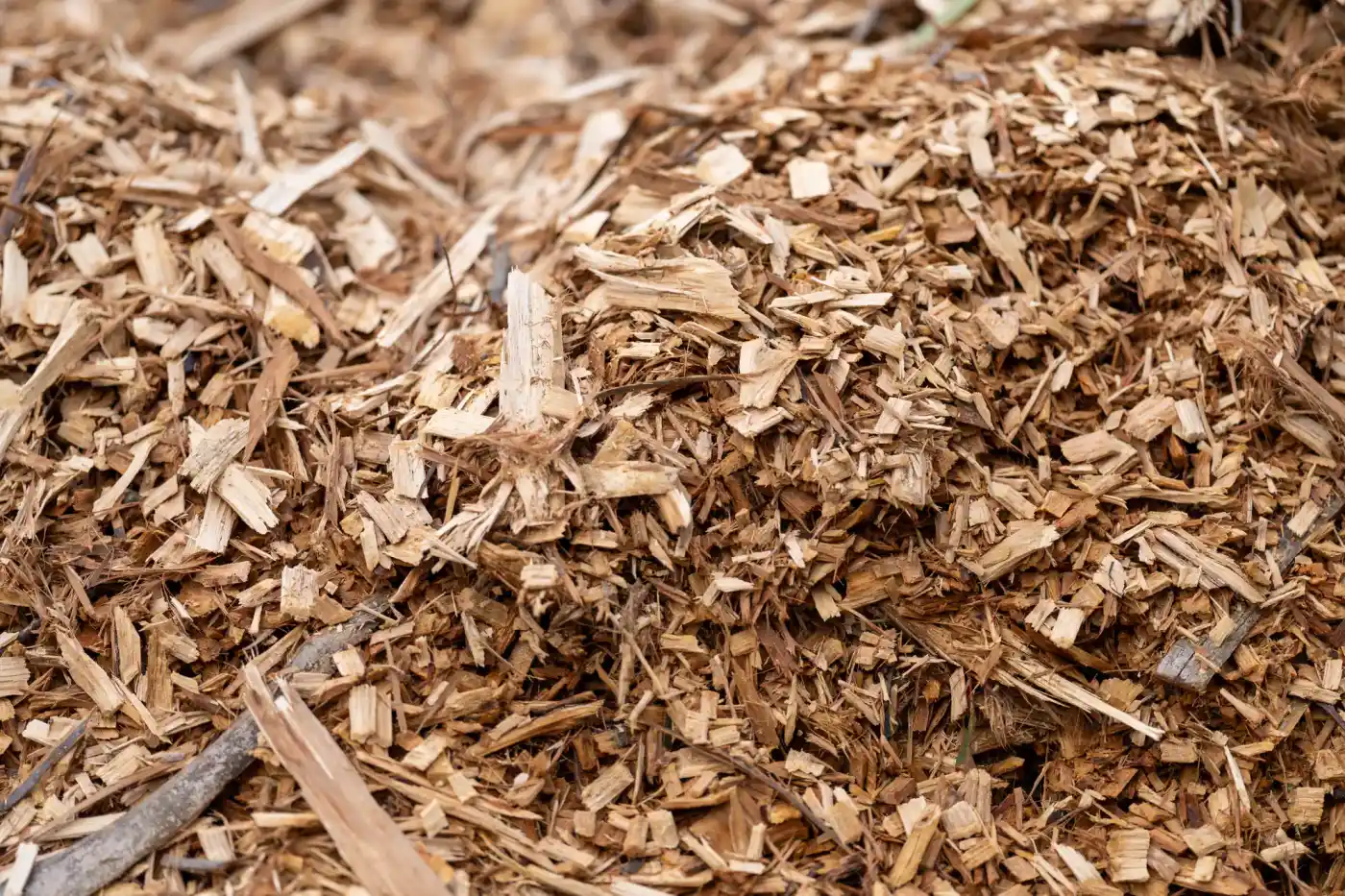
Mulch works alongside your irrigation system to retain soil moisture. A three-inch layer of organic mulch reduces evaporation, moderates soil temperature, suppresses weeds, and adds nutrients as it breaks down. It’s one of the simplest, most cost-effective ways to improve water efficiency in your low maintenance garden.
For new plantings, remember that even drought-tolerant plants need regular water during their 60-day establishment period. Your irrigation design should accommodate this initial phase, then scale back once plants are established and their deep root systems can access moisture that surface watering never reaches.
The investment in proper irrigation design pays for itself through lower water bills, healthier plants, and reduced maintenance time. You’re not constantly adjusting sprinkler heads, fixing broken lines, or dealing with dry spots and overwatered areas. State-licensed irrigation contractors ensure your system meets Florida regulations and performs efficiently for years.
There’s a common misconception that native plants are high-maintenance or look wild and unkempt. The reality is exactly the opposite—once established, native species typically require far less maintenance than traditional landscape plants. This makes native plant landscaping the ultimate low maintenance garden solution.
Native plants are adapted to Florida’s naturally low-nutrient soils. They don’t need the constant fertilizing that non-native species demand. Most need little to no supplemental fertilizer once established because they evolved in these exact soil conditions.
They resist local pests better too. Native plants have developed natural defenses against Florida’s insects and diseases over thousands of years. You’re not constantly spraying pesticides or dealing with infestations that wipe out entire sections of your landscape. This eco-friendly design approach reduces chemical use while maintaining plant health.
Watering requirements drop dramatically once natives establish their root systems. These plants know how to find moisture during dry periods because they’ve been doing it for millennia. During Florida’s dry seasons, they can handle weeks without irrigation—something most non-native plants can’t survive. With Citrus County’s current one-day-per-week watering restrictions, this resilience isn’t just convenient—it’s essential.
Pruning needs are minimal with properly selected natives. When you choose plants that fit their space at maturity, you’re not constantly trimming and shaping to keep them under control. They naturally grow to appropriate sizes for their locations.
The key is proper plant selection and placement. Right plant, right place isn’t just a catchy phrase—it’s the foundation of low-maintenance landscaping. A saw palmetto that naturally grows 5-10 feet wide shouldn’t be planted three feet from your walkway. A county that thrives in shade won’t perform well in full sun. An experienced landscape designer understands these requirements and can prevent costly mistakes before plants go in the ground.
Native plant landscaping also eliminates the cycle of plant replacement that plagues traditional designs. Non-native species that struggle in Florida’s heat, humidity, and soil often need replacing every few years. Natives that are well-suited to your site conditions improve with age instead of declining.
Seasonal interest comes naturally with native plants. You’re not constantly replanting annuals to maintain color. Species like muhly grass provide stunning fall color. Firebush blooms attract hummingbirds for months. Beautyberry produces jewel-like fruits that birds love. Throughout Citrus County, properties featuring native landscapes maintain visual interest year-round without the constant replanting that traditional designs require.
The time savings are real. Homeowners with native landscapes report spending significantly less time on yard maintenance compared to traditional lawns and non-native plantings. Less mowing, less watering, less fertilizing, less pest control, less replacement—more time enjoying your outdoor space instead of constantly working on it.
For Citrus County properties where water restrictions already limit your maintenance options, native plants offer the practical solution that actually works with our climate instead of requiring constant intervention to survive it. This is sustainable landscaping that makes sense for your schedule, your budget, and your property’s long-term value.
Sustainable landscaping in Central Florida isn’t about compromise. It’s about designing outdoor spaces that actually thrive in our climate while reducing your water bills, maintenance time, and ongoing costs.
The strategies we’ve covered—drought-tolerant plants, native species, water-smart irrigation, and proper eco-friendly design—work together to create landscapes that look better over time instead of requiring constant replacement. They comply with current water restrictions while using significantly less water than traditional designs. They support local wildlife and ecosystems while cutting your fertilizer and pesticide needs.
Most importantly, they’re practical solutions for the real challenges Citrus County homeowners face right now. Water restrictions through July 2026. Declining aquifers. Rising utility costs. Limited maintenance time. These aren’t abstract environmental concerns—they’re affecting your property and your budget today.
If your current landscape is struggling under these conditions, sustainable design offers a better approach. We’ve been creating landscapes built for Central Florida’s climate since 1995, using native plants, water-efficient irrigation, and designs that reduce maintenance while improving curb appeal. From state-licensed irrigation installation to comprehensive landscape design and hardscaping, we handle every aspect of creating outdoor spaces that work with Florida’s conditions instead of fighting them.
Article details:
Share:
Continue learning: