A landscape designer creates custom outdoor plans that work with Florida's climate, your budget, and how you actually use your yard—from site analysis to final installation.
Share:
Summary:
A landscape designer creates the plan for your outdoor space. We’re the ones figuring out where plants go, how hardscaping fits in, what materials make sense for Florida’s climate, and how all the pieces work together functionally and visually.
We’re not the crew installing pavers or digging holes. That’s the contractor or installation team. And we’re not landscape architects, who typically need state licenses and work on large commercial projects or complex engineering challenges.
Landscape designers focus on residential properties. We combine horticultural knowledge with design skills to create spaces that look good and actually work for how you live. Think of us as the bridge between your ideas and a finished yard that doesn’t fall apart after one rainy season.
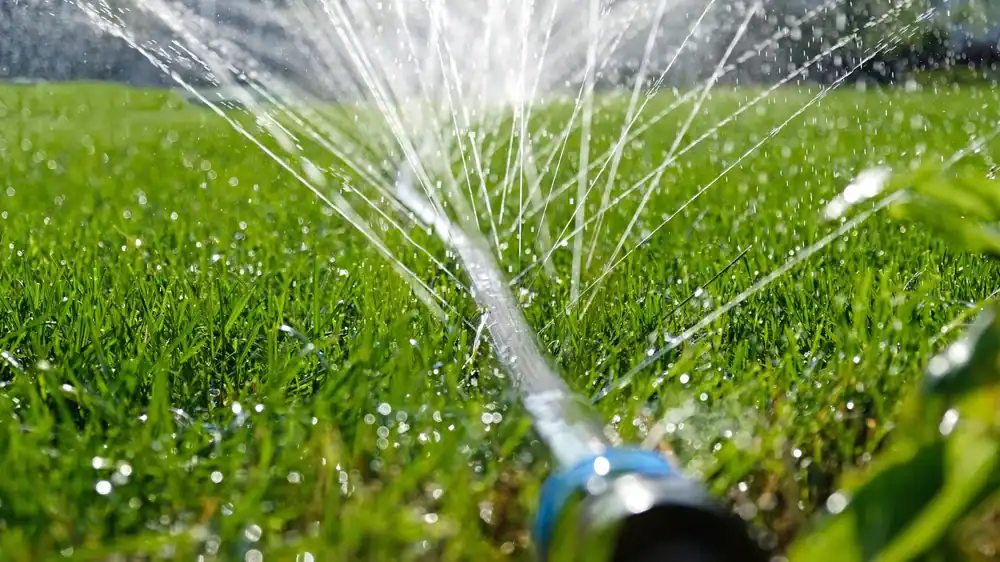
Before we touch a pencil, we walk your property. This isn’t a casual stroll—it’s a methodical assessment of everything that’s going to affect what grows, what drains, and what lasts.
We’re looking at sun exposure throughout the day. Which areas bake in afternoon heat? Where does shade linger? In Homosassa Springs, understanding how Florida’s intense sun hits your property determines whether your plants thrive or burn out by July.
Soil conditions matter more than most homeowners realize. Is it sandy? Does water sit after a storm? Florida’s soil varies wildly even within Citrus County, and what works three streets over might fail in your yard. We test or assess soil to know what amendments you’ll need or which plants will actually survive.
Drainage is huge here. Florida’s rainy season dumps water fast, and if your yard doesn’t move that water away from foundations, plant roots, and hardscaping, you’re looking at expensive problems. We identify low spots, existing drainage patterns, and where water naturally wants to go.
We also note existing features—trees you want to keep, utility lines, property lines, views you want to frame or block. All of this feeds into a base plan, which is basically a scaled bird’s-eye view of your property with all the fixed elements marked. This becomes the foundation for everything else.
The site analysis phase saves you money. It prevents the “let’s just try this plant” approach that leads to dead shrubs and do-overs. It’s the difference between guessing and knowing.
We don’t start by showing you plant catalogs. We start by asking how you use your outdoor space—or how you want to use it.
Do you entertain? Then you need functional areas for seating, maybe a fire feature, pathways that flow. Do you want low maintenance because you travel half the year? That changes plant selection entirely. Got kids or pets? The design has to account for traffic patterns and durability.
This is where residential landscape design gets personal. Our job is to translate your lifestyle into layout. If you say you want a “tropical feel,” we need to know if that means lush privacy screening, bold foliage, or just pops of color. If you say “low maintenance,” we need to define that with you—because your version of low maintenance might be different from the next homeowner’s.
Budget comes up here too, and it should. We won’t waste time drawing plans for features you can’t afford. We’ll ask what you’re comfortable spending, then show you how to prioritize. Maybe you do the patio and key plantings now, and phase in the retaining wall and fire pit next year.
We’re also thinking about Florida-specific needs you might not mention. Hurricane-resistant plantings. Heat-tolerant species. Irrigation that doesn’t drown your water bill. As designers familiar with Homosassa Springs and Citrus County, we know what works here and what’s a waste of money.
This conversation shapes the functional diagram—a rough sketch showing how different areas of your yard will be used. It’s not pretty yet. It’s strategic. Public space near the street. Private space in the back. Service areas tucked out of sight. Circulation paths connecting everything logically.
The goal is to make sure the final design isn’t just attractive—it’s something you’ll actually use.
Want live answers?
Connect with a MainStreet Landscaping expert for fast, friendly support.
Once we know your site and your goals, we start shaping the actual design. This is where outdoor landscape planning turns into something you can visualize.
We’re working with layers. Hardscaping goes in first conceptually—patios, walkways, retaining walls, driveways. These are the bones of the design. In Florida, material choice matters. Pavers that handle heat without cracking. Surfaces that drain. Retaining walls built to code so they don’t shift during storms.
Then comes spatial composition. We think in three dimensions—ground plane, vertical plane, overhead plane. What defines the floor of your outdoor room? Maybe it’s a paver patio or a gravel path. What creates walls? Could be a hedge, a fence, or a row of shrubs. What forms the ceiling? Tree canopy, a pergola, or open sky.
This isn’t just aesthetic. It’s about creating spaces that feel comfortable. Too open and you feel exposed. Too enclosed and it’s claustrophobic. We balance these elements so your yard feels intentional, not random.
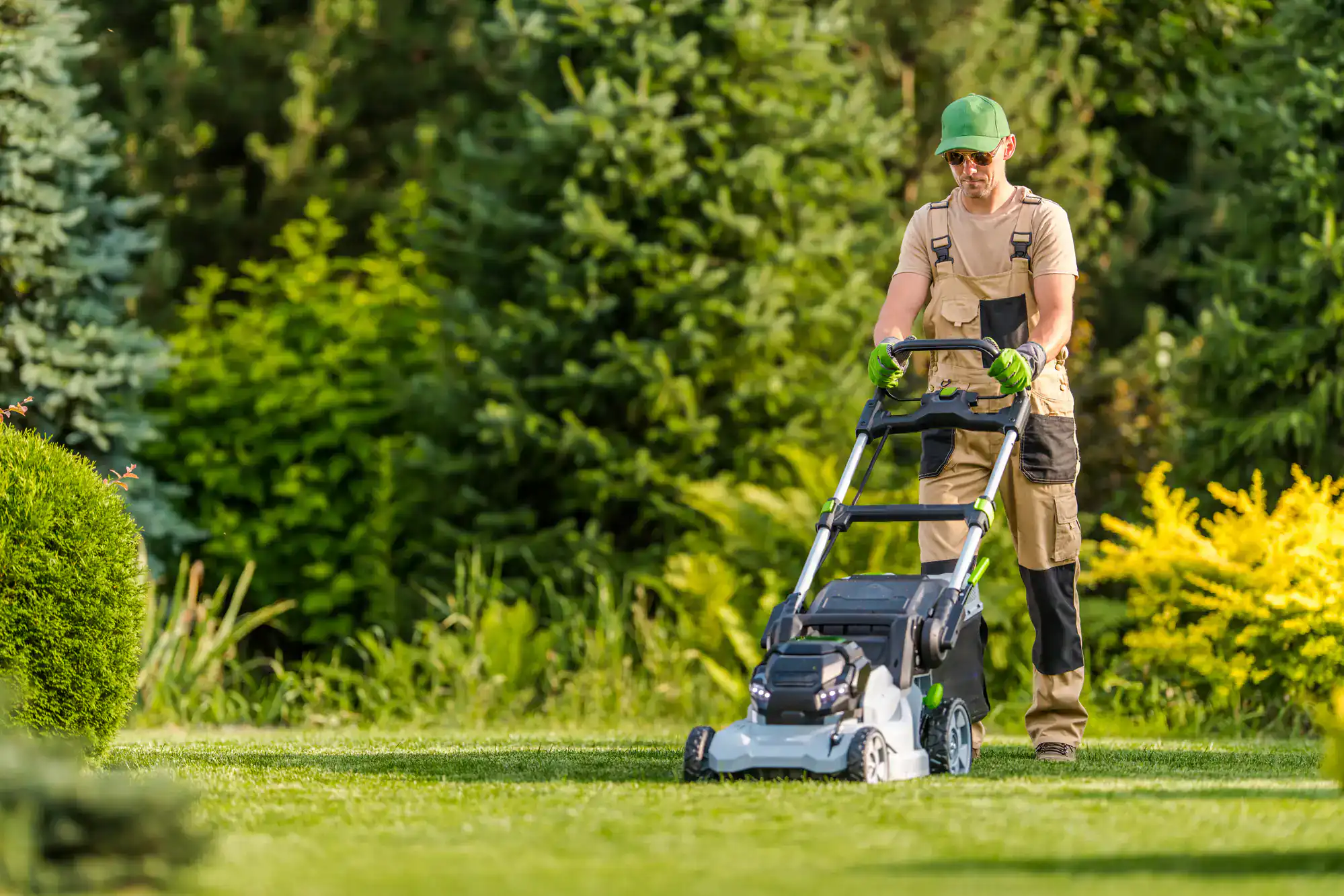
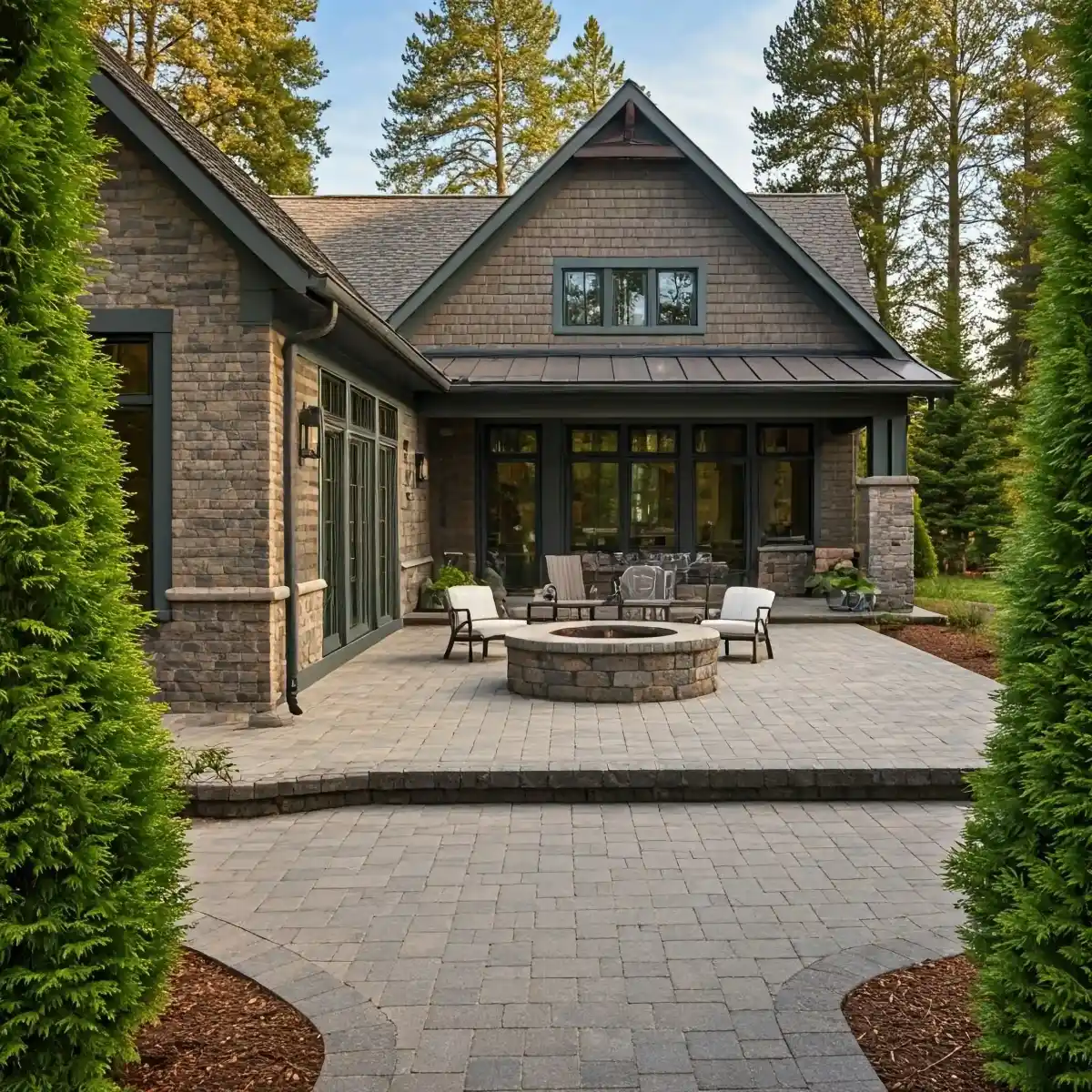
Hardscaping is every non-living element in your landscape. Pavers, stone, concrete, wood structures, retaining walls, fire pits, outdoor kitchens. These features add function, but they also add permanence—and cost.
We plan hardscaping with an eye on how it integrates with plantings and how it performs over time. In Homosassa Springs, that means considering Florida’s weather. Will the patio material get too hot to walk on barefoot in summer? Does the walkway slope enough to shed water? Are retaining walls designed to handle soil pressure and drainage?
We also think about proportion. A massive patio in a small yard feels off. A narrow walkway to your front door doesn’t match the scale of the house. We’re balancing size, shape, and placement so hardscape enhances the space instead of dominating it.
Material selection comes with trade-offs. Pavers cost more than concrete but offer flexibility and easier repairs. Natural stone looks great but requires more maintenance in Florida’s humidity. We explain these trade-offs so you’re making informed choices, not just picking what looks nice in a photo.
Hardscaping also defines traffic flow. Where do people naturally walk? We create pathways that follow those patterns instead of fighting them. We think about accessibility—steps versus slopes, width for furniture or equipment, surfaces that aren’t slippery when wet.
And we coordinate with other trades. If you’re adding an outdoor kitchen, that means plumbing and electrical. A fire feature needs gas lines. Lighting requires wiring. We note these needs in the plan so contractors know what’s involved before they start digging.
The hardscape plan becomes part of the master design. It’s drawn to scale, showing dimensions, materials, and how everything connects. This isn’t a rough sketch—it’s a construction document.
Here’s where landscape designers earn their keep. Plant placement looks simple when it’s done right, but there’s a lot happening under the surface.
We start with mature size. That cute shrub at the nursery? In three years it’s six feet wide and blocking your window. We plan for mature spread and height so you’re not hacking everything back or ripping it out because it outgrew the space.
We’re layering plants by height—tall in the back, medium in the middle, low in front. But it’s not that rigid. We’re creating depth and visual interest by varying heights and textures. Grouping plants in odd numbers (threes, fives) looks more natural than straight rows.
Sun and water needs get matched to site conditions. Shade-lovers go under trees. Sun-lovers get the hot spots. Plants with similar water requirements get grouped together so irrigation makes sense and you’re not overwatering some to keep others alive.
For Florida, this means leaning into native plants and climate-adapted species. Coontie, muhly grass, firebush, Florida palmetto—these handle heat, humidity, and occasional drought without constant babysitting. They also support local wildlife, resist pests better, and don’t need the fertilizers and chemicals that non-native plants demand.
We think about year-round interest too. What blooms when? What provides color in winter? How does the landscape look in different seasons? In Florida, that’s less about fall foliage and more about managing growth cycles and bloom times so something’s always happening.
We’re also planning for function. Need privacy screening? That’s a row of evergreen shrubs or small trees placed strategically. Want to block wind? That’s a windbreak on the side where storms hit. Trying to frame a view? That’s selective placement to draw the eye where you want it.
The plant plan includes botanical names (not just common names), quantities, sizes at installation, and spacing. This gives contractors exact specs and gives you a shopping list if you’re sourcing plants yourself. Everything’s drawn to scale on the master plan so there’s no confusion about what goes where.
The process isn’t instant. Good design takes time—usually a few weeks to a couple months depending on complexity and how quickly you make decisions. You’ll have an initial consultation where we walk the property and listen to what you want. Then we’ll come back with concepts, often a couple options to choose from.
You’ll review those together with us, make adjustments, refine the plan. This back-and-forth is normal. It’s how the design gets from good to exactly what you need. Once you approve the concept, we create the final plan with all the details—measurements, materials, plant specs, installation notes.
That final plan is your roadmap. You can take it to contractors for bids, use it to phase the project over time, or hand it to a design-build company that handles everything. Either way, you’re not guessing. You have a professional document that shows exactly what’s supposed to happen.
For homeowners in Homosassa Springs and Citrus County, working with a landscape designer who knows Florida’s climate isn’t optional—it’s the difference between a yard that works and one that fights you every season. The right designer understands native plants, drainage challenges, hurricane prep, and how to create outdoor living spaces that actually get used.
If you’re ready to move past guesswork and create a landscape that makes sense for your property, your budget, and how you live, Mainstreet Landscaping brings nearly 30 years of local experience to every project. From design through installation, we handle it all.
Article details:
Share:
Continue learning: