
You get a driveway that drains instead of puddles. Rainwater flows through the joints and into the ground below, so you’re not dealing with standing water after every storm.
When the sandy soil shifts—and it will—your pavers move with it. No giant cracks running across your driveway. If a section does settle, you replace a few pavers, not the whole thing.
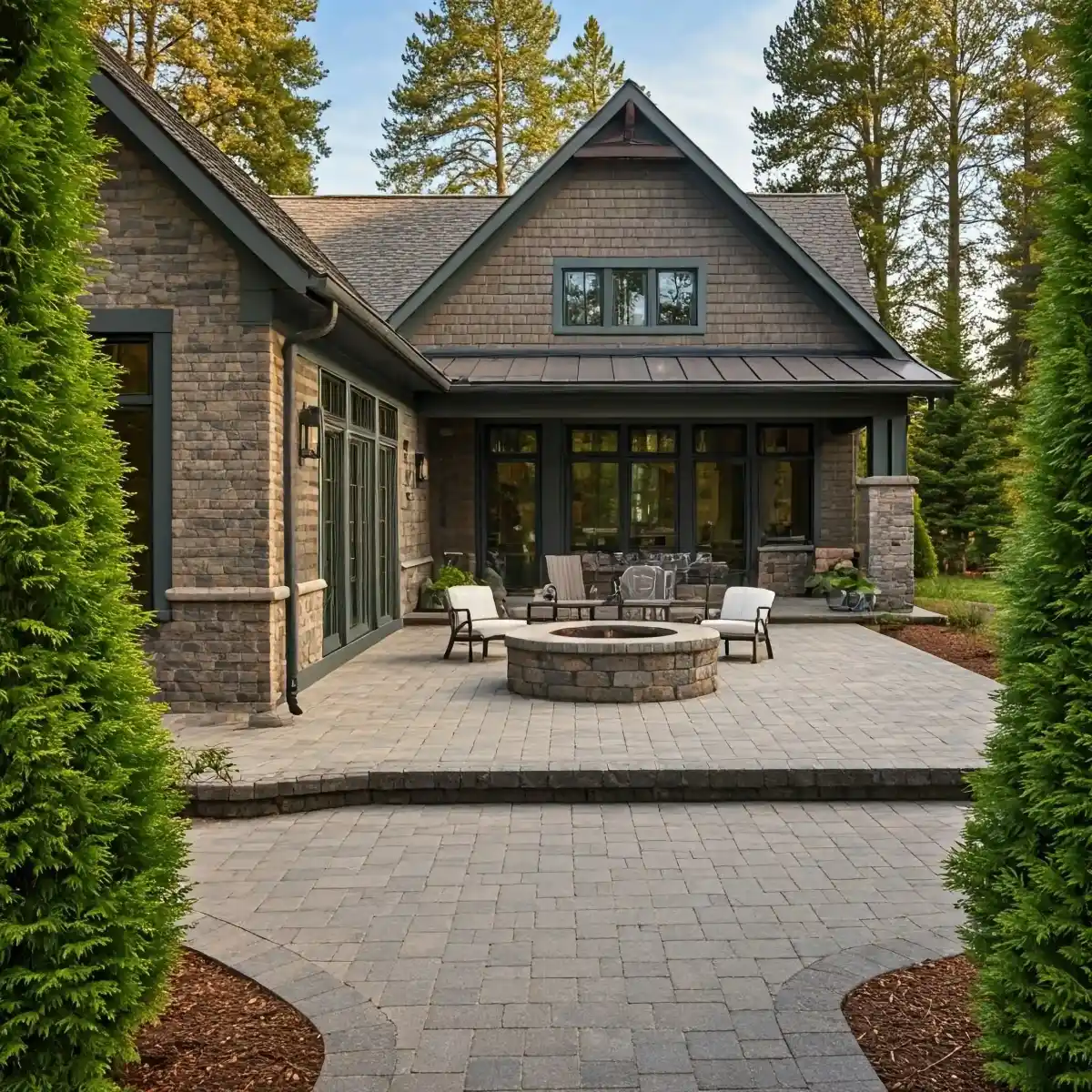
And on those 95-degree days? Pavers cool down faster than concrete or asphalt. They reflect more heat, so walking barefoot to grab the mail doesn’t burn. Your driveway also looks better longer, especially when it’s sealed right and maintained properly. That’s curb appeal that actually lasts.
We’re a family-owned business that’s been serving Citrus County for nearly 30 years. We’re Authorized Contractors for Tremron, Flagstone, and Belgard, and the exclusive Seal ‘n Lock distributor in the county.
We don’t just install pavers. We handle everything—lawn maintenance, state-licensed irrigation, hardscaping, retaining walls, fire features. If it’s outside your house, we’ve probably built it.
We’re also locals. We help with hurricane cleanup, support Toys for Tots, and work with youth programs here. We’re members of the Citrus County Chamber of Commerce. And we offer discounts to military members and first responders, because that matters.
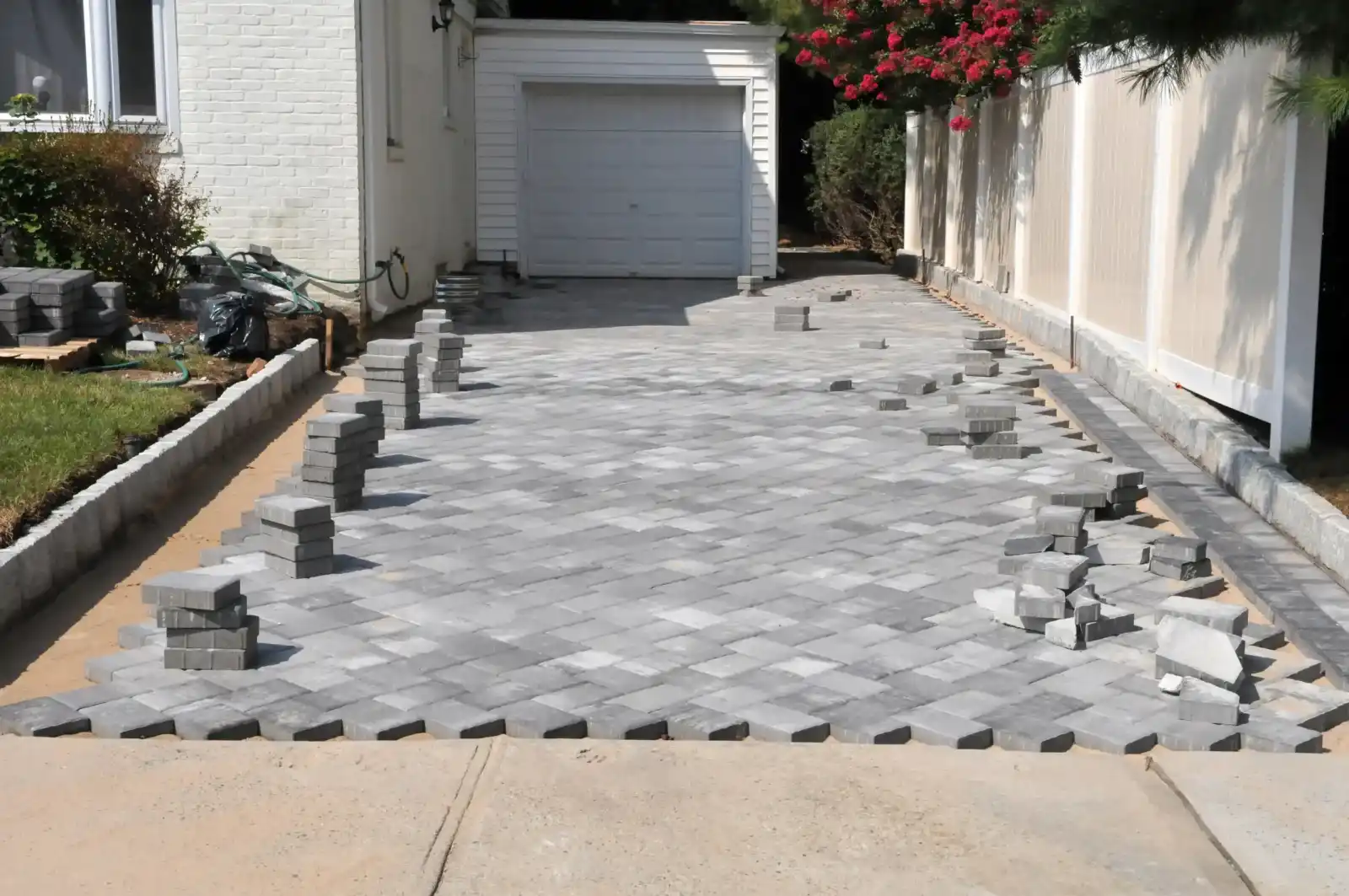
First, we evaluate your site. We look at drainage, soil conditions, and how the driveway will be used. In Central Florida, that means planning for a six-inch base—thicker and more stable than standard jobs—because our sandy soil doesn’t hold like clay or rock.
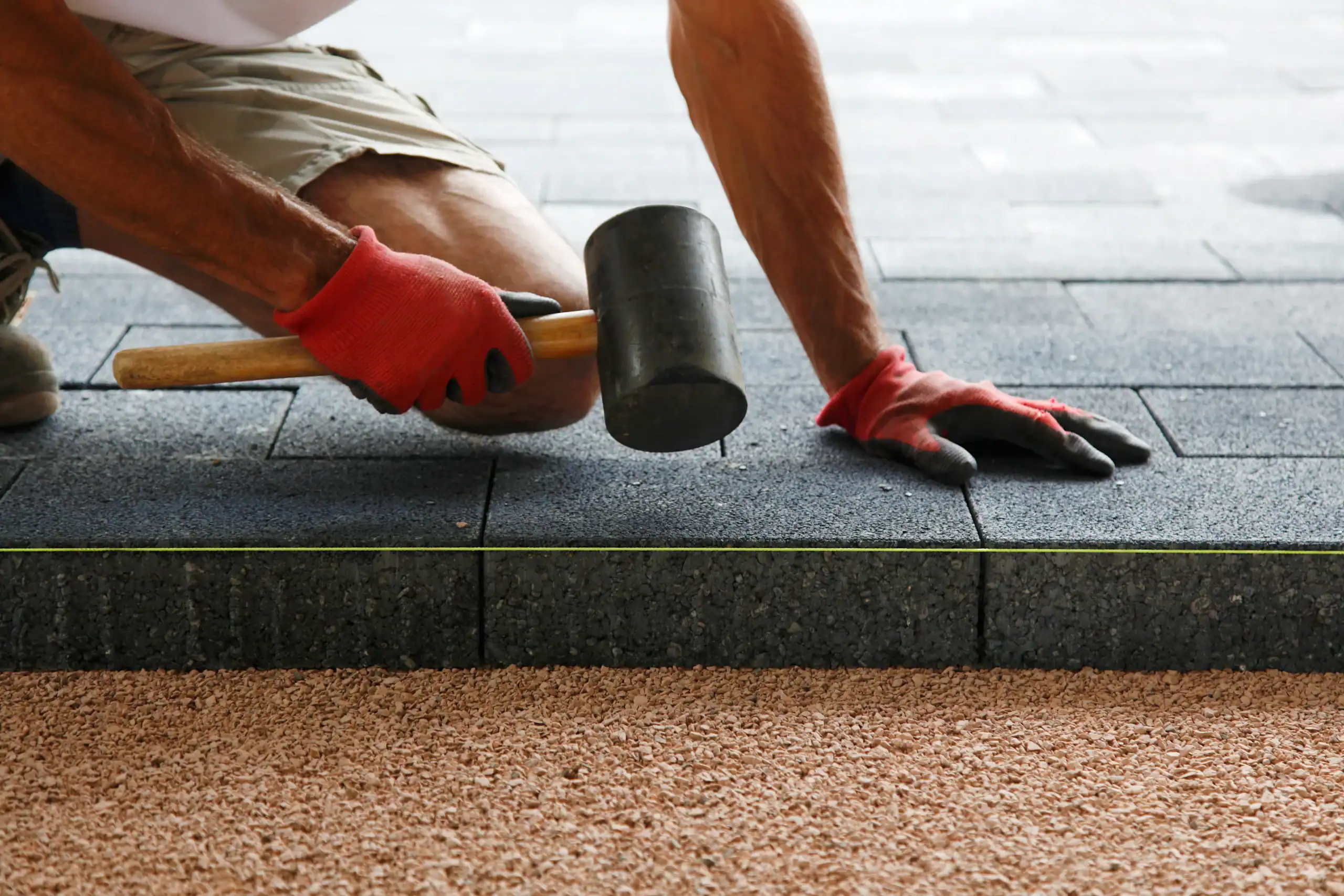
Next, we excavate and prep the base. Proper grading is everything. If water doesn’t flow away from your home, you’ll have problems no matter what material you use. We use concrete molded edging, not plastic spikes, because plastic doesn’t hold in soft, sandy soil.
Then we lay the pavers. We work with Tremron, Flagstone, and Belgard materials, so you’re choosing from proven products that perform in Florida’s climate. Once the pavers are set, we compact everything, fill the joints, and seal the surface. Sealing protects against fading, staining, and moisture. You’ll need a fresh coat every three to four years to keep it looking sharp.
Ready to get started?
You get a full site evaluation and custom design based on your home’s layout and drainage needs. We don’t use cookie-cutter approaches because every property in Homosassa Springs drains differently.
You get a properly engineered base—six inches deep, compacted, and graded to handle Florida’s rain and vehicle weight. We install concrete edging that actually holds, not flimsy plastic that shifts after the first storm.
You get your choice of premium paver materials from manufacturers we’re authorized to install. That means access to colors, styles, and textures that aren’t available everywhere. And you get professional sealing right after installation, which protects your investment from day one.
We also handle permeable paver options if you want even better drainage. These pavers let water flow straight through, reducing runoff and preventing flooding during heavy rain. It’s becoming more popular here because it works with Florida’s climate instead of fighting it.
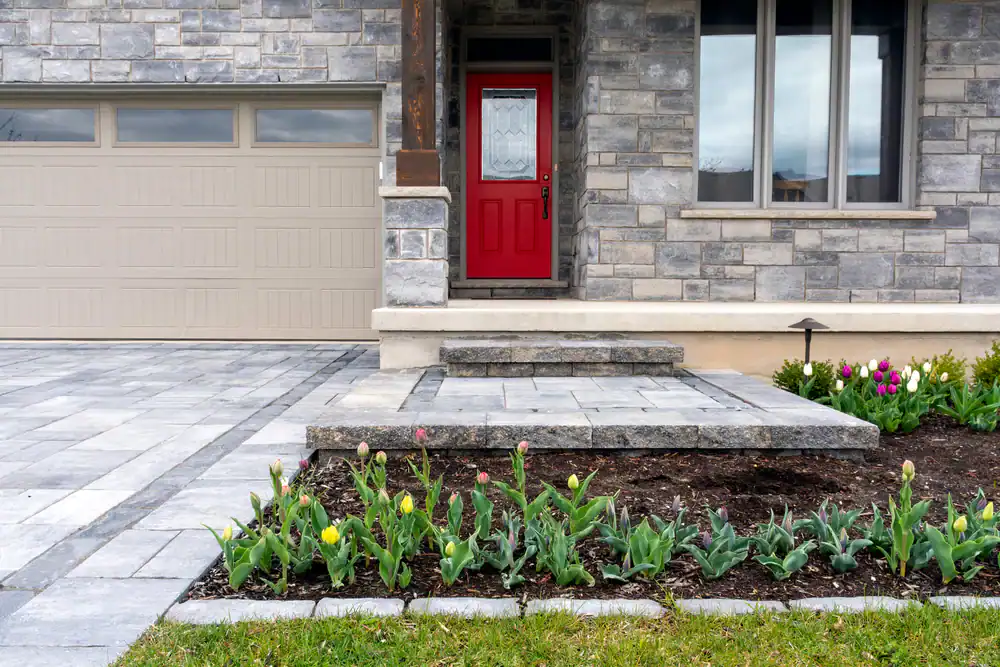
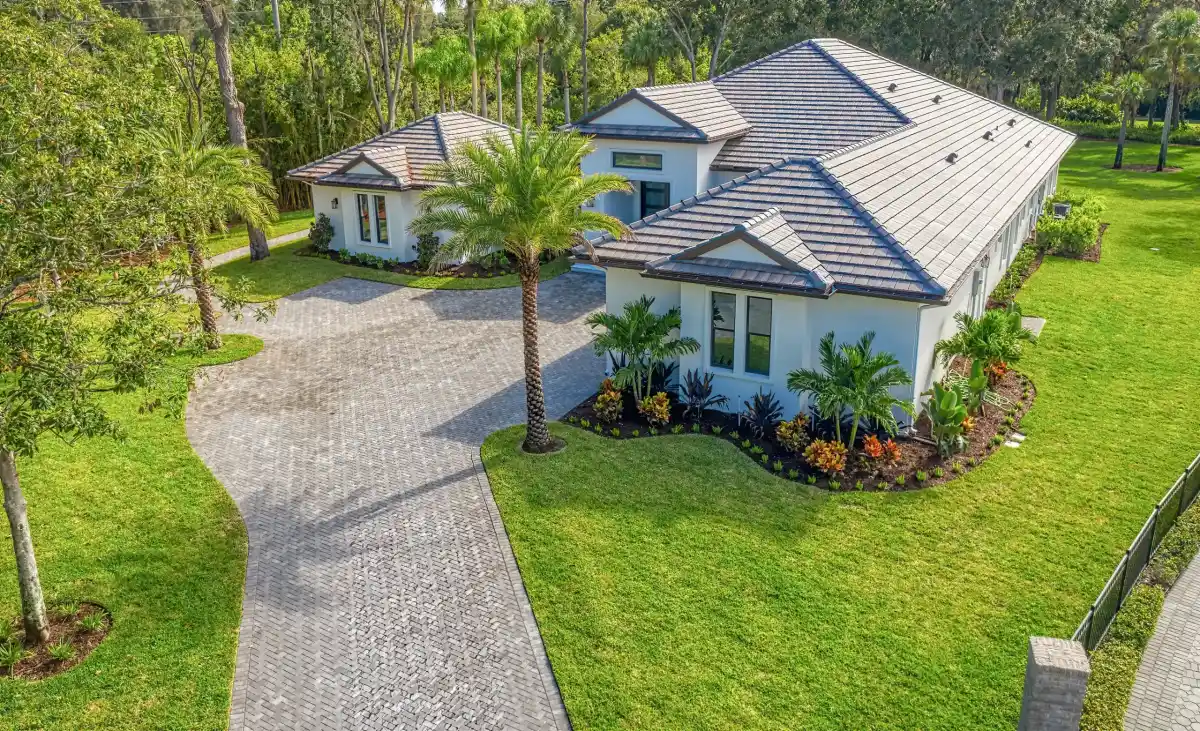
A properly installed paver driveway in Homosassa Springs can last 25 to 50 years, sometimes longer. The key is proper installation—thick base, correct grading, quality materials, and concrete edging.
Florida’s weather is tough. You’ve got daily storms, hurricanes, intense sun, and sandy soil that shifts. Pavers handle all of it better than concrete because they’re segmented. When the ground moves, pavers flex. Concrete cracks.
Sealing your pavers every three to four years protects against fading and staining. Regular maintenance—sweeping, rinsing, re-sanding joints—keeps them looking good and functioning right. If you skip maintenance, you’ll see color fade and weeds grow between the joints. But the pavers themselves? They’ll still be there.
Yes. Paver driveways allow water to drain through the joints between each paver, so rainwater flows into the ground instead of sitting on the surface or running off into the street.
Concrete is a solid slab. Water has nowhere to go except where gravity takes it, which usually means pooling in low spots or flooding your lawn. In Homosassa Springs, where afternoon storms dump inches of rain in an hour, that’s a real problem.
Permeable pavers take drainage even further. These pavers are designed with wider joints and a base layer that lets water flow straight through. You eliminate puddling almost entirely. It’s one of the reasons more homeowners here are choosing pavers over concrete—they work with Florida’s wet season instead of fighting it.
You replace the damaged paver. That’s it. You don’t tear out the entire driveway or patch over cracks that keep spreading.
With concrete, a crack means you’re either living with it, filling it with sealant that doesn’t match, or tearing out and replacing a whole section. With pavers, you pull out the damaged piece, drop in a new one, and you’re done. It takes an hour, not a week.
This is especially useful in Florida, where soil movement and tree roots can cause settling. If a section of your driveway sinks, you lift the pavers, add base material, re-level, and put the pavers back. You’re fixing the problem at the source, not covering it up. That’s why pavers are easier and cheaper to maintain long-term, even if the upfront cost is higher than concrete.
Paver driveways typically cost more upfront than concrete—usually 20% to 40% more depending on the materials you choose and the size of the job. But you’re paying for better performance, easier repairs, and longer lifespan.
Concrete might be cheaper now, but it cracks. And when it does, you’re paying to replace sections or the whole thing. Pavers don’t crack the same way. They move with the soil, drain better, and last longer in Florida’s climate.
You also get more design flexibility with pavers. Different colors, patterns, textures. Concrete is a flat gray slab unless you pay extra for stamping or staining, and even then it doesn’t hold up as well. If you’re looking at your driveway as an investment in your home’s value and curb appeal, pavers win. They look better and perform better over time.
Yes. Sealing your paver driveway right after installation protects it from staining, fading, and moisture damage. In Florida, where sun and rain hit hard, sealing isn’t optional—it’s part of the job.
Sealing locks in the color, keeps sand in the joints, and makes the surface easier to clean. It also helps prevent mold, algae, and moss from growing between pavers, which is common in Florida’s humidity. Without sealing, your pavers will fade faster and look worn within a few years.
You’ll need to reseal every three to four years to maintain that protection. It’s not a huge expense, and it’s a lot easier than dealing with stained, faded pavers that need replacing. We use Seal ‘n Lock products, and we’re the exclusive distributor in Citrus County, so you’re getting a proven system that’s designed for Florida’s conditions.
Sometimes, but it depends on the condition of your concrete. If the slab is level, stable, and free of major cracks, we can install pavers over it. If the concrete is cracked, settling, or has drainage issues, we need to remove it and start fresh.
Installing pavers over concrete saves time and money on excavation, but it only works if the base is solid. If your concrete is already failing, putting pavers on top won’t fix the underlying problem. You’ll just end up with pavers that settle or shift because the foundation isn’t stable.
We’ll evaluate your driveway and tell you what makes sense. If the concrete is in good shape, we can overlay it. If not, we’ll remove it and build a proper base. Either way, you’re getting a driveway that’s built to last in Homosassa Springs’ sandy soil and wet climate.
Useful Links
Other Services we provide in Homosassa Springs