
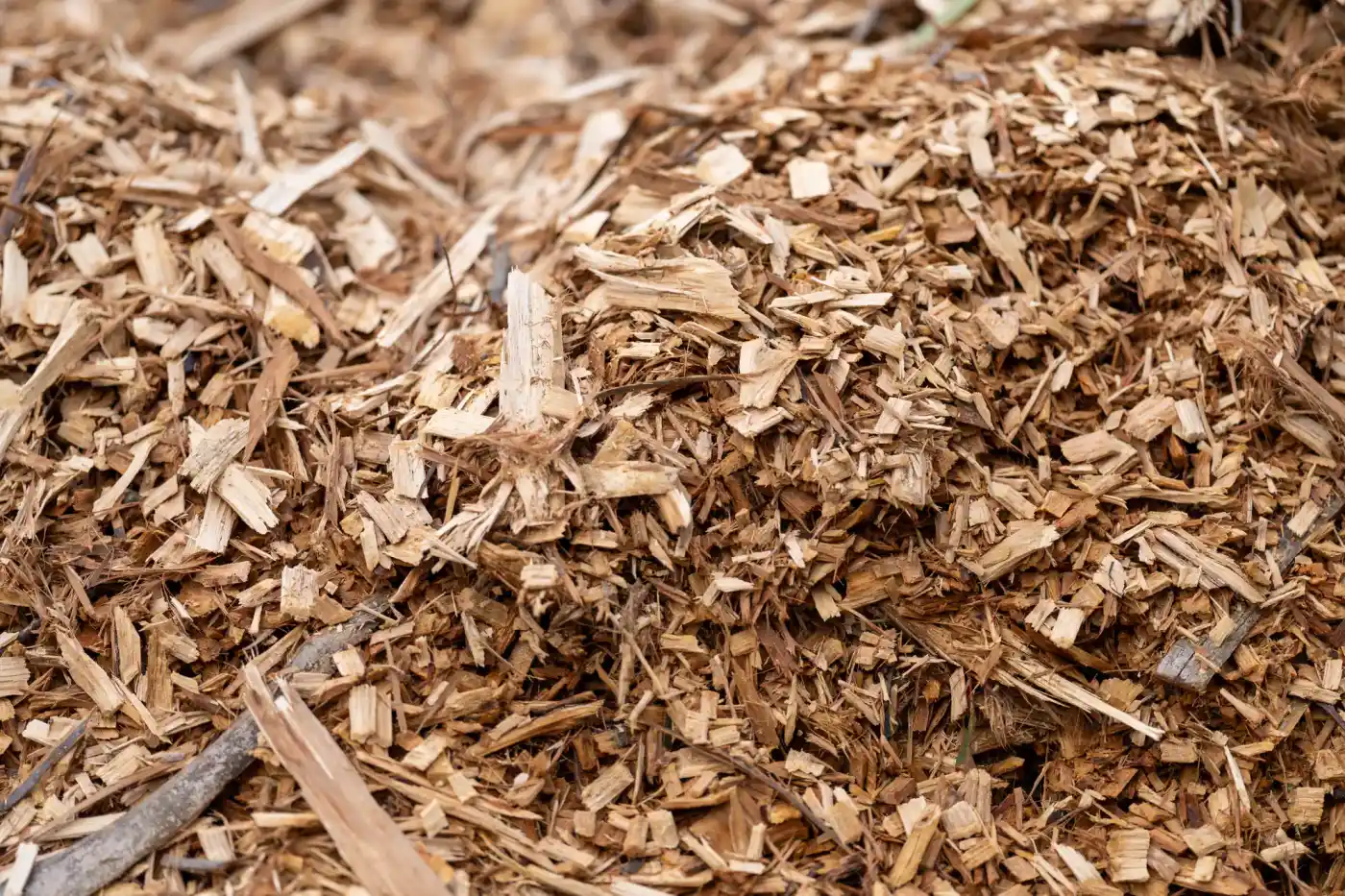
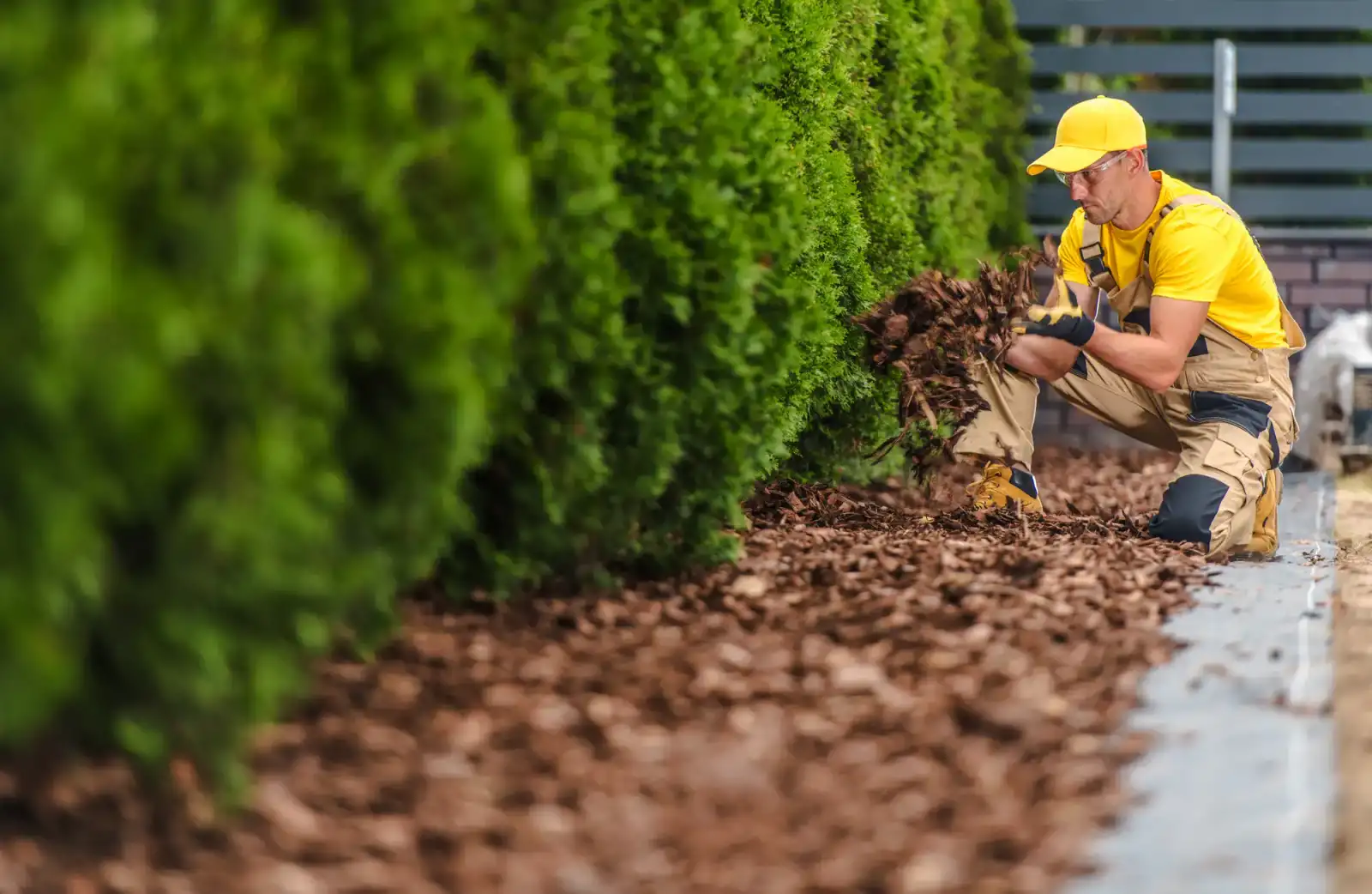
Inverness properties sit on Hernando fine sand and Nobleton sand — soil types that shed moisture quickly and hold almost no organic matter on their own. Without a proper mulch layer, that soil bakes under Florida’s summer heat, root zones dry out between rain events, and plants that looked fine in April are struggling by June. A professionally applied 2 to 3 inch layer of mulch changes that equation entirely. It slows evaporation, keeps soil temperatures from spiking, and gradually builds organic matter into the ground as it breaks down.
Weed pressure in Citrus County never really stops. The same warm, humid conditions that make the Tsala Apopka Chain of Lakes beautiful keep weed seeds germinating in your landscape beds year-round. A fresh mulch application creates a physical barrier that cuts off that cycle before it starts — which means less time pulling weeds and more time actually enjoying your yard.
For homeowners near Whispering Pines Park or out in Inverness Heights, the visual difference is just as real. Clean edges, uniform coverage, and rich color give your property a finished look that reflects the kind of care this community is known for. That matters when you’re investing in your home.
We’ve been serving Inverness and the surrounding area since 1995. That’s not a marketing number — it means we’ve worked through every drought cycle, every SWFWMD restriction order, and every season this region has thrown at a landscape. We know what holds up in Inverness’s sandy karst soil and what doesn’t, and we’ve been advising homeowners on it for three decades.
We’re family-owned and locally rooted, backed by credentials that matter: Authorized Contractor status with Tremron, Flagstone, and Belgard, plus exclusive Seal ‘n Lock distribution rights in Citrus County. When you call, you talk to someone who knows this area — not a call center.
We also offer military and first responder discounts, give back through hurricane cleanup efforts and Toys for Tots, and hold active membership in the Citrus County Chamber of Commerce. We’re invested in Inverness the same way you are.
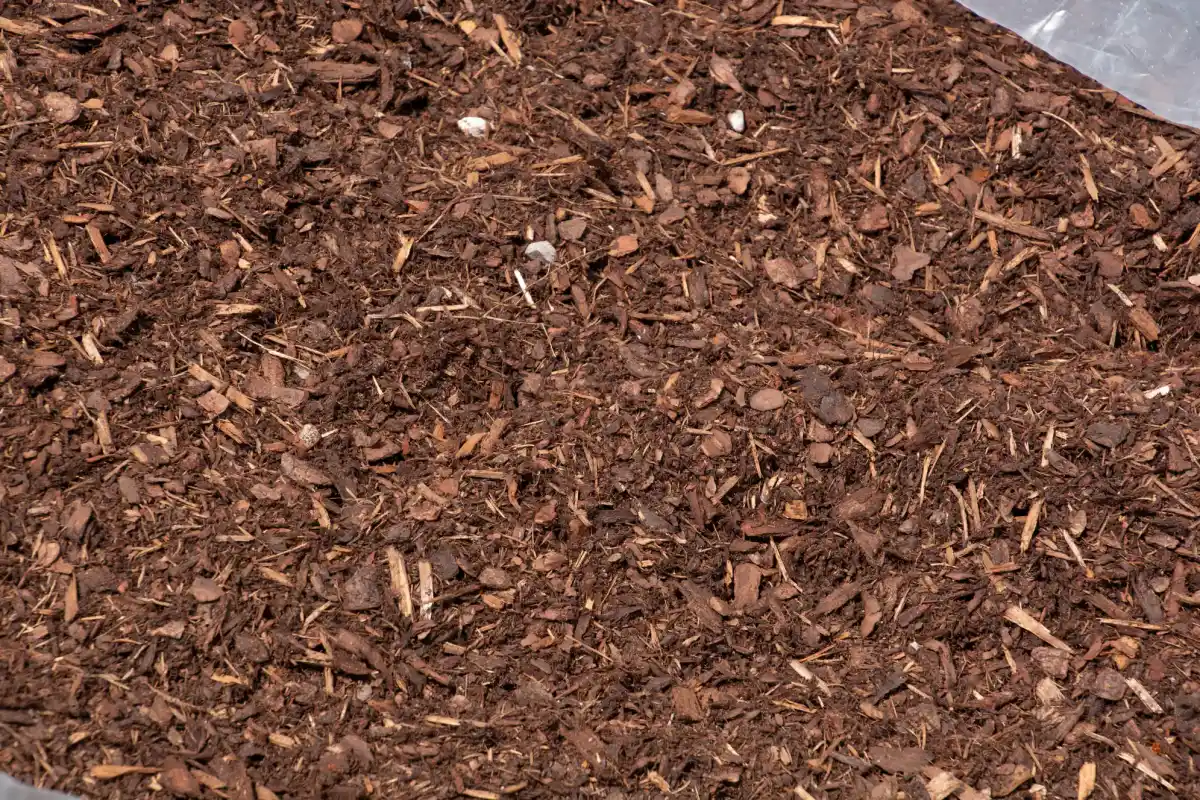
It starts with a walkthrough of your property. Before any mulch gets moved, we take a look at your beds, your existing plant material, and the specific conditions of your yard — because a property near the lake edge in the Depot District has different drainage and moisture dynamics than a home out in Inverness Heights. That context shapes every decision that follows.
From there, existing beds are cleaned up and edged before any material goes down. Applying mulch over overgrown or debris-filled beds is one of the most common mistakes in DIY applications — it traps moisture against plant stems, invites rot, and wastes material. The prep work is what makes the finished result actually last.
Once the beds are ready, mulch is applied at the right depth for your soil type and plant material. In Citrus County’s sandy, fast-draining soils, that typically means 2 to 3 inches — enough to retain moisture and suppress weeds without suffocating roots. Timing matters here too. Spring applications set your yard up for the full summer season, which is when Inverness’s heat and active water restrictions make moisture retention most critical. Fall applications replenish what broke down over summer and protect root zones through the dry winter months.

Ready to get started?
Not all mulch performs the same in Citrus County’s climate. Organic mulches — like shredded hardwood, pine bark, and pine straw — break down over time and gradually improve the sandy, nutrient-poor soils common throughout Inverness. That decomposition process is actually a benefit here, where the ground needs organic matter built back in. Inorganic options like rubber mulch behave differently, especially in areas with active wildfire risk, which Citrus County takes seriously. We help you choose the right material for your specific property, not just what’s cheapest or most available.
Our service covers residential landscape beds, tree rings, garden areas, and pathways. Proper mulch rings around mature trees are especially important in established Inverness neighborhoods — lawn equipment and soil compaction are two of the leading causes of long-term tree decline, and a correctly installed mulch ring addresses both. We follow Florida-Friendly Landscaping guidelines, which Citrus County actively promotes and which protect your right to maintain a water-wise yard under Florida law.
Whether your property is a single-family home near Fort Cooper State Park, a lakefront lot along the Tsala Apopka Chain, or a subdivision home in Inverness Highlands, our standard stays the same: beds prepped, material selected for your conditions, and application done right the first time.

In Citrus County’s climate, most landscape beds need fresh mulch once or twice a year. The heat and humidity that define Inverness summers accelerate the breakdown of organic mulch faster than you’d see in cooler climates — what looks adequate in March can be thin and ineffective by August. A spring application before the heat peaks is the most important one, since that’s when SWFWMD water restrictions tend to tighten and your plants need every advantage they can get to survive on limited irrigation.
A fall refresh is worth considering as well, particularly if your beds saw heavy summer growth or if the original application was on the thinner side. It replenishes what broke down over the hottest months and sets up your root zones for the dry winter season. If you’re unsure whether your current mulch layer is still doing its job, a quick visual check helps: if you can see bare soil through the mulch in most areas, it’s time for a refresh.
For most Inverness properties, organic mulches — shredded hardwood, pine bark, or pine straw — are the better long-term choice. Citrus County’s sandy, porous soils are naturally low in organic matter, and as organic mulch breaks down, it slowly adds that organic content back into the ground. That’s a real benefit here, not just a byproduct. It improves moisture retention and soil structure over time, which is exactly what these fast-draining karst soils need.
Rubber and rock mulches don’t decompose, so they don’t offer that soil-building benefit. They also retain heat differently, which can work against you during Inverness’s intense summer months when soil temperatures are already high. There are situations where non-organic options make sense — certain pathways, high-traffic areas, or specific design goals — but for standard landscape beds and tree rings on a residential property, organic mulch is typically the right call. We can walk you through the options based on your specific yard.
Yes, and right now it’s one of the most practical things you can do. The Southwest Florida Water Management District has issued Modified Phase III Extreme Water Shortage conditions affecting Inverness and the surrounding area, limiting irrigation to once per week — including for private well users. The City of Inverness posted official notices about these restrictions, and they’re not going away quickly. When your irrigation window is that narrow, how much moisture your soil retains between waterings becomes critical.
A properly applied 2 to 3 inch mulch layer significantly slows evaporation from the soil surface. On a hot Inverness afternoon in July, unprotected sandy soil can lose a substantial amount of moisture within hours of a watering event. Mulch acts as a buffer — keeping that moisture in the ground longer and giving your plants a better chance of staying healthy between restricted irrigation days. The University of Florida’s IFAS Extension specifically recommends mulching to 3 inches as a primary water conservation strategy, and it’s one of the most cost-effective steps you can take right now given current conditions.
The general target for landscape beds is 2 to 3 inches of mulch — deep enough to retain moisture and suppress weeds, but not so deep that it suffocates roots or traps excess moisture against plant stems. In Inverness’s sandy, fast-draining soils, staying closer to the 3-inch mark is usually the right call because moisture loss happens quickly and you want that buffer layer working as hard as possible.
For tree rings, the depth guidance is similar, but placement matters just as much as depth. Mulch should never be piled against the base of the trunk — that “volcano mulching” style you see sometimes is actually harmful. It traps moisture against the bark, invites rot and pest activity, and can eventually kill a mature tree. The correct approach is to pull the mulch a few inches back from the trunk and spread it outward in a flat ring, covering as much of the root zone as practical. For the mature oaks and other established trees common in Inverness neighborhoods, that root zone can extend well beyond the drip line of the canopy.
It can, and the math is straightforward. A properly mulched yard requires less water — which directly affects your utility costs, especially during the dry season when Inverness properties are running irrigation more frequently. Fewer weeds mean less time spent pulling them or paying for weed control treatments. And plants that aren’t heat-stressed or drought-stressed are less likely to die and need replacing — which is one of the more quietly expensive parts of maintaining a landscape in Central Florida’s climate.
The upfront cost of our mulching service pays for itself across the season in reduced water use, reduced weed management, and reduced plant replacement. For homeowners on fixed incomes — which describes a significant portion of Inverness residents — that ongoing cost reduction matters. A well-maintained, freshly mulched yard also has real curb appeal value, whether you’re planning to sell or simply want your property to reflect the care you put into it.
Yes. We offer discounts for military clients and first responders, and it applies to mulching services along with everything else we offer. Citrus County has a meaningful population of veterans and active public safety professionals, and this discount is a direct acknowledgment of that — not a footnote buried in fine print, but something we actively extend to clients who qualify.
If you or someone in your household has served in the military or works in public safety, mention it when you reach out. We’ll apply the discount to your service without any extra steps or hoops to jump through. We’ve been part of this community since 1995, and for a family-owned local business, recognizing the people who’ve served Inverness and this country is a straightforward decision.
Useful Links
Other Services we provide in Inverness