
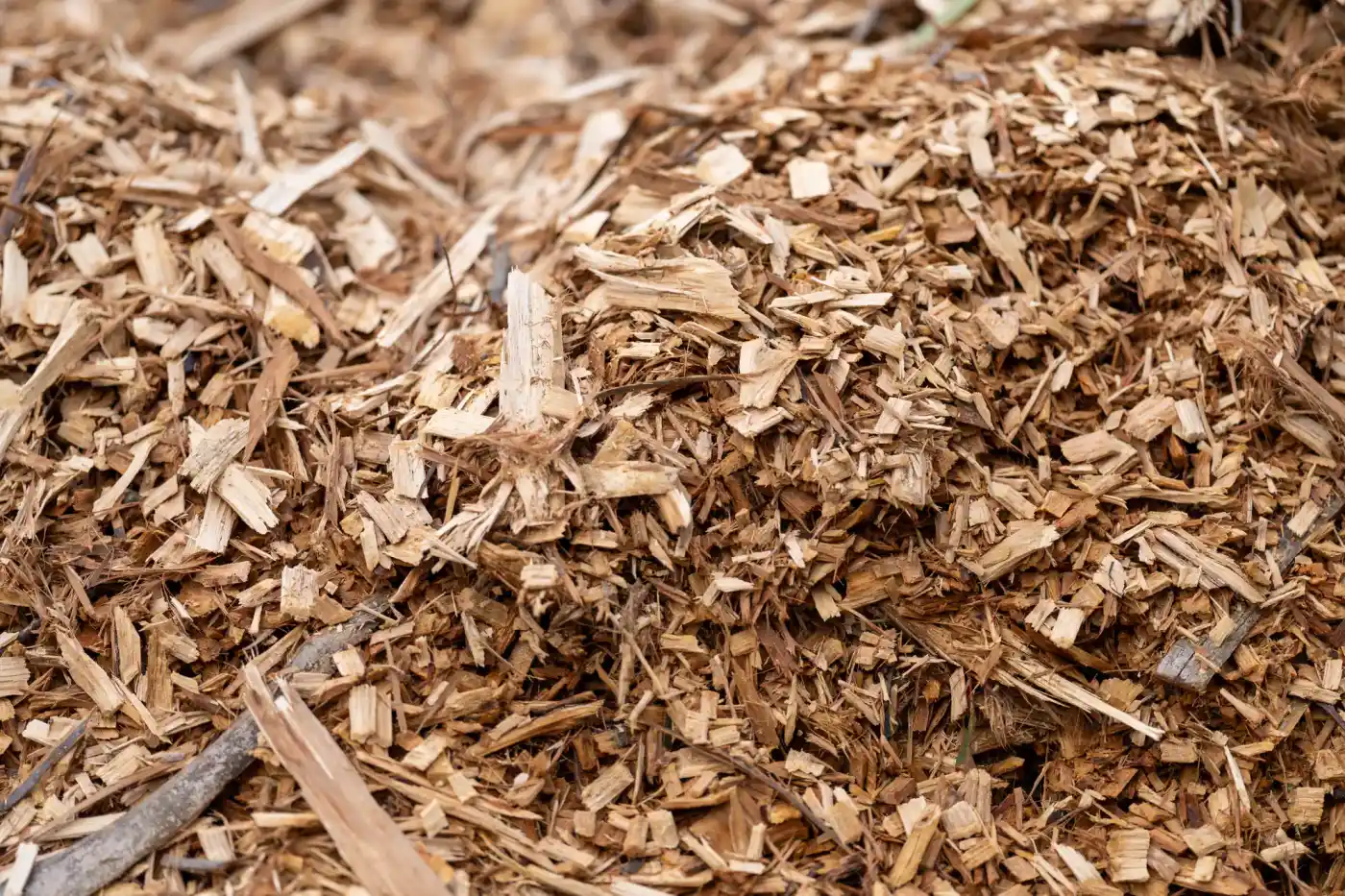
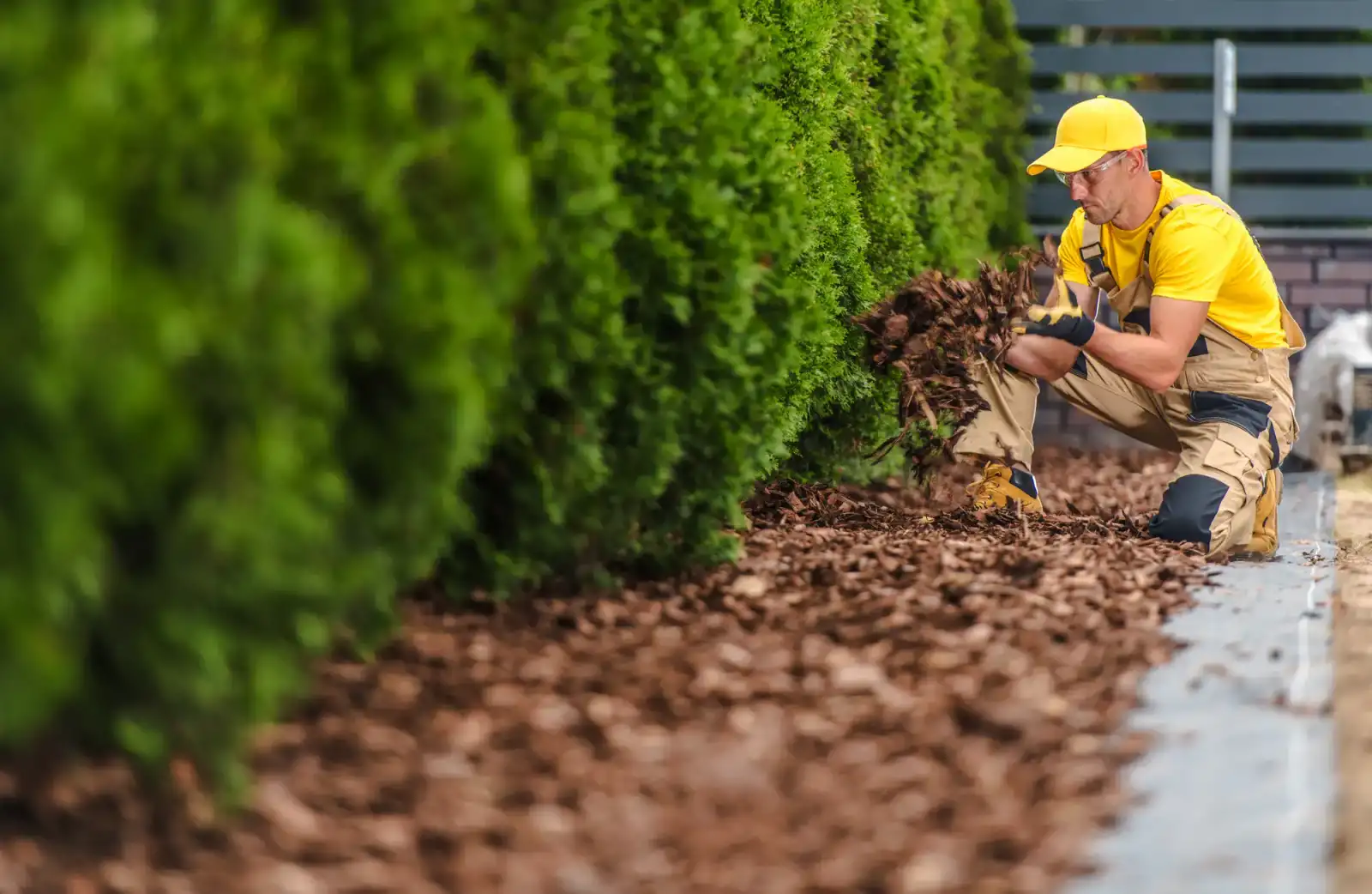
When mulch is applied correctly, you stop fighting your yard and start enjoying it. Weeds slow down. Plants stay healthier. Your beds hold moisture longer between watering days — and in Timber Pines, where odd and even watering schedules limit when you can run your irrigation, that moisture retention isn’t a small thing. It’s the difference between plants that thrive and plants that struggle through Florida’s dry season.
The sandy soils throughout western Hernando County drain fast. There’s not much organic matter holding water near the root zone, which means your ornamental beds in Timber Pines are especially vulnerable during dry stretches. A proper layer of fresh mulch — applied at the right depth, with the right material — acts as a buffer. It slows evaporation, moderates soil temperature during Florida’s summer heat, and gradually improves soil quality as it breaks down over time.
There’s also the visual side of it. Timber Pines is a community where curb appeal matters — not just to you, but to your neighbors and the HOA. Fresh, evenly applied mulch pulls a landscape together in a way that’s hard to fake. It signals that a property is cared for. And when your beds are clean and defined, the whole yard looks more intentional, more finished.
We’ve been serving Florida’s Nature Coast since 1995 — a family-owned business built on repeat customers and referrals, not advertising gimmicks. Our team has worked throughout Timber Pines and the surrounding Hernando County communities long enough to understand the specific challenges your landscape faces: the sandy soils that drain too fast, the pine canopy that drops needles and cones year-round, the subtropical humidity that accelerates mulch breakdown, and what it actually takes to keep a landscape looking right through every season Florida throws at it.
Timber Pines landscapes come with their own set of challenges. The pine trees that give this community its name drop debris constantly. The summer rains can wash lightweight mulch out of beds if it’s not applied with the right technique. And the HOA expects results that hold up — not just on installation day, but weeks later. That’s the standard we work to on every job.
Beyond the work itself, we’re invested in the communities we serve. From hurricane cleanup assistance to Toys for Tots and local youth programs, our roots here run deeper than landscaping. We offer genuine discounts for military veterans and first responders — not a footnote, but a real acknowledgment — because we understand who built and protected the communities we now serve.
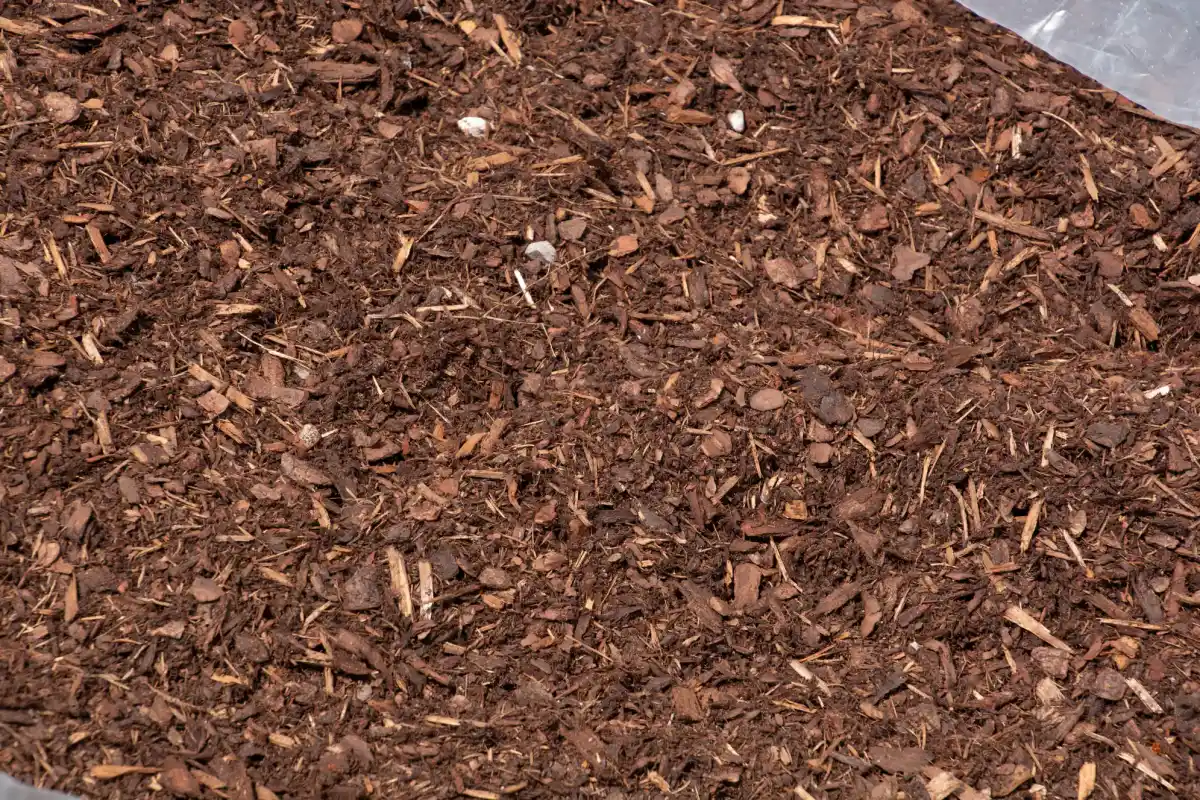
It starts with a conversation. Before any mulch gets ordered or any beds get touched, we take a look at what you’re working with — the size and layout of your beds, what’s planted in them, the current condition of any existing mulch, and what your goals are. For Timber Pines homes, that conversation often includes a quick review of HOA landscaping standards, because the last thing you need is a freshly mulched yard that triggers a compliance issue.
From there, the old material gets cleared out. Decomposed mulch that’s been sitting too long loses its function — it compacts, stops retaining moisture, and can actually harbor pests if it’s built up too thick against your home’s foundation. Removing it before applying fresh material is the step a lot of budget services skip, and it’s exactly the step that makes the difference in how long your results last.
Once the beds are prepped, fresh mulch goes down at the correct depth — typically two to three inches — with proper clearance maintained from your home’s stucco, foundation, and plant stems. In Timber Pines’ climate, that detail matters. Too much mulch piled against a structure creates a moisture trap, and in Florida’s humidity, that’s a problem that compounds fast. When the job is done, the beds are clean, the edges are defined, and the yard is ready to be seen.
Ready to get started?
Not every mulch works the same way in every environment, and Florida is not a forgiving place for the wrong choice. In Timber Pines, where the soil is sandy, the summer humidity is relentless, and the pine canopy drops organic debris year-round, the material you use matters as much as how it’s applied. We work with mulch types that are well-suited to this region — pine bark, double-shredded hardwood, and melaleuca chips among them — selected based on what’s planted in your beds, your drainage conditions, and how your yard is positioned relative to the community’s shared landscape.
For homes near the golf course corridors in areas like The Greens or The Pines, where the aesthetic bar is visibly high, the finish quality of the mulch application carries extra weight. For villa sections with shared borders and tight bed layouts, the precision of the edging and the consistency of the depth matters even more. We adjust the service to the specifics of your property — not applying it the same way regardless of what’s actually there.
Timing matters too. Florida’s wet season accelerates mulch breakdown and can displace lighter materials from open beds. Most Timber Pines properties benefit from reapplication once or twice a year, with timing planned around the seasonal transition from dry to wet. We can help you stay on a schedule that keeps your beds looking right year-round without overspending on unnecessary applications.
For most Timber Pines properties, once or twice a year is the right rhythm — but the honest answer depends on what type of mulch you’re using and how exposed your beds are. Florida’s subtropical climate breaks down organic mulch faster than most homeowners expect, especially through the wet season when heat and humidity accelerate decomposition. By the time mulch looks faded and flat, it’s already lost most of its moisture-retention and weed-suppression value.
A good rule of thumb: if you can press your hand into the mulch and it feels compacted or thin in spots, it’s time for a refresh. In Timber Pines specifically, the pine canopy adds a layer of natural debris that can make existing mulch look messier faster than the material itself has actually degraded. A professional assessment before each application helps you avoid paying for mulch you don’t need yet — or waiting too long and losing the protection your beds depend on through the dry season.
In Florida’s sandy soils — which drain quickly and hold very little organic matter on their own — you generally want an organic mulch that breaks down gradually and adds something back to the soil as it does. Pine bark and double-shredded hardwood are both solid choices for most ornamental beds. They hold their position reasonably well through summer rains, decompose at a manageable pace, and improve soil structure over time as they break down.
Melaleuca mulch is another option that performs well in Florida’s climate and is made from an invasive species, which makes it an environmentally responsible choice for Nature Coast homeowners who care about that. Cypress mulch, while commonly sold at big-box stores, is worth reconsidering — it’s slower to decompose but comes with real environmental concerns tied to cypress wetland harvesting. The right choice ultimately depends on what you’re mulching around, how your beds drain, and how often you’re willing to reapply. That’s a conversation worth having before you commit to a specific material.
For routine mulch refreshing — replacing existing mulch in established beds with the same or similar material — you typically don’t need to go through the Timber Pines Community Association’s architectural review process. That process is generally triggered by new landscaping installations, changes to bed layouts, or new plantings that alter the appearance of your property from what was originally approved.
That said, if you’re planning to expand your beds, add new planting areas, or make any changes to the landscape footprint alongside your mulching project, it’s worth checking with the TPCA before work begins. The Resident Handbook is clear that new landscaping requires a plot plan and a list of proposed plantings submitted for review. We understand how HOA communities operate and can help you document the work appropriately, which saves you the frustration of a compliance issue after the fact.
The standard recommendation is two to three inches of mulch across your beds — deep enough to suppress weeds and retain moisture, but not so deep that it suffocates plant roots or creates drainage problems. Going beyond three inches is one of the most common mulching mistakes, and in Florida’s humidity, it’s one of the most damaging. Thick mulch piled against plant stems traps moisture at the crown, which leads to rot and fungal disease in conditions that already favor both.
Around your home’s foundation and any stucco or wood trim, mulch should be kept at least two to three inches away from the structure itself. In Timber Pines’ climate, a moisture bridge between your mulch and your home’s exterior is a fast track to mold, rot, and termite harborage — all of which are more aggressive problems here than they would be in a drier climate. Around tree trunks, the same principle applies: mulch should never be piled against the bark in a “volcano” shape. Flat, even coverage that tapers away from the trunk is the correct approach every time.
Yes — and for residents dealing with Timber Pines’ odd and even watering schedule restrictions, it’s one of the most practical differences professional mulching makes. When your irrigation window is limited to specific hours or days, your plants are depending on whatever moisture is left in the soil between those windows. In Timber Pines’ sandy soils, that moisture doesn’t last long without something slowing evaporation at the surface.
A properly applied layer of mulch at two to three inches depth can cut soil moisture loss significantly — some studies from UF/IFAS Extension put the reduction in evaporation at 25% or more compared to bare soil. That means your plants are drawing on available moisture longer, your irrigation is working more efficiently, and you’re less likely to see stress or dieback during dry stretches. For residents who’ve noticed their ornamental beds struggling between watering days, fresh mulch applied at the right depth is often the simplest and most cost-effective fix available.
Yes. We offer discounts for military veterans and first responders, and it applies to mulching services the same as any other work. Timber Pines has a significant veteran population — many residents chose this community after careers in the military or public service, and that’s not something we take lightly. The discount is straightforward: mention your service when you call for your quote, and it gets applied.
There’s no complicated process, no proof-of-purchase requirement, and no fine print that makes it harder than it should be. It’s a direct acknowledgment that the people who spent careers serving others deserve a landscaping company that treats them with the same level of respect and straightforwardness. If you’re a veteran or first responder in Timber Pines and you’ve been putting off getting your landscape beds back in shape, that’s a good reason to make the call now and ask about what’s available to you.
Useful Links
Other Services we provide in Timber Pines