
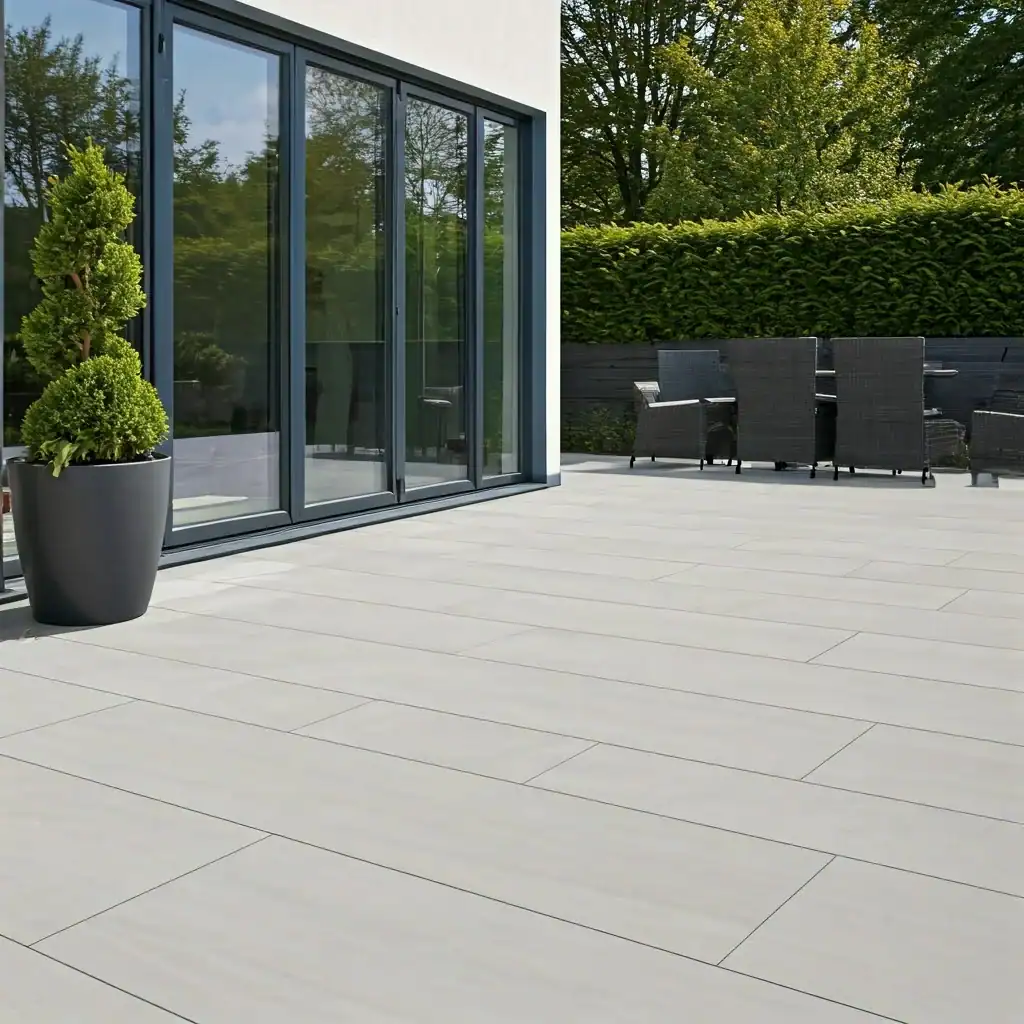
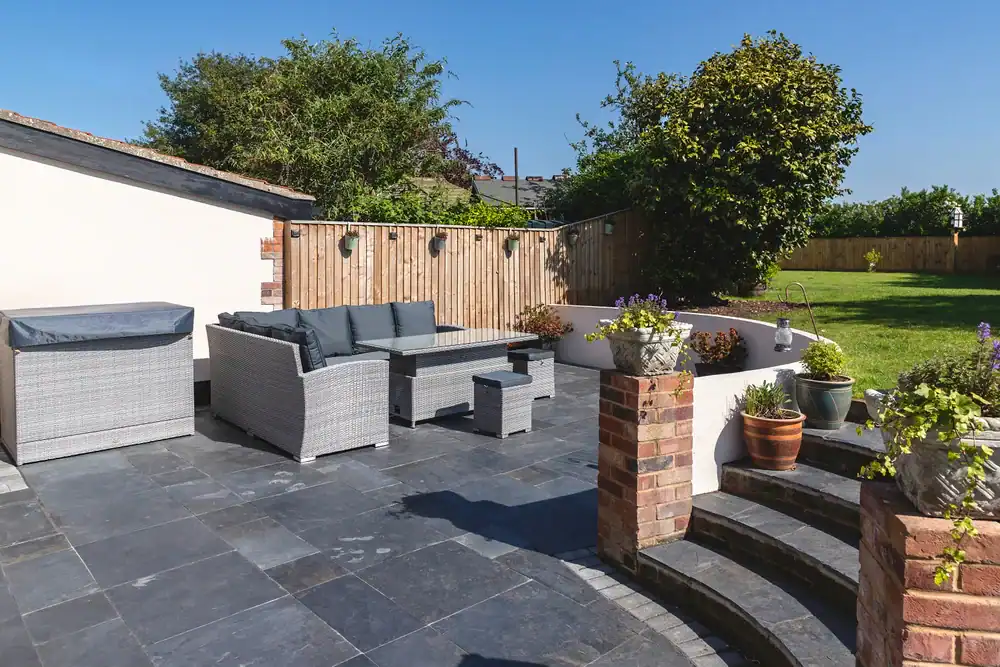
You want a patio that doesn’t crack after the first rainy season. You want something that looks good in five years, not just five months. And you don’t want to deal with weeds pushing through every spring or faded stones that make your yard look tired.
That’s what proper patio paver installation in Citrus Springs, FL gets you. Pavers that drain water instead of trapping it. Surfaces that stay cool underfoot even during July. Individual stones you can replace if one gets damaged, so you’re not tearing out the whole thing.
Your outdoor space becomes usable year-round. You can host without worrying about guests stepping on uneven concrete. You add real value to your property, the kind that shows up in appraisals. And you stop thinking about your patio because it just works.
We’ve been installing patio pavers in Citrus Springs, FL since 1995. We’re not new to Florida weather, and we’re not learning on your property. We’re a family-owned business that’s watched this community grow, and we’ve built our reputation one project at a time.
We’re authorized contractors for Tremron, Belgard, and Flagstone, which means we meet their standards and have access to their full product lines. We’re also the exclusive Seal ‘n Lock distributor in Citrus County, so your pavers get protected the right way from day one.
You’ll talk directly to the people who own this business. We’re in Citrus Springs, FL, and we’re staying here. That matters when you need someone to stand behind their work.
First, we look at your space and talk about what you actually want to use it for. Entertaining looks different than a quiet morning coffee spot. We measure, check drainage patterns, and discuss paver options that fit your budget and style.
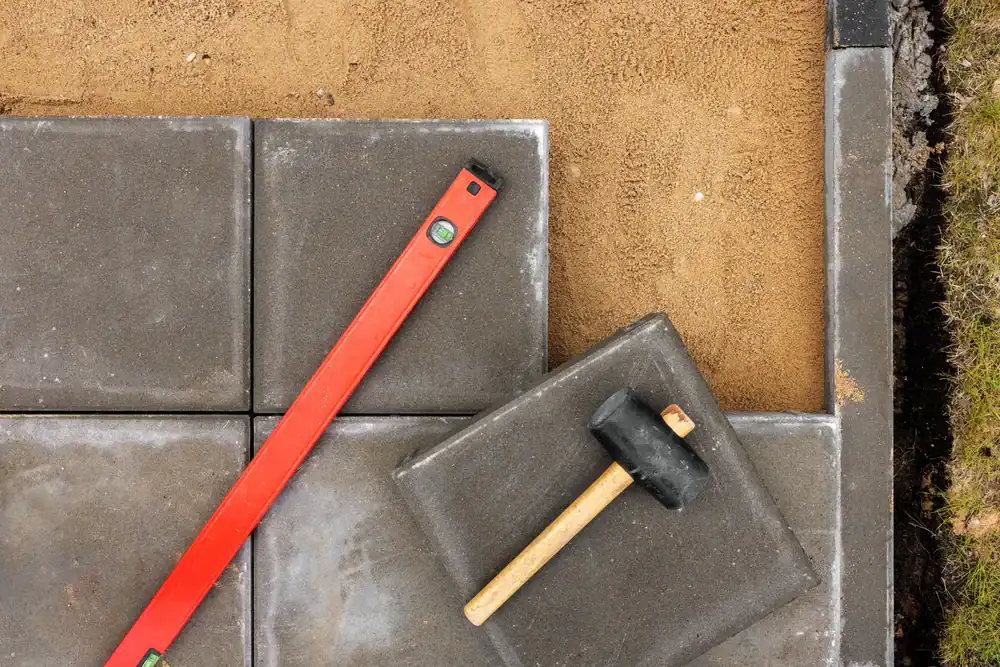
Next comes the base work, which is where most contractors cut corners. We excavate to the right depth, compact the soil, and build a proper base that won’t shift when Florida’s ground gets saturated. This step determines whether your patio lasts five years or fifty.
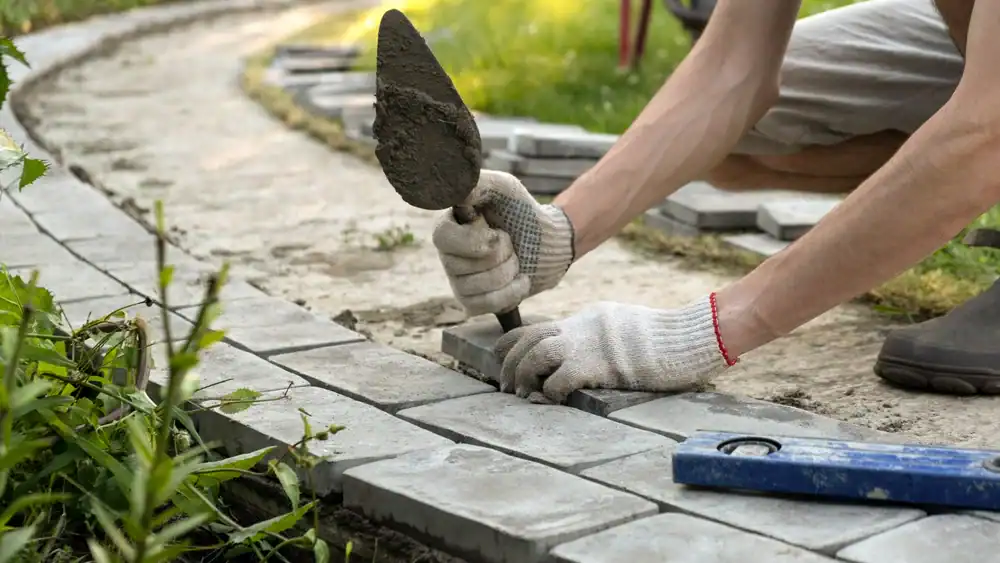
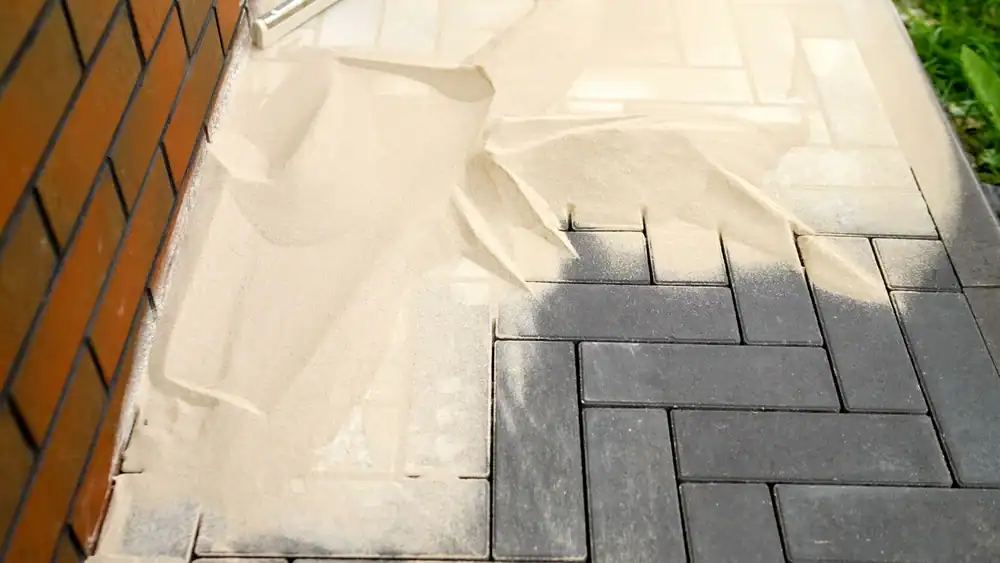
Then we install your pavers with the right spacing and edge restraints. We don’t rush this part. Once the pavers are set, we apply polymeric sand in the joints to lock everything together and prevent weed growth. Finally, we seal the surface with Seal ‘n Lock to protect against UV damage, staining, and moisture penetration.
You get a final walkthrough where we explain maintenance, answer questions, and make sure you’re completely satisfied before we consider the job done.
Ready to get started?
Citrus Springs, FL gets an average of 53 inches of rain per year. That’s 13 inches more than the national average, and it doesn’t fall evenly. It comes in summer downpours that test every outdoor surface you have. Your patio needs to handle that water, not trap it.
Pavers allow water to drain between the joints instead of pooling on top. That’s critical here. It prevents standing water that breeds mosquitoes and moisture that seeps into your home’s foundation. Proper installation includes a slight slope away from your house and a base designed for Florida’s sandy soil conditions.
The sun is the other factor. UV exposure fades unsealed pavers within two years. Heat absorption makes cheap pavers too hot to walk on barefoot. We use light-colored options that reflect heat and seal everything to lock in color. These aren’t small details; they’re the difference between a patio you use and one you avoid.
We also consider your specific lot. Some properties in Citrus Springs, FL have drainage issues or soil that settles unevenly. We adjust our base preparation based on what your property actually needs, not a one-size-fits-all approach.
Most patio projects take three to five days from start to finish, but that depends on size, complexity, and weather. A simple 12×12 patio with a straightforward layout might be done in three days. A larger space with curves, multiple levels, or a fire pit area will take longer.
Weather affects the timeline more than most people expect. We can’t pour base material or set pavers in heavy rain. Florida’s afternoon thunderstorms during summer can push schedules back a day here and there. We build some buffer into our estimates so you’re not left wondering when we’ll show up again.
The base preparation takes the most time because it has to be done right. Rushing that phase to finish faster just means you’ll have settling and uneven pavers within a year. We’d rather take an extra day on the base than come back to fix problems later.
Concrete cracks. That’s not a maybe; it’s a when. Florida’s soil shifts, tree roots grow, and temperature changes cause expansion and contraction. When concrete cracks, you’re looking at expensive repairs or full replacement. The crack doesn’t just sit there; it gets worse and collects water.
Pavers flex with ground movement instead of cracking. If the ground settles in one spot, you might get a slight dip, but you won’t get a crack running across your entire patio. Individual pavers can be lifted and releveled without disturbing the rest of the surface.
Concrete also absorbs and holds heat. Walk barefoot on a concrete patio in July and you’ll feel it. Pavers, especially lighter colors, stay significantly cooler. And when concrete stains, you’re stuck with it. When a paver stains, you can replace that one stone. You’re not locked into the damage.
The upfront cost for pavers is higher, but you’re not replacing the whole thing in ten years. That’s the trade-off.
Yes, and here’s why that matters in Florida specifically. Unsealed pavers absorb moisture, which creates two problems. First, that moisture becomes a breeding ground for mold, mildew, and algae. You’ll see dark spots and green growth within months, especially in shaded areas. Second, moisture trapped in the paver can cause deterioration over time as it expands and contracts with temperature changes.
Sealing also protects against UV damage. Florida sun fades colors fast. A sealed paver maintains its color for years. An unsealed one starts looking washed out after one summer. You’ve invested in a nice-looking patio; sealing keeps it that way.
Stains are the other factor. Unsealed pavers absorb spills, rust from furniture, and organic matter. Sealed pavers resist staining because liquids sit on the surface instead of soaking in. You can actually clean them.
We use Seal ‘n Lock because we’re the exclusive distributor in Citrus County, but also because it’s specifically formulated for Florida conditions. It breathes, so moisture vapor can escape, but it blocks liquid water and UV rays. That balance matters in this climate.
You’re looking at $8 to $25 per square foot depending on the paver type, site conditions, and project complexity. A basic 200-square-foot patio with standard pavers runs around $2,500 to $3,500. A larger 400-square-foot space with premium pavers and custom features can hit $8,000 to $10,000.
The base preparation affects cost more than most people realize. If your property has poor drainage or unstable soil, we need to do more excavation and base work. That adds to the price, but it’s not optional if you want a patio that lasts. Cutting corners on the base to save money now means you’re paying for repairs later.
Paver choice makes a difference too. Standard concrete pavers are the most affordable. Natural stone pavers cost more but can last 75 years. Tremron and Belgard offer mid-range options that balance cost and durability. We’ll show you samples and explain what you’re actually getting for the price difference.
Most homeowners see about 70% return on investment for patio projects. That’s higher than many home improvements. You’re not just spending money; you’re adding usable space and property value.
Less than you’d think if they’re installed and sealed properly. You’ll want to sweep or blow off debris regularly so organic matter doesn’t sit on the surface. Rinse the patio with a hose every few weeks to remove pollen and dirt. That’s the basic routine.
Once a year, give it a deeper clean with a pressure washer on a low setting. High pressure can damage the joint sand, so keep it gentle. If you see weeds starting to grow in the joints, pull them early before roots establish. Properly installed polymeric sand prevents most weed growth, but a few stubborn ones might appear.
Resealing depends on traffic and sun exposure. Most patios need resealing every two to three years. You’ll know it’s time when water stops beading on the surface and starts soaking in. We can handle resealing for you, or you can do it yourself if you’re comfortable with the process.
If a paver cracks or stains badly, you can replace just that stone. Keep a few extra pavers from your original installation for repairs. The ability to fix individual pavers instead of replacing entire sections is one of the biggest maintenance advantages over concrete.
Sometimes, but it depends on the condition of your concrete and what’s causing any existing problems. If your concrete slab is stable, level, and has good drainage, we can install pavers over it. This saves on excavation costs and speeds up the project. We add a leveling layer and set the pavers on top.
But if your concrete is cracked because of soil settlement or tree roots, putting pavers over it doesn’t fix the underlying issue. You’ll end up with the same problems transferring to your new paver surface. In those cases, we need to remove the concrete and start with a proper base.
Drainage is the other consideration. If your existing concrete slopes toward your house or pools water, we can’t just cover that up. We need to address the drainage problem first, which usually means removing the concrete and regrading.
The honest answer is we need to look at your specific situation. Some concrete slabs are perfect candidates for paver overlay. Others need to be removed. We’ll tell you which one applies to your property and explain why.
Useful Links
Other Services we provide in Citrus Springs