
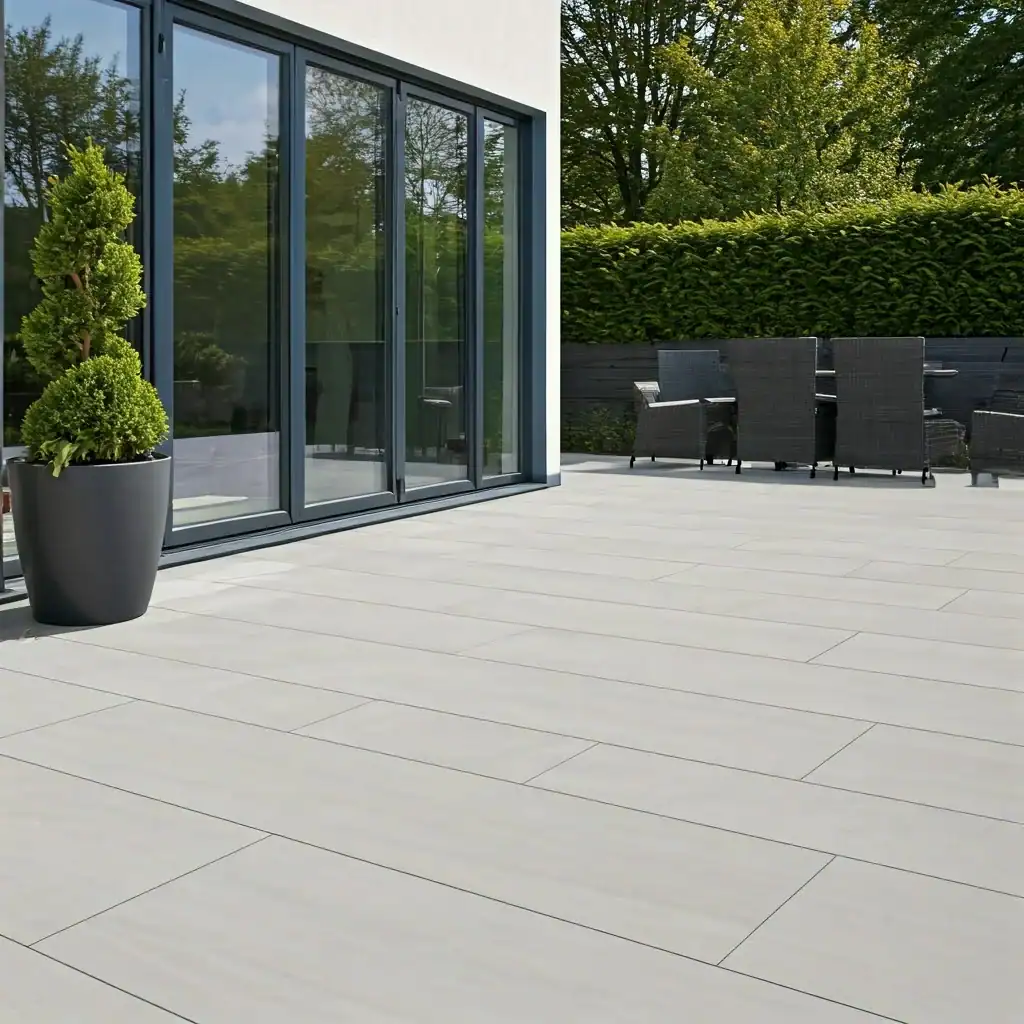
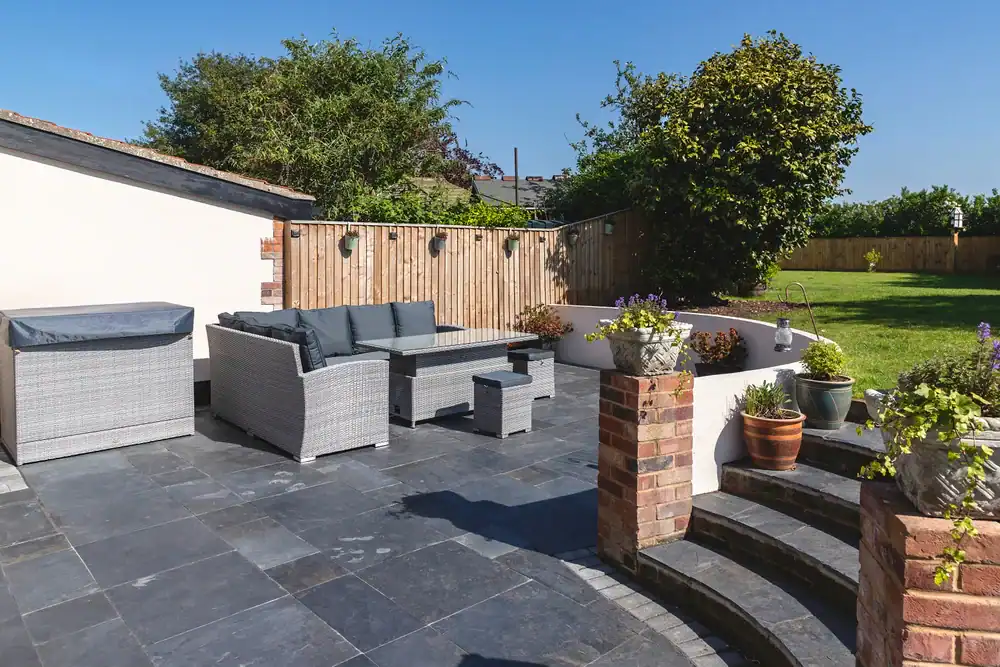
Your backyard stops being wasted space. You get a functional outdoor area that actually works for cookouts, fire pit nights, and morning coffee without worrying about standing water or shifting pavers after every storm.
Proper installation means your patio slopes correctly so water drains away from your house instead of pooling or seeping toward your foundation. That quarter-inch decline per linear foot makes the difference between a patio that lasts decades and one that needs repairs in three years.
You’re also getting materials that make sense for Pine Ridge’s climate. Concrete pavers, brick pavers, and natural stone options that resist Florida’s UV rays, humidity, and temperature swings. The base work matters more than the pavers themselves, and that’s where most contractors cut corners. Crushed concrete fines for drainage and stability, proper edging that won’t shift in sandy soil, and installation techniques that account for Central Florida’s unique conditions.
We’ve been handling patio paver installation in Pine Ridge, FL since 1995. We’re authorized contractors for Tremron, Flagstone, and Belgard, which means access to premium materials and manufacturer-backed warranties you won’t get from every contractor.
We’re also the exclusive Seal ‘n Lock distributor in Citrus County. We handle everything from design through installation, and we’re state-licensed for irrigation work when your patio needs proper drainage integration.
You’re working with people who understand Pine Ridge’s soil conditions, HOA requirements throughout Citrus County, and the permitting process. We’ve been through enough hurricane seasons to know what holds up and what doesn’t.
We start with a site analysis of your yard. Drainage patterns, soil conditions, sun exposure, and how you actually want to use the space. This determines material selection and design before we break ground.
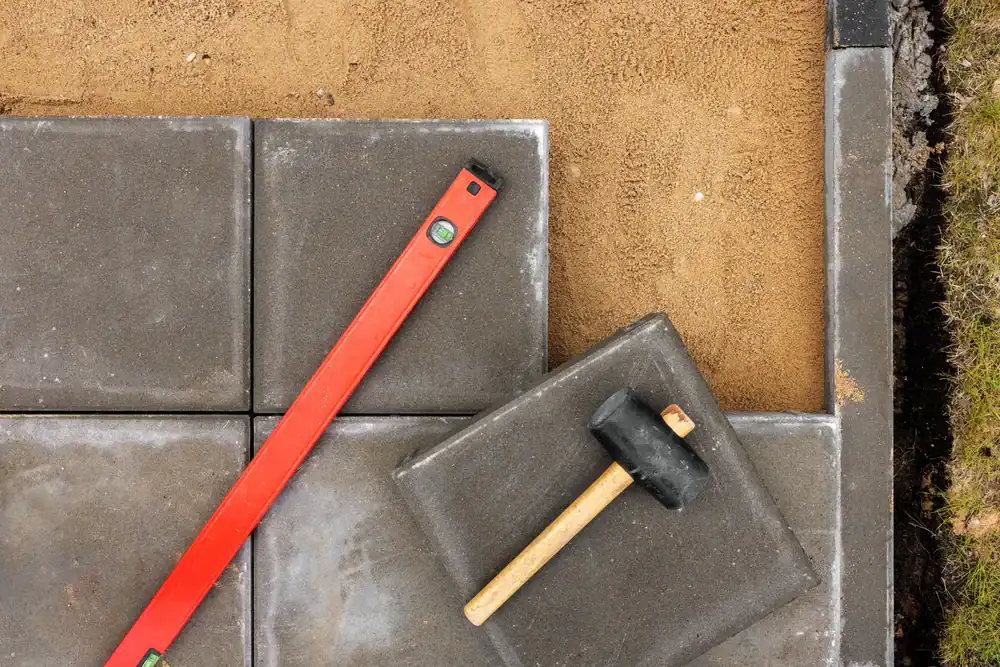
Next comes base preparation, which is where most patio failures happen. We excavate to proper depth, install crushed concrete fines for drainage and stability, and compact everything in layers. In Pine Ridge’s sandy soil, we use concrete molded edging instead of plastic stakes that shift over time.
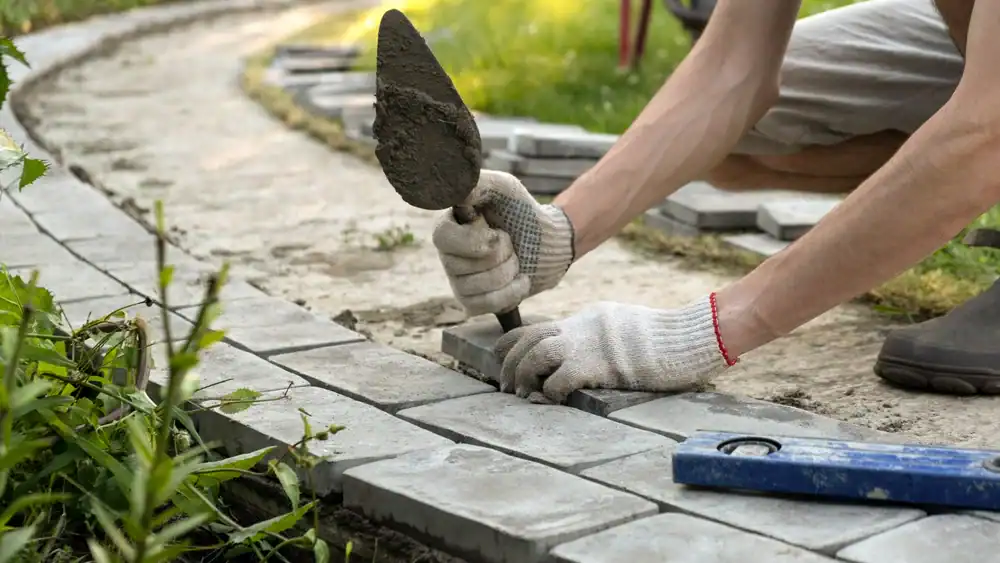
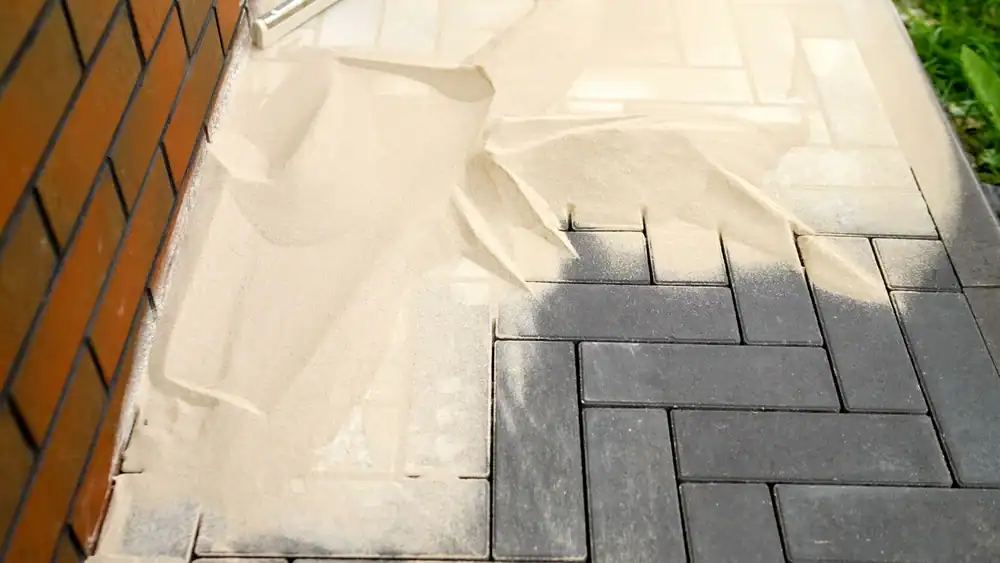
Then we install your pavers with proper slope built in from the start. That quarter-inch per foot decline ensures water moves away from your house. We finish with joint sand and sealing if you choose Seal ‘n Lock protection.
You get a final walkthrough where we explain maintenance, answer questions about drainage, and make sure everything meets your expectations before we consider the job complete.
Ready to get started?
You’re getting custom design work that accounts for Pine Ridge’s climate and your property’s specific drainage needs. We handle permits and ensure your design complies with local HOA guidelines throughout Citrus County.
Material selection includes concrete pavers for affordability and versatility, brick pavers for durability and classic look, or natural stone options like travertine and flagstone for premium installations. We’ll walk you through pros and cons of each based on your budget and how you’ll use the space.
Installation includes proper base excavation, crushed concrete fines for Florida’s drainage requirements, compaction in layers, concrete molded edging that won’t shift in sandy soil, and precise paver placement with built-in slope. If you’re adding a fire pit, outdoor kitchen area, or integrating with pool decking, we coordinate all hardscaping elements.
We also handle the irrigation adjustments if your new patio affects existing sprinkler zones. You’re not coordinating multiple contractors or dealing with finger-pointing when something doesn’t line up.
Most residential patio installations take one to two weeks from excavation to final sealing, depending on size and complexity. Weather affects the timeline since we can’t pour base material or compact properly during heavy rain.
A straightforward 300-square-foot patio with simple layout usually takes about a week. Larger projects with multiple elevations, integrated fire features, or extensive drainage work can push closer to two weeks or slightly beyond.
We don’t rush base preparation to meet arbitrary deadlines. That’s where installation quality gets compromised. You’ll get a realistic timeline during your site analysis based on your specific project scope and current weather patterns.
Inadequate base preparation causes most failures. Contractors who skip proper excavation depth or don’t compact base material in layers end up with pavers that sink, shift, or develop uneven spots within a few years.
Poor drainage design is the second biggest issue. Without proper slope built into the installation, water pools on the patio surface or worse, drains toward your foundation. Pine Ridge’s sandy soil makes this especially problematic since water doesn’t absorb quickly during heavy rainfall.
Wrong edging materials also cause problems. Plastic edging with stakes might work in clay soils up north, but Florida’s sandy conditions require concrete molded edging that won’t shift when soil gets saturated during storm season. We see plenty of patios where pavers spread apart at the edges because the restraint system failed.
You need pavers rated for freeze-thaw resistance even though Pine Ridge rarely freezes. That rating indicates the paver can handle moisture absorption and temperature fluctuation without cracking, which matters during Florida’s extreme heat and humidity cycles.
Lighter colored pavers stay cooler underfoot during summer months. Dark pavers absorb heat and can become uncomfortable for bare feet around pool areas. Textured surfaces provide better traction when wet, which matters during Florida’s frequent afternoon storms.
The paver material matters less than proper installation technique for Florida’s climate. Concrete pavers, brick pavers, and natural stone all perform well here when installed correctly with proper base work and drainage. We’ll recommend specific options based on your budget, intended use, and maintenance preferences during your consultation.
Residential patio installations typically range from $15 to $30 per square foot depending on material choice, site conditions, and design complexity. A standard 300-square-foot patio with concrete pavers usually falls in the $6,000 to $9,000 range including proper base work and installation.
Natural stone pavers and intricate geometric patterns increase costs. Difficult site access, extensive drainage work, or soil conditions requiring extra base preparation also affect pricing. Properties with significant slope or poor drainage need more excavation and base material.
We provide detailed estimates after site analysis so you know exactly what you’re paying for. That includes materials, labor, base preparation, edging, and any drainage work needed for proper installation. We’re not the cheapest option in Citrus County, and that’s intentional. You’re paying for installation that doesn’t need repair work in three years.
We can match or complement existing pavers depending on their age and manufacturer. If your current pavers are from Tremron, Flagstone, or Belgard, we have direct access to those product lines and can usually achieve exact matches for additions or expansions.
Older pavers that have weathered and faded won’t match new pavers initially even if they’re the same product. We can design transitions that make the color difference look intentional rather than mismatched. Mixed material designs combining different paver types are trending right now and work well for this situation.
If you’re expanding a pool deck or connecting a new patio to existing walkways, we’ll bring samples during consultation so you can see how different options look next to your current hardscaping. Sometimes a complementary color or pattern works better visually than trying to force an exact match.
You’ll need to rinse pavers periodically to remove pollen, dirt, and organic debris that accumulates in Florida’s humid climate. A garden hose works fine for regular cleaning. Pressure washing once or twice a year handles deeper cleaning and prevents mildew buildup in shaded areas.
Joint sand between pavers needs replenishment over time, especially after heavy storms. You’ll notice if sand levels drop and pavers start shifting slightly. Adding polymeric sand and misting it to activate the binding agents takes about an hour for most residential patios.
Sealing protects pavers from UV fading and makes cleaning easier, but it’s not mandatory. If you choose Seal ‘n Lock protection during installation, plan on resealing every two to three years depending on sun exposure and traffic. We handle resealing services or can walk you through DIY application if you prefer.
Useful Links
Other Services we provide in Pine Ridge