
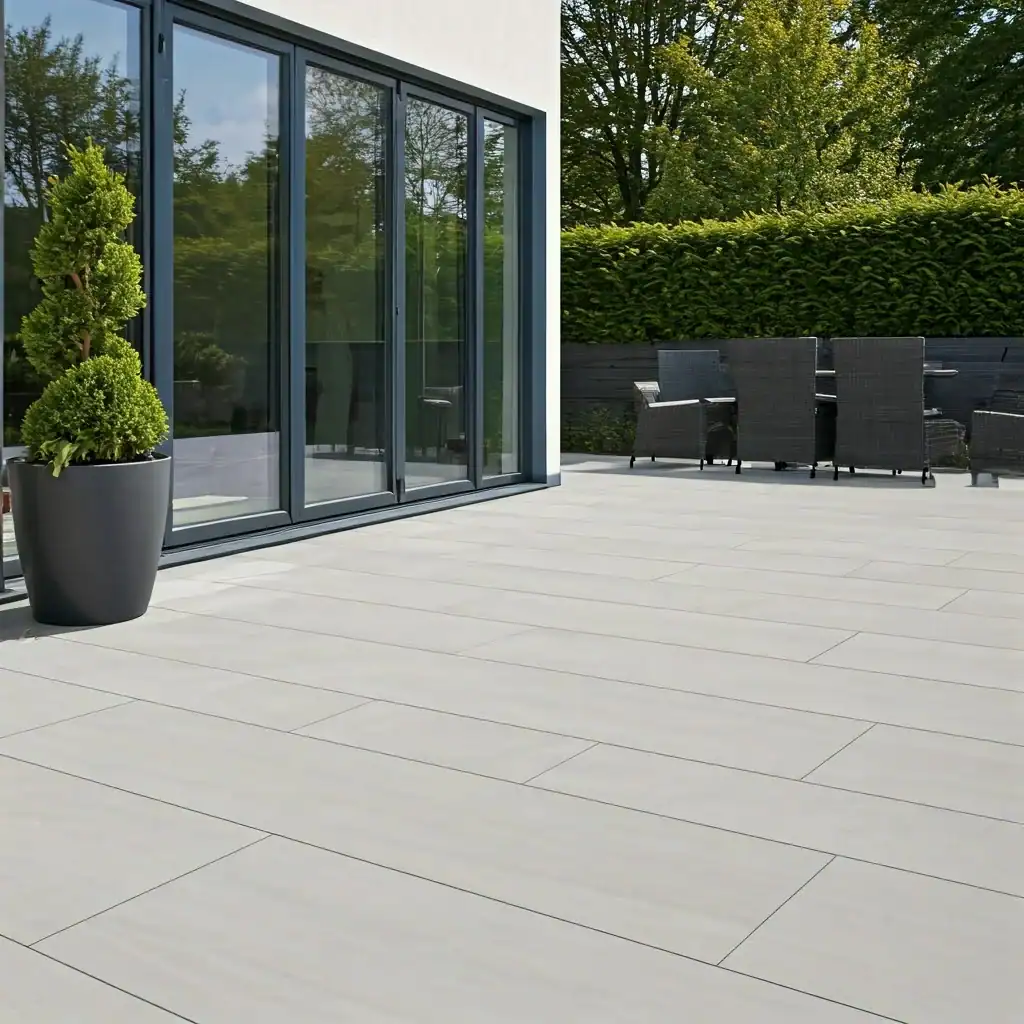
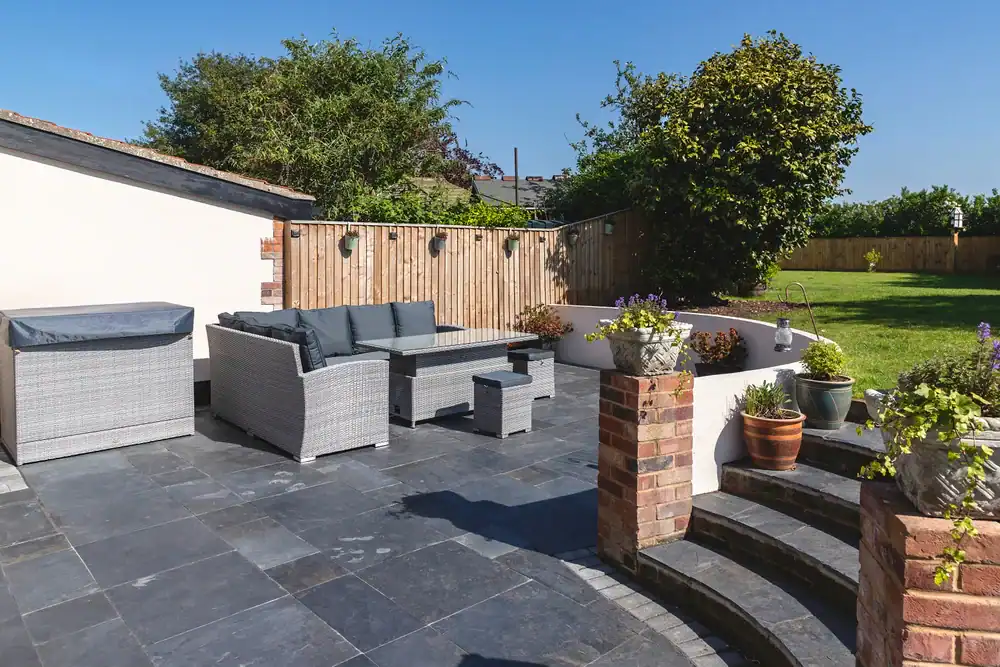
Your backyard stops being wasted space. You get a patio that doesn’t crack, shift, or buckle when Florida decides to throw another storm or heatwave your way.
The pavers stay level because we install them on properly compacted base with concrete edging—not the plastic stuff that fails in our sandy soil. You’re not dealing with weeds pushing through joints or water pooling where it shouldn’t. The surface stays cooler underfoot than concrete, so you can actually use it during summer without scorching your feet.
And when you want to expand later—add a walkway, extend toward the pool, build out a fire pit area—you’re not stuck trying to match discontinued pavers. You’re working with materials that are still available and a contractor who knows what was installed and how to tie into it cleanly.
We’ve been handling patio paver installation in Silver Springs Shores, FL since 1995. We’re a family-owned operation, and we’re still here because we do the work right the first time.
We’re authorized contractors for Tremron, Belgard, and Flagstone—which means we install to manufacturer specs and your warranty actually means something. We’re also the only Seal ‘n Lock distributor in Citrus County, so your pavers get protective treatment that holds up in Florida’s UV and rain cycles.
You’re working with people who’ve seen every soil condition, drainage issue, and weather pattern this area throws at outdoor projects. We’ve done hurricane cleanup, we’re active in the community, and we offer discounts to military and first responders because that matters here.
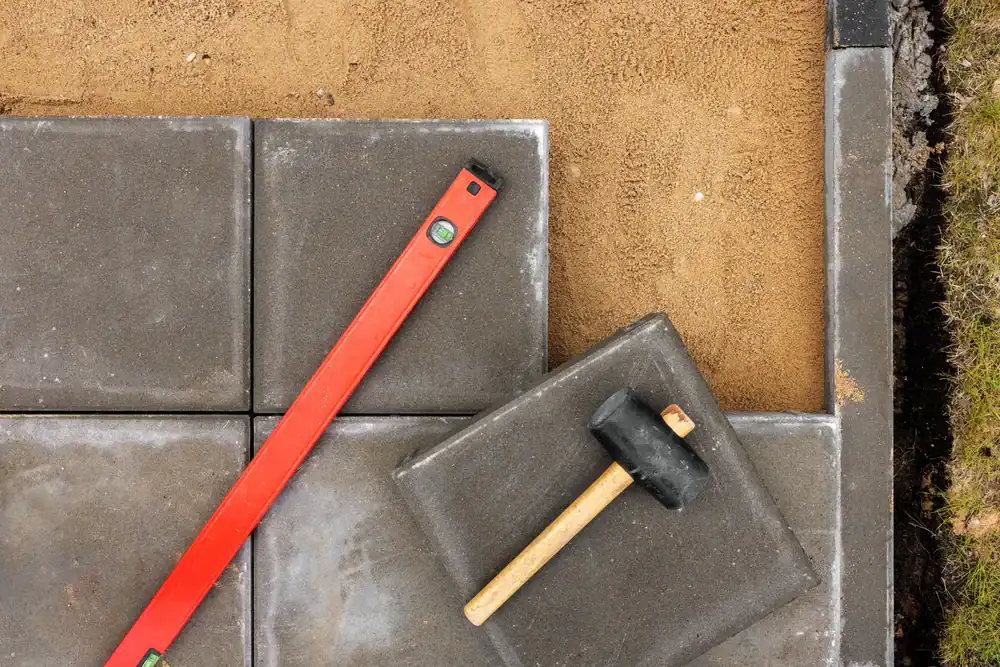
First, we dig out the area and assess your soil. Silver Springs Shores sits on sandy ground, which drains well but shifts easily if the base isn’t done right. We compact a stable foundation and install concrete edging—not plastic—because that’s what actually holds pavers in place long-term here.
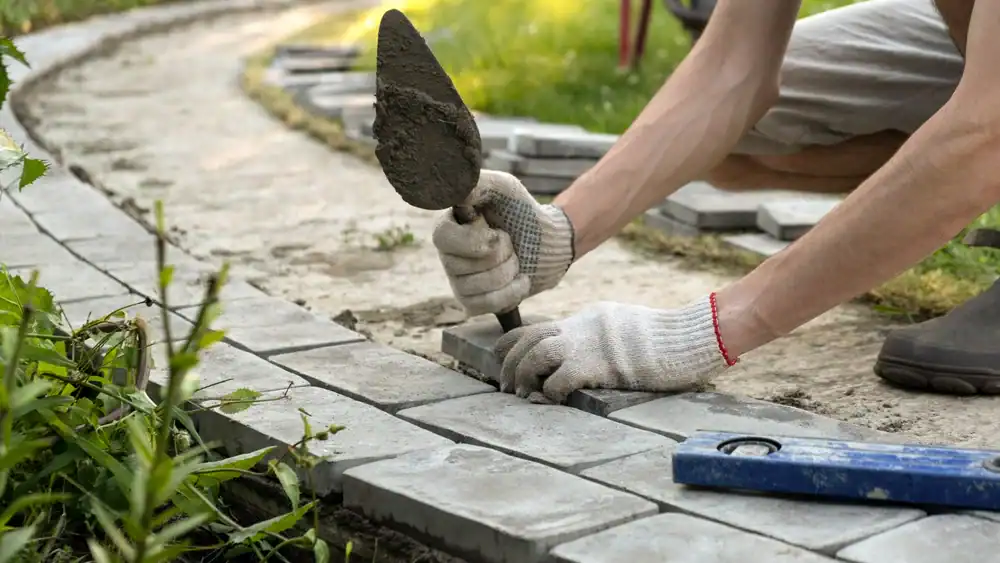
Then we lay the pavers with proper joint spacing and slope for drainage. Florida gets heavy rain, and if water doesn’t move off your patio correctly, you’ll have problems. We make sure it flows where it should.
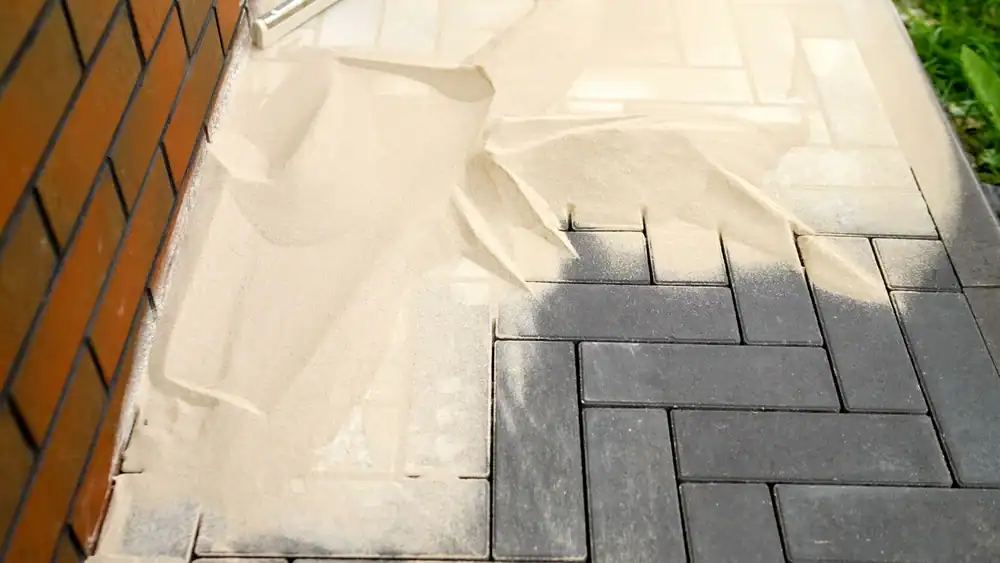
After installation, we apply polymeric sand to lock joints and prevent weed growth. If you’re getting Seal ‘n Lock treatment, that goes on after everything cures—it protects against stains, fading, and moisture penetration. You’ll need to reseal every few years depending on use and exposure, but the initial application sets you up right.
You get a finished patio that’s ready to use, built to last, and backed by manufacturer warranties because it was installed by certified contractors.
Ready to get started?
You’re getting site prep, base compaction, concrete edging, paver installation, joint sanding, and cleanup. We handle drainage grading so water moves away from your home and doesn’t pool on the surface.
Material selection matters in Silver Springs Shores, FL. We work with Tremron, Belgard, and Flagstone pavers that are rated for Florida’s climate—meaning they handle temperature swings, UV exposure, and moisture without breaking down. Lighter-colored pavers stay cooler in summer heat. Textured surfaces give you traction around pools.
If you’re adding features like a fire pit, seat walls, or connecting walkways, we design those into the layout from the start. Trying to add them later usually means tearing up sections or dealing with mismatched materials. Getting it right during initial installation saves you money and hassle.
We also coordinate with any existing irrigation or lighting so nothing gets damaged during excavation. You’re not calling someone else to fix sprinkler lines we cut through—we handle it or work around it properly the first time.
Most patio installations take three to five days depending on size and site conditions. A simple 12×12 patio on level ground with good access goes faster than a large multi-level design with steps and curves.
Weather affects the timeline here. If we get heavy rain during base prep, we pause until the ground firms up—installing on saturated soil leads to settling and failure later. We’d rather delay a day than give you a patio that sinks in six months.
Site prep takes the most time because that’s where quality is built in. Excavation, grading, base compaction, and edging installation happen before a single paver goes down. Rushing this phase causes every problem you’re trying to avoid—shifting pavers, drainage issues, uneven surfaces. The actual paver laying goes relatively quickly once the foundation is solid.
Pavers handle Florida’s ground movement better than poured concrete. Our sandy soil shifts with moisture changes and temperature swings. Concrete cracks when the ground moves. Pavers flex and settle individually without breaking.
Surface temperature matters in our climate. Pavers—especially lighter colors—stay significantly cooler than concrete under direct sun. You can walk barefoot on a paver patio in July. Try that on concrete and you’re hopping to shade.
Repairs are simpler with pavers. If you need to access a buried utility line or fix irrigation, we lift the pavers, do the work, and replace them. With concrete, you’re cutting, patching, and living with a visible repair. Pavers also give you design flexibility—colors, patterns, borders, inlays—that concrete doesn’t offer unless you’re spending significantly more on stamped or decorative finishes that still crack.
Sealing isn’t required, but it extends the life and appearance of your pavers in Florida’s harsh conditions. Unsealed pavers still function fine—they’re designed to handle weather and use without protection. But they’ll fade faster under UV exposure, stain more easily, and grow mold or mildew in shaded areas.
A quality sealer like Seal ‘n Lock protects against moisture penetration, which matters during our wet season. It also makes cleaning easier—spills and dirt sit on the surface instead of soaking into the paver. Colors stay vibrant longer, and you’re not scrubbing organic stains out of the surface texture.
You’ll need to reseal every two to five years depending on sun exposure, foot traffic, and weather. High-traffic areas and full-sun locations wear through sealer faster. We can handle resealing as maintenance, or you can do it yourself with the right products. Skipping it won’t ruin your pavers, but sealing them protects your investment and keeps them looking newer longer.
Silver Springs Shores sits on sandy soil that doesn’t hold pavers in place the way clay or dense soil does. Without solid edging, pavers migrate outward over time—you’ll see spreading at the edges, uneven surfaces, and eventually structural failure as the installation loses integrity.
Concrete edging locks the perimeter and transfers load across the entire patio. Plastic edging flexes, breaks, and lets pavers shift. We see failed installations regularly where someone used plastic edging or skipped it entirely to save money. Within a year or two, the edges are separating and the whole patio needs rebuilding.
Proper edging also contains your base material and prevents erosion during heavy rain. Florida gets serious downpours, and water will wash away base material at the edges if it’s not contained. Once your base erodes, pavers settle unevenly and you’re looking at a major repair. Concrete edging costs more upfront but eliminates these problems for the life of your patio.
Yes, when they’re installed correctly. Pavers are individual units, so they handle ground movement and water flow better than monolithic concrete slabs. Proper base preparation and drainage design are what matter during severe weather.
We slope patios away from structures and design drainage to move large volumes of water quickly. During hurricanes, you’re dealing with inches of rain in short periods plus wind-driven water. If your patio doesn’t shed water efficiently, it pools, saturates the base, and causes settling or erosion. Our installations account for this.
Wind isn’t usually a problem for pavers—they’re heavy and locked together with joint sand. Debris impact is where you might see damage, but individual pavers can be replaced if a falling branch cracks one. We’ve helped plenty of Silver Springs Shores homeowners with storm cleanup and repairs over the years. Properly installed paver patios typically come through hurricanes needing minimal work—maybe re-sanding joints or replacing a few damaged units, not full reconstruction.
Basic pavers run $3-5 per square foot for materials. Premium options—thicker pavers, specialty colors, textured finishes, or larger formats—range from $6-12 per square foot. Installation labor is similar regardless of paver choice, so material selection is where you control budget.
The difference shows in durability and appearance. Thicker pavers handle heavier loads and last longer in high-traffic areas. Premium finishes resist fading better under Florida sun. Larger format pavers mean fewer joints, which some people prefer aesthetically and which reduces long-term maintenance slightly.
For most Silver Springs Shores patios, mid-range pavers offer the best value—better than basic in terms of longevity and appearance, but not paying premium prices for features you won’t use. If you’re building around a pool or creating an entertainment area you’ll use heavily, premium materials make sense. For a simple backyard patio, quality mid-range pavers installed properly will serve you well for decades.
Useful Links
Other Services we provide in Silver Springs Shores