
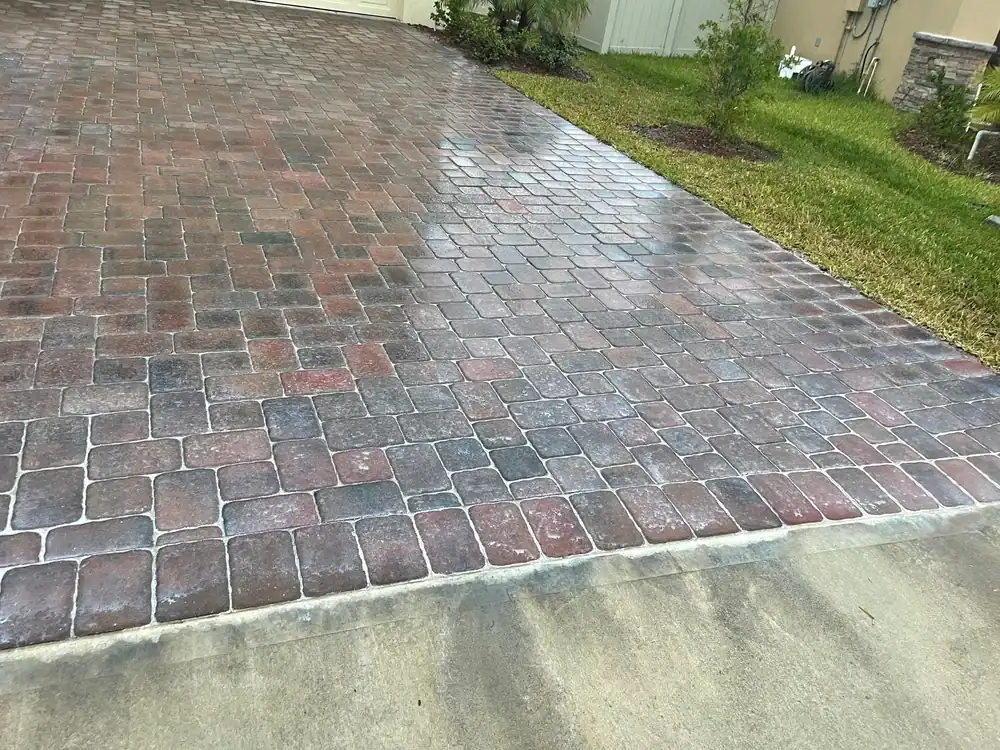
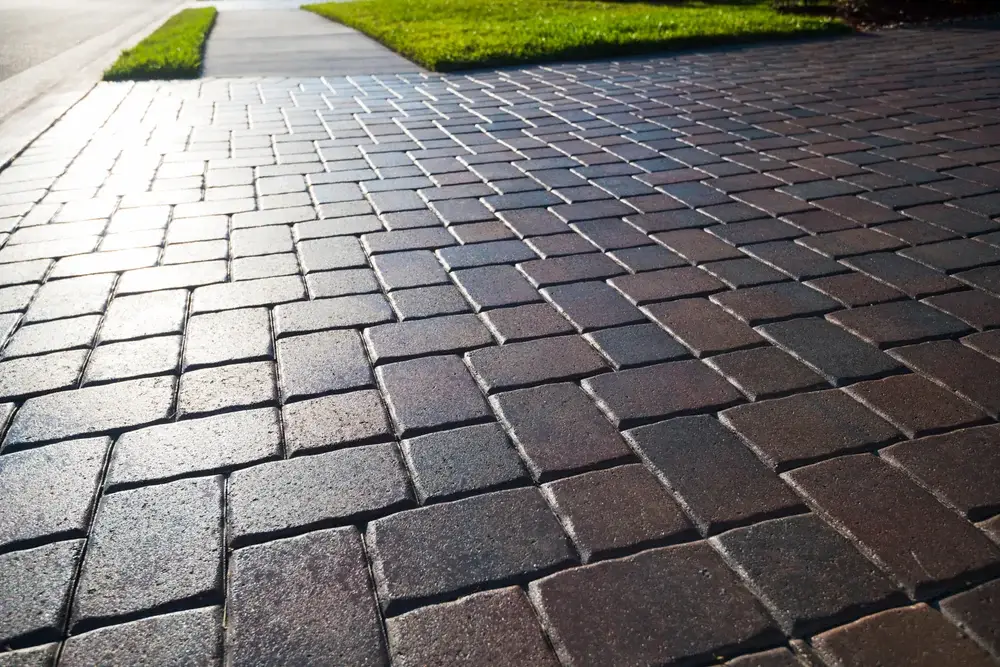
You’re not dealing with faded color six months after installation. You’re not scrubbing oil stains that soaked straight through. And you’re definitely not watching weeds push up between every joint while ants build colonies underneath.
Sealed pavers shed water instead of absorbing it. They resist stains instead of holding them. The color stays rich, the surface stays cleaner, and the whole installation holds together the way it’s supposed to.
In Brooksville’s climate, unsealed pavers don’t just age – they deteriorate. The sun bleaches them out. Rain shifts the base. Humidity invites mold. A proper seal stops that cycle before it starts, and keeps your driveway, patio, or pool deck looking like it was finished last month, not last year.
We’ve been operating in this area since 1995. That’s nearly three decades of Florida weather, thousands of sealing jobs, and enough failed competitor work to know exactly what not to do.
We’re Authorized Contractors for Tremron, Flagstone, and Belgard – the brands you probably have installed. We’re also the exclusive Seal ‘n Lock distributor in Citrus County, which means we’re not guessing at products or techniques. We’re certified, licensed in Hernando County, and we’ve seen what works long-term in Brooksville’s specific conditions.
You’re hiring a family-owned crew that answers the phone, shows up on time, and doesn’t subcontract your job to someone who learned paver sealing on YouTube last summer.
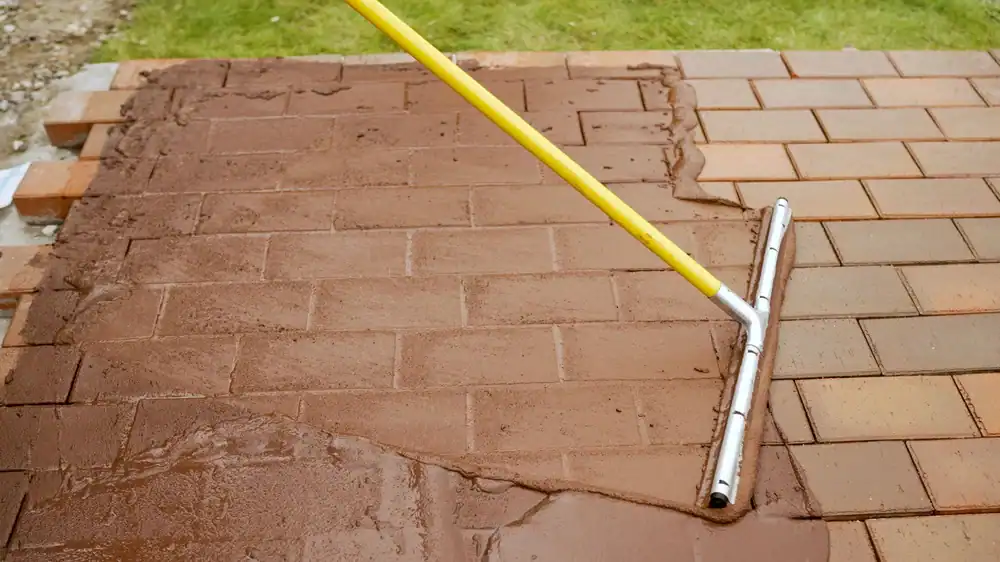
First, we clean the pavers – and we mean actually clean them. Pressure washing pulls out embedded dirt, old sealer residue, mold, and anything else sitting in the pores. If there’s an old sealer that failed, we strip it completely. You can’t seal over a bad foundation.
Next, we let everything dry. Sounds obvious, but Florida humidity makes this step critical. Sealing over moisture is how you get that white haze problem that ruins half the jobs in this state.
Then we apply a commercial-grade sealer that’s matched to your specific paver type and the amount of traffic it sees. We’re not using the same product on a driveway that we’d use on a decorative walkway. Different surfaces need different protection.
Finally, we give it time to cure properly before you walk or drive on it. Rushing this step is how sealers peel, bubble, or wear off in the first rain. We schedule around weather, and we don’t cut corners to finish early.
Ready to get started?
You get surface preparation that actually removes the problem – not just covers it. That means stripping old sealers if needed, treating stains, and addressing any joint sand issues before we ever open a sealer can.
You get a sealer that’s designed for Florida. Not all products handle humidity the same way. We use commercial-grade options that won’t trap moisture, turn white, or fail in the first year. Brooksville gets heavy rain and intense sun – sometimes in the same afternoon. Your sealer needs to handle both.
You also get realistic expectations. We’ll tell you how long the sealer should last based on your specific situation, what kind of maintenance to expect, and when you’ll need to reseal. Most paver sealing in Brooksville holds up for two to three years, but high-traffic driveways might need attention sooner. We’d rather tell you that upfront than surprise you later.
And if something doesn’t look right during the job, we stop and fix it. We’re not racing to the next appointment. We’re making sure this one is done correctly.
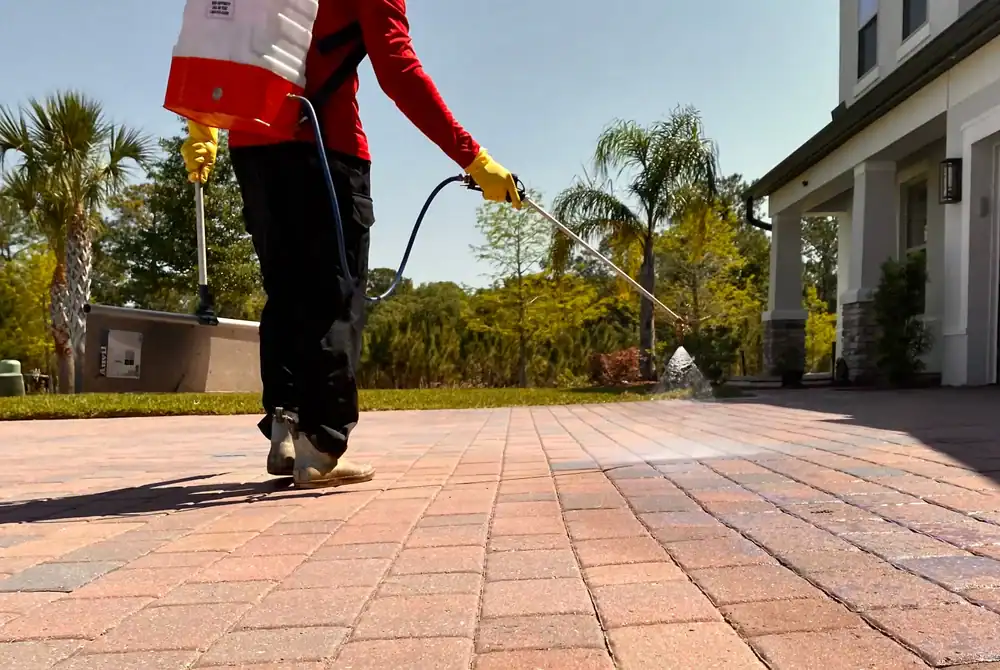
Most professionally sealed pavers in Brooksville last two to three years before they need resealing. That timeline shifts depending on a few things – how much traffic the surface gets, whether it’s in full sun all day, and how well the pavers were prepped before sealing.
Driveways wear faster than patios. Pool decks take more abuse from chemicals and foot traffic. And if your pavers are under oak trees that drop tannins and debris constantly, you’ll see the sealer break down a bit sooner.
Florida’s weather is tough on sealers. You’re dealing with UV exposure that’s stronger than most of the country, plus humidity that never really lets up. A sealer that works great in Arizona might fail here in six months. That’s why the product choice matters as much as the application. If someone’s telling you a sealer will last five years in this climate, they’re either using something industrial-grade that costs a fortune, or they’re overselling.
Unsealed pavers absorb everything – water, oil, dirt, tannins from trees, rust from patio furniture. Once that stuff soaks in, it’s not coming out with a hose. You’ll scrub and scrub, and the stain just sits there because it’s embedded in the pores of the material.
Water absorption is the bigger issue. In Brooksville, we get sudden heavy rains that saturate everything. When pavers soak up that water, it destabilizes the base underneath. Over time, you’ll see shifting, sinking, and uneven surfaces. The joints start to separate, which invites weeds and ants. Once ants burrow in and start moving sand, your pavers shift even more.
Then there’s the color. Unsealed pavers fade fast under Florida sun. What looked vibrant at installation turns washed out and dull within a year. You can’t restore that color without sealing – and even then, you’re playing catch-up. Sealing from the start keeps the color locked in and the surface protected. Waiting just makes the job harder and more expensive later.
Yes, and we do it all the time. Older pavers actually benefit a lot from sealing, especially if they’ve been sitting unsealed and taking damage for years. But the prep work is more involved than sealing fresh pavers.
We’ll need to deep clean the surface to pull out all the embedded dirt, stains, and organic growth. If there’s old sealer on there that’s peeling or turning white, we strip that off completely. You can’t just seal over a failed sealer and hope it works – it won’t. The new sealer will only bond as well as whatever’s underneath it, so if the base layer is compromised, the whole job fails.
Once the pavers are clean and fully dry, we assess the condition. If there’s spalling, major cracks, or structural issues, sealing won’t fix that – but it will prevent it from getting worse. For pavers that are still in decent shape, sealing brings back a lot of the original color and gives them a protective layer they should’ve had from the start. It’s not too late, but it does take more work than maintaining pavers that were sealed right after installation.
That white haze happens when moisture gets trapped under the sealer. Florida’s humidity is brutal for this. If the pavers aren’t completely dry before sealing, or if the sealer itself isn’t designed to handle moisture, you’ll see that milky discoloration show up – sometimes within days.
Peeling usually means the sealer didn’t bond properly. That happens when there’s dirt, old sealer residue, or efflorescence on the surface before the new sealer goes down. If the pavers weren’t prepped right, the sealer just sits on top instead of bonding. Then the first rainstorm or bit of traffic starts lifting it off in sheets.
Florida has one of the highest failure rates for paver sealing in the country, and it’s mostly because people skip the prep or use the wrong products. A sealer that works fine in a dry climate will fail here because it can’t breathe or flex with the humidity changes. We see it constantly – homeowners who paid someone cheap to seal their pavers, and now they’re paying us to strip the bad sealer and redo the whole job. It costs more the second time, and the pavers are in worse shape than if they’d just been left alone.
Cost depends on the size of the area, the condition of the pavers, and whether we’re sealing fresh pavers or fixing a previous bad job. Stripping old sealer and repairing damage costs more than sealing a clean surface. A standard driveway or patio usually falls into a predictable range, but every property is different.
We don’t give quotes over the phone because we’d just be guessing. We need to see the pavers, check the condition, and understand what prep work is required. If there’s heavy staining, old sealer, or joint sand that needs replacing, that all factors in.
What we can tell you is that proper paver sealing in Brooksville is an investment that saves you money long-term. Replacing faded, damaged pavers costs thousands. Resealing every few years costs a fraction of that and keeps everything looking good. The cheapest quote isn’t always the best value – especially if you’re hiring someone who’s going to use low-grade sealer, skip the prep, and leave you with a peeling mess six months later. We’d rather give you a fair price for work that actually lasts.
Yes. We seal driveways, patios, pool decks, walkways – any paver surface that needs protection. The process is similar across all of them, but the sealer type and application can vary depending on what the surface is used for.
Driveways take more abuse from vehicles, so we use a sealer that can handle tire traffic and oil exposure. Patios and pool decks see more foot traffic and furniture, so we adjust for that. Pool decks also deal with chlorine and pool chemicals, which means the sealer needs to resist that kind of contact without breaking down.
We’re Authorized Contractors for the major paver brands, and we’re the exclusive Seal ‘n Lock distributor in Citrus County. That means we’re not experimenting with products – we know exactly what works on Tremron, Belgard, and Flagstone pavers because we’ve been doing this since 1995. Whether it’s a small patio or a large driveway, the goal is the same: clean prep, the right sealer, proper application, and a finish that holds up in Brooksville’s weather.
Useful Links
Other Services we provide in Brooksville