
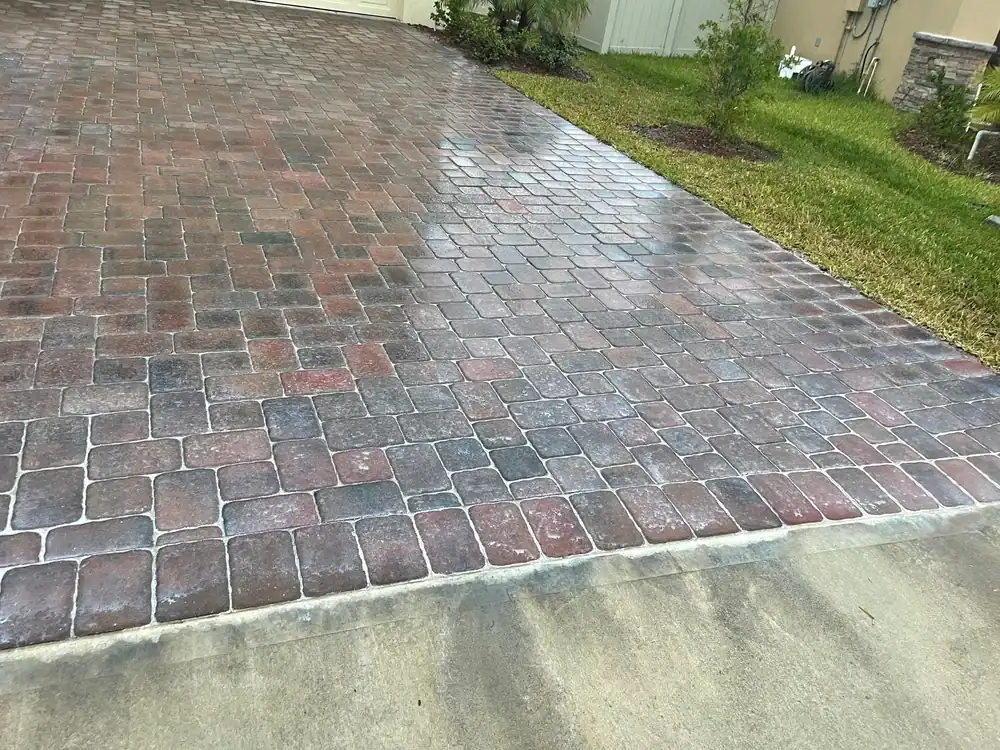
Your pavers looked incredible when they were first installed. Rich color, clean lines, perfectly level surfaces that made your driveway, pool deck, or patio something you were genuinely proud to show off.
Then Florida happened. The sun bleached them. Rain washed out the joint sand. Mold crept in during humid months. Now they look tired, faded, and honestly a little embarrassing when neighbors walk by.
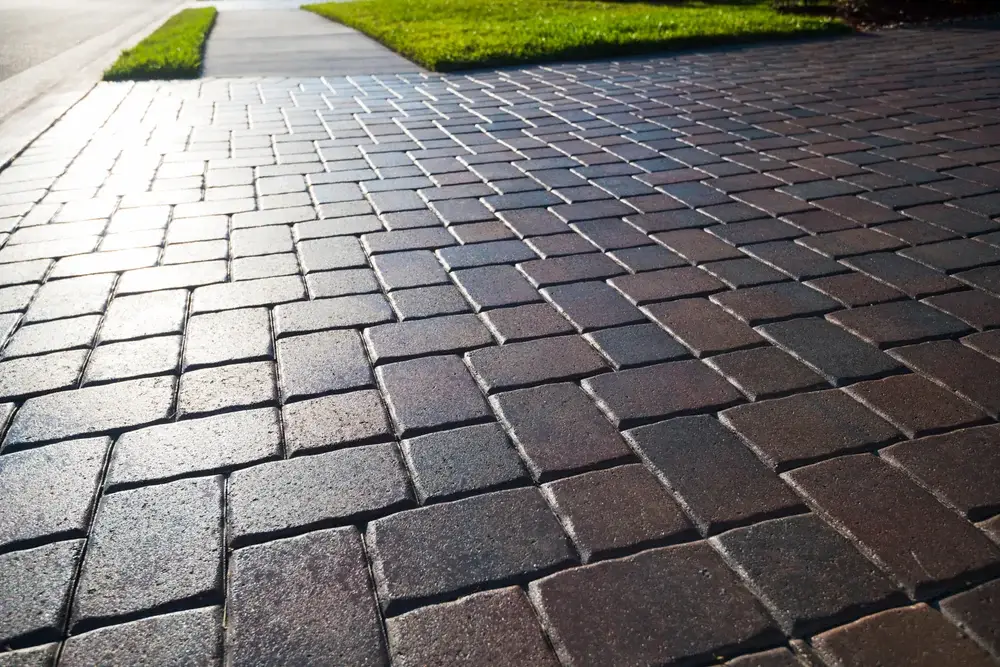
Sealing brings that original appearance back and locks it in. The color deepens. The surface becomes easier to clean. Joint sand stays put instead of washing away every storm. You’re not just making them look better for a few weeks—you’re adding years to their lifespan and protecting the money you already spent.
It’s not about perfection. It’s about keeping what you have in good shape so you’re not replacing pavers in five years because you let Florida weather win.
Mainstreet Landscaping has been a family-owned business serving Citrus County and The Villages since 1995. We’re Authorized Contractors for Tremron, Flagstone, and Belgard—the manufacturers whose pavers are probably in your driveway right now. We’re also the exclusive Seal ‘n Lock distributor in the county, which means we’re using commercial-grade products you can’t get at a big box store.
We’re not the cheapest option in The Villages, and that’s intentional. You’re hiring people who know the difference between a quick spray-and-go job and actual protection that lasts. We’ve seen what happens when sealing is done wrong—peeling, bubbling, trapped moisture that makes everything worse.
You’ll work directly with people who’ve been doing this for decades, not a rotating crew of subcontractors. We live here. Our kids go to school here. We’re not disappearing after we cash your check.
First, we clean everything. Not with a garden hose—with commercial pressure washing that pulls out embedded dirt, kills mold and mildew at the root, and strips away old failed sealer if there is any. This step matters more than most people realize because sealer won’t bond to dirty or contaminated surfaces.
Next, we let everything dry completely. In Florida’s humidity, that can take a full day or more depending on conditions. Rushing this is how you get sealer that traps moisture and fails in six months.
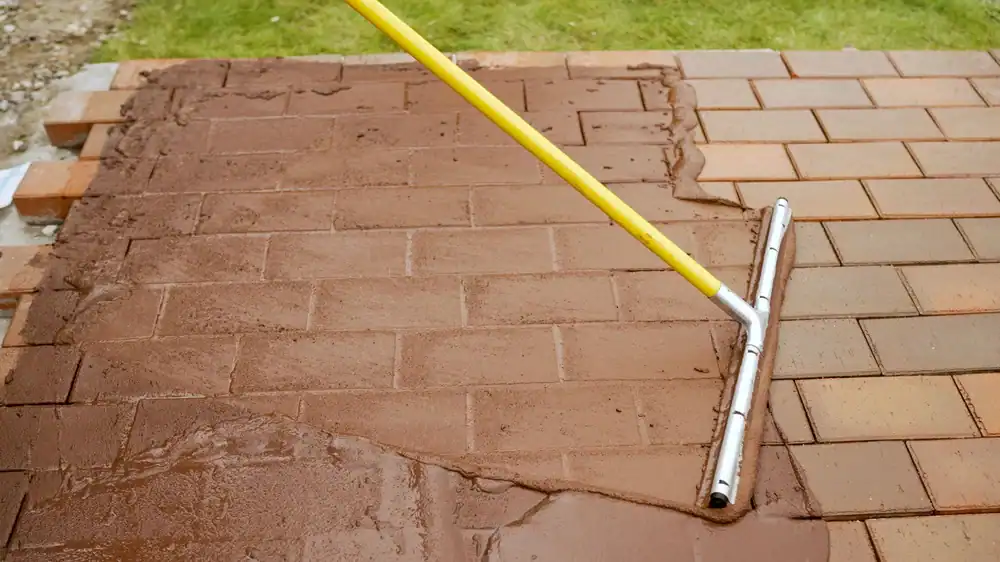
Once dry, we apply a commercial-grade sealer designed for Florida’s climate. We use products with UV inhibitors to fight sun damage and antimicrobial properties to prevent mold from coming back. We’re not brushing it on with a paint roller—we’re using professional equipment that ensures even coverage and proper penetration into the paver surface and joints.
The sealer locks in joint sand, which keeps your pavers stable and prevents shifting. It also creates a protective barrier that makes future cleaning easier and helps water bead off instead of soaking in.
You’ll see the difference immediately. Deeper color, cleaner surface, restored appearance. But the real value shows up two or three years later when your pavers still look good and your neighbor’s don’t.
Ready to get started?
This isn’t just spraying sealer and calling it done. You’re getting a full restoration process that addresses the specific problems pavers face in The Villages.
We handle patio paver sealing, pool decks, driveways, walkways—anywhere you have interlocking pavers that need protection. Each surface gets the same level of attention because a half-done job on your pool deck is just as bad as a half-done driveway.
The sealer we use includes UV inhibitors, which is critical in Florida where the sun is strong enough to fade unsealed pavers in just a couple of years. It also includes fungicides to prevent mold and mildew, which is a constant battle in our humid climate. You’re not fighting algae growth every few months because the sealer is doing that work for you.
We also re-sand joints if needed. That’s the sand between pavers that keeps everything locked in place. When it washes out, pavers shift and become uneven. We make sure it’s properly filled and then sealed in so it stays put.
The result is a surface that looks better, lasts longer, and requires way less maintenance than what you’re dealing with now. Most customers reseal every two to three years to maintain protection, but that’s a small investment compared to replacing pavers that weren’t protected in the first place.
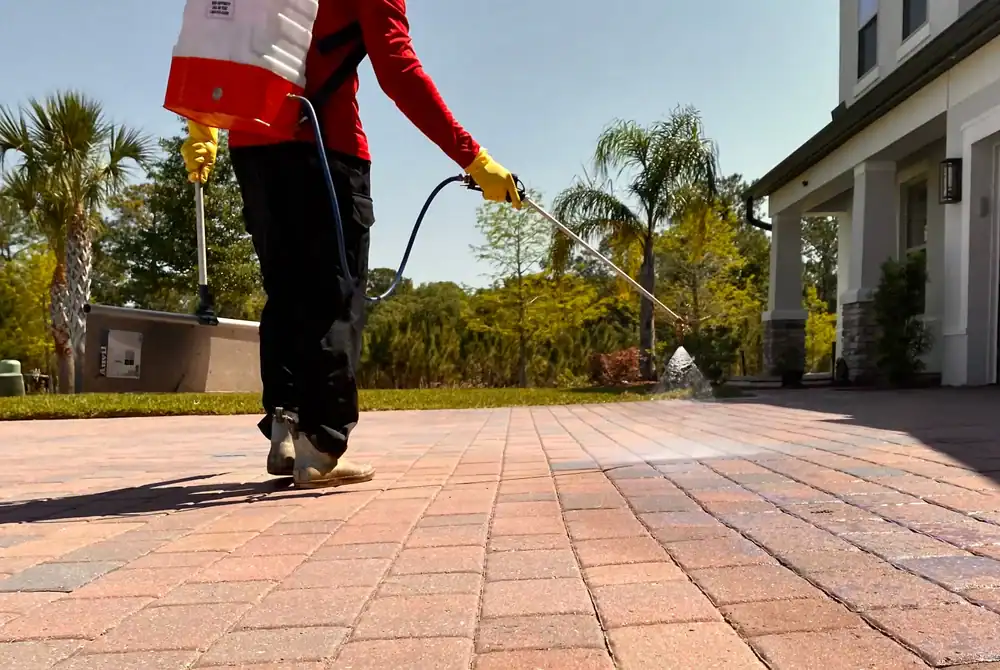
Most paver sealing projects in The Villages run around $2 per square foot, which includes professional cleaning, prep work, and sealer application. A typical 200-square-foot patio usually falls between $300 and $550 depending on the condition of the pavers and whether any repairs are needed first.
If your pavers haven’t been sealed in years or have significant mold and staining, the prep work takes longer and costs reflect that. We’re not just spraying sealer over dirt and calling it good—we’re cleaning down to the original surface so the sealer actually bonds properly.
The price also depends on what type of sealer you choose. There are different finishes—matte, satin, high-gloss—and different levels of protection. We’ll walk you through options during the estimate so you know exactly what you’re paying for and why.
In Florida, you’re looking at resealing every two to three years if you want continuous protection. The UV exposure here is intense, and even the best commercial-grade sealers break down over time under constant sun and rain.
Some companies will tell you their sealer lasts five years or more, but that’s not realistic in The Villages’ climate. You’ll start seeing the protective qualities fade after about two years—water stops beading as well, color starts dulling, mold becomes easier to grow.
Resealing on schedule isn’t about the sealer “failing.” It’s about maintaining a protective layer that’s constantly being tested by Florida weather. Think of it like waxing your car—it works great for a while, then needs to be reapplied to keep doing its job. Regular maintenance is always cheaper than letting pavers deteriorate and then trying to fix the damage later.
It depends on the sealer and the finish you choose. High-gloss sealers can create a slicker surface when wet, which is why we don’t recommend them for pool decks or areas that get a lot of foot traffic during rain.
Matte and satin finishes provide protection without making surfaces dangerously slippery. They still enhance color and lock in joint sand, but they don’t create that glossy film that becomes a slip hazard.
We also use sealers that actually help with slip resistance in some cases. Sealed pavers dry faster than unsealed ones because water beads off instead of soaking in. That means less standing water and less opportunity for algae to grow, which is what really makes surfaces slippery. If you’re concerned about slip resistance—especially around a pool—we’ll recommend the right product for your specific situation during the estimate.
The process is essentially the same, but the products we use might vary slightly based on the material. Interlocking pavers and concrete pavers are both porous, which means they absorb water, stains, and everything else Florida throws at them if they’re not sealed.
Concrete pavers tend to be more common in The Villages, and they’re particularly vulnerable to UV fading and moisture damage. The sealer penetrates the surface and fills those pores so stains can’t soak in and water can’t cause internal damage.
Interlocking pavers—whether they’re concrete, clay, or natural stone—benefit from sealing because it locks the joint sand in place. That’s what keeps them interlocked and stable. Without sealer, heavy rain washes that sand out and your pavers start shifting.
The real difference isn’t in how we seal them—it’s in choosing the right sealer for the specific material. That’s why working with an Authorized Contractor for manufacturers like Tremron, Flagstone, and Belgard matters. We know exactly what products work with the pavers you have because we install and seal them regularly.
You can buy sealer at a hardware store and do it yourself, but the results usually aren’t great. The sealer you’re getting off the shelf isn’t the same commercial-grade product we use, and the application process is harder than it looks.
The biggest issue is surface prep. If your pavers aren’t completely clean and dry, the sealer won’t bond correctly. You’ll get peeling, bubbling, or a blotchy finish that looks worse than if you hadn’t sealed them at all. Most DIY jobs fail because people skip the deep cleaning step or don’t wait long enough for everything to dry in Florida’s humidity.
Application matters too. Uneven coverage leaves some areas protected and others exposed. Too much sealer creates a thick film that traps moisture. Too little sealer means you’re not actually protecting anything.
Professional paver sealing in The Villages costs around $2 per square foot. For that, you’re getting proper cleaning equipment, commercial products with UV and mold protection, and people who do this every day and know how to avoid the common mistakes that ruin a sealing job. If you’re protecting a significant investment in your driveway or pool deck, it’s worth having it done right the first time.
Fall and winter are ideal for sealing pavers in The Villages because humidity is lower and you’re less likely to get surprise afternoon rainstorms. The sealer needs time to cure without moisture interference, and that’s a lot easier to manage during the dry season.
Summer is the hardest time to seal pavers in Florida. Humidity stays high, rain is unpredictable, and even if we finish applying sealer in the morning, an afternoon storm can ruin the entire job before it cures. We can work around weather, but it adds risk and potential delays.
That said, if your pavers are in bad shape—heavy mold growth, significant fading, joint sand washing out—don’t wait six months for perfect conditions. The longer you leave them unsealed, the more damage Florida’s climate does. Sometimes it’s better to schedule the work during a stable weather window in summer than to let deterioration continue.
We’ll give you an honest assessment of timing during your estimate. If waiting a few months makes sense, we’ll tell you. If your pavers need attention now, we’ll explain why and work with the weather to get it done right.
Useful Links
Other Services we provide in The Villages