
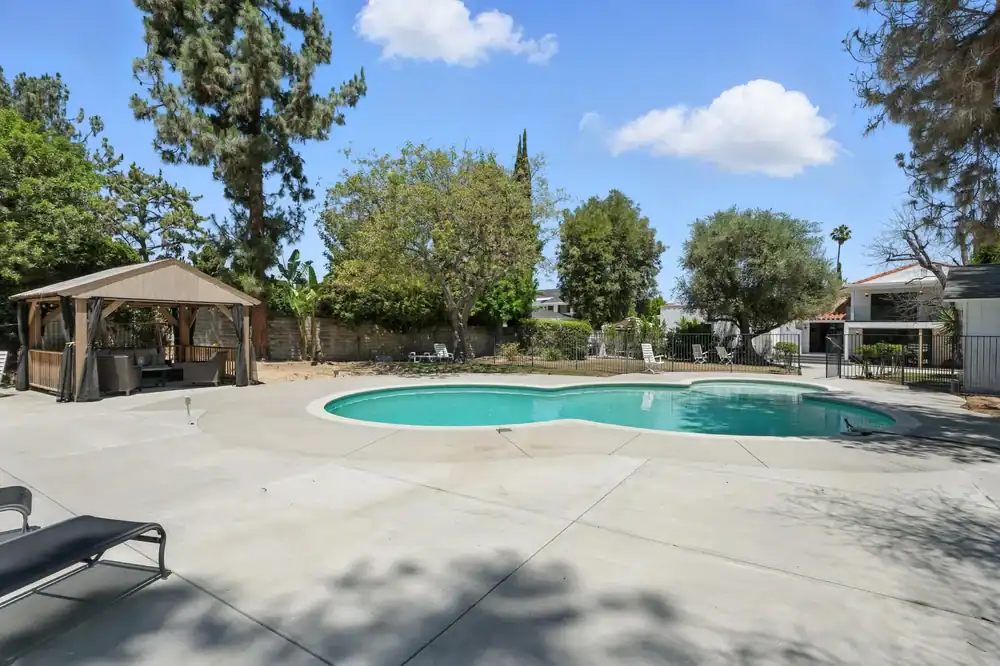
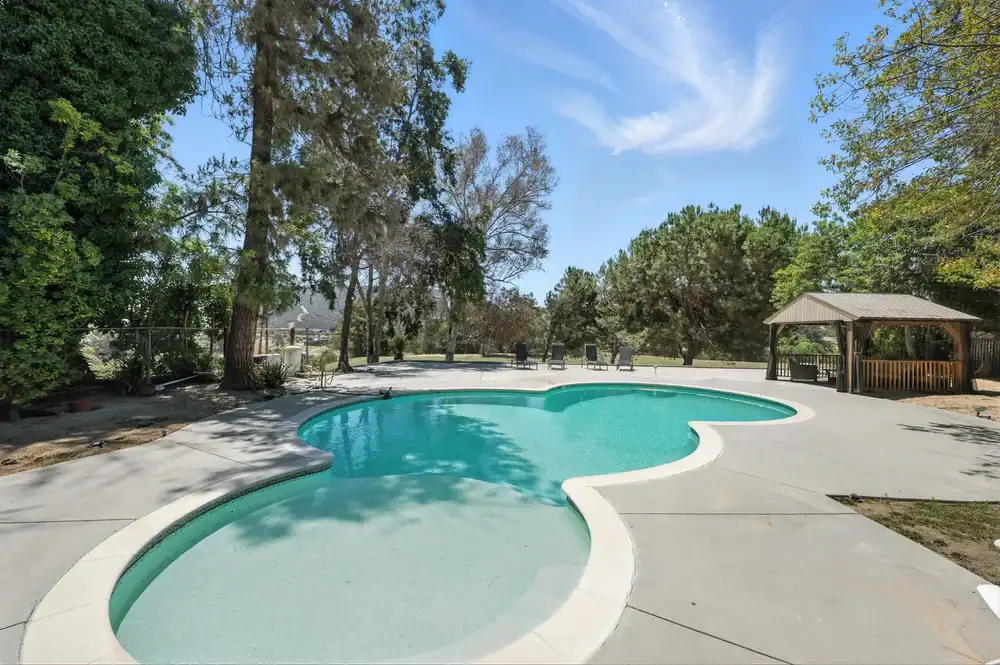
Your pool deck stops being a maintenance problem. No more cracked concrete that collects water and grows mold. No more slippery surfaces that make you nervous every time someone walks out with wet feet.
Pool pavers in Homosassa give you a surface that drains properly, stays cooler underfoot during summer, and doesn’t shift or sink when Florida’s heavy rains hit. The right installation means you’re not calling someone back in two years to fix settling or drainage issues.
You get a pool area that actually adds value to your home instead of becoming another thing on your repair list. And if a paver does crack or stain down the road, you replace one piece instead of tearing up an entire slab. That’s the difference between a smart installation and one that costs you later.
We’ve been handling pool paver installation in Homosassa since 1995. We’re authorized contractors for Tremron, Flagstone, and Belgard, which means we install premium materials with manufacturer-backed warranties.
Our crews are state-licensed and familiar with Citrus County’s soil conditions, drainage requirements, and building codes. We know how sandy soil behaves, how to prep bases that won’t shift during storms, and what materials hold up best in North Central Florida’s climate.
We’re also the exclusive Seal ‘n Lock distributor in the county, so we offer sealing solutions you won’t find with other contractors. Most of our work comes from referrals and repeat customers throughout Homosassa, which tells you what you need to know about how our installations hold up over time.
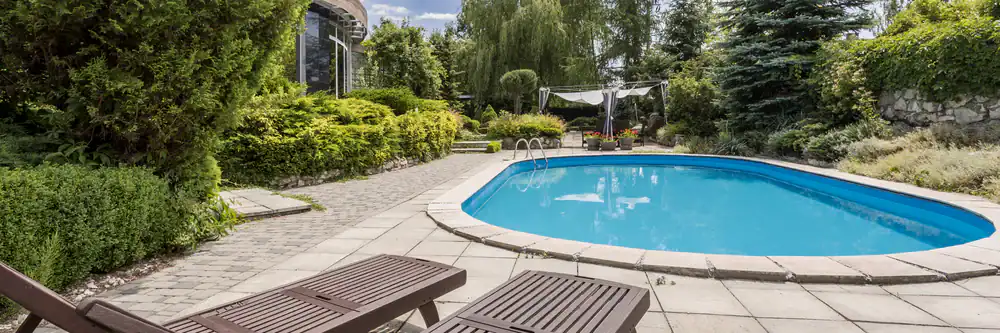
We start with a site visit to look at your existing pool area, drainage patterns, and what you’re dealing with underneath. That tells us how deep we need to excavate and what base preparation your specific location requires.
Next comes excavation and base work. For pool deck pavers in Homosassa, this means removing existing material, grading for proper drainage away from your pool and home, and installing a compacted base that won’t shift when Florida’s rains saturate the ground. This step matters more than the pavers themselves.
Then we install edge restraints, lay bedding sand, and set pavers according to your chosen pattern. We cut around pool equipment, steps, and any curves in your deck. After pavers are placed, we compact everything, sweep polymeric sand into joints, and seal if you’ve chosen that option.
The whole process typically takes a few days depending on size. We handle permits, work around your schedule, and clean up completely when we’re done.
Ready to get started?
You’re getting materials selected specifically for pool areas in Florida. That means slip-resistant surfaces with textured finishes, not smooth pavers that become dangerous when wet. We typically recommend travertine or concrete pavers in lighter colors because they reflect heat instead of absorbing it, which matters when you’re walking barefoot in July.
Your installation includes proper base preparation with compacted aggregate, correct grading for drainage, and polymeric sand that resists washout and weed growth. We install to manufacturer specs, which protects your warranty and ensures the deck performs as designed.
In Homosassa, pool paver installations also need to account for our climate. Heavy summer rains mean your base needs excellent drainage. High humidity means joints need proper sealing to prevent mold. Occasional freezes mean we use installation methods that allow for minor expansion and contraction without cracking.
We’re installing for the long term, not just for how it looks the day we finish. That means doing the base work right, using quality materials, and building in solutions for the specific challenges your property presents.
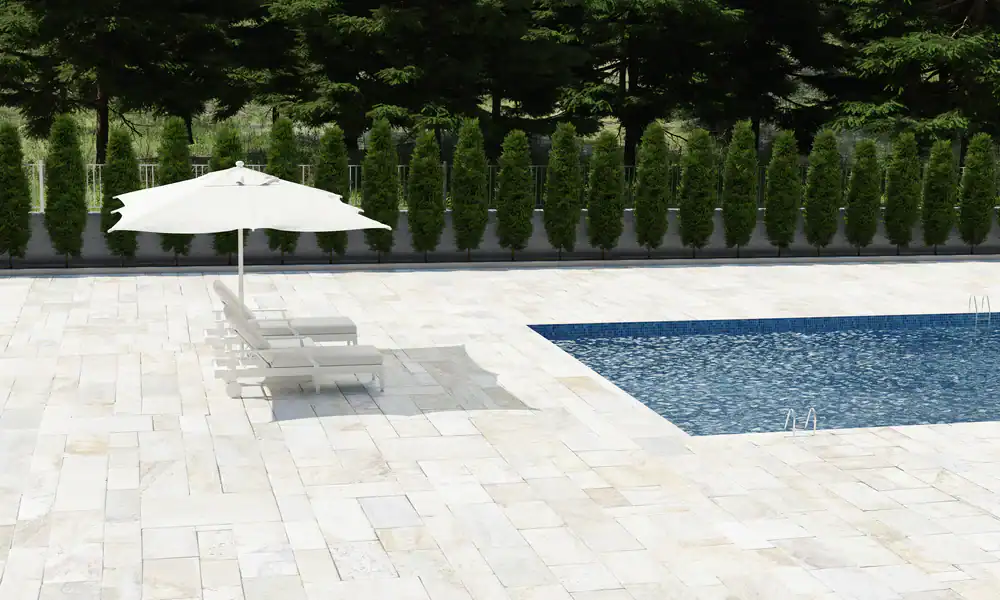
Travertine and concrete pavers both work well for pool decks in Homosassa, but for different reasons. Travertine stays cooler underfoot because it doesn’t absorb as much heat, which makes a real difference during summer. It’s naturally slip-resistant and handles Florida’s humidity without deteriorating.
Concrete pavers cost less and give you more color and style options. Modern concrete pavers are engineered to resist fading, handle freeze-thaw cycles, and provide slip resistance when you choose textured finishes. They’re also easier to replace if one cracks.
Both materials outlast stamped concrete and handle our heavy rains better than solid surfaces because water drains through the joints instead of pooling. The right choice depends on your budget, how the deck will be used, and what aesthetic you’re after. We walk through options during the consultation based on your specific pool area and priorities.
Most pool deck paver installations in Homosassa take three to five days depending on the size of your deck and what we’re working with underneath. Smaller decks around standard pools might be done in two to three days. Larger areas with multiple levels, curves, or challenging drainage issues can take a week.
The timeline breaks down like this: one day for excavation and base prep, one to two days for base compaction and edge work, one to two days for paver installation and cutting, and a final day for compaction, joint sand, and sealing if you’re doing that.
Weather affects timing since we can’t compact bases or install pavers during heavy rain. We also need time for permits if your project requires them, which most pool work does in Citrus County. We give you a specific timeline after seeing your property and understanding what prep work is needed. The base preparation takes the most time, but it’s also what determines whether your deck lasts five years or thirty.
They can if the base isn’t prepared correctly, which is why installation quality matters more than the pavers themselves. Florida’s sandy soil doesn’t provide stable support on its own. It shifts, settles, and washes away during heavy rains if you don’t build a proper foundation.
A correctly installed pool deck in Homosassa starts with excavation deep enough to remove unstable material, then builds up with compacted aggregate base in layers. Each layer gets compacted to specific density before the next goes down. This creates a stable platform that distributes weight and resists settling even when saturated.
We also grade for drainage so water moves away from the pool and doesn’t pool under pavers. Edge restraints keep pavers from spreading over time. When all these steps happen correctly, pavers don’t sink or crack from normal use. The installations we did fifteen years ago are still level and intact because the base work was done right. Shortcuts during installation are what cause problems later, not the pavers themselves.
Texture is the main factor. Smooth pavers become slippery when wet, which is why we don’t use them around pools. Textured finishes like tumbled, sandblasted, or brushed surfaces provide grip even when soaked.
Travertine naturally has a textured, porous surface that doesn’t get slick. Concrete pavers need to be specified with slip-resistant finishes. We test this during material selection by wetting samples and checking traction.
Sealing affects slip resistance too. Some sealers create a slick film, especially high-gloss products. If you’re sealing pool pavers in Homosassa, you need a penetrating sealer that protects without changing surface texture. We use Seal ‘n Lock products that enhance color and resist staining while maintaining the natural grip of the paver.
Proper drainage also helps. When water doesn’t pool on the surface, pavers dry faster and stay safer. The combination of textured material, smart sealer choice, and good drainage gives you a pool deck that’s safe to walk on wet or dry.
Pool deck pavers in Homosassa typically run between $15 and $30 per square foot installed, depending on material choice, site conditions, and design complexity. Travertine costs more than concrete. Complex patterns and borders cost more than simple layouts. Difficult access or extensive base work increases labor costs.
A standard pool deck around a 15×30 pool might range from $8,000 to $15,000 for quality installation with good materials. Larger decks, multiple levels, or premium materials push that higher. Smaller areas or basic concrete pavers in simple patterns come in lower.
What drives cost is the work you don’t see. Proper excavation, quality base materials, correct compaction, and skilled installation take time and expertise. Cheap installations skip steps or use subpar materials, which costs you more when the deck fails in a few years.
We provide specific quotes after seeing your property because every pool area is different. Drainage challenges, access limitations, existing conditions, and your material preferences all affect final cost. The quote includes everything: permits, materials, labor, cleanup, and warranty. No surprises.
Sealing pool pavers in Homosassa protects them from Florida’s harsh conditions and makes maintenance easier. Our climate includes intense UV exposure, heavy rain, high humidity, and acid rain that degrade unsealed surfaces over time.
A quality sealer prevents stains from sunscreen, chlorine, and organic material. It enhances color and keeps pavers looking newer longer. It also inhibits mold and mildew growth in joints, which is a real issue in humid climates. Sealed pavers are easier to clean because spills and dirt sit on the surface instead of absorbing into the material.
Not all sealers work the same. You need a penetrating sealer designed for pool areas that won’t create a slippery film or trap moisture underneath. We’re the exclusive Seal ‘n Lock distributor in Citrus County, and their products are specifically formulated for Florida conditions.
Sealing isn’t mandatory, but it extends the life of your investment and reduces maintenance. Unsealed pavers still function fine but require more frequent cleaning and will show wear faster. Most homeowners choose to seal because the protection and easier upkeep are worth the additional cost. Resealing every few years maintains protection as the product wears down from use and weather.
Useful Links
Other Services we provide in Homosassa