
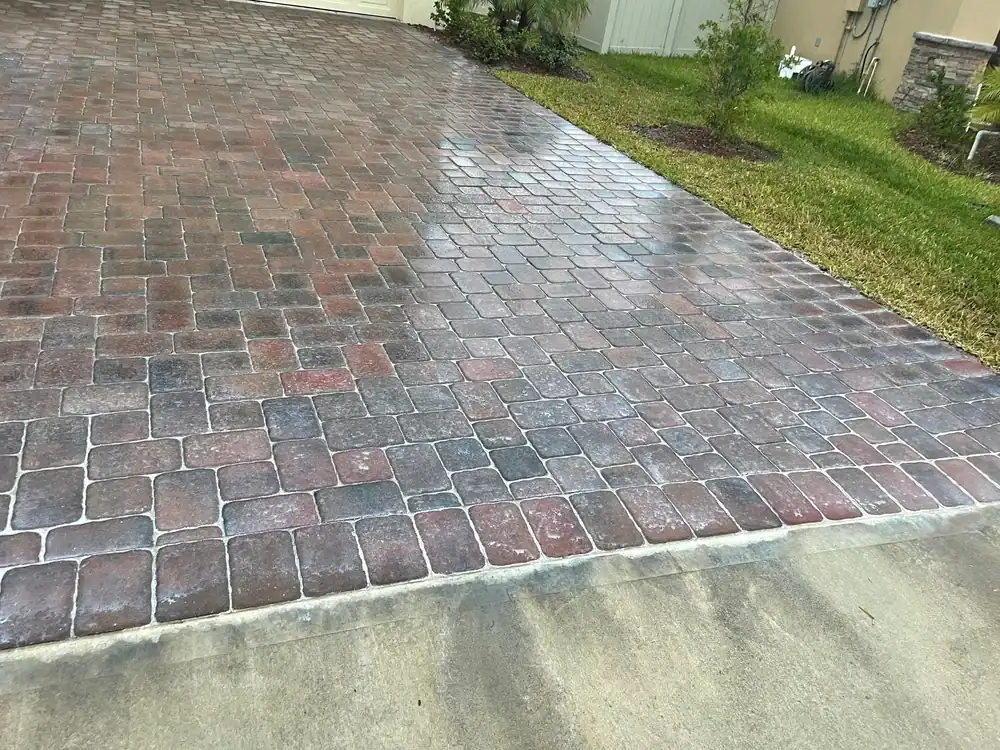
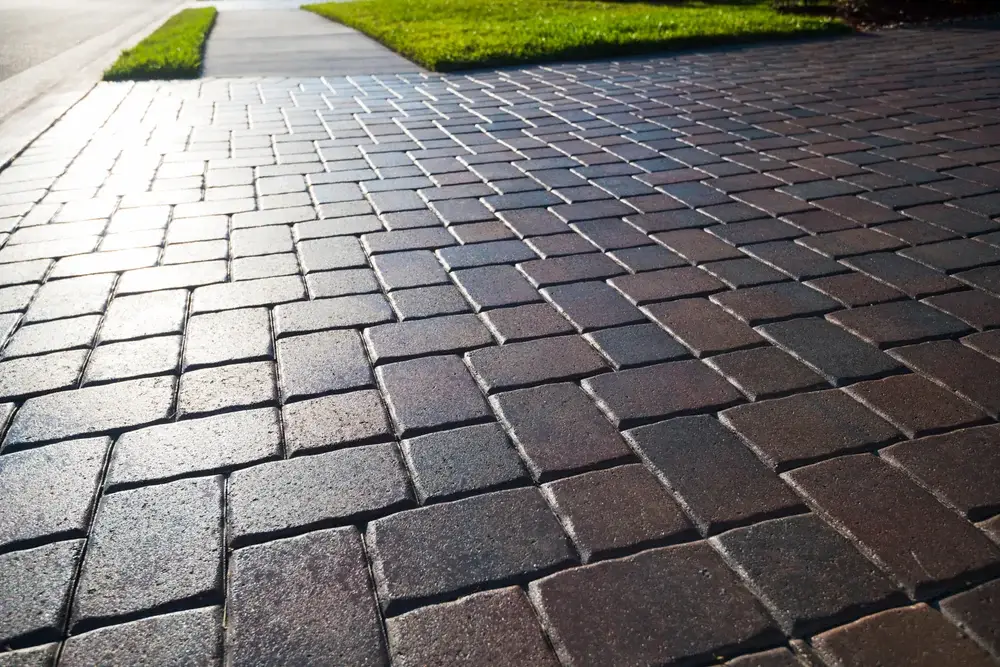
Your pavers take a beating in Timber Pines. Florida’s relentless UV rays bleach out color. Heavy afternoon rains soak into the surface and pull out the fine materials that hold everything together. Humidity breeds mold and algae that turn walkways into slip hazards.
Proper paver sealing stops all of that. You get a protective barrier that blocks UV damage, repels water, and locks joint sand in place so pavers don’t shift or settle. Oil stains from the driveway wipe clean instead of soaking in permanently. Weeds can’t push through sealed joints. Ants can’t nest underneath.
The result is pavers that look newer, longer. Less maintenance on your end. No expensive repairs from neglect. Just a clean, stable surface that handles Florida weather the way it should.
Most quality sealing jobs last two to three years before you need to think about it again. That’s real protection for an investment that likely cost you somewhere between $8,000 and $20,000 to install.
We’re a family-owned paver sealing company serving Timber Pines and all of Citrus County for nearly three decades. We’re authorized contractors for Tremron, Flagstone, and Belgard—the top paver manufacturers—and the exclusive Seal ‘n Lock distributor in the county.
That means we’re not some startup with a pressure washer and a YouTube tutorial. Our crews are state-licensed, properly insured, and trained on the products and techniques that actually work in Florida’s climate. We’ve sealed thousands of driveways, pool decks, patios, and walkways across the area.
We also live here. We’re active in the Citrus County Chamber of Commerce, help with hurricane cleanup, support Toys for Tots, and offer discounts to military members and first responders. When you hire us, you’re working with people who understand what Timber Pines homeowners deal with—and who’ll be around if you ever need us again.
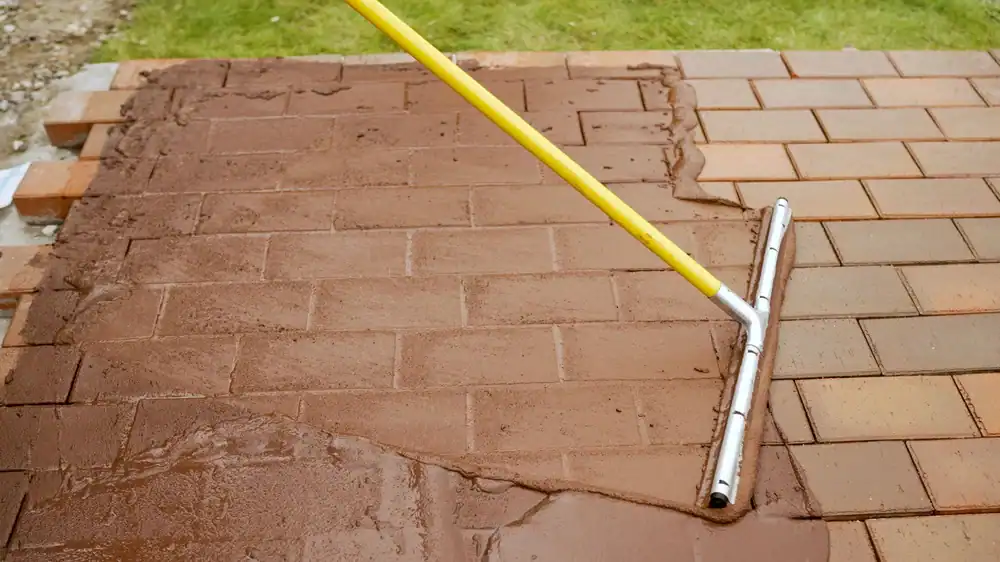
First, we clean the surface completely. That means pressure washing to remove dirt, mold, algae, old sealer residue, and any stains we can lift. If there’s oil or rust, we treat it. If there’s efflorescence—that white haze that sometimes appears—we address it before sealing. Skipping this step is why most DIY jobs and cheap contractor work fail within months.
Next, we check the joint sand. If it’s eroded or missing, we refill and compact it so your pavers stay locked in place. This is critical for structural stability, especially in high-traffic areas like driveways.
Then we apply a commercial-grade sealer designed specifically for Florida. Not the stuff you find at a big box store. We’re talking about professional products that resist UV breakdown, handle moisture correctly, and don’t trap water underneath where it causes peeling and flaking. We apply it evenly, let it cure properly, and make sure you’re left with a clean finish—no streaks, no white haze, no sticky residue.
The whole process usually takes one to two days depending on the size of the area and drying conditions. You’ll need to stay off the surface for 24 to 48 hours while it cures. After that, it’s ready for normal use.
Ready to get started?
Every paver sealing service in Timber Pines includes a full deep clean, joint sand inspection and refill if needed, stain treatment, and application of commercial-grade sealer. We handle pool decks, patios, driveways, walkways—any paver surface that needs protection.
You’re not getting a one-size-fits-all approach. Sealing interlocking pavers on a shaded patio is different from sealing a driveway that bakes in full sun all day. We adjust our process and product selection based on your specific situation: sun exposure, traffic levels, whether the area gets wet frequently, and what type of pavers you have.
Timber Pines has a high concentration of retirees who’ve invested significantly in their homes and outdoor spaces. You want work done right the first time, by people who won’t disappear after the check clears. That’s exactly what we do. We’ve built our reputation here over 27 years by showing up, doing meticulous work, and standing behind it.
Florida has more inexperienced paver sealing companies than almost anywhere else because no contractor license is required for this work. That attracts a lot of fly-by-night operators. We’re the opposite—licensed, insured, established, and not going anywhere.
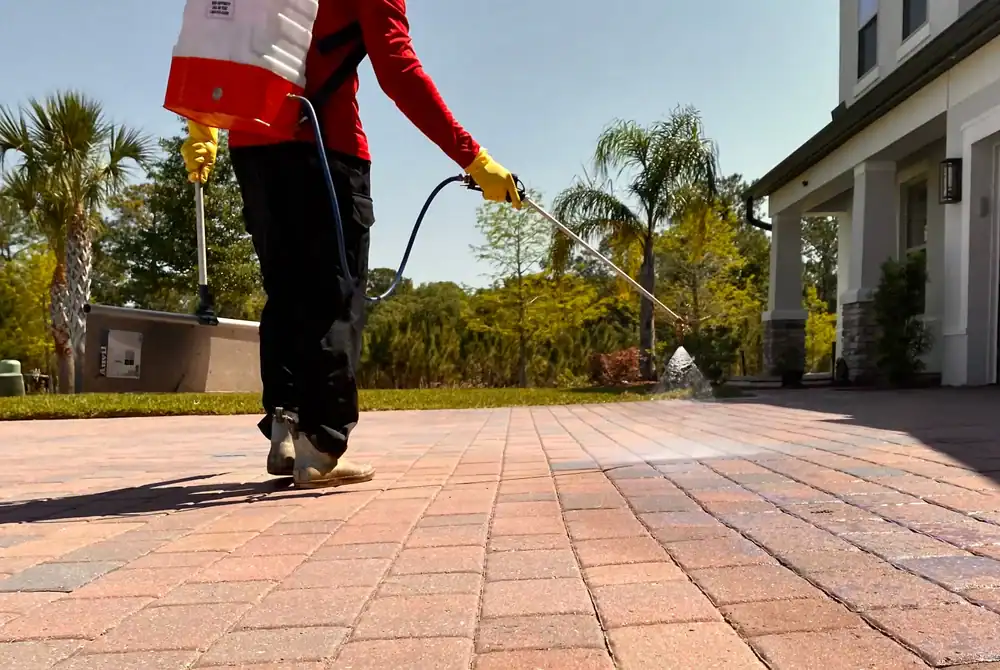
Most quality paver sealing jobs last between two and three years in Timber Pines before you need to reseal. Some commercial-grade sealers can push closer to four years if conditions are right—less traffic, some shade, regular cleaning.
The timeline depends on a few factors. High-traffic areas like driveways wear down sealer faster than a back patio. Full sun exposure breaks down sealer quicker than shaded areas. If you use a pressure washer frequently or harsh cleaners, that can shorten the lifespan too.
You’ll know it’s time to reseal when water stops beading on the surface and starts soaking in, or when you notice color starting to fade again. If weeds begin popping up in the joints or the pavers look dull and washed out, that’s another sign the sealer has worn through. Catching it before major deterioration happens saves you money and keeps your pavers in better shape long-term.
Store-bought sealers are general-purpose products designed to work everywhere, which means they’re not optimized for Florida’s specific challenges. They tend to be thinner, break down faster under UV exposure, and often trap moisture underneath the surface. That trapped moisture fights against the sealer from the inside, causing peeling, flaking, and that milky white haze you see on failed sealing jobs.
Commercial-grade sealers are formulated differently. They’re thicker, more durable, and designed to handle high humidity, intense sun, and heavy rain without breaking down. They also breathe properly—allowing moisture vapor to escape while still blocking liquid water from penetrating. That’s the key to avoiding the peeling and flaking problem.
The other issue is application. Even if you buy a decent sealer, improper surface prep or application technique will cause it to fail. Most DIY jobs skip critical steps like thorough cleaning, stain treatment, or proper joint sand stabilization. We see it constantly—homeowners who spent a weekend and a few hundred dollars on materials, only to have the sealer fail within six months. Then they’re paying us to strip it and start over, which costs more than doing it right the first time.
It depends entirely on the sealer and how it’s applied. High-gloss sealers can create a slick surface when wet, which is why we don’t recommend them for pool decks, walkways, or any area where people walk barefoot or in wet conditions.
We typically use sealers with a matte or low-sheen finish for most applications. These provide all the protection you need—UV resistance, water repellency, stain blocking—without creating a slippery surface. For pool decks specifically, we can add slip-resistant additives to the sealer if needed.
The bigger slip hazard is actually unsealed pavers. When algae and mold grow on unsealed surfaces, they create a slimy biofilm that’s genuinely dangerous, especially in shaded or constantly damp areas. Sealing prevents that growth in the first place, which actually makes the surface safer. If you’re concerned about slip resistance, just mention it upfront and we’ll make sure you get the right product for your situation.
Absolutely. In fact, sealing older pavers that have never been sealed often produces the most dramatic results. Years of Florida sun, rain, and traffic wear down the surface and pull out the color. When we clean and seal those pavers, the transformation is significant—colors come back to life and the whole area looks almost new again.
The process is the same whether pavers have been sealed before or not. We start with a deep clean to remove all the built-up dirt, organic growth, and stains. If the pavers are really faded or stained, we may need to use stronger cleaning agents or spend extra time on problem areas. Once the surface is completely clean and dry, we apply the sealer.
One thing to note: if your pavers are very old and the surface has degraded significantly, sealing won’t fix structural problems like cracking, major settling, or missing chunks. It also won’t repair pavers that are already broken. Sealing protects and enhances what’s there—it’s not a repair service. If you have structural issues, we’ll point them out during the initial assessment and let you know what needs to be addressed first.
Professional paver sealing in Timber Pines typically runs between $1.25 and $2.50 per square foot for standard service, and $2.50 to $4.00 per square foot for premium service with more intensive cleaning or restoration work. The final cost depends on the size of the area, the condition of the pavers, and what level of prep work is needed.
A typical driveway might be 400 to 600 square feet. A pool deck could be 800 to 1,200 square feet. A large patio might hit 1,000 square feet or more. If your pavers are in decent shape and just need standard cleaning and sealing, you’ll be on the lower end of that range. If we’re dealing with heavy staining, significant mold or algae growth, or old failed sealer that needs stripping, the cost goes up because the labor and materials increase.
We give you an exact quote after seeing the job in person. No surprises, no upselling once we start. You’ll know what you’re paying before we do any work. Given that most paver installations cost between $8,000 and $20,000, spending $500 to $2,000 every few years to protect that investment makes sense. It’s a lot cheaper than replacing pavers that have deteriorated from neglect.
Unsealed pavers deteriorate faster in Florida’s climate. UV rays break down the surface and fade the color. Rain washes out the fine aggregate materials that give pavers their color and strength. Joint sand erodes, which allows pavers to shift, settle unevenly, and become loose or wobbly underfoot.
Stains from oil, rust, organic matter, and dirt penetrate deep into the porous surface where they’re nearly impossible to remove. Mold, algae, and mildew grow unchecked, creating dark stains and slippery surfaces. Weeds push up through the joints. Ants and other insects burrow underneath and create nests that destabilize the base.
Over time, you’re looking at expensive repairs. Pavers that have shifted need to be pulled up, the base needs to be re-leveled and re-compacted, and then everything gets reinstalled. That’s not cheap. If the surface has degraded badly enough, you might be looking at full replacement in some areas.
Sealing stops all of that for a fraction of the cost. It’s straightforward maintenance that extends the life of your pavers by years, keeps them looking good, and prevents the kind of damage that leads to major repair bills. Most homeowners who skip sealing end up regretting it once they see how quickly things go downhill in Florida’s climate.
Useful Links
Other Services we provide in Timber Pines