
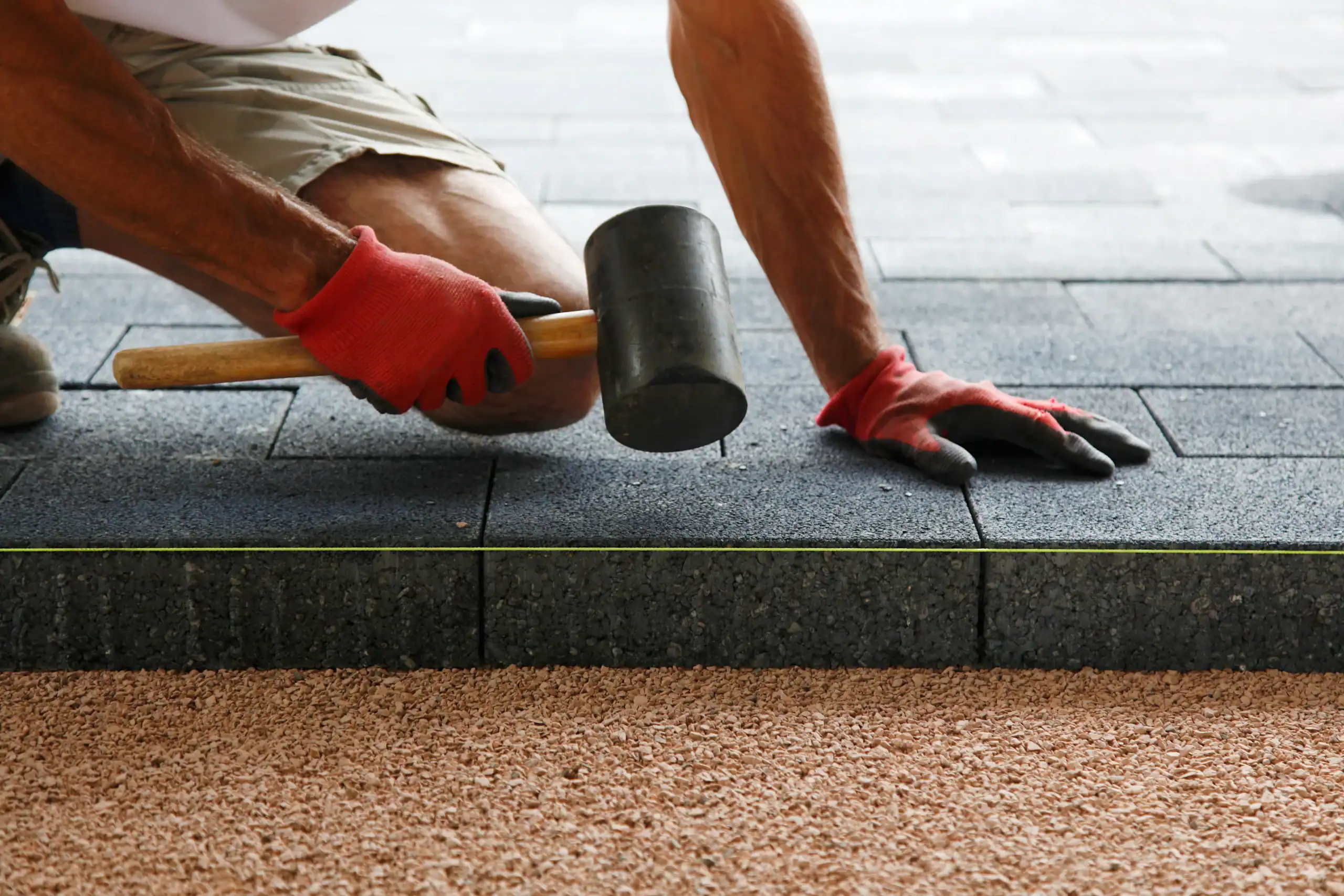

Your driveway stops being a problem. No more cracks spreading across concrete after heavy rains. No more water pooling near your garage or foundation because the drainage was done wrong the first time.
Pavers are built differently. Each piece moves independently, so when Florida’s soil shifts or tree roots push up, nothing cracks. Water drains through the joints instead of sitting on the surface, which matters when Lecanto gets 49 inches of rain a year.
You’re also getting a driveway that can handle 8,000 pounds per square inch—more than double what concrete can take. That means multiple vehicles, boats, RVs, whatever you need to park without worrying about damage. And if a paver ever does crack or stain, you replace that one piece. Not the whole slab.
This is what a long-term fix looks like. Brick pavers last 40+ years when installed correctly, and they don’t require the constant maintenance that asphalt or concrete demand in Florida’s climate.
We’ve been installing pavers for driveway projects in Lecanto since 1995. Same family, same standards, same attention to the details that matter when you’re working in Florida soil and weather.
We’re Authorized Contractors for Tremron, Belgard, and Flagstone—which means we’re trained on proper installation, we use the right materials, and we’re accountable to manufacturers who actually check our work. We’re also the exclusive Seal ‘n Lock distributor in Citrus County.
You’re not getting a crew that learned on YouTube. You’re getting licensed professionals who’ve done this thousands of times in the same soil conditions, same climate, same challenges you’re dealing with right now.
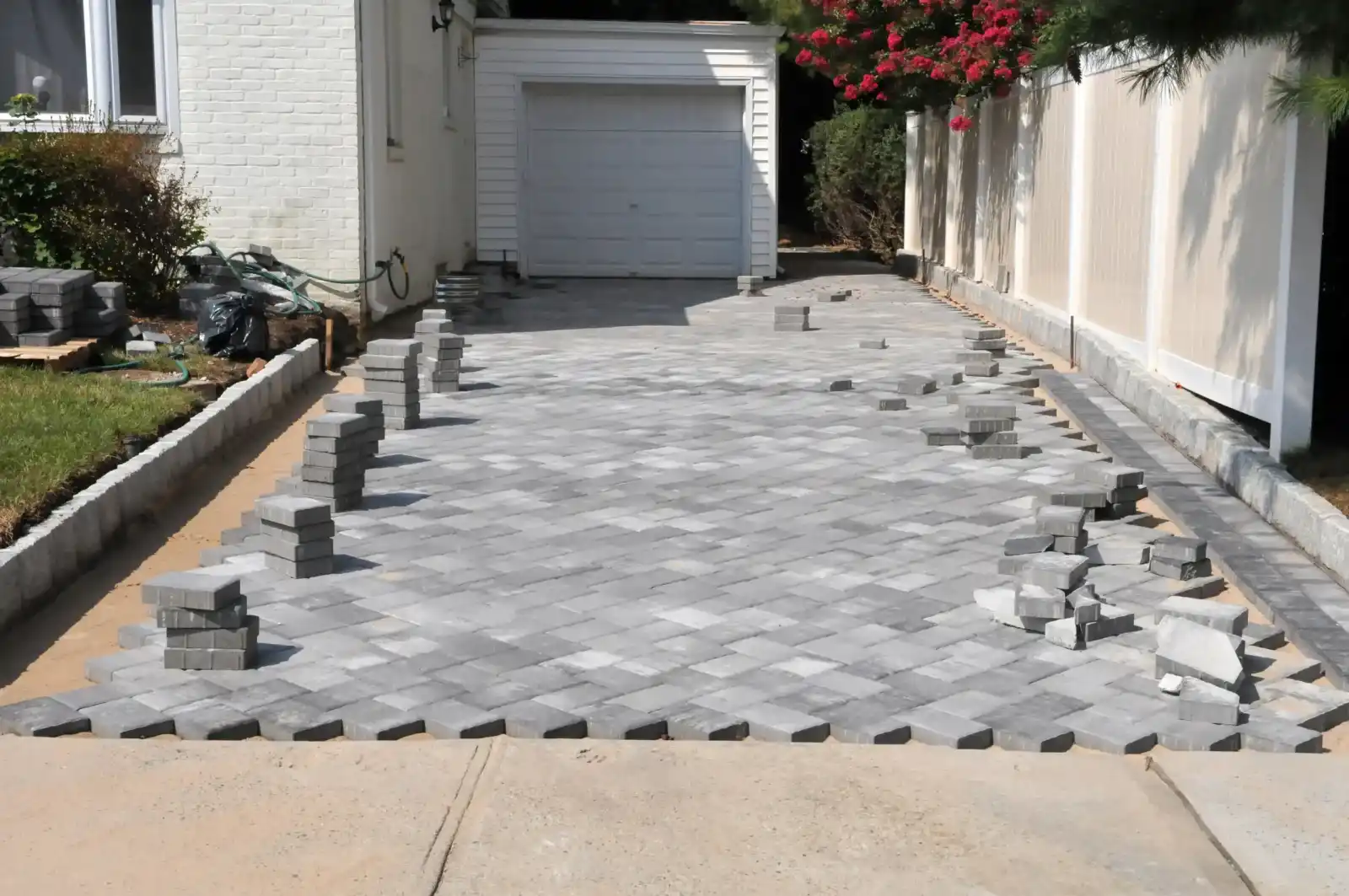
First, we excavate your existing driveway and prep the base properly. That means removing enough material to build the right foundation—because if the base isn’t done right, nothing else matters. We’re talking about proper depth, proper grading for drainage, and compacted base material that won’t shift.
Next comes the sand layer and edge restraints. This is where a lot of contractors cut corners. We use concrete molded edging, not plastic spikes, because Florida’s sandy soil won’t hold plastic. The edging keeps everything locked in place for decades.
Then we install the pavers in your chosen pattern, cut them to fit around curves or obstacles, and compact everything so it’s solid and level. Finally, we sweep polymeric sand into the joints and seal the surface. That sand hardens and locks the pavers together while still allowing water to drain through.
The whole process typically takes three to five days for a standard driveway, longer if you’ve got a larger property or complex layout. We handle any permits if needed, though pavers usually don’t require them in Florida since they’re not permanent structures.
Ready to get started?
You’re getting complete site preparation—excavation, grading, and a properly compacted base that’s built for Florida conditions. We’re not laying pavers over your existing concrete. That’s a shortcut that fails every time.
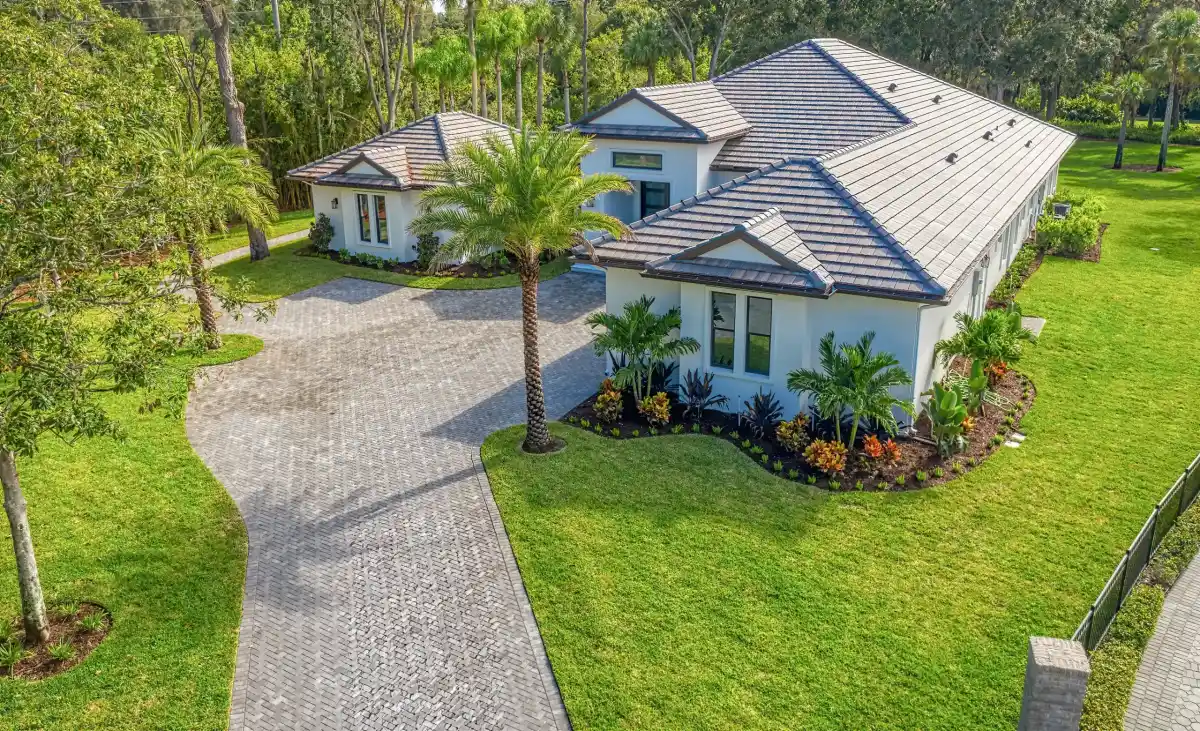
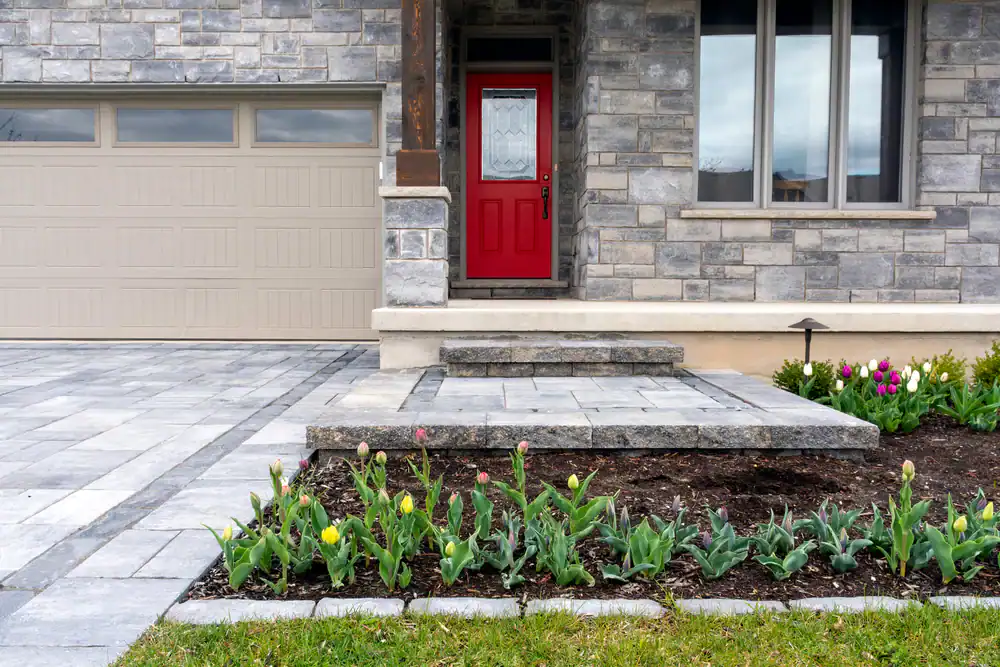
You’re also getting premium materials from authorized manufacturers. Tremron and Belgard pavers are engineered for durability and weather resistance, and they come in enough colors and styles that you can match whatever look you want—from traditional brick to modern sleek designs.
Drainage is built into every installation. Lecanto’s soil and rainfall patterns mean water management isn’t optional. We grade everything so water moves away from your home and foundation, and the pavers themselves allow water to drain through instead of pooling on the surface.
The final step is sealing with Seal ‘n Lock, which protects against staining, makes cleaning easier, and enhances the color. This isn’t an upsell—it’s part of doing the job correctly so your driveway actually lasts.
Most driveway paver installations in Lecanto run between $12 and $18 per square foot depending on size, material choice, and site conditions. That’s the real number, not a bait-and-switch estimate that changes once we show up.
Brick pavers can easily last 40 years or longer when installed correctly. That’s significantly longer than concrete or asphalt in Florida, where heat, rain, and soil movement destroy traditional materials much faster.
The key is proper installation. If the base isn’t prepared right or the wrong thickness pavers are used, you’ll have problems within a few years. But when the foundation is built correctly—with proper excavation, compacted base material, and appropriate drainage—pavers handle Florida’s conditions better than any other driveway material.
Individual pavers can also be replaced if one ever cracks or stains, which means you’re not tearing out and replacing an entire driveway. You fix the one piece and move on. That’s a huge advantage over concrete slabs that crack and require complete replacement.
No, and here’s why. Concrete is one solid slab, so when the ground shifts or tree roots push up, the entire slab cracks. Pavers are individual pieces that move independently, which means they flex with ground movement instead of fracturing.
Florida’s soil shifts constantly due to moisture changes, temperature swings, and root growth. Pavers are designed to handle that movement. Each piece can adjust slightly without creating the stress fractures that destroy concrete.
That said, improper installation will cause problems with any material. If someone lays thin pavers over existing concrete or skips proper base preparation, you’ll get sinking and separation. But when pavers are installed correctly with the right base and edge restraints, cracking isn’t an issue you’ll deal with.
Paver driveways handle water better than concrete or asphalt because water drains through the joints between pavers instead of sitting on the surface. That reduces runoff, prevents pooling, and protects your foundation from water damage.
Proper installation includes grading the base so water flows away from your home. In Lecanto, where we get 49 inches of rain annually, drainage isn’t optional—it’s critical. We build that into every installation by sloping the base correctly and ensuring water has a path to drain.
The sand between pavers also allows water to permeate through instead of creating runoff that floods your yard or driveway. This is especially important during Florida’s rainy season when daily afternoon storms dump inches of water in short periods. Pavers manage that water naturally without requiring additional drainage systems in most cases.
The base. That’s where most problems start. Cheap installations skip proper excavation, use inadequate base material, or don’t compact it correctly. When that happens, pavers sink, shift, and separate within a couple years.
Quality installation means excavating deep enough to build a proper foundation, using the right amount of compacted base material, and installing concrete edging that actually holds in Florida’s sandy soil. It also means using pavers that are thick enough for driveway use—some contractors use thin pavers meant for walkways, and those crack under vehicle weight.
You’ll also see differences in drainage, joint sand quality, and sealing. Cheap jobs skip the polymeric sand that locks pavers together, they don’t grade for proper water flow, and they either skip sealing or use inferior products. All of that leads to problems you’ll be paying to fix within a few years, which is why the cheapest bid usually costs more in the long run.
We don’t, and you shouldn’t let anyone else do it either. Laying pavers over concrete is a shortcut that fails because you’re building on top of a surface that’s already cracked, uneven, or improperly graded for drainage.
When concrete cracks or settles, anything on top of it will crack and settle too. You’re also adding height to your driveway, which creates problems with garage doors, drainage flow, and the transition to your street or yard.
The right way is to remove the existing concrete, excavate to proper depth, and build a new base designed specifically for pavers. That costs more upfront, but it’s the only method that actually works long-term. Trying to save money by installing over concrete just means you’ll be redoing the whole project in a few years when it fails.
Usually not. Florida generally doesn’t require permits for pavers because they’re not considered permanent structures like concrete. But local regulations can vary depending on your specific property, HOA rules, or if you’re changing the driveway footprint.
We handle all permit research and applications if they’re needed. Most residential driveway paver installations in Lecanto don’t trigger permit requirements, but we verify that before starting any project so you’re not dealing with compliance issues later.
If your property has specific restrictions—like being in a historic district or having HOA guidelines—we’ll work within those requirements. The advantage of pavers is they offer design flexibility that usually satisfies even strict aesthetic rules while still giving you the durability and drainage benefits you need in Florida.
Useful Links
Other Services we provide in Lecanto