
Your driveway stops being a maintenance headache. No more cracks spreading across concrete every summer. No more standing water after storms that takes days to drain.
Pavers handle what Wildwood throws at them. The segmented design flexes with our sandy soil instead of fighting it. When heavy rains hit, water drains through the gaps between pavers and down into the base layer, not across your yard or into your garage.
If a paver gets damaged, you replace that one piece. Not the whole driveway. That’s the difference between a $50 fix and a $5,000 replacement. And with proper installation, you’re looking at 50+ years of use with minimal upkeep.
The surface stays cooler underfoot than concrete, even in July. It doesn’t retain heat the way solid surfaces do. You can walk barefoot to your car without regretting it.
We’ve been working in Wildwood since 1995. We’ve installed driveways through multiple hurricane seasons, so we know what holds up and what doesn’t when the storms come through.
We’re authorized contractors for Tremron, Flagstone, and Belgard. That means we’re trained on proper installation methods and have direct access to quality materials. We’re also the only Seal ‘n Lock distributor in Citrus County.
This is a family business. We’re not a franchise or a crew that shows up from out of town. We live here, and we’ve been cleaning up after hurricanes alongside our neighbors. When you call, you’re talking to someone who knows your street and understands what your property deals with.
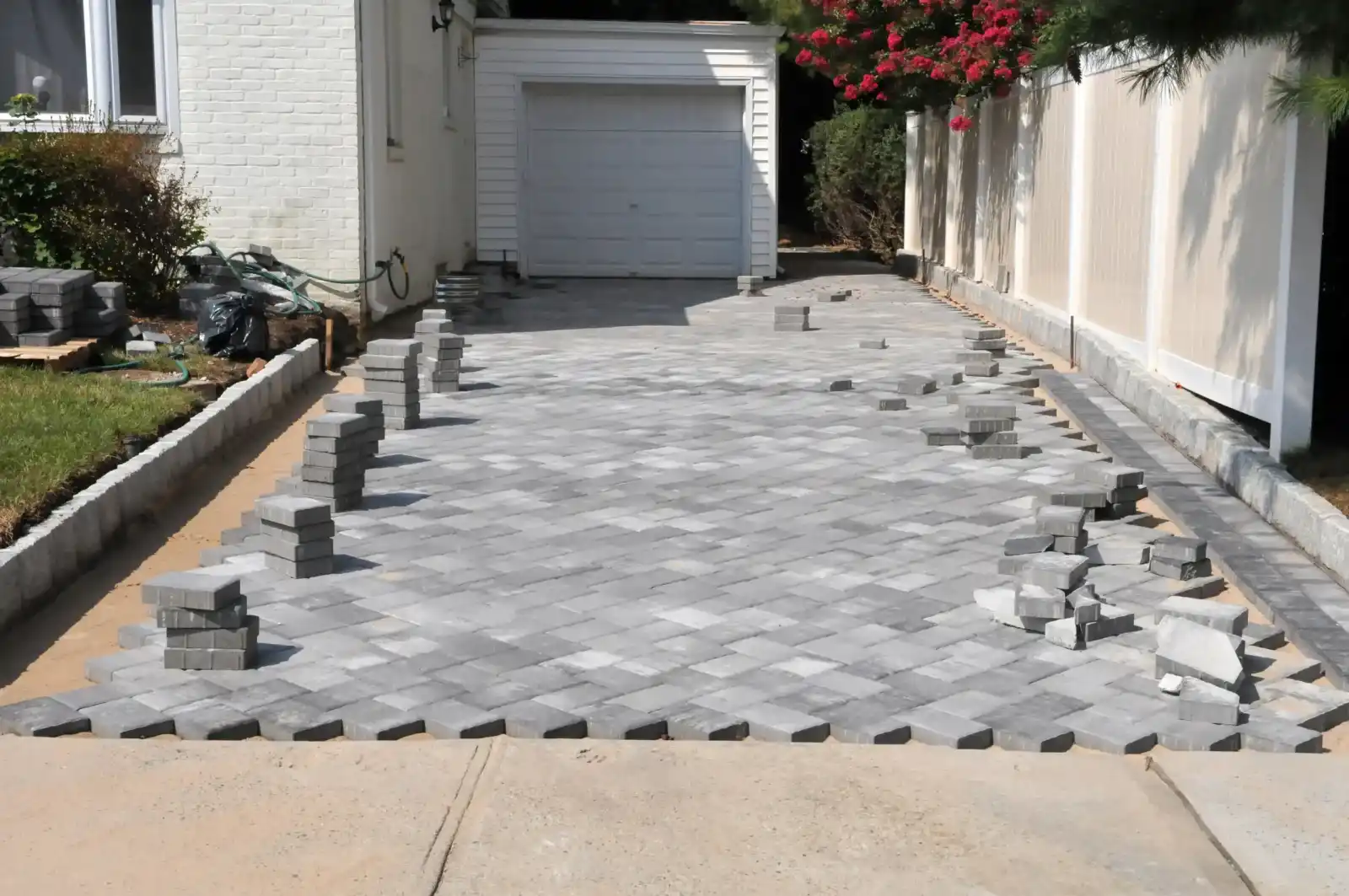
First, we excavate and grade your driveway area based on your property’s drainage patterns. In Wildwood, that means accounting for how water moves during heavy rain and where it needs to go. The base layer gets compacted properly—this is what prevents settling and keeps your pavers level for decades.
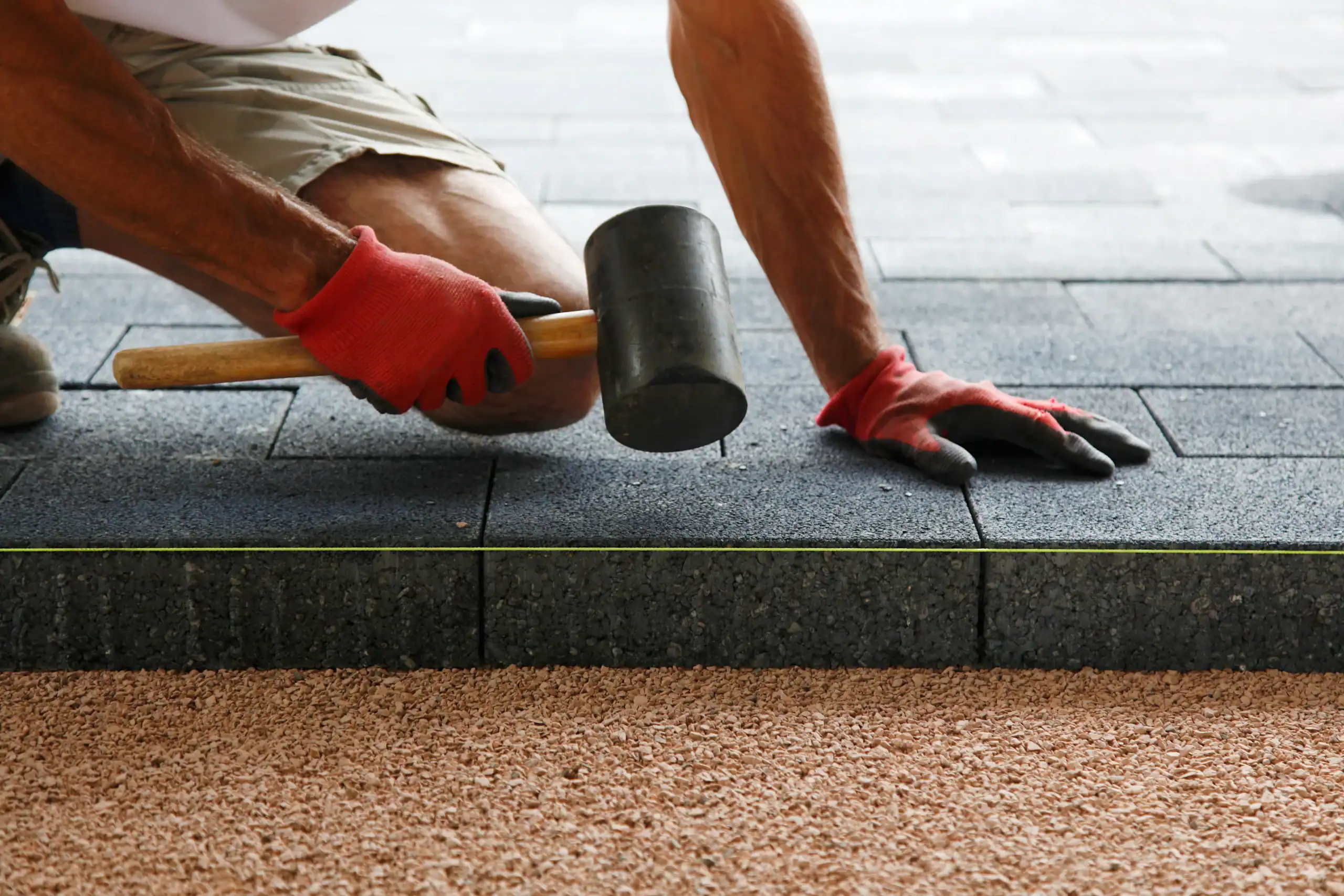
Next comes the sand bedding layer and edge restraints. These keep pavers locked in place even when the ground shifts. We set each paver by hand, checking levels as we go. Gaps between pavers are filled with polymeric sand that hardens when wet, locking everything together while still allowing water to drain through.
After installation, we compact the entire surface. This seats the pavers into the base and activates the polymeric sand. The result is a driveway that moves as one unit but flexes independently where it needs to.
You can drive on it the same day in most cases. No waiting weeks for concrete to cure. And if you ever need a repair, we can pull the affected pavers, fix the base if needed, and reset them without tearing up the whole driveway.
Ready to get started?
Wildwood sits in an area that’s seen historic flooding in recent years. Places that never flooded before are now dealing with standing water after major storms. That’s why drainage matters more than it used to.
Permeable pavers let water pass through the surface instead of running off into your yard or the street. The base layer beneath acts like a reservoir, slowly releasing water into the ground. This reduces flooding around your home and helps prevent erosion on your property.
The interlocking design handles ground movement better than poured concrete. Our sandy soil shifts, especially during wet season when the aquifer is full. Pavers move with that shifting instead of cracking under the pressure. Each piece supports the others, but they’re not rigidly locked together like a concrete slab.
Florida’s heat is another factor. Lighter-colored pavers reflect sunlight instead of absorbing it, keeping the surface temperature down. Travertine and certain concrete pavers stay noticeably cooler than asphalt or dark concrete, which matters when you’re loading groceries or kids are playing nearby.
Material choice depends on your priorities. Concrete pavers offer the most design flexibility and color options. Travertine stays coolest and has a premium look. Clay pavers hold color longest without fading. We’ll walk you through what makes sense for your budget and how you use your driveway.
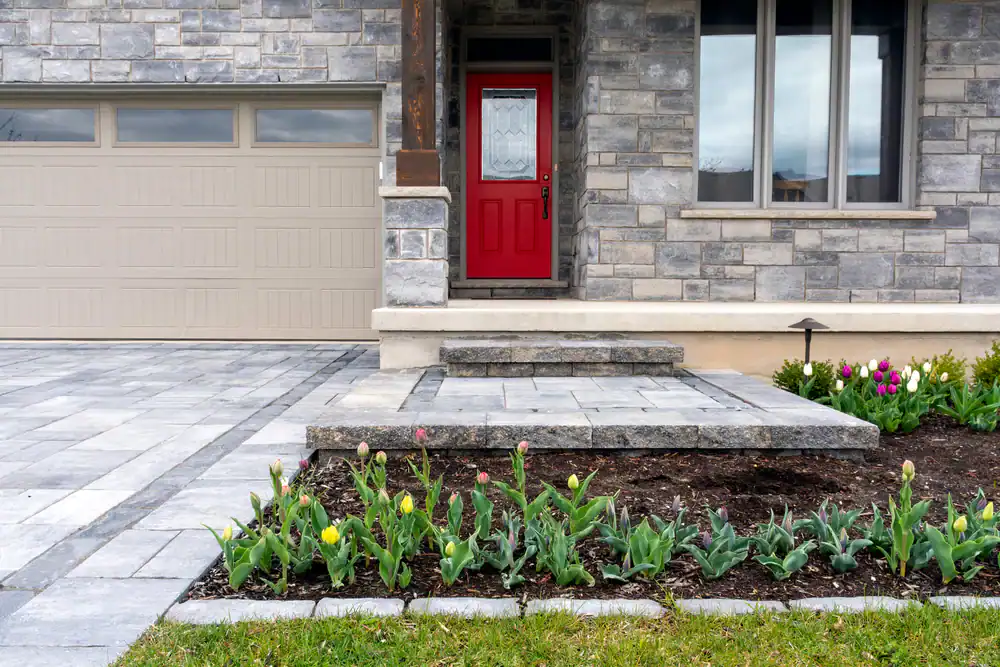
Most paver driveways in Wildwood run between $10 and $25 per square foot installed, depending on the paver type and site conditions. A standard two-car driveway (around 600 square feet) typically costs $6,000 to $15,000.
Basic concrete pavers sit at the lower end of that range. Travertine, porcelain, and premium designs cost more. Site prep affects price too—if we’re removing old concrete or dealing with drainage issues, that adds to the project cost.
The upfront cost is higher than concrete, but the lifetime value is better. Concrete cracks and needs replacement after 15-20 years in Florida’s climate. Pavers last 50+ years and let you replace individual pieces instead of the whole surface. Over 30 years, pavers usually cost less when you factor in repairs and replacement.
Yes, and they typically perform better than concrete during severe weather. The segmented design lets pavers shift slightly with ground movement instead of cracking under pressure. When hurricanes bring heavy rain and the ground saturates, pavers accommodate that movement.
Drainage is the bigger advantage. Water flows through the gaps between pavers and into the base layer instead of pooling on the surface. During the historic flooding Citrus County saw recently, properly installed paver driveways drained significantly faster than concrete or asphalt surfaces.
The interlocking structure also resists washout better than loose materials like gravel. Even if water flows across your driveway during a major storm, the pavers stay in place because they’re locked together with edge restraints and polymeric sand. We’ve seen paver driveways come through multiple hurricanes without damage while nearby concrete driveways cracked or washed out.
Most residential driveways take three to five days from excavation to completion. Day one is usually excavation and base prep. Days two and three involve base compaction, edge restraints, and bedding layer. Days four and five are paver installation, cutting, and final compaction.
Weather can extend the timeline. We don’t install during heavy rain because the base needs to compact properly. In Wildwood’s wet season, we might need to pause for a day if storms roll through.
You can drive on the driveway the same day we finish in most cases. There’s no curing period like with concrete. If we’re sealing the pavers (optional but recommended), you’ll need to stay off it for 24-48 hours after sealing. But the pavers themselves are ready for use immediately after installation.
Concrete pavers, travertine, and porcelain all work well in Florida, but each has specific advantages. Concrete pavers offer the most color and style options, and they’re the most cost-effective. They handle freeze-thaw cycles (rare but possible in Wildwood) and resist fading with proper sealing.
Travertine stays coolest underfoot because it doesn’t retain heat. If you walk barefoot to your car or have kids playing near the driveway, travertine makes a noticeable difference in summer. It’s naturally slip-resistant when wet, which matters during afternoon thunderstorms.
Porcelain pavers are non-porous, so they don’t absorb water or stain easily. They resist fading without sealing and clean easily. They’re more expensive upfront but require almost no maintenance. The modern, clean-line aesthetic appeals to homeowners who want a contemporary look.
All three materials last 50+ years in Florida when installed correctly. The choice comes down to budget, appearance, and how much heat resistance matters to you. We’ll show you samples and explain what works best for your specific situation.
Sealing isn’t required, but it extends the life of your pavers and makes maintenance easier. Sealer protects against stains from oil, rust, and organic matter. It also stabilizes the polymeric sand in the joints, which keeps pavers locked together and prevents weed growth.
In Florida’s humid climate, sealing helps prevent mold and mildew growth in the paver pores. It also enhances color and gives pavers a finished look—either a natural matte finish or a wet-look gloss, depending on the sealer type you choose.
Most pavers should be sealed 60-90 days after installation, then resealed every 2-3 years. Travertine and some porcelain pavers don’t require sealing, but concrete pavers benefit from it. We use Seal ‘n Lock products (we’re the exclusive distributor in Citrus County), which are specifically formulated for Florida’s climate and UV exposure.
Sometimes, but it depends on the condition of your concrete and drainage requirements. If your concrete is relatively level without major cracks or settling, we can install pavers over it as an overlay. This saves on excavation costs and shortens installation time.
The concrete needs to be structurally sound. If it’s badly cracked, settling, or has drainage problems, an overlay won’t fix those issues—it’ll just hide them temporarily. We’d rather remove the old concrete and install pavers properly than create a problem that shows up in two years.
Overlays also raise the driveway height by 2-3 inches, which can affect garage clearance, door thresholds, and drainage patterns. We need to make sure water still flows away from your home and doesn’t create new pooling issues. In many Wildwood properties where drainage is already a concern, full removal and proper base installation is the better long-term solution.
Useful Links
Other Services we provide in Wildwood