
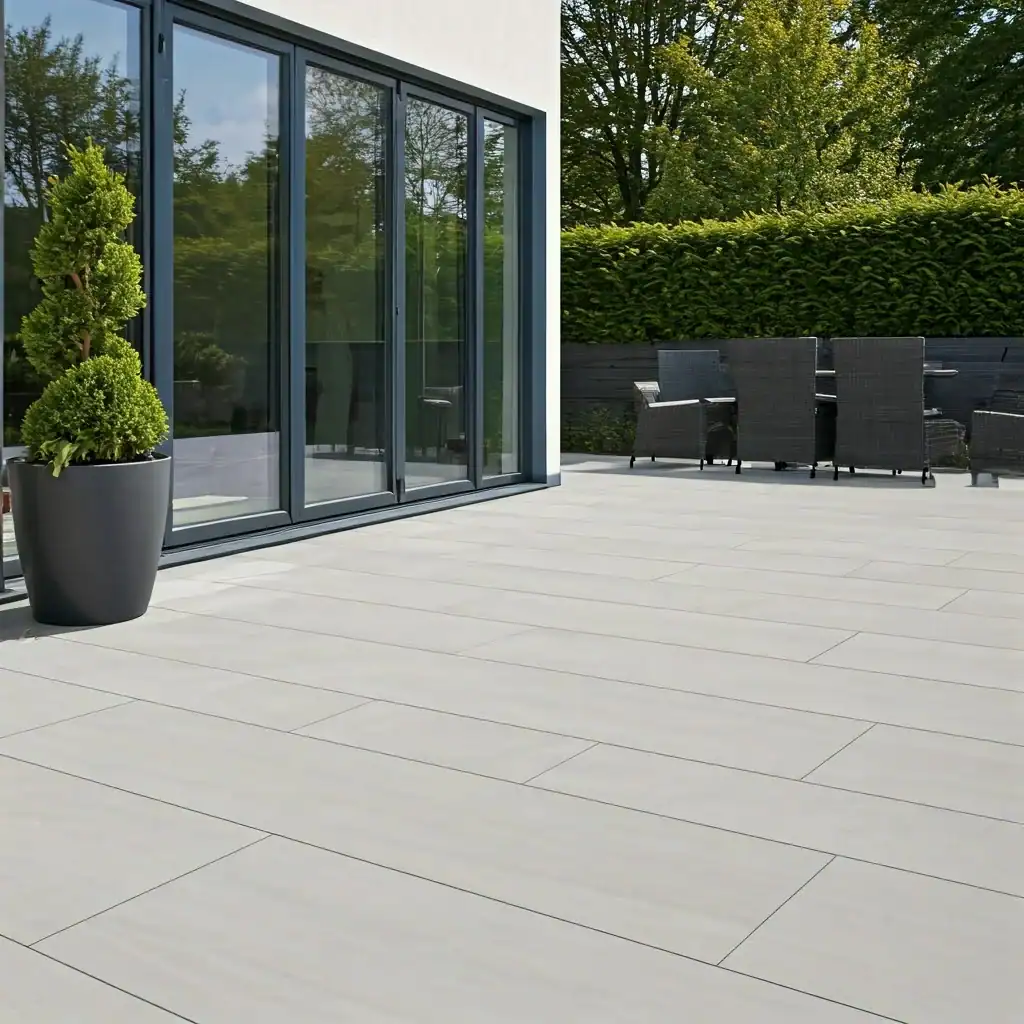
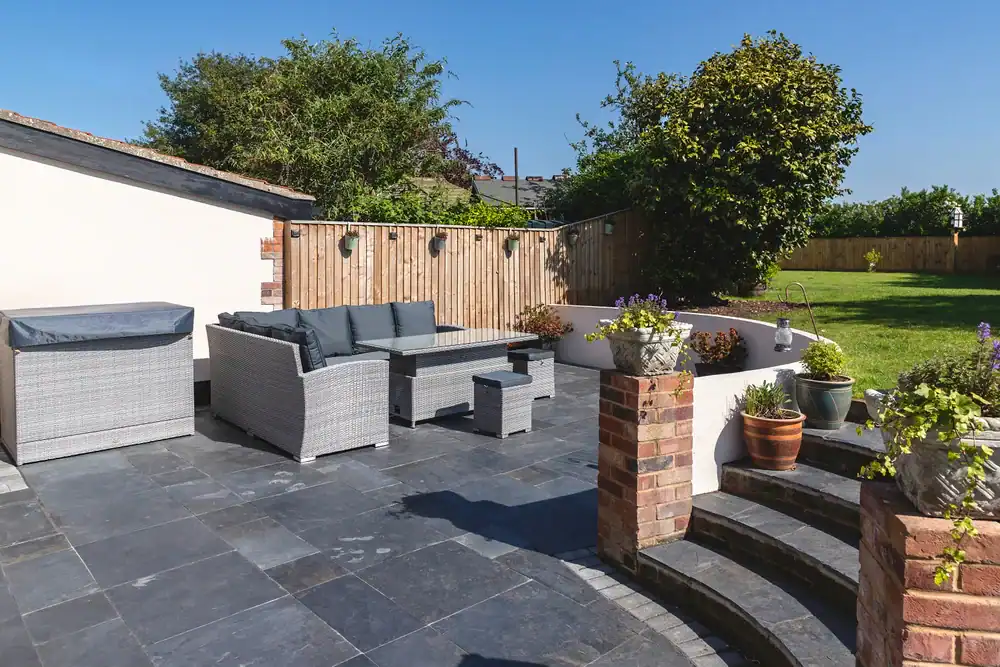
You’ve probably seen it happen. Heavy rain hits, and your concrete patio turns into a pond. Or worse, you notice cracks spreading across the surface just months after installation. That’s not a maintenance issue—that’s a design problem.
Patio pavers in Crystal River, FL handle drainage differently. Water moves between the individual pieces instead of pooling on top. The surface stays safer during wet weather, and you’re not dealing with standing water every time it storms.
The difference shows up in longevity too. While concrete slabs crack from soil movement and require complete replacement, pavers flex with the ground. If one piece ever needs attention, you replace that single paver—not the entire patio. Most installations we complete last 30 to 50 years, with natural stone options easily reaching 75 years or more.
You’re also looking at real property value. Homes with professionally installed paver patios see 30 to 50 percent better ROI when sold, with at least 75 percent return on the initial investment. That’s not just curb appeal—it’s functional outdoor space that buyers actually want.
We’ve been family-owned and operated since 1995, serving exclusively in Citrus County. We’re not a franchise or a crew that shows up from three counties over. We live here, work here, and have built our reputation one project at a time in this community.
We’re authorized contractors for Tremron, Flagstone, and Belgard—three of the top paver manufacturers in the industry. That means access to premium materials, manufacturer warranties, and installation standards that actually hold up. We’re also the exclusive Seal ‘n Lock distributor in Citrus County.
Our crews are state-licensed for irrigation work and certified for paver installation. We handle permits, drainage planning, and compliance with local codes. You’re working with one contractor from design through completion, not coordinating between multiple companies hoping everyone shows up on schedule.
We start with a site evaluation at your property. You’ll walk us through what you’re looking for, and we’ll assess drainage conditions, soil type, and any grading issues that need attention. This isn’t a quick glance—it’s where we catch problems before they become expensive surprises.
From there, we design the layout and select materials. You’ll see options for pavers that fit your style and budget, and we’ll explain what works best for Florida weather. We handle all permits and make sure the project meets local building codes in Crystal River, FL.
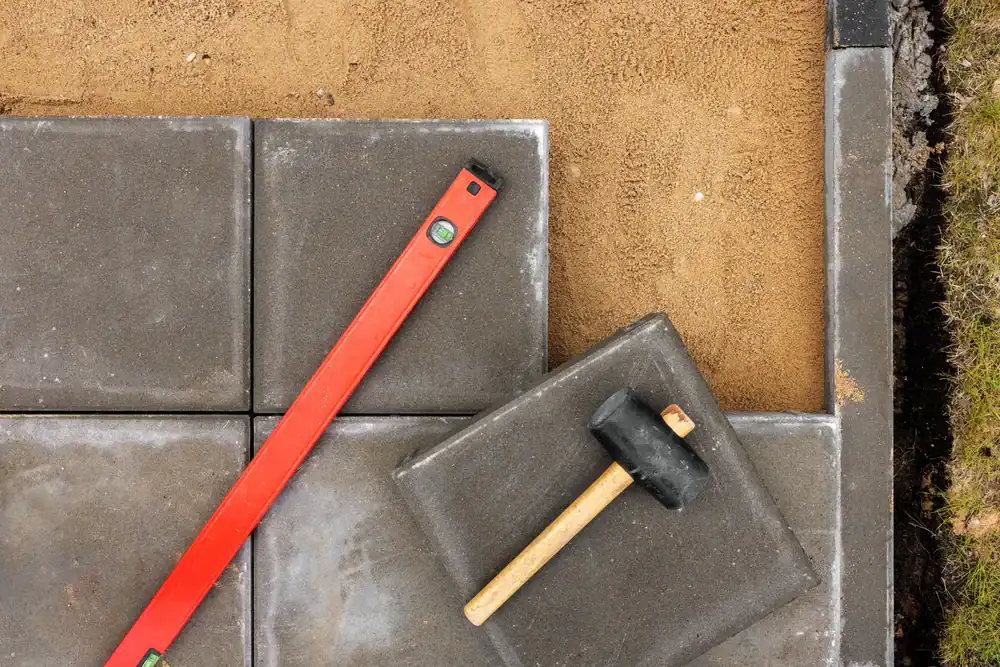
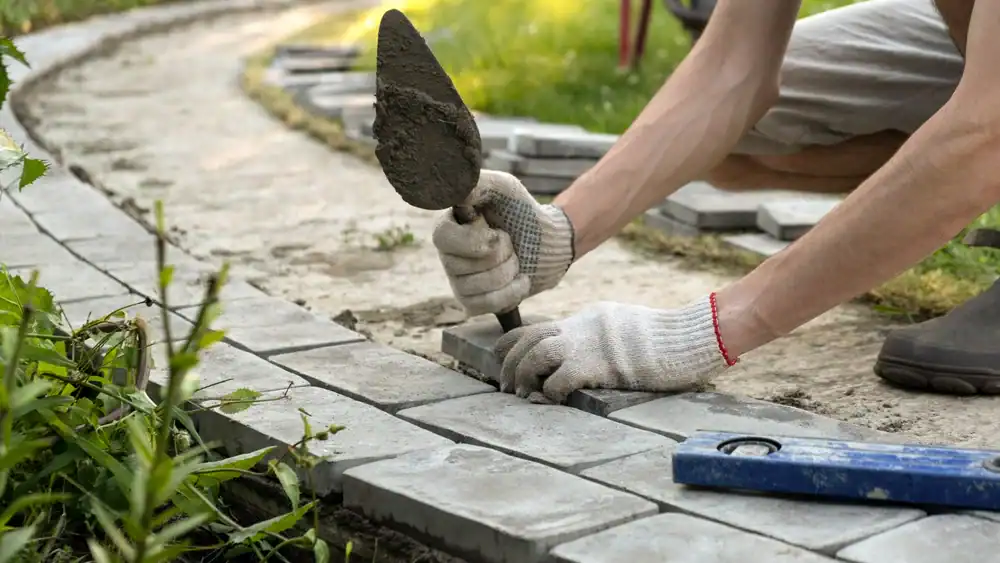
Installation begins with proper base preparation—this is the part that determines whether your patio lasts five years or fifty. We excavate to the right depth, install drainage systems where needed, and compact the base in layers. Then we set the pavers with correct spacing, cut edges for clean lines, and seal the surface.
The timeline depends on size and complexity, but most residential patio installations take one to two weeks from start to finish. You’ll know the schedule upfront, and we’ll keep you updated if weather delays anything.
Ready to get started?
You’re getting more than just pavers laid on sand. Professional installation in Crystal River means addressing Florida-specific challenges—drainage design for heavy rainfall, base preparation that accounts for sandy soil, and materials rated for heat and humidity.
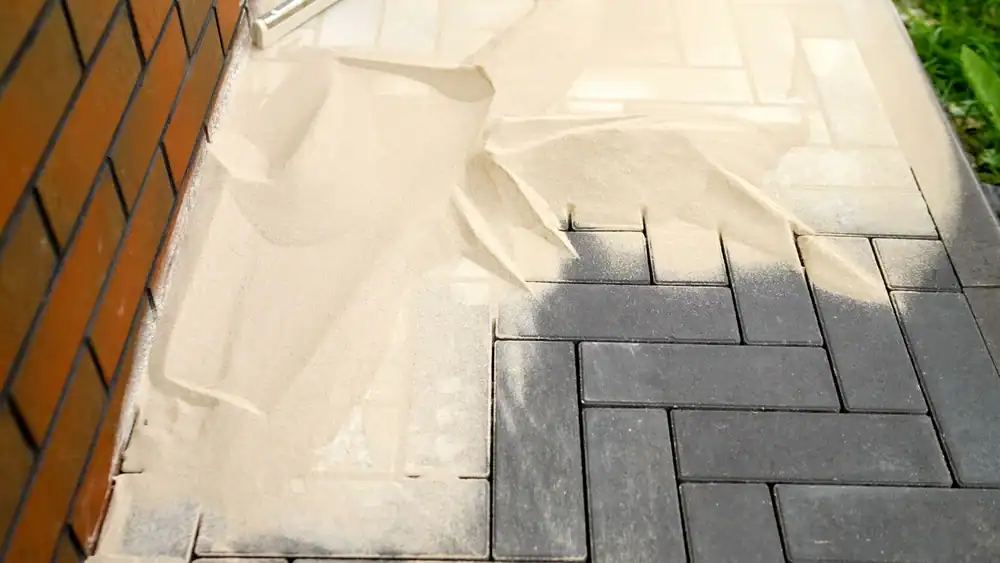
We include complete site prep with excavation, grading, and compacted base layers. Drainage solutions are built into the design, whether that’s proper slope, French drains, or channel systems. All edges get restraints to prevent shifting, and joints are filled with polymeric sand that resists washout and weed growth.
Material options cover the full range—Tremron pavers for bold colors and textures, Belgard for premium finishes, natural stone for timeless looks. Each option comes with different price points and longevity expectations, and we’ll walk you through what makes sense for your project.
Crystal River’s coastal location means salt air and high humidity. We factor that into material selection and sealing recommendations. The goal is a patio that looks sharp now and still performs well twenty years from now, without constant maintenance or early replacement.
Most residential patio projects in Crystal River run between $10 and $17 per square foot installed. A standard 20×20 patio typically costs $4,000 to $6,800, depending on material choice and site conditions.
That price includes excavation, base preparation, drainage work, paver installation, edge restraints, joint sand, and sealing. If your property has drainage issues, steep slopes, or requires significant grading, expect costs toward the higher end.
Premium materials like natural stone or high-end Belgard pavers push projects above $10,000 for larger designs. Standard concrete pavers with simpler patterns stay closer to the $10 per square foot range. We provide detailed estimates after seeing your property—there are too many variables to quote accurately over the phone.
Yes, and the difference is significant. Concrete slabs crack when the ground shifts—and in Florida, that’s not a matter of if, but when. Sandy soil, heavy rain, and root growth all cause movement that concrete can’t handle. Once a slab cracks, you’re looking at full replacement.
Pavers flex with ground movement instead of fighting it. Each piece can shift slightly without breaking, and the joints between pavers allow for natural expansion and contraction. That’s why properly installed paver patios last 30 to 50 years in Florida, while concrete slabs often crack within the first decade.
Drainage is the other major factor. Water pools on concrete and creates slip hazards. Pavers allow water to drain between the joints, so your patio dries faster after storms and stays safer during wet weather. In a place like Crystal River where afternoon thunderstorms are routine, that drainage difference matters.
Most residential patio installations take one to two weeks from start to finish. Smaller projects around 200 square feet might wrap up in a week. Larger or more complex designs with multiple levels, curves, or extensive drainage work can push closer to three weeks.
Weather plays a role in Florida. We can’t pour base material or set pavers during heavy rain, so summer thunderstorm season sometimes adds a few days to the schedule. We’ll give you a timeline upfront and keep you updated if anything changes.
The process breaks down into phases: excavation and base prep (2-3 days), drainage installation if needed (1-2 days), paver setting and cutting (2-4 days), and finishing with joint sand and sealing (1-2 days). We don’t rush the base work—that’s where most installation failures happen, and it’s not worth cutting corners to save a day.
Concrete pavers and natural stone both perform well in Crystal River’s climate, but they serve different priorities. Concrete pavers from Tremron or Belgard offer consistent sizing, wide color ranges, and lower cost. They’re rated for Florida sun exposure and won’t fade quickly like cheaper options. Expect 30 to 50 years of life with minimal maintenance.
Natural stone—travertine, flagstone, or bluestone—costs more upfront but lasts longer. These materials stay cooler underfoot during summer heat, which matters when you’re walking barefoot by the pool. Stone patios easily reach 75 years or more, and they develop character as they age instead of looking worn.
For coastal areas like Crystal River, slip resistance and salt air tolerance matter. Textured concrete pavers and most natural stones handle both well. We avoid smooth finishes that get slick when wet, and we recommend sealers that protect against salt air and humidity without trapping moisture underneath.
It depends on the size and scope of your project. Most residential patio installations in Crystal River require permits if they’re attached to the house, exceed certain square footage thresholds, or involve electrical work for lighting. Detached patios under 200 square feet sometimes get a pass, but rules change based on setbacks and drainage impact.
We handle permit applications as part of the installation process. That includes submitting site plans, drainage designs, and any engineering documents the county requires. Trying to skip permits might save a few hundred dollars upfront, but it creates major problems if you ever sell the house or if a neighbor reports unpermitted work.
Citrus County inspectors focus heavily on drainage and erosion control. They want to see that your patio won’t redirect water onto neighboring properties or create runoff issues. Proper permitting protects you legally and ensures the work meets code requirements that actually matter for long-term performance.
Yes, and that’s one of the biggest advantages over concrete. If a paver cracks or stains beyond cleaning, we remove just that piece and drop in a replacement. The repair takes an hour or two and costs a fraction of what you’d pay to fix damaged concrete.
The key is having extra pavers from the original installation stored away. Manufacturers sometimes discontinue colors or styles, so we always recommend keeping a box of spares. If you don’t have extras and need to match an older paver, we can usually source close matches or create a small accent pattern with a complementary color.
Most damage happens from heavy impacts—dropped grills, fallen tree limbs, or vehicles driving where they shouldn’t. Normal foot traffic and furniture won’t crack quality pavers. We’ve seen installations from the late 1990s that still look sharp with zero repairs, just routine cleaning and occasional re-sanding of joints.
Useful Links
Other Services we provide in Crystal River