
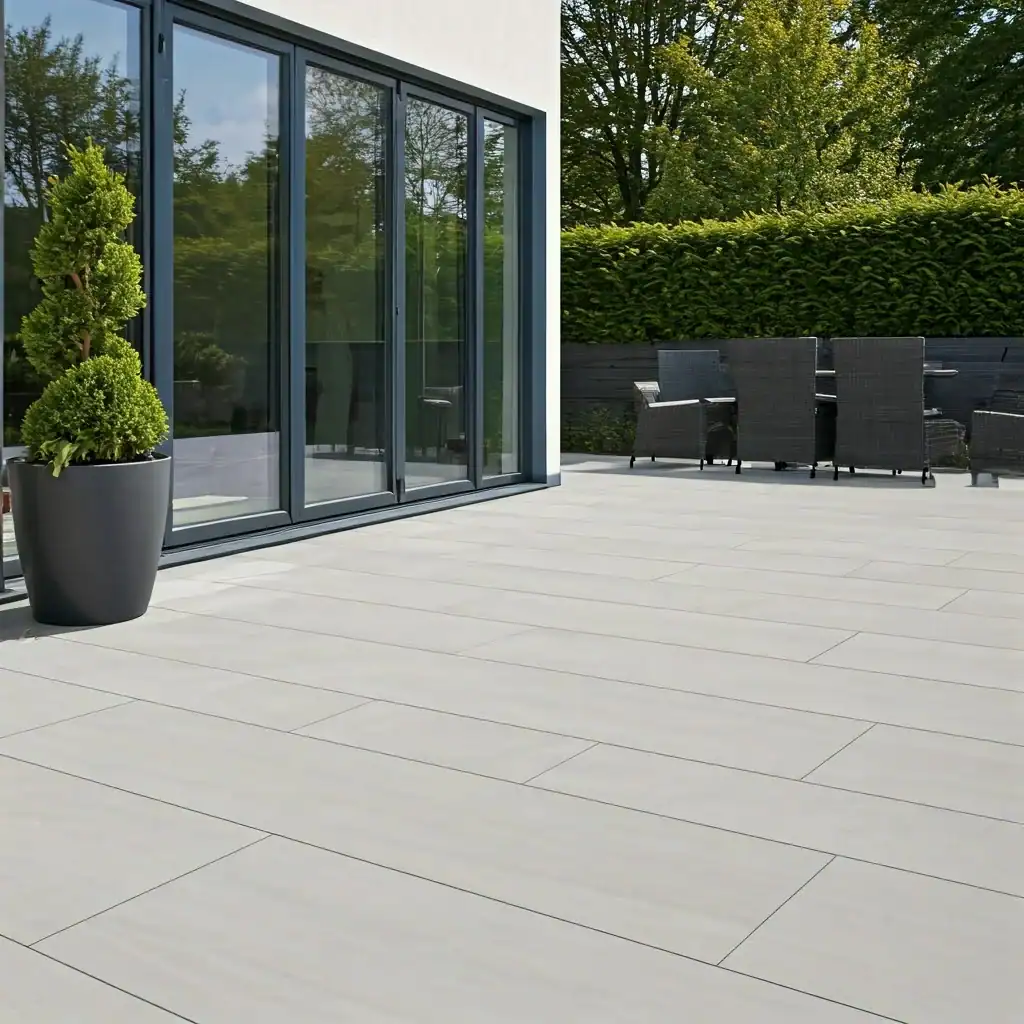
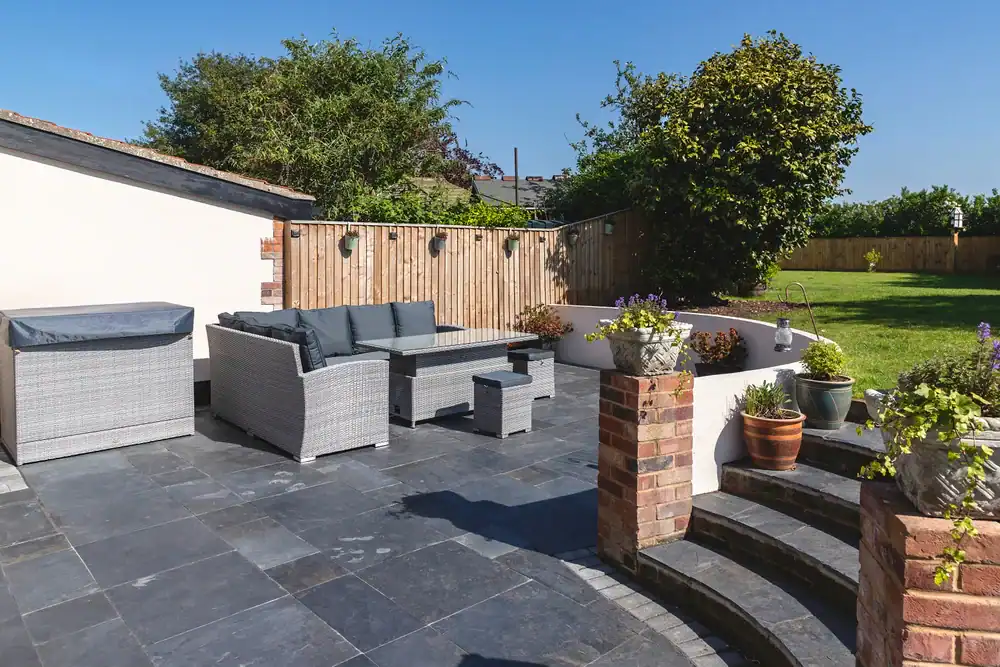
Your patio doesn’t crack when the ground shifts. Water drains properly after those afternoon storms instead of pooling on the surface. The pavers stay cooler underfoot than concrete ever did, even in July.
You’re not calling someone back in three years to fix settling issues. Tree roots don’t push through and destroy everything you paid for. Your outdoor space actually adds value to your property instead of becoming another maintenance headache.
Most concrete patios in Homosassa start showing problems within five years. Pavers flex with ground movement, handle Florida’s drainage demands, and give you something you can repair in sections if you ever need to. That’s the difference between a weekend project that looks good in photos and an investment that works for decades.
We’ve been family-owned and operating in Homosassa since 1995. We’ve installed paver patios through hurricanes, housing booms, and everything in between.
We’re authorized contractors for Tremron, Belgard, and Flagstone. That’s not just a badge—it means we’ve been trained on proper installation methods and we’re accountable to manufacturers who back their products. We’re also the exclusive Seal ‘n Lock distributor in Citrus County.
You’ll find us helping with hurricane cleanup, supporting Toys for Tots, and offering discounts to military and first responders. We’re not just working in Homosassa—we live here, and we’re building a business our kids can be proud of.
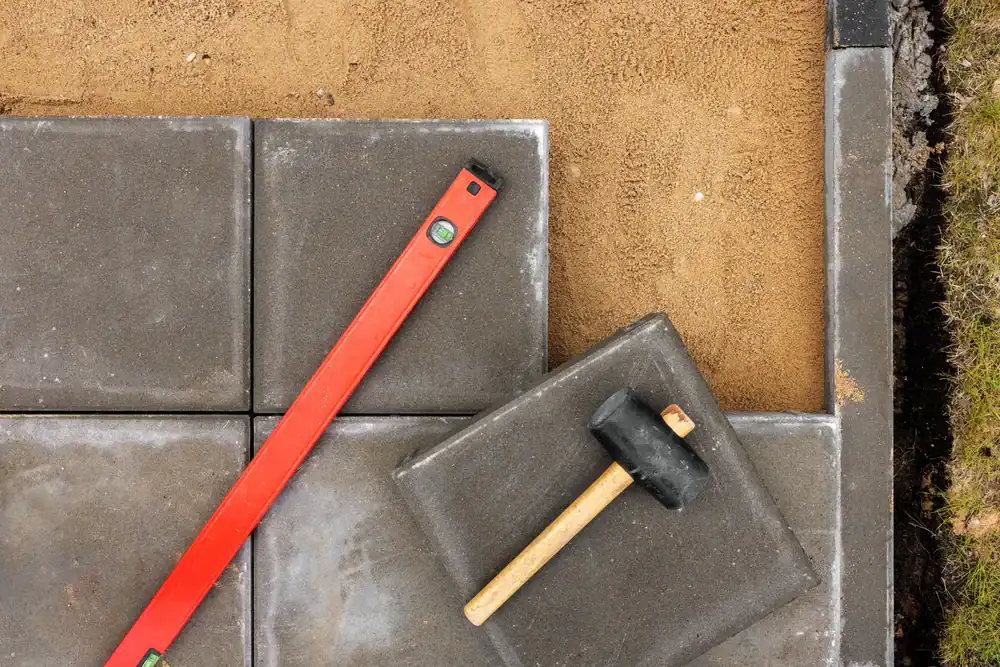
First, we excavate to the right depth—usually 8 to 10 inches depending on your soil and what you’re building. Homosassa’s sandy soil shifts, so the base matters more than the pavers themselves.
We install the proper base materials in layers, compacting as we go. This isn’t just dumping gravel and hoping for the best. Each layer gets compacted to specific standards so your patio doesn’t settle unevenly in six months.
Then we handle drainage. Florida gets intense rainfall, and if water doesn’t move away from your patio properly, you’ll have problems. We grade everything so water flows where it should.
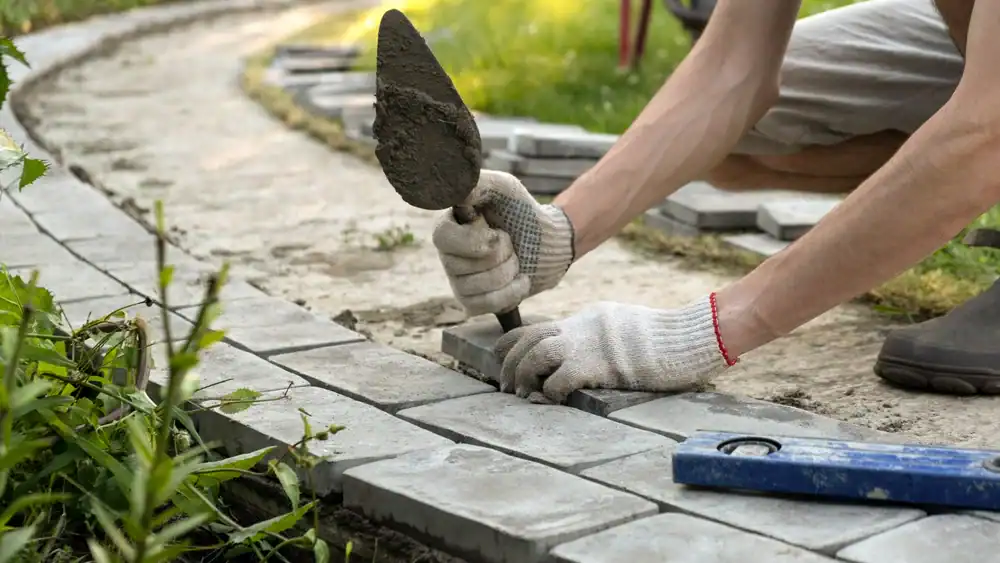
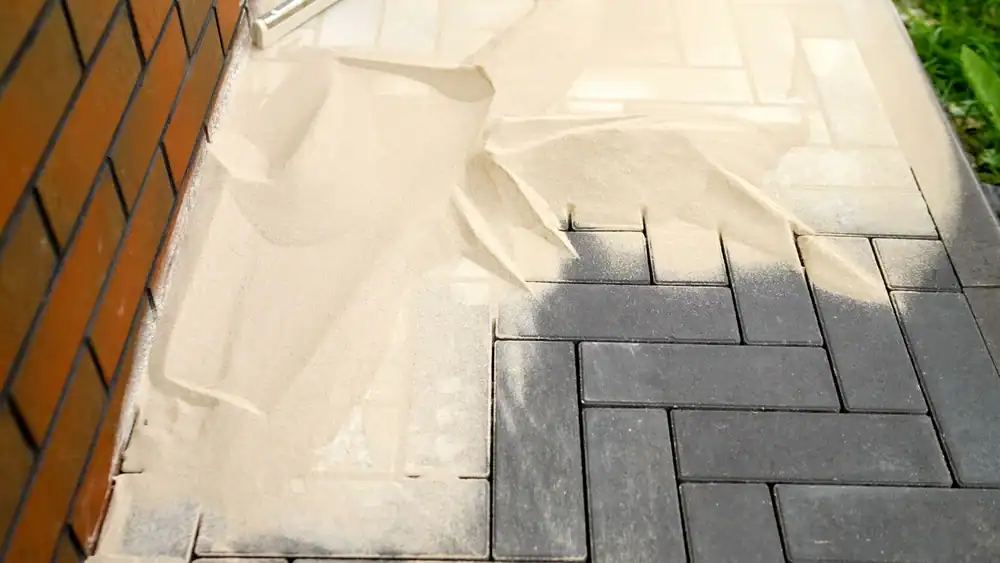
After that, we lay the pavers with proper edge restraints and joint sand. The whole process typically takes two to three weeks from start to finish, and we clean up daily so you’re not living in a construction zone longer than necessary.
Ready to get started?
You’re getting pavers that are built for Florida’s climate. Tremron, Belgard, and Flagstone products are designed to handle UV exposure, heavy rain, and temperature swings without fading or cracking like cheaper alternatives.
Most paver patios in Homosassa don’t require permits, which keeps your timeline predictable and costs from ballooning. A typical 280-square-foot patio runs between $2,400 and $7,000 depending on materials and site conditions. That’s a significant investment, but you’re looking at an 80% ROI compared to 60-70% for concrete.
Your property value in Homosassa Springs (where the median home value is around $350,400) can increase by $10,000 or more with professional landscaping. But more importantly, you’re reclaiming outdoor space that actually works for entertaining, relaxing, or just sitting outside without worrying about the surface crumbling under your furniture.
We also handle the sealing with Seal ‘n Lock, which protects against stains, weeds, and fading. That’s not an upsell—it’s how you protect what you just paid for.
Concrete doesn’t last the same way in Homosassa. You’re dealing with sandy soil that shifts, tree roots that grow, and ground movement from moisture changes. Concrete cracks when that happens, and there’s no good way to fix it—you’re tearing out sections or living with an eyesore.
Pavers flex with ground movement. If you do have settling in one area, you pull up those pavers, adjust the base, and put them back. You’re not jackhammering and starting over.
The cost difference up front is real, but you’re comparing a 15-year lifespan with guaranteed cracking to a 25-plus-year lifespan with repairable sections. The ROI is also higher—80% for pavers versus 60-70% for concrete when you sell. You’re paying more because you’re getting something that actually handles Florida’s conditions instead of fighting them.
Most patio installations take two to three weeks from the day we start excavation to the day you can use it. That timeline assumes normal conditions—no surprises underground, no extended rain delays, and a straightforward site.
The excavation and base work take the longest because that’s where quality is built. We’re not rushing through compaction or skipping steps to shave off a few days. If your base isn’t right, nothing else matters.
Weather can add time. If we get a solid week of rain (which happens in Florida), we’re not working in mud and compromising the base. You’d rather wait a few extra days than have settling issues in six months. We clean up daily, so even though the project takes a couple weeks, you’re not living in total chaos the entire time.
Tree roots destroy concrete patios because the concrete can’t move—it just cracks and lifts. With pavers, you have options.
If roots start pushing up a section, we can remove those pavers, address the root issue (either trimming or installing a root barrier), adjust the base if needed, and reinstall the same pavers. You’re fixing one section, not replacing the entire patio.
This is one of the biggest advantages of pavers in Homosassa where mature trees are common. You’re not choosing between keeping your trees and having a functional patio. The repair is straightforward, and because pavers are individual units, you’re not dealing with structural integrity issues like you would with a cracked concrete slab.
Yes, you should seal your pavers, especially in Florida. Sealing protects against UV fading, prevents stains from organic material and spills, and inhibits weed growth in the joints.
We use Seal ‘n Lock, and we’re the exclusive distributor in Citrus County. It’s a penetrating sealer that doesn’t create a slippery surface like some topical sealers do—important when your patio gets wet from rain or pool water.
You’ll want to reseal every two to three years depending on sun exposure and traffic. It’s not complicated—the surface needs to be clean and dry, and application takes a few hours for most patios. Skipping this step means you’re leaving your investment unprotected against Florida’s intense UV and constant moisture. The pavers themselves will last, but they’ll fade and stain faster without protection.
Pavers have joints between each unit where water can escape. Even with polymeric sand in those joints, you’re allowing some water movement instead of creating a solid surface where everything runs off or pools.
We also install pavers with proper grading and base preparation that accounts for Homosassa’s drainage challenges. The base itself is designed to let water percolate through instead of trapping it under the surface where it causes problems.
Concrete is one solid slab. When water can’t drain properly, it sits on the surface (creating slip hazards and algae growth) or finds its way underneath (causing settling and cracking). With pavers, we’re building drainage into the system from the ground up. That matters in an area where afternoon storms dump inches of rain in an hour and you have high water tables to deal with.
A proper paver patio installation in Homosassa runs $7 to $10 per square foot depending on materials. Cheap concrete might come in at $4 to $6 per square foot. So on a 300-square-foot patio, you’re looking at $1,200 to $1,800 for concrete versus $2,100 to $3,000 for basic pavers or more for premium options.
Here’s what you get for that difference: proper excavation depth, correct base materials installed in compacted layers, drainage that actually works, pavers that won’t crack, and a surface you can repair in sections if needed. Cheap installations skip steps—shallow excavation, inadequate base, poor compaction, no attention to drainage.
You’ll pay to fix those shortcuts within three to five years. Either you’re living with a cracked, settling patio that looks terrible and hurts your property value, or you’re paying someone to tear it out and start over. The “expensive” option is actually cheaper when you’re not replacing it before you sell your house.
Useful Links
Other Services we provide in Homosassa