
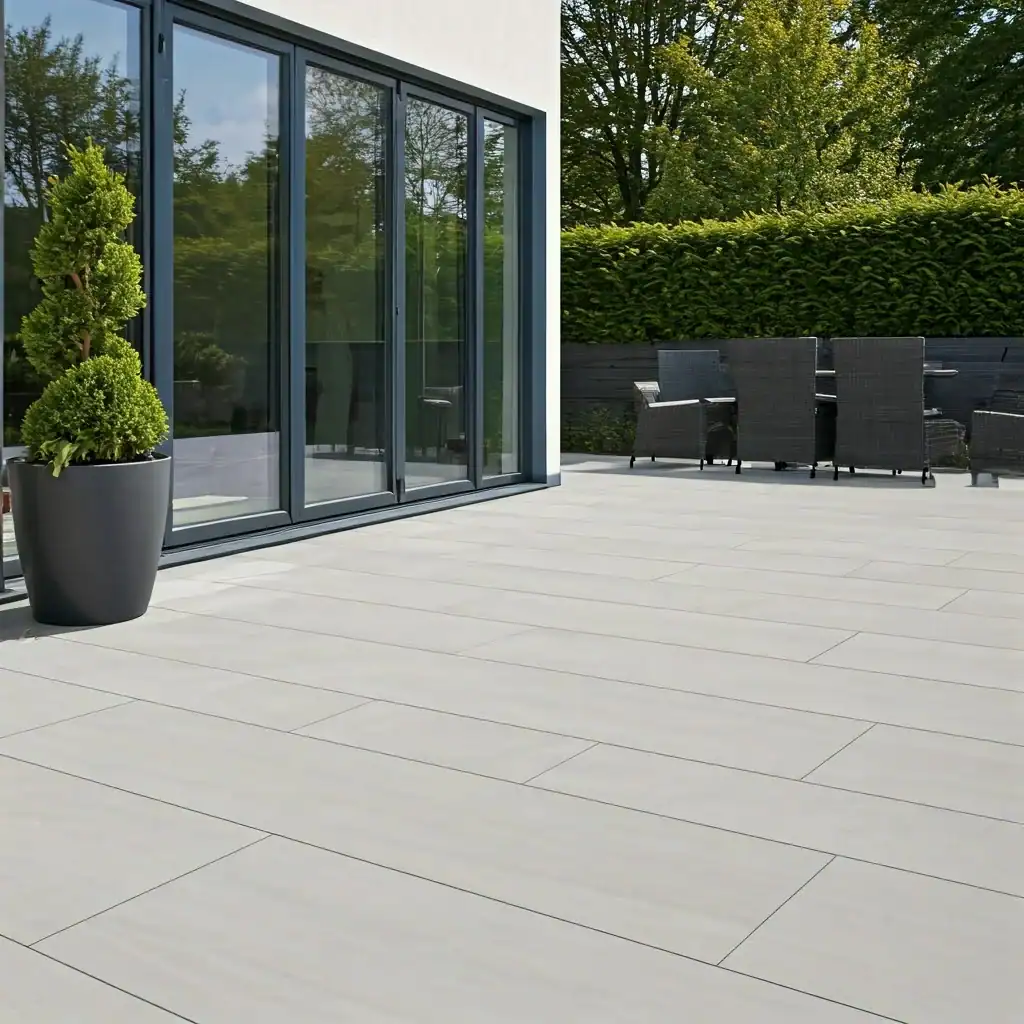
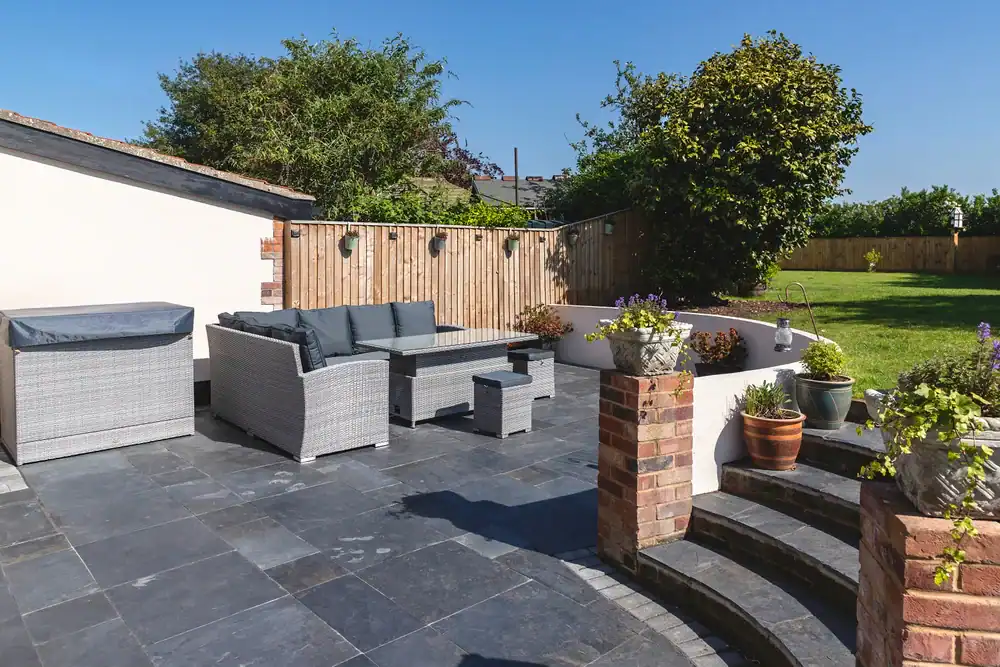
Your patio should be where you relax, not what stresses you out. When it’s done right, you get a surface that drains properly during afternoon thunderstorms, stays level through sandy soil shifts, and looks good without constant upkeep.
The difference comes down to installation. Proper base prep, correct slope for drainage, and pavers designed for Central Florida’s heat and humidity mean you’re not dealing with puddles, weeds pushing through joints, or uneven surfaces that become trip hazards.
You’re looking at a space that adds real value to your property while giving you somewhere comfortable to spend time outside. That’s what happens when the foundation is solid and the materials are built for this climate.
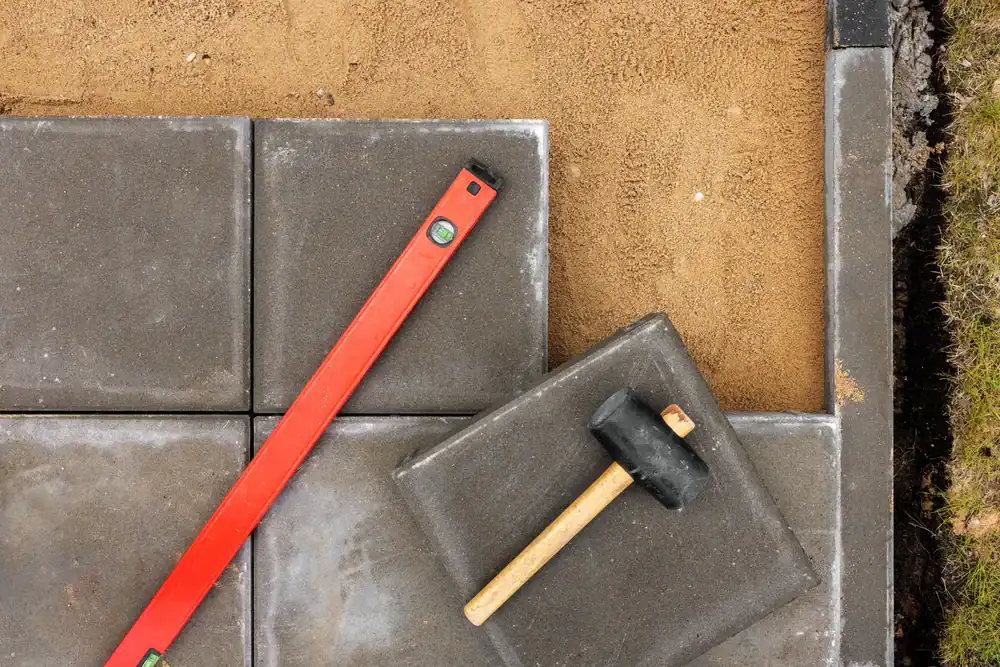
First, we assess your space, drainage patterns, and what you’re trying to accomplish. Florida’s sandy soil is actually ideal for pavers, but only if the base is prepared correctly and water has somewhere to go.
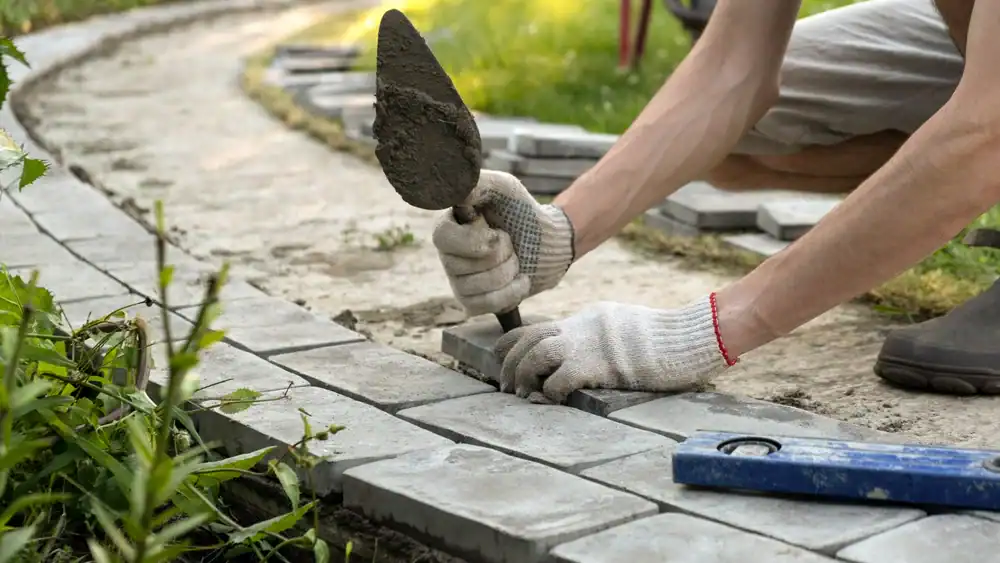
We excavate to the right depth, create proper slope (typically a quarter-inch decline per linear foot away from your home), and build a stable base. This is where most problems start if it’s rushed or skipped. Then we install your pavers with tight joints and proper edge restraints so nothing shifts over time.
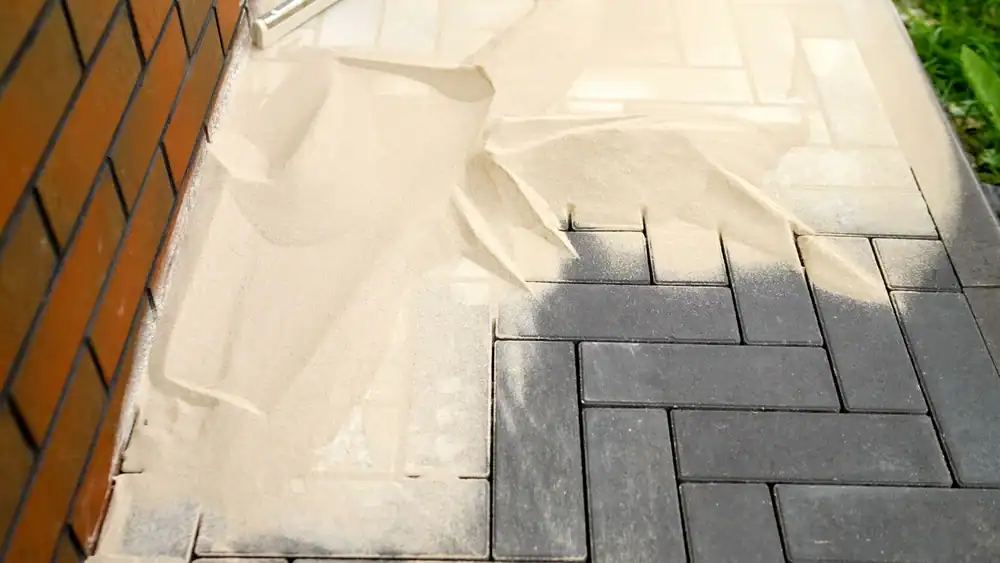
After installation, we apply polymeric sand to lock pavers in place and prevent weed growth. If you want long-term protection from UV fading and weather damage, we seal the surface with premium products. The whole process is designed around one thing: making sure your patio performs exactly how you need it to, year after year.
Ready to get started?
You’re getting pavers that can handle Inverness Highlands North’s afternoon downpours without turning your patio into a lake. Proper drainage solutions are built into every installation because Central Florida gets an average of 50+ inches of rain annually. Your patio needs to move that water away from your foundation fast.
The pavers themselves resist cracking and fading from UV exposure far better than poured concrete. If one ever gets damaged or stained, you can replace just that paver instead of tearing up the whole surface. That’s a real advantage when you’re looking at 10, 15, 20 years down the road.
We install with attention to the details that matter: level surfaces, clean lines, and joints that stay tight. You also get access to multiple design options, colors, and patterns that work with your home’s style. And because we’re authorized contractors for top manufacturers, your installation comes with real warranty backing, not just our word.
Most patio paver installations in Inverness Highlands North run between $10 and $25 per square foot, depending on the paver type, site conditions, and design complexity. A standard 12×12 patio typically falls in the $1,440 to $3,600 range, while larger or more intricate designs cost more.
What drives the price is what’s underneath. Proper base preparation, drainage solutions, and edge restraints aren’t optional if you want pavers that last. Cheaper installations skip these steps, which is why you see patios failing within a few years.
You’re also paying for materials built for Florida’s climate. Premium pavers from manufacturers like Tremron, Belgard, or Flagstone cost more upfront but resist fading, cracking, and weather damage far better than budget options. Most homeowners recoup 50-75% of their investment in resale value, so you’re not just spending, you’re adding equity to your property.
Most patio paver installations take between three to seven days, depending on size, design complexity, and weather. A straightforward 200-square-foot patio usually wraps up in three to four days. Larger projects with custom patterns, curves, or additional features like fire pits or seating walls take longer.
Florida’s afternoon thunderstorms can cause delays, especially during summer months. We don’t rush through rain because wet base material compromises the entire installation. It’s better to pause and let things dry than to push forward and create drainage or settling problems later.
The timeline includes excavation, base prep, paver installation, joint sanding, and sealing if you choose that option. We’ll give you a realistic schedule upfront and keep you updated if weather or site conditions change the plan. The goal is doing it right, not doing it fast.
Concrete pavers and clay brick pavers both perform well in Florida, but concrete pavers are more popular because they offer better color options, design flexibility, and UV resistance. Manufacturers like Tremron, Belgard, and Flagstone engineer their pavers specifically for high heat, humidity, and heavy rainfall.
The key is choosing pavers with proper density and finish. Denser pavers resist moisture absorption, which prevents cracking during temperature swings. Textured or tumbled finishes hide fading better than smooth surfaces and provide better traction when wet, which matters during Florida’s frequent rain.
Avoid cheap pavers that aren’t rated for outdoor use or extreme weather. They fade fast under UV exposure and can crack or spall when water gets into the material and expands. You want pavers designed and tested for climates like ours, backed by manufacturer warranties that actually mean something.
Sealing isn’t required, but it significantly extends the life and appearance of your patio. Florida’s intense UV rays fade unsealed pavers over time, and heavy rains wash out joint sand, allowing weeds and dirt to settle between pavers. Sealing protects against both.
A quality sealer creates a barrier that resists staining from spills, reduces color fading, and hardens the joint sand to prevent weed growth and insect infiltration. It also makes cleaning easier since dirt and grime sit on the surface instead of absorbing into the paver.
Most sealers need reapplication every two to four years depending on traffic and sun exposure. We use Seal ‘n Lock products, which are designed specifically for Florida conditions and provide long-lasting protection without creating slippery surfaces. If you want your patio looking good with minimal maintenance, sealing is worth it.
Properly installed pavers on a correctly prepared base won’t sink or shift. The problem happens when contractors cut corners on excavation depth, base material, or edge restraints. That’s when you see pavers spreading apart, dipping in spots, or creating uneven surfaces.
Inverness Highlands North’s sandy soil is actually ideal for paver installations because it drains naturally and compacts well. But the base still needs proper depth (typically 4-6 inches of compacted material) and correct slope for water runoff. Edge restraints keep pavers locked in place so they can’t creep outward under foot traffic or weather exposure.
We compact the base in layers and install commercial-grade edge restraints on every project. The pavers are set tight with polymeric sand in the joints, which hardens and prevents movement. When it’s done right, your patio stays level and stable for decades. The installations we did 20+ years ago are still solid because the foundation was built correctly from day one.
Yes, if the existing concrete is in good condition, level, and has proper drainage. Installing pavers over concrete (called an overlay) can save on excavation costs and speed up the project. But if your concrete is cracked, uneven, or holds water, an overlay won’t fix those problems and may make them worse.
We assess the existing slab first. If it’s structurally sound with minor cosmetic issues, we can install a thin paver system directly on top. If there are drainage problems, significant cracking, or settling, we recommend removing the concrete and starting fresh. Trying to cover up bad concrete just transfers those problems to your new patio.
An overlay works well when you want to update the look without a full demo, but it’s not the right solution for every situation. We’ll tell you honestly whether your concrete is a good candidate or if you’re better off with a complete removal and proper base installation.
Useful Links
Other Services we provide in Inverness Highlands North