
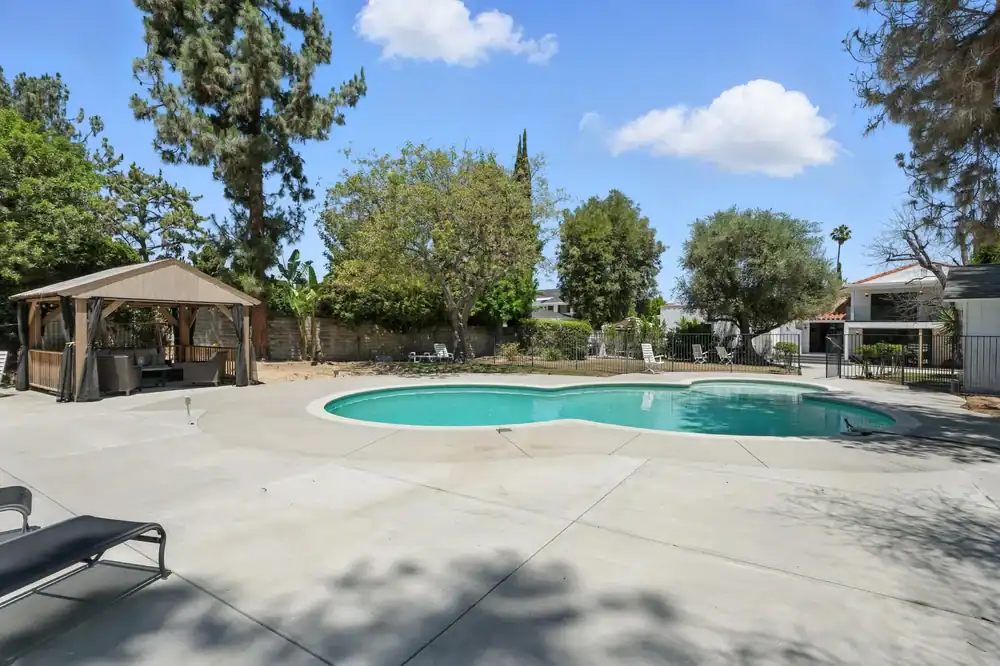
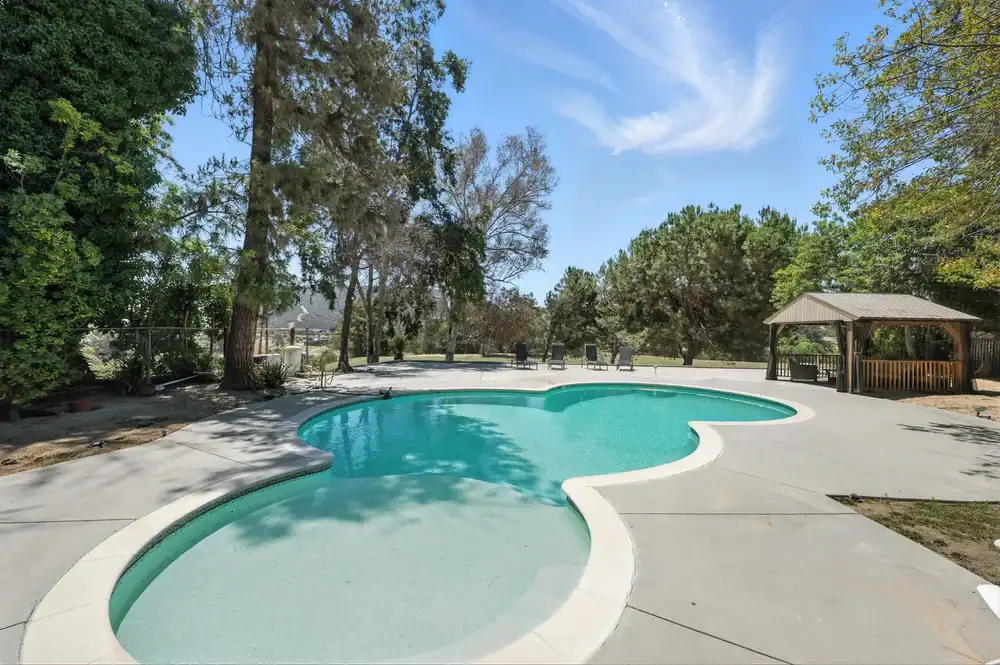
Standard concrete around your pool gets scorching hot. You’ve probably felt it—surface temperatures that make it impossible to walk barefoot during summer afternoons. That’s not just uncomfortable, it limits when you can actually use your pool area.
Pool pavers in Inverness Highlands North solve that problem. Travertine and light-colored pavers stay 20-30 degrees cooler than concrete, which means your pool deck is usable all day, even in July. The porous surface also drains faster, so you’re not dealing with puddles after Florida’s afternoon storms.
The real difference shows up over time. Concrete cracks and settles because of our sandy soils and temperature swings. When that happens, you’re looking at replacing entire sections. With pavers, individual pieces can be lifted and replaced without touching the rest of your deck. That’s the kind of practical advantage that saves you money and headaches down the road.
We’ve been installing swimming pool deck pavers in Inverness Highlands North since 1995. That’s nearly three decades of working with Citrus County’s specific challenges—the sandy soil, the heavy rains, the heat that tests every outdoor surface.
We’re Authorized Contractors for Tremron, Flagstone, and Belgard, which means access to premium materials and manufacturer-backed warranties. We’re also the exclusive Seal ‘n Lock distributor in Citrus County, so the sealing technology we use isn’t available from other local contractors.
This is a family-owned business. We’re not a franchise or a crew that moves from county to county. We live here, our kids go to school here, and we’ve built a reputation on work that lasts because we’ll still be here if something needs attention years from now.
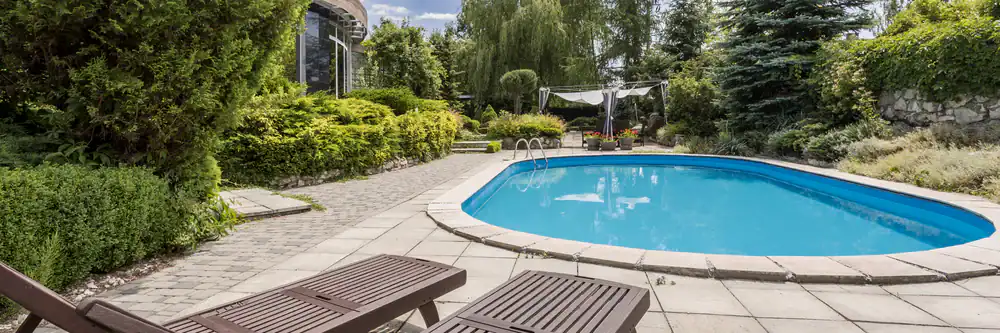
Pool paver installation in Inverness Highlands North starts with excavation. We remove existing material and prepare the base properly—this step determines whether your deck stays level or starts settling within a year. Most of our projects take 4-6 days because we don’t rush the base preparation.
Next comes the base material itself. We use the right depth and compaction for Florida’s soil conditions. This isn’t the same process you’d use in other states. Our sandy soil and drainage patterns require specific techniques that only come from years of local experience.
Then we set the pavers. Each piece gets placed with precise spacing for drainage and expansion. The final step is sealing, which protects against pool chemicals, UV damage, and moisture penetration. That sealing step makes the difference between a deck that looks new after five years versus one that needs replacement.
You’ll know exactly what to expect before we start. We walk through the timeline, the materials we’re using, and what your yard will look like during the process. No surprises, no guesswork.
Ready to get started?
You’re looking at $12-$25 per square foot for professional pool paver installation in Inverness Highlands North, depending on the material and the size of your deck. That’s higher than basic concrete, but here’s why it matters: pavers provide a 69% return on investment, and they last significantly longer without the maintenance headaches.
Heat resistance is the first thing you’ll notice. Travertine stays cool enough to walk on barefoot even during the hottest part of the day. If you have kids or grandkids using the pool, that’s not just comfort—it’s safety.
Slip resistance comes next. The textured surface of pool pavers provides traction even when wet, which matters in an area that’s constantly exposed to splash-over and humidity. We also seal every installation with professional-grade products that enhance this slip resistance while protecting the pavers from pool chemicals and Florida’s UV exposure.
Citrus County’s weather tests every outdoor surface. The combination of intense sun, heavy seasonal rains, and our sandy soil means your pool deck needs to handle expansion, contraction, and drainage without failing. Pavers are designed for exactly these conditions—each piece can move independently without cracking, and the gaps between them allow water to drain instead of pooling on the surface.
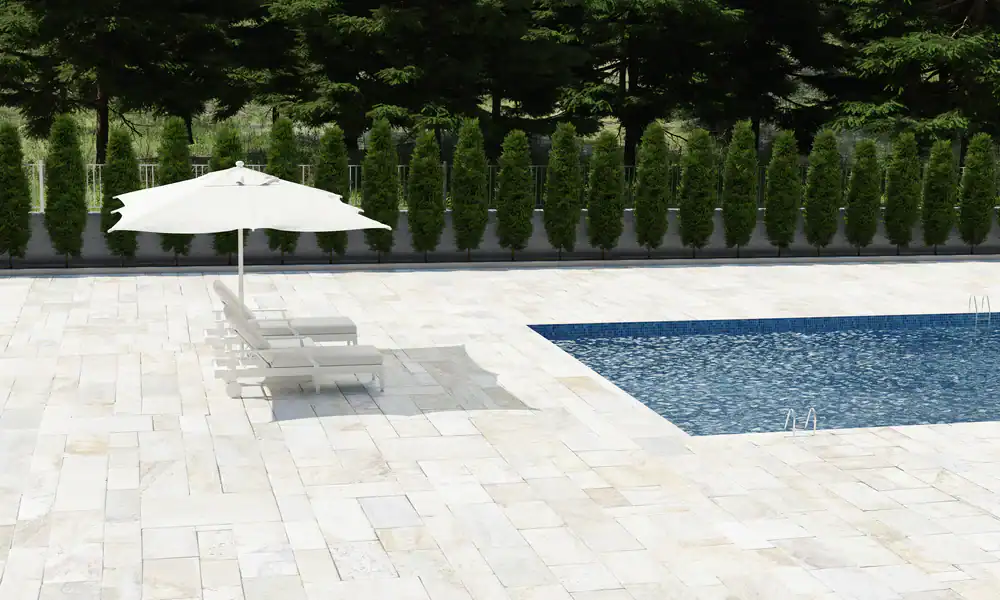
Most pool deck paver installations take 4-6 days from start to finish. That timeline includes excavation, base preparation, paver placement, and final sealing. If a contractor tells you they can complete a substantial pool deck in one or two days, they’re cutting corners—usually on base preparation, which is the most important part of the job.
The base determines everything. Rush that step, and you’ll see settling, cracked pavers, and drainage problems within a year or two. We take the time to excavate to the proper depth, install the right base materials for Florida’s sandy soil, and compact everything correctly before we ever set the first paver.
Weather can extend the timeline slightly. Heavy rain during base preparation means we wait for proper drying before moving forward. That’s not a delay—it’s doing the job right so your deck performs the way it should for decades.
Travertine is the top choice for pool decks in Florida because it stays significantly cooler than other materials. Light-colored travertine can be 20-30 degrees cooler than concrete or darker pavers, which makes a real difference when you’re walking barefoot in July. The porous nature of travertine also helps with drainage—water doesn’t sit on the surface after rain or splash-over.
Concrete pavers are another solid option if you want more color choices or a specific design pattern. The key is choosing lighter colors and textured surfaces for heat reflection and slip resistance. We work with Tremron, Belgard, and Flagstone products because they’re manufactured specifically for Florida’s climate and backed by solid warranties.
The material is only part of the equation. Proper installation and sealing matter just as much. We seal every pool deck with professional-grade products that protect against pool chemicals, UV damage, and moisture penetration. That sealing step is what keeps your pavers looking new and performing well year after year, regardless of which material you choose.
Pool paver installation in Citrus County typically runs $12-$25 per square foot, which translates to $5,000-$20,000 for most residential pool decks. The final cost depends on the size of your deck, the material you choose, and any custom design work or special features you want included.
Travertine sits at the higher end of that range, but it offers the best heat resistance and natural drainage. Concrete pavers cost less while still providing durability and design flexibility. Both options significantly outlast standard concrete when installed properly, and both can be repaired by replacing individual pavers instead of tearing out entire sections.
The investment makes sense when you look at longevity and maintenance. Pavers provide a 69% return on investment according to industry data, and they handle Florida’s weather extremes better than alternatives. You’re also avoiding the cracking and settling issues that plague concrete pool decks in our area, which means fewer repairs and no need for full replacement after just 10-15 years.
Individual pavers can crack if they’re low quality or improperly installed, but a well-built pool deck using premium pavers handles Florida’s weather better than poured concrete. The key difference is how the materials respond to our temperature swings and ground movement.
Concrete expands and contracts as a single slab, which creates stress points that turn into cracks—especially in Citrus County’s sandy soil. Pavers move independently, so expansion and contraction happen at the joints between pieces instead of fracturing the material itself. That’s why you see so many cracked concrete pool decks but relatively few damaged paver installations.
Proper installation prevents most problems. The base needs to be deep enough and compacted correctly for our soil conditions. The pavers need to be set with appropriate spacing for drainage and movement. And the final sealing step protects against moisture penetration and UV damage. When all three elements are done right, your pool deck pavers will outlast concrete by a significant margin, even with Florida’s intense sun and heavy seasonal rains.
Pool paver maintenance is straightforward. Regular sweeping or blowing keeps debris from settling in the joints. Occasional rinsing with a garden hose handles most dirt and organic material. For tougher stains, a mild soap and water solution works fine—avoid harsh chemicals that can damage the sealer.
Resealing is the most important maintenance task. Depending on the sealer type and your pool’s chemical levels, you’ll need to reseal every 2-4 years. This protects the pavers from pool chemicals, prevents moisture penetration, and maintains the slip-resistant surface texture. As the exclusive Seal ‘n Lock distributor in Citrus County, we handle resealing for our clients and can assess when your deck actually needs it rather than following an arbitrary schedule.
Joint sand may need replenishment over time, especially after heavy rains. The sand between pavers helps lock them in place and prevents shifting. Adding sand is a simple process, but it needs to be done correctly—overfilling can cause problems, and using the wrong sand type won’t provide proper stabilization. We can handle this during routine maintenance visits or walk you through the process if you prefer to manage it yourself.
Yes, and it’s one of the most common projects we handle in Inverness Highlands North. Replacing a cracked or deteriorating concrete pool deck with pavers gives you a better-performing surface that addresses the problems that caused your concrete to fail in the first place.
The process starts with removing the existing concrete. We excavate down to stable soil, then build a proper base using materials and techniques specific to Citrus County’s conditions. This is your opportunity to fix any drainage issues or settling problems that affected your old deck. We can also adjust the layout or expand the deck area if you want more usable space around your pool.
Most concrete-to-paver conversions take about the same 4-6 days as a new installation. The timeline depends on how much concrete we’re removing and whether there are any underlying issues that need correction. The result is a pool deck that stays cooler, drains better, and won’t crack like your old concrete did—plus you get the design flexibility to create exactly the look you want for your outdoor space.
Useful Links
Other Services we provide in Inverness Highlands North