
Your driveway stops turning into a lake every afternoon when the storms roll through. That’s what proper drainage does—and it’s the difference between a paver driveway that lasts 30 years and one that starts sinking after three.
Pavers flex with ground movement instead of cracking like concrete slabs. In Citrus Hills, where sandy soil shifts and settles, that flexibility matters. You’re not dealing with spiderweb cracks two years in or hiring someone to tear out and replace entire sections.
If a paver does get damaged—tree root, vehicle impact, whatever—you replace that one paver. Not the whole driveway. You’re looking at a 20-minute fix instead of jackhammering and pouring new concrete. And when Florida’s sun beats down all day, lighter-colored pavers stay significantly cooler underfoot than asphalt or dark concrete.
We’ve been a family-owned business in Citrus County since 1995. We’ve installed driveway pavers in Citrus Hills through multiple hurricane seasons, so we know exactly what holds up and what fails when the next big storm comes through.
We’re Authorized Contractors for Tremron, Flagstone, and Belgard—the manufacturers whose pavers actually perform in Florida’s climate. That certification means proper training, access to premium materials, and installation standards that prevent the base failures and drainage problems that plague most paver jobs around here.
You’re working with state-licensed crews who’ve been doing this in your neighborhood for nearly three decades. We’ve cleaned up after hurricanes here, supported local youth programs, and participated in Toys for Tots. This is our community, and the driveways we install reflect that.
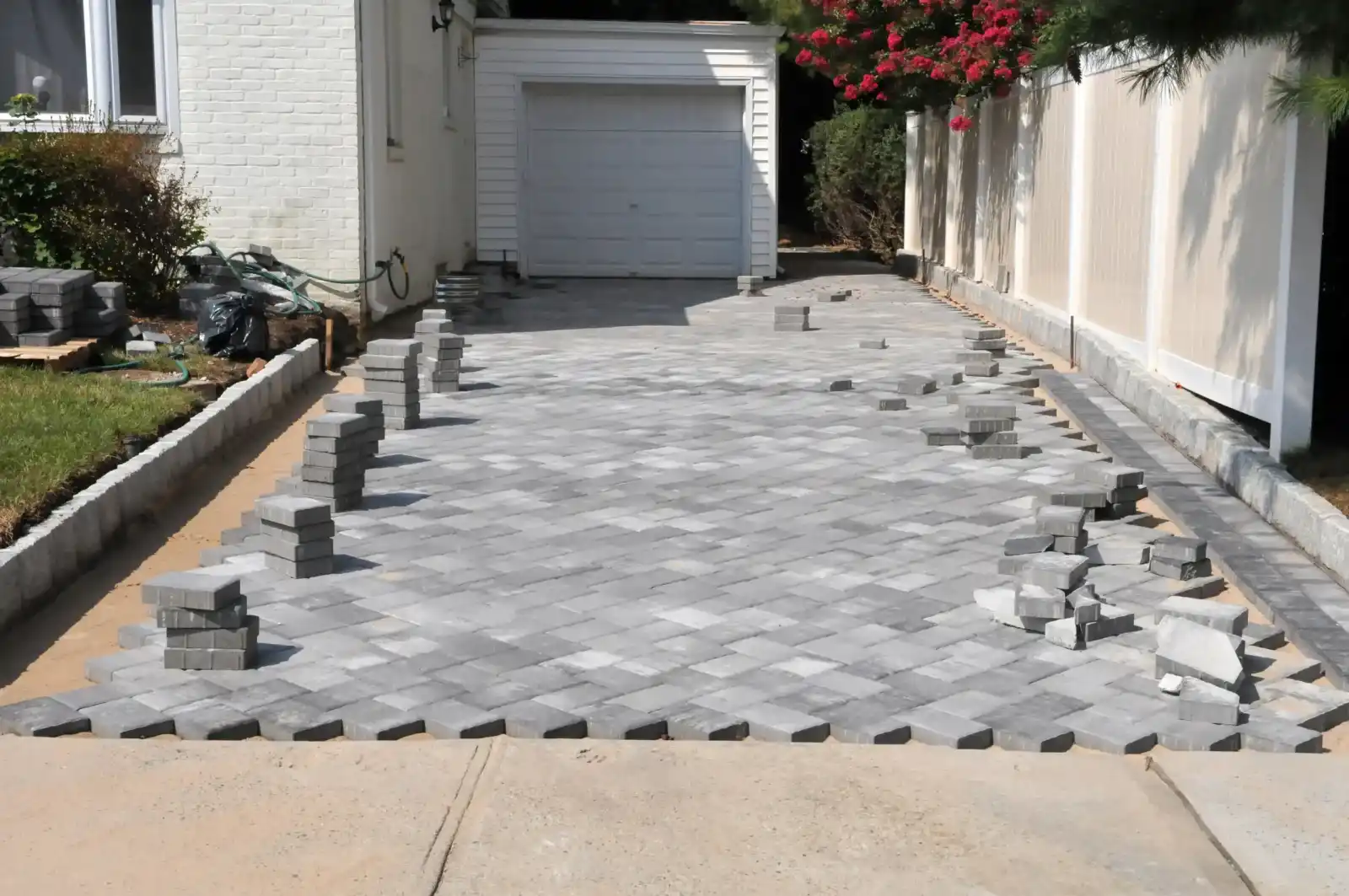
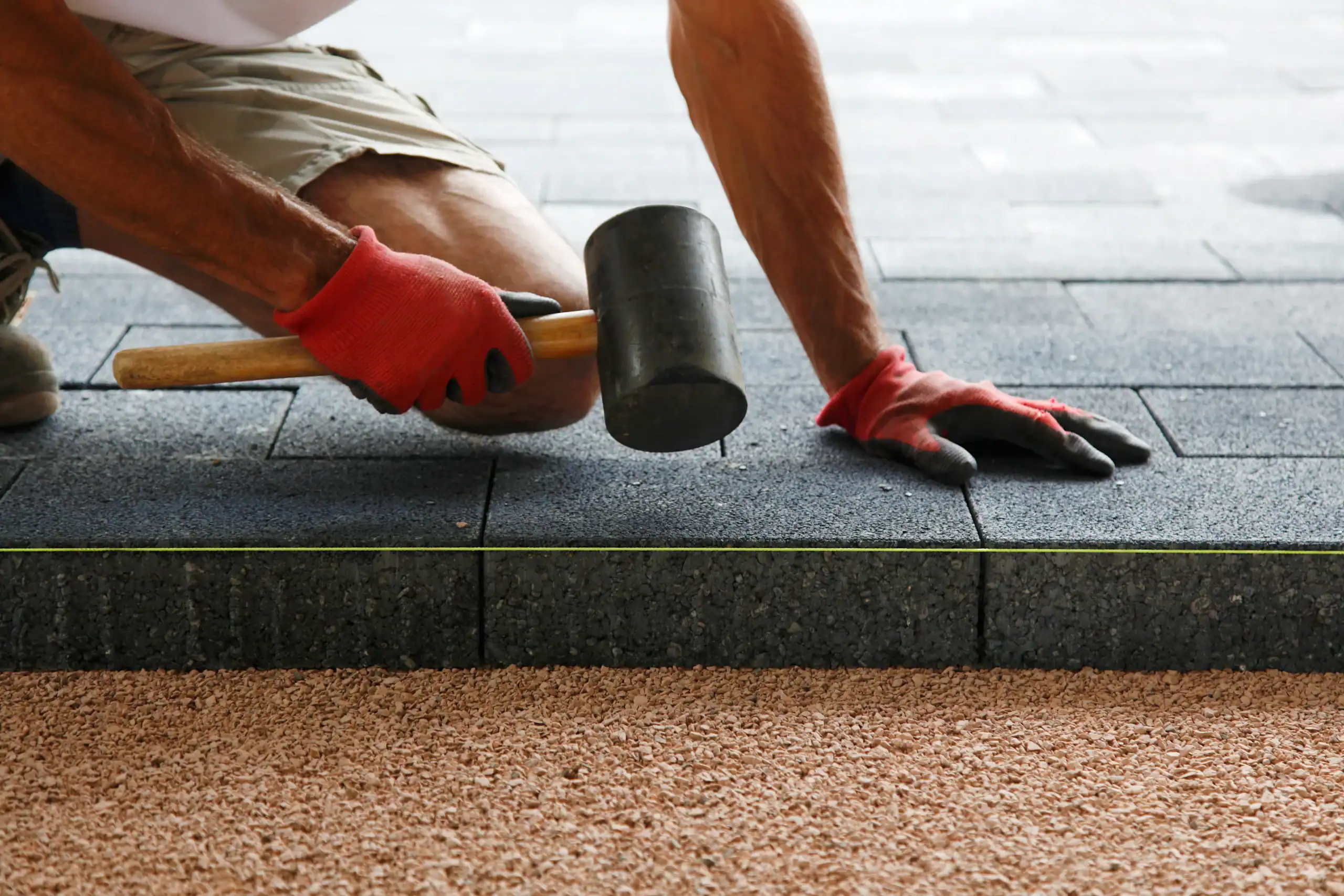
It starts with the base—six inches of properly compacted material, not the four inches most contractors cut corners with. That extra depth and the coarse texture we use are what prevent settling and provide the drainage Central Florida’s rainfall demands.
We engineer around your existing irrigation before we start digging. Most paver failures happen because someone hit a line, created a weak spot, or didn’t account for water flow. We map everything first, then build the base to handle both ground movement and water drainage.
The pavers go down in your chosen pattern—herringbone for maximum interlock strength, running bond for a cleaner look, whatever fits your home’s style. We’re working with Tremron, Flagstone, or Belgard pavers, so you’re getting consistent quality and actual manufacturer backing.
Edge restraints lock everything in place. Polymeric sand fills the joints to prevent shifting and weed growth. Then we compact the entire surface so it’s ready for vehicles immediately, not weeks later. The whole process typically takes 3-5 days depending on size and site conditions.
Ready to get started?
You’re getting a complete installation, not just pavers thrown on top of dirt. That means proper excavation, a six-inch engineered base designed for drainage, and edge restraints that keep everything locked in place for decades.
We handle the entire site—grading for water runoff, coordinating with existing irrigation systems, and ensuring proper slope away from your home. In Citrus Hills, where afternoon storms dump inches of rain in minutes, drainage isn’t optional. Your driveway needs to move water efficiently or you’ll have erosion, settling, and standing water that undermines the whole installation.
You’re choosing from premium paver options—Tremron’s color-through technology that doesn’t fade, Belgard’s textured surfaces that stay cooler, or Flagstone’s natural look. We’ll show you what actually performs well in Florida sun and humidity, not just what looks good in a catalog.
The installation includes polymeric sand that hardens between pavers to prevent weed growth and ant colonization. We’re also the only Seal ‘n Lock distributor in Citrus County, so if you want that extra layer of protection against staining and fading, we’re applying the best product available with proper technique.
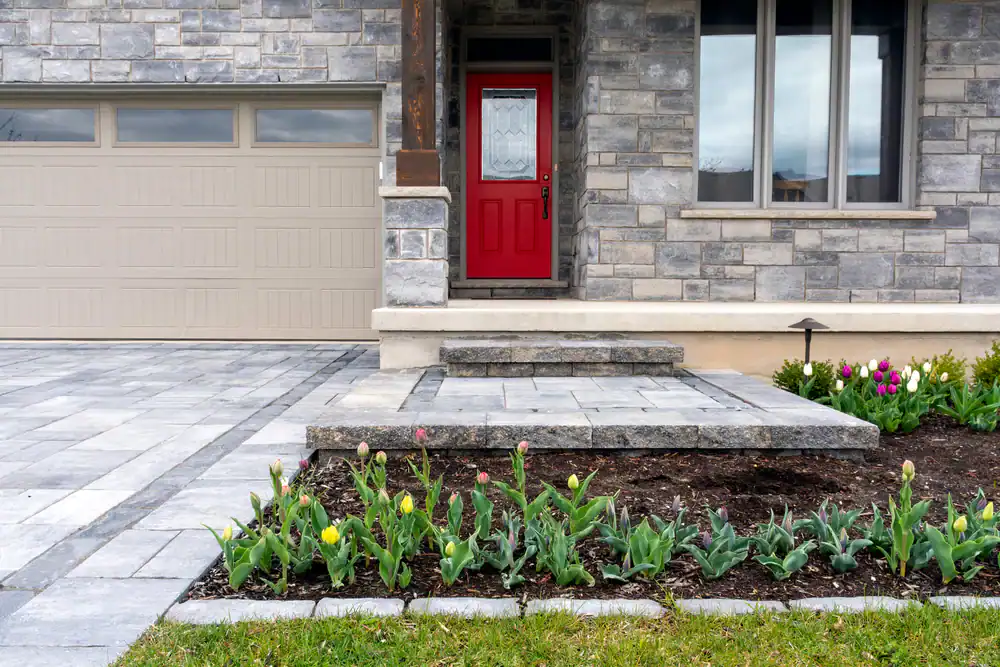
A properly installed paver driveway in Citrus Hills lasts 25-30 years minimum, often longer with basic maintenance. The key word is “properly installed”—most failures you see around here happen within the first five years because of weak base preparation or poor drainage planning.
The pavers themselves are incredibly durable. They’re designed to handle freeze-thaw cycles up north, so Florida’s heat and humidity don’t break them down. What fails is the installation underneath—inadequate base depth, poor compaction, or drainage that wasn’t engineered for Central Florida’s rainfall patterns.
With a six-inch base, proper edge restraints, and drainage that accounts for our afternoon storms, you’re looking at a driveway that outlasts concrete and requires far less maintenance. Individual pavers can be replaced if needed without disturbing the rest of the surface. That’s decades of performance with minimal upkeep beyond occasional cleaning and re-sanding joints every few years.
No, and that’s one of the biggest advantages of choosing pavers for driveway installation in Citrus Hills. Concrete is a rigid slab—when the sandy soil underneath shifts or settles, the concrete cracks. Pavers are individual units that flex slightly with ground movement instead of fracturing.
Think of it like the difference between a solid piece of glass and a mosaic. The mosaic can handle movement because each piece adjusts independently. That’s exactly how pavers work in Florida’s challenging soil conditions.
The base preparation matters enormously here. A properly engineered six-inch base with correct compaction creates a stable platform that minimizes settling. But even when minor settling occurs—and it will over decades—the pavers accommodate that movement without visible damage. You might need to re-level a small section eventually, which takes an hour. Compare that to replacing cracked concrete sections, which requires demolition, disposal, and a complete re-pour.
Paver driveways handle drainage better than concrete or asphalt when installed correctly, which is critical in Citrus Hills where we get those intense afternoon storms. Water drains through the joints between pavers instead of sitting on the surface or running off into your yard.
Permeable pavers take this even further—they’re designed specifically to let water pass through into the ground below, reducing runoff and preventing the puddling that causes erosion and undermines driveways. Even standard pavers with polymeric sand allow some water infiltration while preventing weed growth.
The real drainage solution is in the base and grading. We build a six-inch base with coarse material that drains efficiently. The entire driveway is graded to direct water away from your home and toward appropriate drainage areas. In Central Florida’s wet season, this engineering prevents the standing water and washout problems that plague poorly installed driveways. Your driveway should never turn into a pond after a storm—proper paver installation with correct drainage ensures it doesn’t.
Basic maintenance is straightforward—sweep it regularly, rinse it off occasionally, and re-sand the joints every 3-5 years. That’s significantly less intensive than maintaining concrete, which requires regular sealing to prevent staining and cracking, or asphalt, which needs resurfacing every few years.
Florida’s humidity can promote mold or algae growth on any outdoor surface. A simple pressure wash once or twice a year keeps pavers looking clean. Use a low-pressure setting to avoid disturbing the joint sand. If you notice weeds popping up between pavers, that means the polymeric sand has degraded and needs replacement—a simple process that takes a few hours.
Sealing is optional but recommended every 3-5 years, especially in Florida’s intense sun. A quality sealer protects against UV fading, prevents stains from oil or other spills, and makes cleaning easier. We use Seal ‘n Lock, which we exclusively distribute in Citrus County, because it actually penetrates and protects without creating that artificial-looking glossy finish. Sealed pavers maintain their color longer and resist the wear that comes from daily vehicle traffic and weather exposure.
Yes, initially—expect to pay 20-30% more for a quality paver driveway installation compared to basic concrete. But that upfront cost difference disappears over time when you factor in repairs, maintenance, and longevity.
Concrete cracks in Florida’s sandy soil and requires expensive repairs or full replacement within 10-15 years. When you need to fix concrete, you’re tearing out and replacing entire sections because you can’t match the color or texture of aged concrete. Pavers last 25-30+ years, and if one gets damaged, you replace that single paver in 20 minutes for minimal cost.
The real value is in what you’re not spending later. No crack repairs. No resurfacing. No full replacement in 15 years. And when you eventually sell your home, a well-maintained paver driveway adds more to property value than standard concrete—buyers in Citrus Hills recognize quality materials and proper installation. You’re making an investment that pays back in lower lifetime costs and higher home value.
Start with durability and heat resistance, not just appearance. In Florida’s climate, you need pavers that won’t fade in intense UV exposure and won’t become uncomfortably hot underfoot. Lighter colors reflect heat better—a light gray or tan paver stays significantly cooler than dark charcoal or black.
Tremron, Belgard, and Flagstone all manufacture pavers specifically engineered for Florida conditions. Look for color-through technology where the pigment goes all the way through the paver, not just a surface layer that can wear off. Textured surfaces provide better traction when wet and tend to hide minor wear better than smooth finishes.
Thickness matters for driveways—you need pavers rated for vehicular traffic, typically 2.375 inches thick minimum. Thinner pavers are fine for walkways but won’t hold up under vehicle weight. The pattern you choose affects strength too. Herringbone patterns provide maximum interlock and are best for driveways with heavy use or turns. We’ll show you samples and explain what actually performs well in Citrus Hills based on nearly 30 years of installations here, not just what looks good in a showroom.
Useful Links
Other Services we provide in Citrus Hills