
Most mulching jobs in Citrus Hills fail quietly. The mulch is too thin, the edges are soft, and by the time summer really hits, you’ve got weeds pushing through, moisture baking off, and beds that look tired before the season’s even halfway done. That’s not a mulch problem — it’s an installation problem.
When mulching is done at the right depth, with proper bed prep and clean edging, the difference is immediate and it lasts. Citrus Hills sits on Hernando fine sand — one of the most moisture-hungry soil types in the state. A well-installed mulch layer holds that moisture in, keeps root temperatures stable through the long Florida summer, and cuts down on how often your irrigation system has to work. That’s real savings, not a talking point.
There’s also the HOA factor. The Villages of Citrus Hills runs an Architectural Control Board that monitors landscaping standards across all 14 villages. The wrong material, inconsistent depth, or ragged edges can put you on the wrong side of an ACC notice. When your mulching is done by us professionally — with the right product, the right depth, and sharp clean lines — you’re covered.
Mainstreet Landscaping has been working in Citrus County since 1995. That’s nearly three decades of Florida summers, hurricane seasons, sandy soil, and homeowners in Citrus Hills who have high expectations — because they’ve earned the right to. We know this area. We know what works and what doesn’t in the ground conditions around Terra Vista, Brentwood, and Belmont Hills. We’re not learning your neighborhood on your dime.
We’re family-owned, locally operated, and a member of the Citrus County Chamber of Commerce. We offer military and first responder discounts, assist with hurricane cleanup, and show up the same way whether it’s your first call or your fifth year with us. That consistency is the thing our long-term clients mention most — and it’s the thing we’re most focused on keeping.
It starts with a walkthrough of your beds. Before any mulch goes down, we look at what’s already there — how much is left from the previous application, what condition the soil is in, whether the edges need to be re-cut, and whether there’s any debris or weed growth that needs to be cleared first. Skipping this step is how you end up with mulch piled on top of problems.
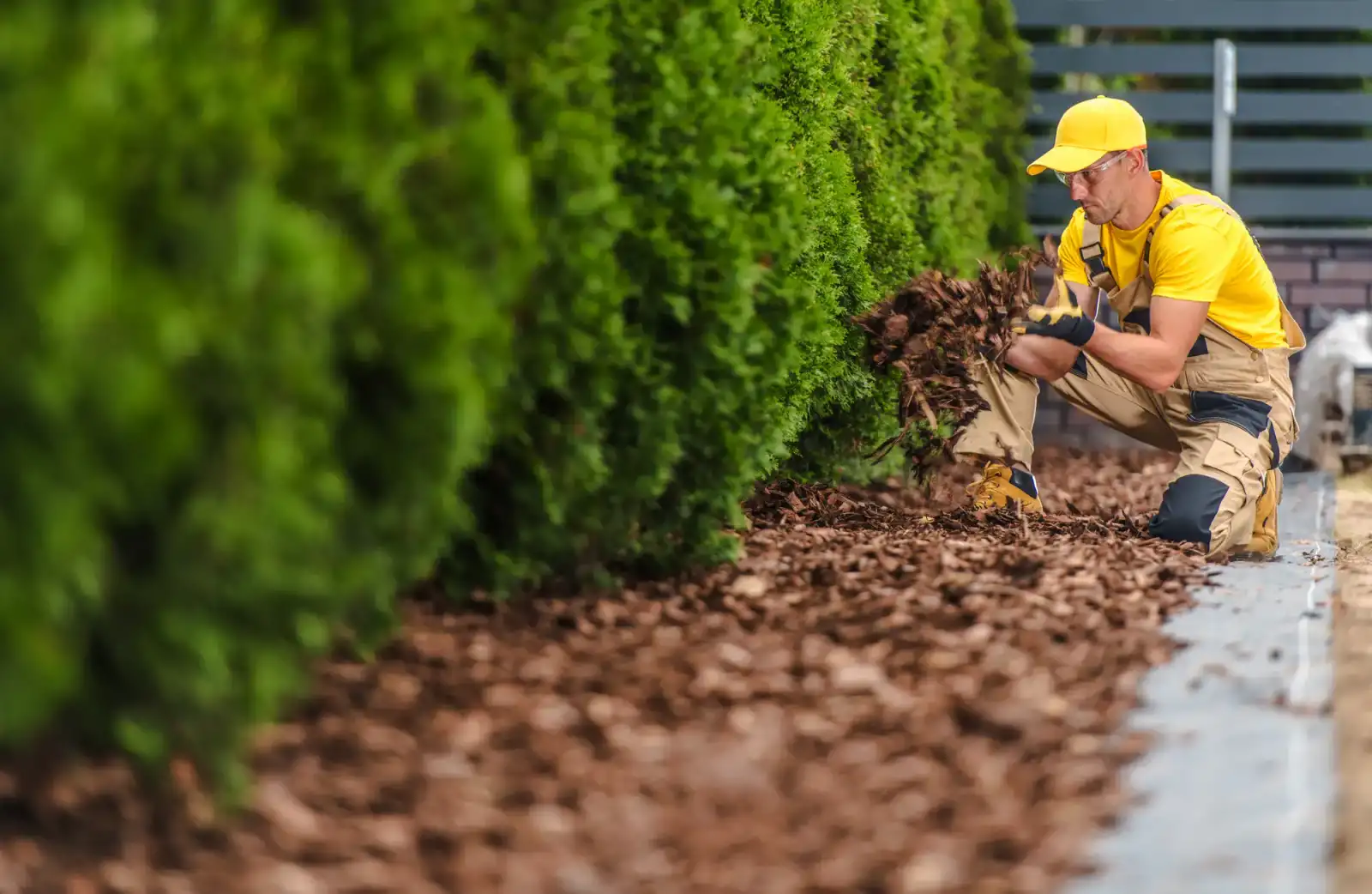
Once the beds are prepped, we apply the mulch at the correct depth for Florida’s climate — typically three to four inches. Citrus Hills’ sandy soil drains quickly, which means a shallow layer won’t hold moisture long enough to do much good. We also factor in the season. Spring applications before the heat sets in give your plants the best head start. Fall applications help protect root systems going into the cooler months, which matters more than most people expect for tropical and subtropical plantings common in this community.
The finish matters too. Edges get defined cleanly, mulch is distributed evenly across the bed, and we don’t leave material scattered on turf or hardscaping. What you get at the end looks intentional — because it is.
Ready to get started?
Our yard mulching service in Citrus Hills, FL includes bed clearing and debris removal before anything goes down, clean re-edging for defined borders, and mulch installation at the depth your soil and plant types actually need. We’re not dropping a load and moving on — the prep work is part of the service.
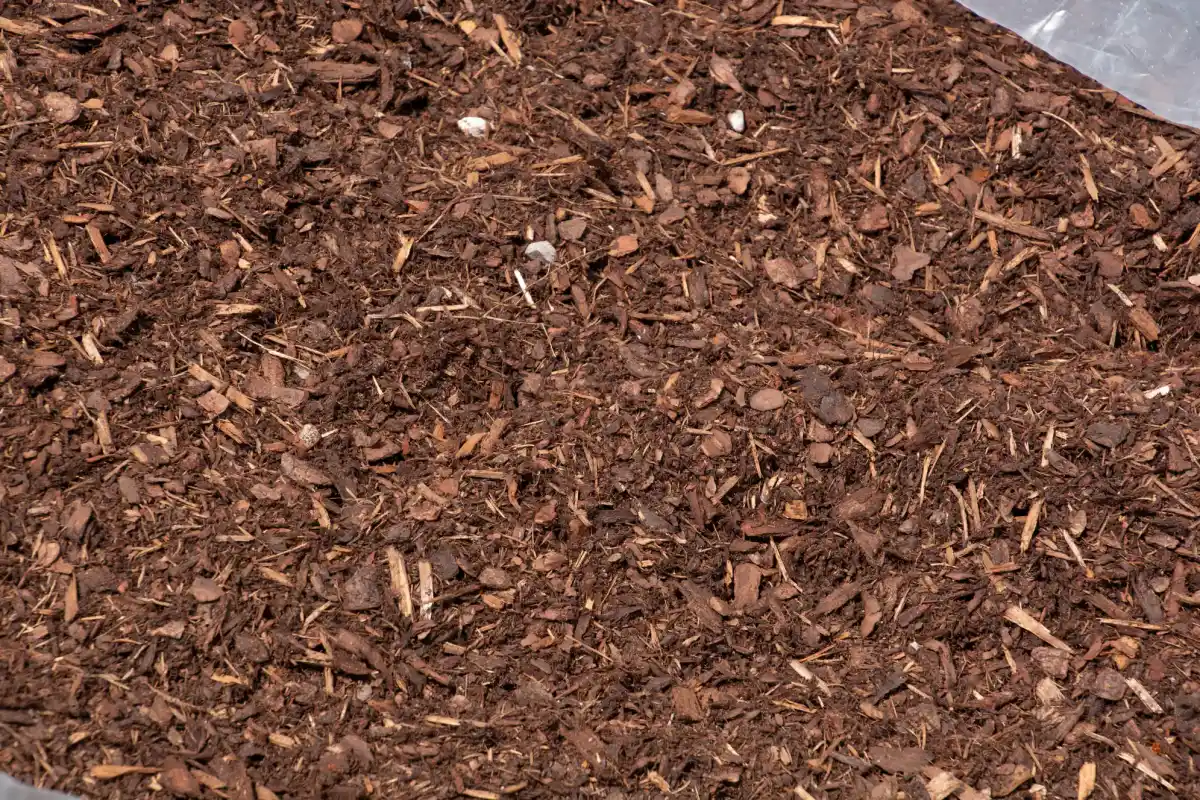
For homeowners in the Villages of Citrus Hills, we pay attention to the material and color standards that your village’s ACC may require. Not every mulch product is the same, and in a POA-governed community, the details matter. We use products that hold color, resist floating in heavy rain, and perform through Citrus County’s wet season without breaking down too quickly or compacting in a way that suffocates root systems.
If your property has recently gone through construction, storm damage, or a landscape renovation, we also handle the full establishment layer — getting new beds covered and looking finished. Citrus County’s Florida-Friendly Landscaping guidelines list mulching as a core maintenance step, and we apply it that way: not as a cosmetic afterthought, but as a functional part of keeping your landscape healthy and your property looking like it belongs in this community.

For most properties in Citrus Hills, twice a year is the practical answer — once in the spring before the heat peaks, and once in the fall when temperatures drop and you want root systems protected going into the cooler months. That said, it depends on the mulch type and how much sun exposure your beds get.
Citrus Hills sits at one of the highest elevations in Citrus County, which means some properties get more direct sun and wind exposure than lower-lying areas. That accelerates breakdown. If you’re in a village like Terra Vista or Belmont Hills where larger lots and more open exposure are common, your mulch layer may thin out faster than a more sheltered property. A professional eye during a walkthrough can tell you quickly whether you’re at the point of needing a refresh or if you’ve got a few more months. We’d rather give you an honest answer than push an unnecessary service call.
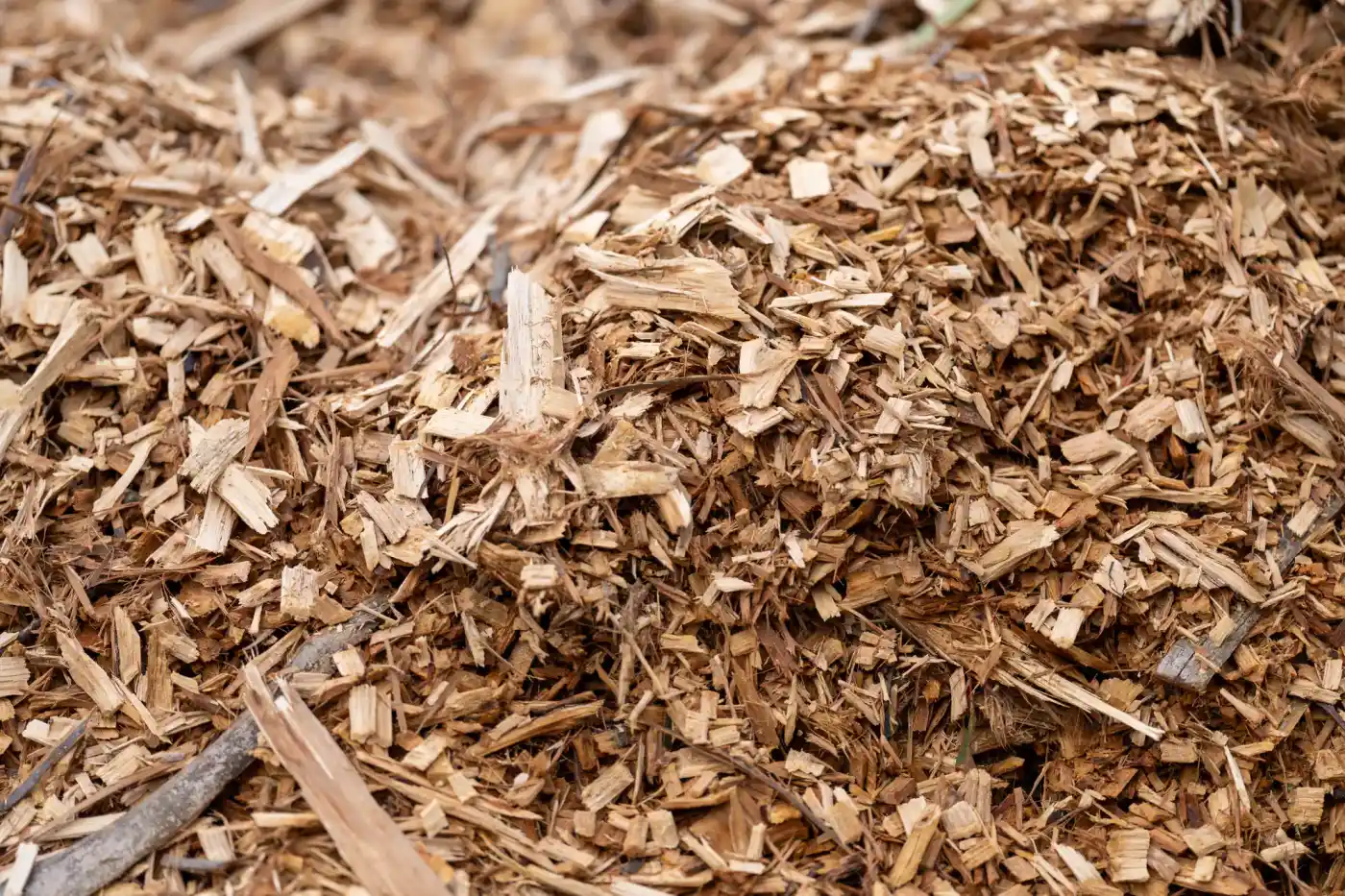
In Citrus County’s sandy soil conditions, you generally want a mulch that retains moisture well, resists floating during heavy summer rain, and breaks down slowly enough to stay effective through the season. Eucalyptus and melaleuca mulch are both popular in Florida for those reasons — they’re durable, hold color reasonably well, and are produced from invasive species, which makes them an environmentally sound choice in this region.
Dyed wood mulch can look sharp right after installation, but in full sun it fades faster and some products break down quickly in Florida’s heat and humidity. Pine bark nuggets work well in beds with good drainage but can float in low areas during heavy rain — something worth considering during Citrus County’s wet season. The right choice depends on your specific beds, sun exposure, and what your village’s ACC standards allow. We’ll walk you through the options that make sense for your property before anything goes down.
Yes, it’s possible — and worth checking before you make a decision on your own. The Villages of Citrus Hills operates under a Property Owners Association with an Architectural Control Board that sets landscaping standards across all 14 villages. The specific requirements can vary from one village to the next, so what’s acceptable in Clearview Estates may not be the same as what’s expected in Terra Vista.
Generally speaking, the ACB is looking for consistent coverage, clean edges, and materials that maintain a neat appearance. Bright or non-standard mulch colors are more likely to draw attention than natural brown or black tones. If you’re unsure what your village allows, the Citrus Hills Administration Office at 2476 N. Essex Ave. in Hernando can point you to the right documentation. We’ve worked in these communities long enough to know what typically passes without issue, and we’ll flag anything that could be a problem before we start.
Three to four inches is the standard recommendation for effective weed suppression in Florida, and it’s the depth we target on most installations. Less than that and you’re not getting consistent coverage — weed seeds that land on top of a thin layer will germinate without much resistance. More than four inches can start to cause problems with moisture and airflow around plant stems, which creates its own issues.
Florida’s year-round growing season means weeds don’t take a break the way they do in colder climates. In Citrus Hills, you’re dealing with warm soil temperatures even in December and January, which keeps germination pressure active most of the year. Pairing the right depth with a pre-emergent application gives you the best results — the mulch blocks light and the pre-emergent stops seeds that manage to make contact with the soil underneath. It’s not a permanent fix, but done right it dramatically reduces the maintenance burden between service visits.
Absolutely — and storm recovery is one of the most overlooked reasons to get mulching done quickly after a major weather event. Hurricanes and tropical storms strip mulch from beds, expose root systems, and leave soil compacted and vulnerable. Once that protective layer is gone, your plants are dealing with direct heat, moisture loss, and erosion all at once — right when they’re already stressed from the storm itself.
Citrus County sits in Florida’s hurricane belt, and the Citrus Hills area has seen its share of storm impact over the years. Mainstreet Landscaping already provides hurricane cleanup services throughout the county, so we’re not a company you have to track down after a storm — we’re already here and working. Getting mulch back down quickly after a storm helps stabilize the soil, protect recovering root systems, and get your landscape looking presentable again while the rest of the cleanup is still underway. It’s one of those things that makes a real difference in how well your plants bounce back.
Yes, we do. Citrus Hills has a significant number of veterans and retired first responders who chose this community specifically for the quality of life it offers, and we think it’s straightforward to recognize that service with a discount on our work. It’s not a complicated program — just let us know when you reach out and we’ll apply it to your job.
Beyond the discount, what we hear most from clients in this demographic is that they want a company that communicates clearly, shows up when we say we will, and does the work without needing to be followed up with. That’s something we’ve built our business around since 1995, and it’s the standard we hold ourselves to on every job — mulching included. If you’re in Terra Vista, Foxfire, or any of the other villages and you want to get a straightforward quote, give us a call and we’ll walk through what your property needs.
Useful Links
Other Services we provide in Citrus Hills