
You’re looking at your driveway right now and seeing cracks. Or puddles that won’t drain. Or that dull, worn-out look that makes the whole house feel tired.
Driveway pavers in Spring Hill, FL fix that. They’re built to handle the humidity, the afternoon storms, and the ground movement that concrete can’t deal with. Water drains through the joints instead of pooling on top. Individual pavers can shift slightly without cracking the whole surface. And when one does need replacing, you swap it out without tearing up the entire driveway.
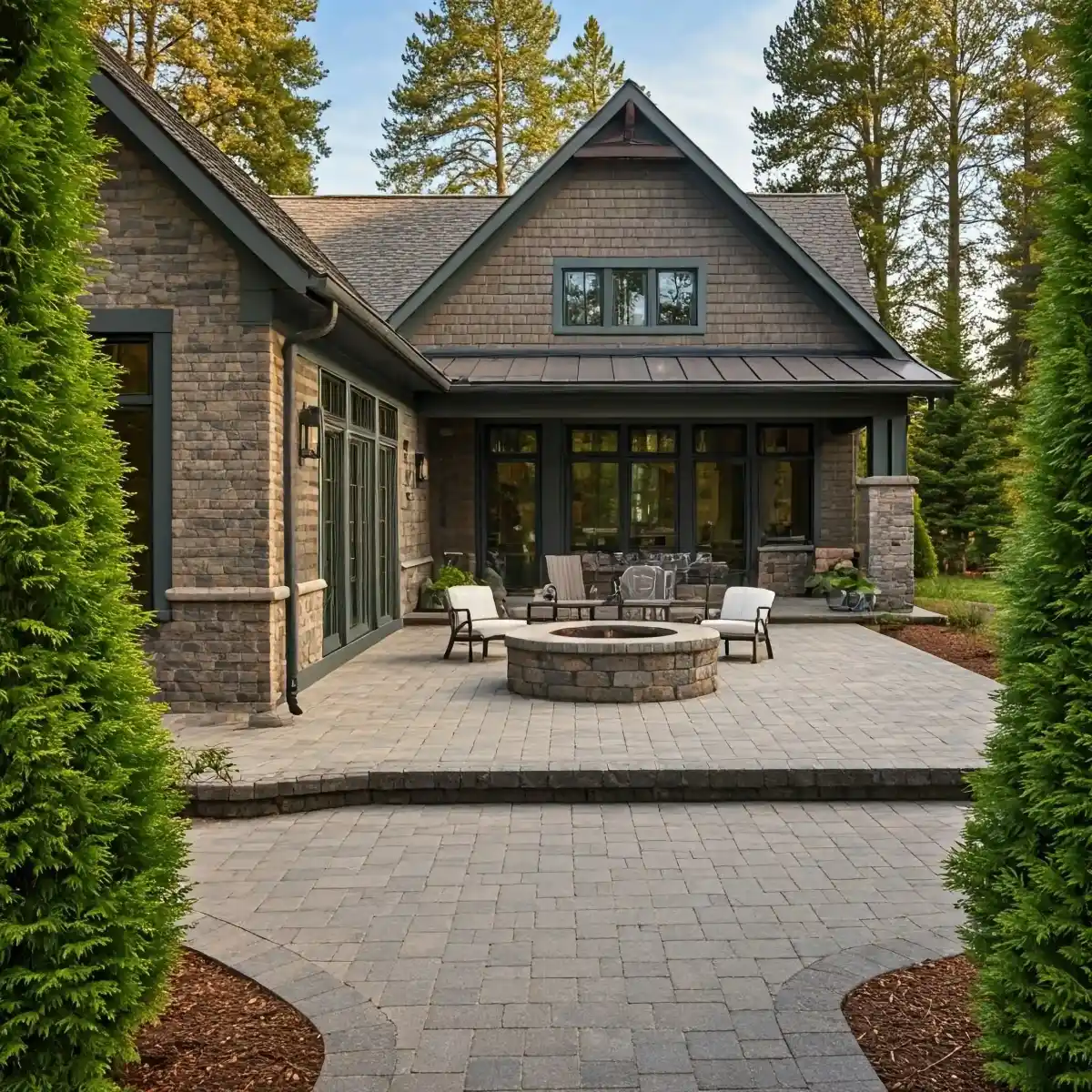
You also get options. Brick pavers, concrete pavers, travertine—different colors, patterns, textures. It’s not just about function. It’s about walking up to your house and actually liking what you see.
The install takes longer than pouring concrete, but it lasts longer too. We’re talking 30-plus years if it’s done right. That means proper grading, compacted base, edge restraints, and the right joint sand. Miss any of that and you’ll have problems in a year.
We’re a family-owned driveway paver contractor in Spring Hill, FL. We’ve been installing pavers in Citrus County and the surrounding areas for nearly 30 years. That’s long enough to know what works in Florida’s climate and what doesn’t.
We’re Authorized Contractors for Tremron, Flagstone, and Belgard. That means access to premium materials and manufacturer-backed warranties. We’re also the only Seal ‘n Lock distributor in Citrus County, so we handle the protective treatments that keep your pavers looking good year after year.
Spring Hill homeowners deal with specific challenges—heavy rain, high heat, older properties that need drainage solutions. We’ve handled hundreds of driveways here. We know the soil. We know the weather patterns. And we know how to build something that lasts without needing constant repairs.
First, we assess your current driveway and drainage situation. If water’s pooling or the ground’s uneven, we address that before anything else. Proper grading is everything.
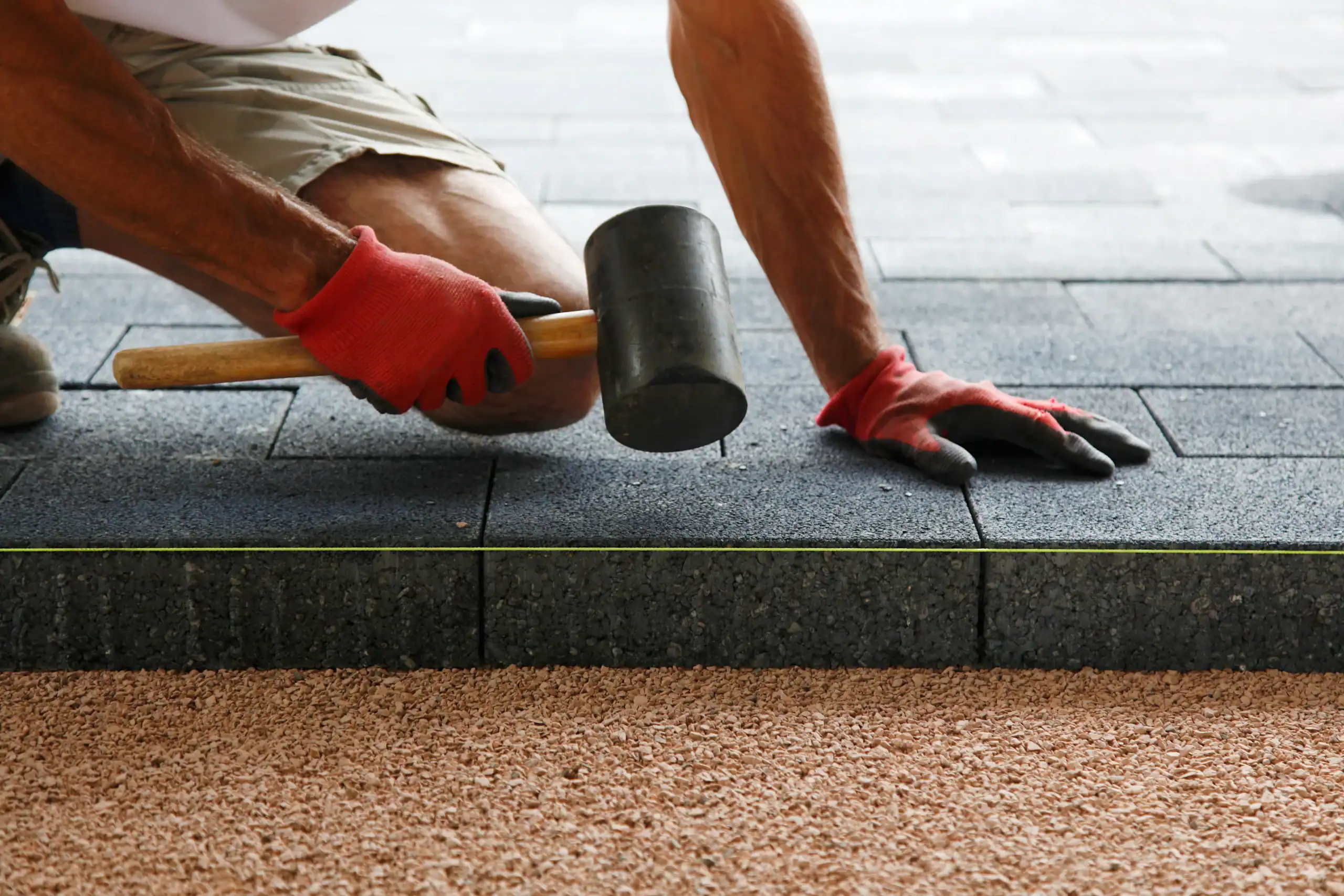
Next, we excavate to the right depth and build a compacted base—usually crushed stone or gravel. This is what keeps your pavers from sinking or shifting over time. We compact it in layers, not all at once. Edge restraints go in to lock the perimeter.
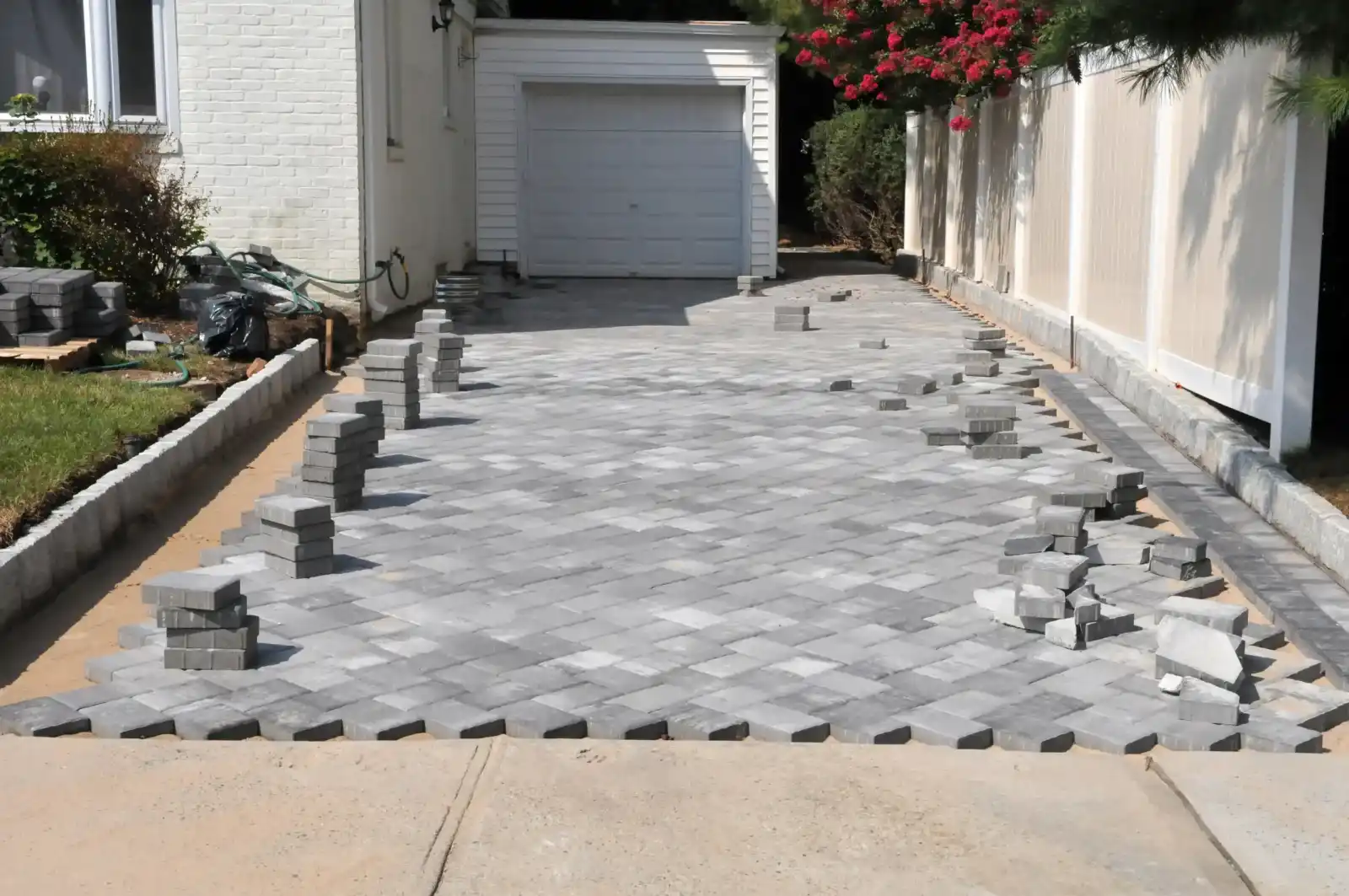
Then we lay the pavers in your chosen pattern. Cuts are made for curves, edges, and transitions. Once the field is set, we sweep polymeric sand into the joints and compact the surface. That sand hardens and keeps pavers locked together while still allowing water to drain through.
Finally, we clean everything and apply sealant if you want it. Sealing isn’t required, but it protects against UV fading, stains, and weed growth. Most Spring Hill homeowners go for it.
The whole process takes anywhere from a few days to a week depending on size and complexity. You’ll need to stay off it for 24-48 hours after completion.
Ready to get started?
When we install pavers for driveway installation in Spring Hill, FL, you’re getting site prep, excavation, grading, and a compacted aggregate base. That base is typically 4-6 inches depending on soil conditions and load requirements.
You’re also getting edge restraints installed along the perimeter to prevent paver creep. We use commercial-grade restraints, not plastic edging that snaps in a year. The pavers themselves come from Tremron, Belgard, or Flagstone—your choice of style, color, and material.
Joint sand is polymeric, which means it hardens after activation and resists washout during Florida’s heavy rains. We also include a post-install cleanup and optional sealing with Seal ‘n Lock products.
Spring Hill’s average driveway runs between 400 and 600 square feet. At $10-$20 per square foot for materials and labor, you’re looking at $4,000-$12,000 depending on paver type and site conditions. Travertine costs more. Standard concrete pavers cost less. Repairs to existing driveways or drainage issues add to that.
We don’t do same-day installs. This isn’t a quick pour-and-go job. It’s a multi-day process that requires attention to every layer. But it’s also an investment that outlasts asphalt and concrete by decades.
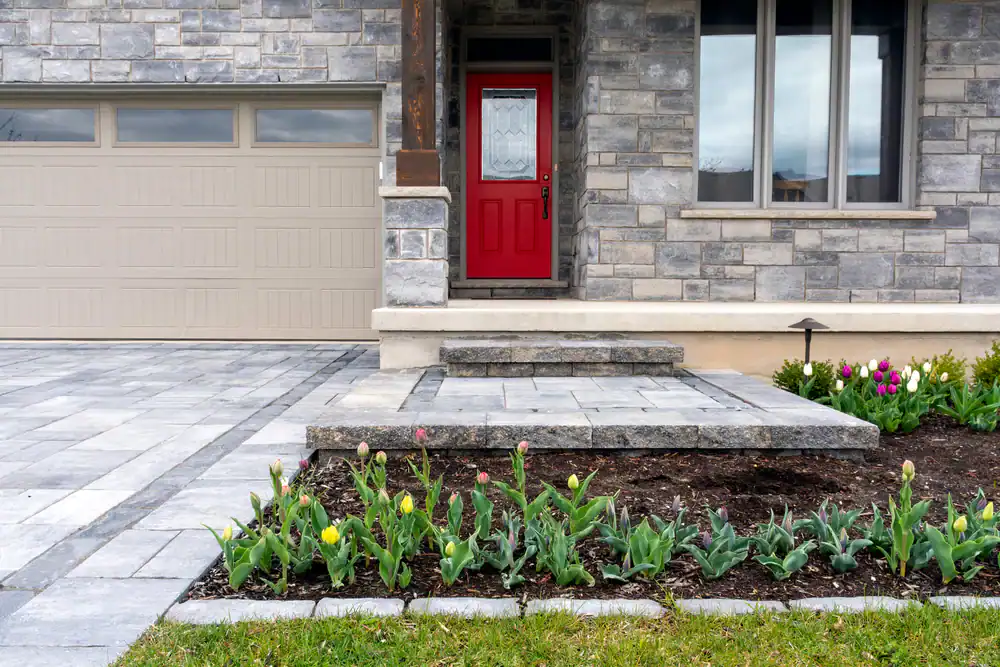
A properly installed paver driveway lasts 25-50 years in Spring Hill. The longevity depends on base preparation, material quality, and maintenance. Florida’s climate is tough—high heat, heavy rain, humidity—but pavers handle it better than poured surfaces because they flex with ground movement instead of cracking.
Concrete driveways typically crack within 10-15 years here. Asphalt needs resurfacing every 5-10 years. Pavers, on the other hand, can be individually replaced if one breaks. You’re not tearing out the whole driveway.
Sealing your pavers every 3-5 years extends their life even further by protecting against UV damage and staining. Most Spring Hill homeowners who maintain their paver driveways see them outlast the original estimate.
Concrete pavers are the most common choice in Spring Hill because they’re durable, affordable, and available in dozens of styles. They handle Florida’s heat and rain without issue as long as they’re installed on a proper base.
Brick pavers offer a classic look and similar durability but can fade faster under UV exposure if not sealed. Travertine pavers stay cooler underfoot, which is a plus in summer, but they cost more and require more maintenance to prevent staining.
For most driveways, concrete pavers from Tremron or Belgard are the sweet spot. They’re engineered for high traffic, they don’t absorb much water, and they come with manufacturer warranties. If you want something premium and you’re willing to maintain it, travertine is worth considering. But for everyday durability and value, concrete pavers win.
Yes, but not much. You’ll need to sweep or blow off debris regularly and rinse them down a few times a year. If you sealed them, plan to reseal every 3-5 years depending on wear and sun exposure.
Weeds can sprout between pavers if the polymeric sand breaks down or wasn’t installed correctly. Pulling them early prevents root damage. If you notice sand washing out of the joints after heavy rain, you’ll need to refill and compact it.
Individual pavers can crack or chip if something heavy drops on them, but replacement is straightforward. You pull the damaged paver, drop in a new one, and resand the joint. No need to replace the whole section. That’s one of the biggest advantages over concrete—repairs are simple and inexpensive.
Most driveway paver installations in Spring Hill, FL run between $4,000 and $12,000. Cost depends on square footage, paver material, site prep, and any drainage work needed. Standard concrete pavers cost $10-$15 per square foot installed. Travertine or specialty pavers run $18-$25 per square foot.
If your current driveway has drainage issues or the ground needs regrading, that adds to the cost. Same with removing old concrete or asphalt. A straightforward install on a prepped site costs less than a full tearout and rebuild.
Spring Hill’s average driveway is around 400-600 square feet, so most homeowners land in the $5,000-$8,000 range for a mid-grade concrete paver install. We give you an exact quote after assessing your site. No guessing, no surprise charges.
Sometimes, but not always. If your concrete driveway is in good shape—no major cracks, no settling, no drainage problems—we can install pavers over it. This is called an overlay. It saves on excavation and disposal costs.
But if the concrete is cracked, uneven, or has drainage issues, an overlay won’t fix those problems. You’ll just be covering them up, and the pavers will eventually reflect the same issues. In those cases, we remove the concrete and start fresh.
Spring Hill has older homes with driveways that have settled or cracked due to soil movement and water intrusion. Most of the time, a full removal and proper base installation is the better long-term solution. It costs more upfront but eliminates future headaches. We’ll assess your driveway and tell you which approach makes sense.
Poor base preparation. That’s the main reason. If the base isn’t compacted properly or the wrong material is used, the pavers will settle unevenly over time. Water infiltration and erosion make it worse.
Another common issue is missing or weak edge restraints. Without them, pavers creep outward under vehicle weight, creating gaps and uneven surfaces. Cheap plastic edging fails quickly. You need commercial-grade restraints anchored into the base.
In Spring Hill, drainage is critical. If water pools under your driveway or runs across it without proper grading, it washes out the base material and causes sinking. We address drainage before we lay a single paver. That’s why site assessment matters. Skipping that step to save time or money leads to problems within a year or two.
Useful Links
Other Services we provide in Spring Hill