
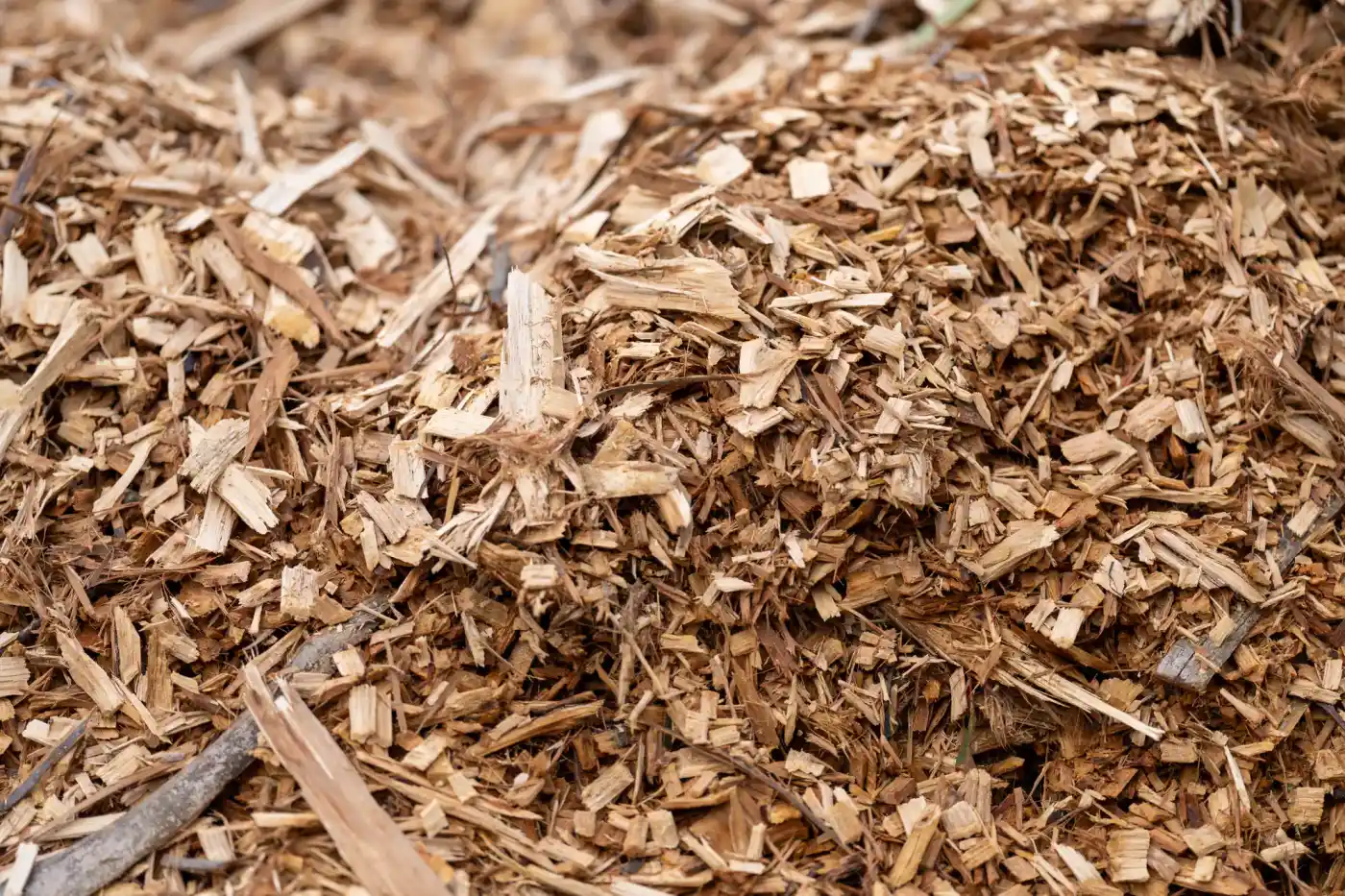
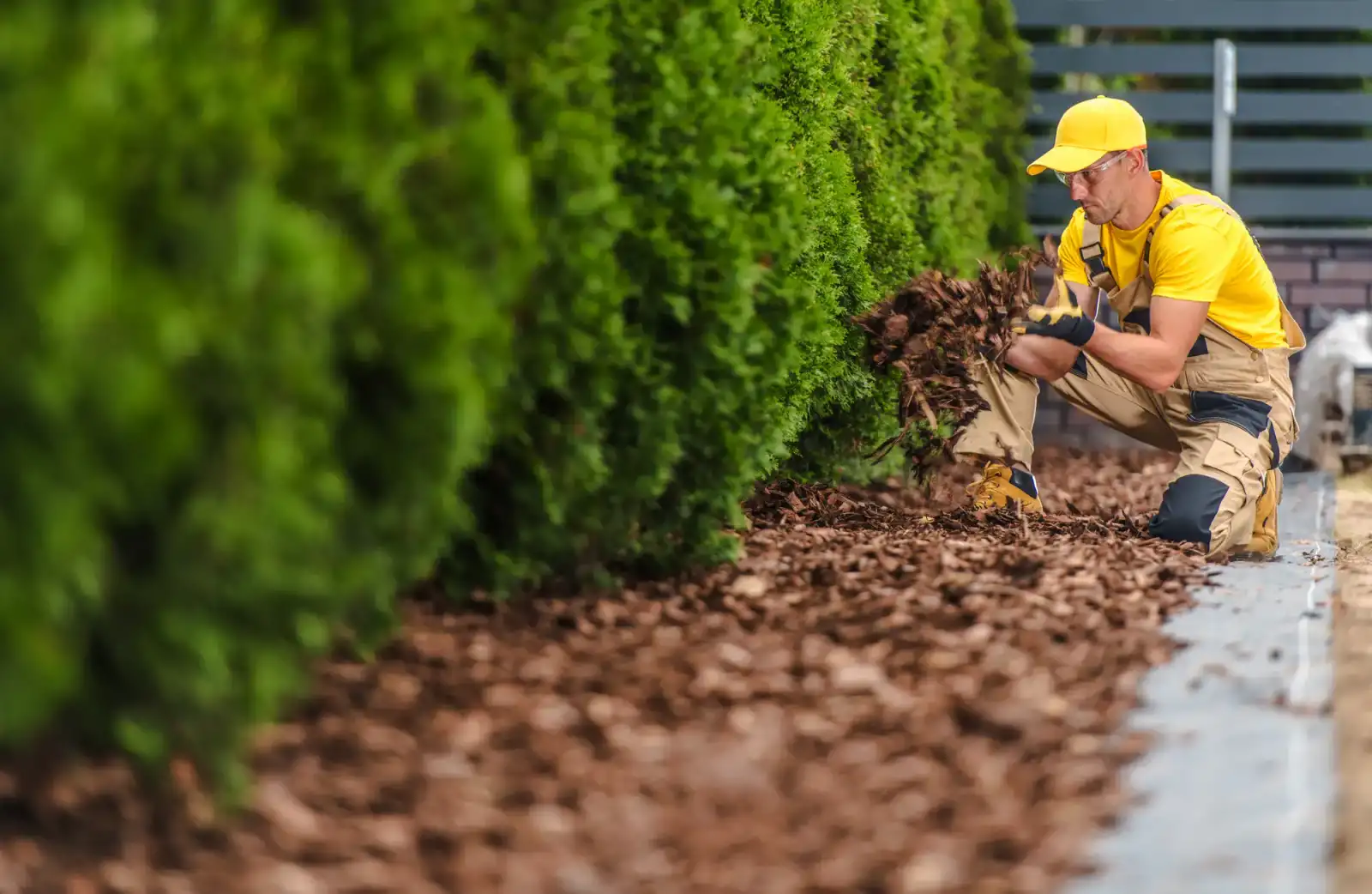
Spring Hill sits on pine flatwoods terrain — and when that land gets cleared and developed, what’s left underneath most yards is sandy, fast-draining soil that holds almost no moisture and even less nutrition. That’s not a watering problem. That’s a soil exposure problem. Professional mulch installation fixes it at the source by slowing moisture loss, moderating soil temperature, and gradually feeding the ground as it breaks down.
The weed pressure here is relentless from June through September. Without consistent mulch coverage at the right depth, landscape beds in Spring Hill can go from clean to overrun in a matter of weeks during rainy season. Done correctly, professional mulching suppresses germination without smothering your plant roots — something a few bags spread thin rarely accomplishes.
In the winter months, when a cold snap rolls through Hernando County and threatens your palms, hibiscus, or gardenias, that mulch layer is what stands between your plants and root damage. It’s not just cosmetic. For a Spring Hill yard, it’s functional protection through every season Florida delivers.
We’ve been operating on Florida’s Nature Coast since 1995 — long before Spring Hill became one of the fastest-growing communities in the Tampa Bay region. We’re based in neighboring Citrus County, which shares the same sandy flatwoods terrain, the same subtropical climate, and the same plant challenges that Hernando County homeowners deal with every single day. This isn’t unfamiliar territory for us.
We’re a family-owned business, and that shows up in how we work. No call centers, no subcontractors you’ve never met, no vague quotes that change on arrival. You get direct communication from a team that’s been doing this long enough to know what Spring Hill yards actually need — not just what looks good on a service menu.
We also offer military and first responder discounts, because this community has a lot of people who’ve earned them. If that’s you, ask when you reach out.
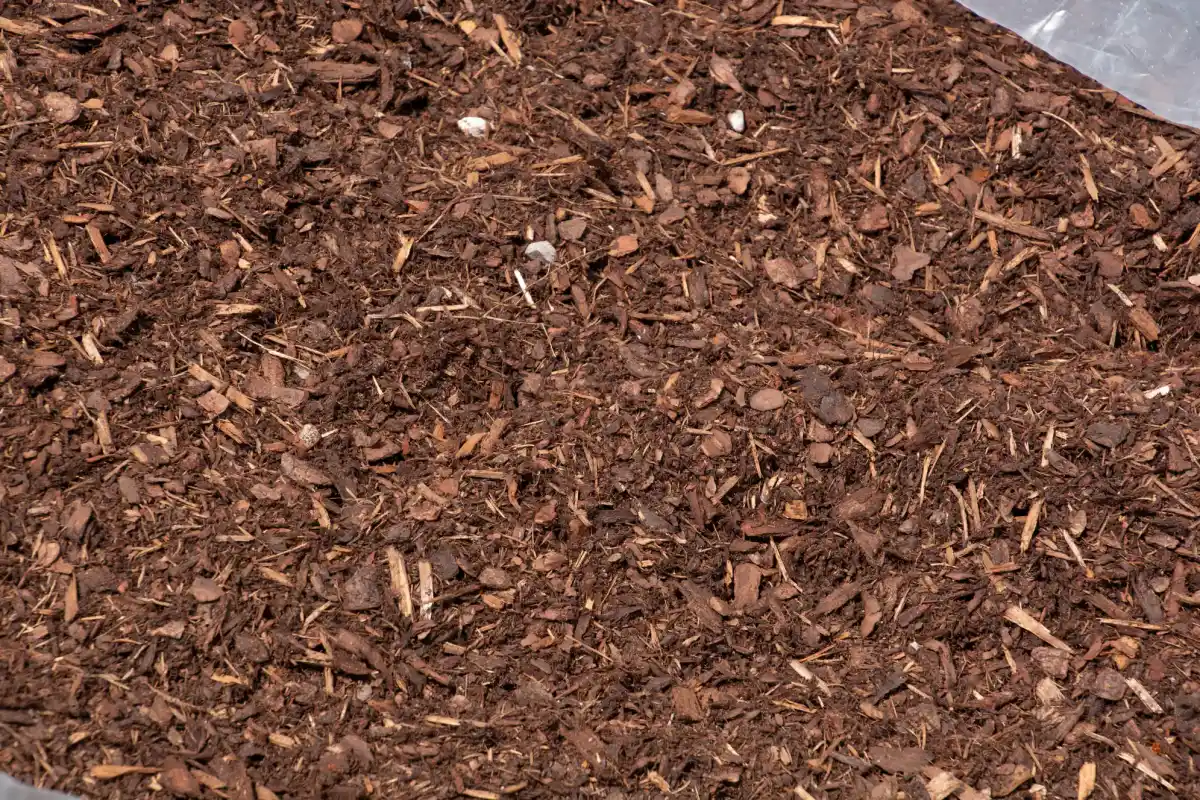
It starts with a look at what you’re actually working with. Spring Hill yards vary more than people expect — a newer home in Sterling Hill or Pristine Place often has compacted subsoil left over from construction grading, while an established property in Northcliffe or Seven Hills might have mature beds that just need a refresh and edge cleanup. Before anything gets installed, we assess your soil conditions, drainage patterns, and what’s already planted so the mulch selection actually makes sense for your yard.
From there, we clear the beds — pulling weeds, removing old broken-down material where needed, and cleaning up edges so the finished product looks sharp and holds its shape. Then we install the mulch at the right depth for your specific conditions. In Spring Hill, that typically means a three-inch layer for most beds, which is enough to suppress weeds and retain moisture without creating the waterlogged root zone that heavy summer rains can cause if the job is done too thick.
When we’re finished, your beds are clean, your edges are defined, and the material is set to actually perform — not just look good for a week. If your property falls under HOA guidelines, like many homes in Timber Pines or Silverthorn do, we make sure the result meets those standards without you having to manage the details.

Ready to get started?
Material selection matters more in Florida than most people realize. The mulch that works well in a dry inland climate will behave completely differently in Spring Hill’s summer rainy season, where heavy daily downpours can wash lightweight material out of beds or create drainage issues in low-lying areas. We select mulch types based on your specific yard — double-shredded hardwood for beds that need soil improvement over time, pine bark for acid-loving plants like azaleas and gardenias that are common throughout Spring Hill landscapes, and melaleuca or eucalyptus options for homeowners who want strong moisture retention and a material that holds up through the wet season.
For homeowners in Spring Hill’s newer developments, where construction grading has stripped the topsoil and left raw sandy fill, we often pair mulch installation with a conversation about bed preparation — because laying mulch over compacted subsoil without addressing the underlying condition is a short-term fix at best.
Our residential mulching services cover everything from initial bed establishment to seasonal refresh and edge maintenance. Whether you’re in a deed-restricted community along the Suncoast Parkway corridor or an established neighborhood closer to US 19, the result is the same: clean, properly installed landscape mulching in Spring Hill that actually holds up and does its job.

The best mulch for Spring Hill depends on what you’re planting and what your soil is doing. For most beds in this area, double-shredded hardwood mulch is a strong choice because it breaks down gradually and adds organic matter back into the sandy soil — something Spring Hill yards are typically starved for after years of fast drainage. Pine bark nuggets or mini-nuggets work well around acid-loving shrubs like azaleas, gardenias, and camellias, which are common in established Spring Hill landscapes.
Melaleuca mulch is worth considering if you want something that holds up well through the summer rainy season and resists floating out of beds during heavy downpours. It’s also an environmentally responsible option since it’s made from an invasive species. We’d steer most homeowners away from dyed mulch in low-lying areas — the color can run during Hernando County’s intense summer storms and stain hardscaping or driveways. A quick look at your yard’s drainage patterns before selecting material goes a long way.
In Spring Hill’s climate, most homeowners need to refresh their mulch once or twice a year — typically in early spring before the summer heat peaks, and again in the fall before the dry season sets in. Florida’s subtropical heat accelerates the breakdown of organic mulch faster than you’d see in a cooler climate, so what looked like three inches in March can compress down to less than an inch by August.
The timing matters here. Applying fresh mulch in March or early April gives your beds a moisture buffer heading into the hottest months, which is when Spring Hill’s sandy soil dries out the fastest. A fall refresh in October or November also helps insulate plant root zones before any cold snaps hit Hernando County — which, while mild compared to northern states, can still damage tropical plants if the roots aren’t protected. If you’re not sure whether your beds need a full replacement or just a top-off, the depth test is simple: if you’re measuring less than two inches in most spots, it’s time.
It genuinely helps — but only when it’s installed at the right depth and with the right material. The key is blocking sunlight from reaching the soil surface, which is what triggers weed seed germination. A consistent three-inch layer of mulch does that effectively. Where most DIY mulch jobs fall short is inconsistent depth — thin spots let light through, and that’s where weeds come back.
In Spring Hill, weed pressure is year-round because of the climate, but it’s most aggressive during the summer rainy season from June through September. That’s when warm soil temperatures and daily moisture create near-perfect germination conditions. A professionally installed mulch layer at proper depth — not just a thin scatter — can dramatically reduce the time you spend pulling weeds through that stretch. It won’t eliminate every weed, especially if seeds blow in from neighboring areas, but it cuts the workload down significantly compared to bare or under-mulched beds.
Three inches is the standard target depth for most landscape beds in Spring Hill. That’s deep enough to suppress weed germination and retain soil moisture, but not so deep that you’re creating problems around plant stems or root zones. Going too thick — four inches or more packed tightly around the base of shrubs or trees — can trap moisture against the bark and lead to rot or fungal issues, which is a real concern in Hernando County’s humid summers.
There’s also a common mistake called “volcano mulching,” where mulch gets piled up against tree trunks in a mound shape. It looks tidy but it’s damaging over time. Mulch should be pulled back a few inches from the base of any tree or woody shrub, leaving a small gap so air can circulate. If you have existing beds where mulch has been built up over several seasons without removal, we’ll often pull back the old material before adding new so the total depth stays in the right range rather than compounding year over year.
Yes — and it’s one of the more underappreciated reasons to keep mulch fresh heading into winter in this area. Spring Hill’s winters are generally mild, but Hernando County does see occasional cold snaps that can drop temperatures low enough to damage tropical and subtropical plants. Palms, hibiscus, crotons, bird of paradise, and ornamental grasses are all common in Spring Hill landscapes and all vulnerable to root damage when soil temperatures drop sharply.
A three-inch mulch layer acts as insulation for the root zone, slowing the rate at which cold air penetrates the soil. It won’t protect the above-ground portions of a plant from a hard freeze, but it gives the root system a buffer that significantly improves recovery odds. A fall mulch refresh in October or early November — before temperatures start dropping — is the most effective timing for cold protection. If you wait until a cold snap is already in the forecast, you’ve already missed the window for the mulch to settle and do its job properly.
Yes. We offer discounts for military and first responder clients, and that includes mulching services in Spring Hill. Spring Hill has a meaningful population of veterans, active military families, law enforcement officers, firefighters, and EMS personnel — many of whom are homeowners in communities throughout Hernando County who simply don’t have the time or physical bandwidth to keep up with yard work on top of everything else their schedules demand.
The discount is straightforward — just mention it when you reach out for a quote. There’s no complicated verification process or fine print. It’s a direct acknowledgment that the people keeping this community running deserve a fair deal from a local business that’s been part of the Nature Coast for thirty years. If you’re a veteran living in Timber Pines, a firefighter in Seven Hills, or a first responder anywhere in the Spring Hill area, that discount applies to you.
Useful Links
Other Services we provide in Spring Hill