
You’re not looking for a landscape designer in Silver Springs, FL who hands you a pretty drawing and disappears. You need someone who understands that Central Florida sits in a climate transition zone—sometimes tropical, sometimes temperate, always unpredictable. That means plants that thrive in your neighbor’s yard three miles away might struggle in yours.
The right landscape design accounts for hurricane-force winds, torrential summer rains, and soil that drains too fast or not at all. It uses native species like Live Oak and Southern Magnolia that bend instead of break. It groups plants by water needs so your irrigation system isn’t fighting itself.
When a landscape is designed correctly from the start, you’re not calling for cleanup crews after every major storm. You’re not replanting beds twice a year. You’re enjoying an outdoor space that actually holds up to what Florida throws at it—and looks better each season instead of worse.
We’ve been handling landscape design and installation in Silver Springs, FL since 1995. That’s 30 years of watching what survives August heat and what doesn’t. What makes it through hurricane season and what ends up in a debris pile.
We’re a family-owned landscaping company, and we’re not going anywhere. We’ve seen the soil conditions shift across Citrus County. We know which HOAs require permits and which don’t. We’ve cleaned up after hurricanes and replanted properties that were designed wrong the first time.
You’re working with state-licensed irrigation crews and certified installers for Tremron, Belgard, and Flagstone. That means access to premium materials and the training to install them correctly. It also means we handle everything—design, permits, installation, irrigation—so you’re not coordinating three different contractors who’ve never worked together before.
We start with a site visit. Not a sales pitch—an actual walkthrough where we look at drainage patterns, sun exposure, soil type, and how wind moves across your property. If you’re in an HOA, we review their guidelines so the design doesn’t get rejected halfway through.
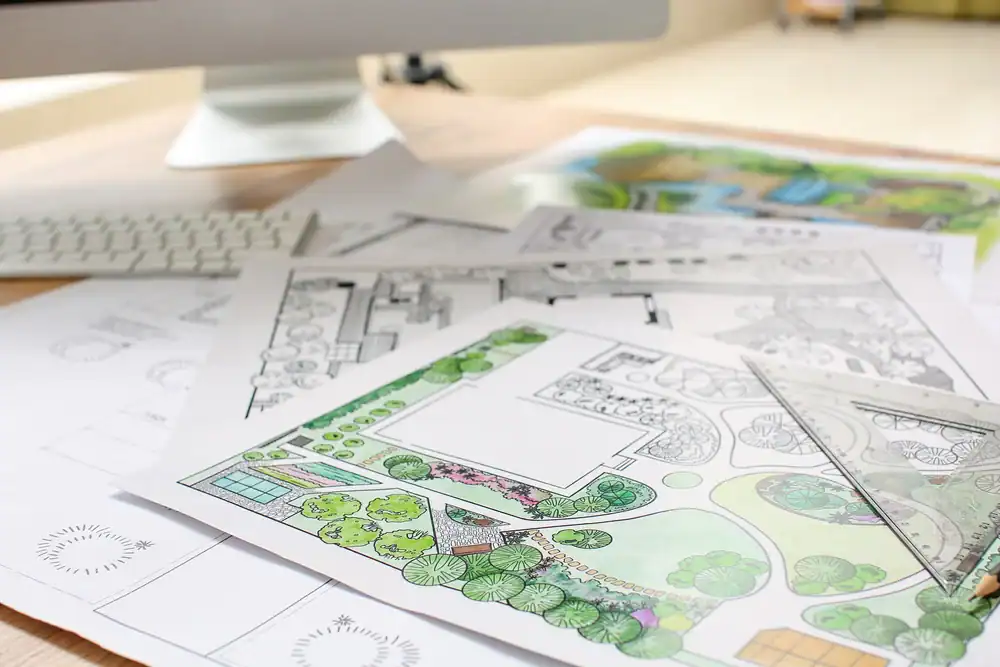
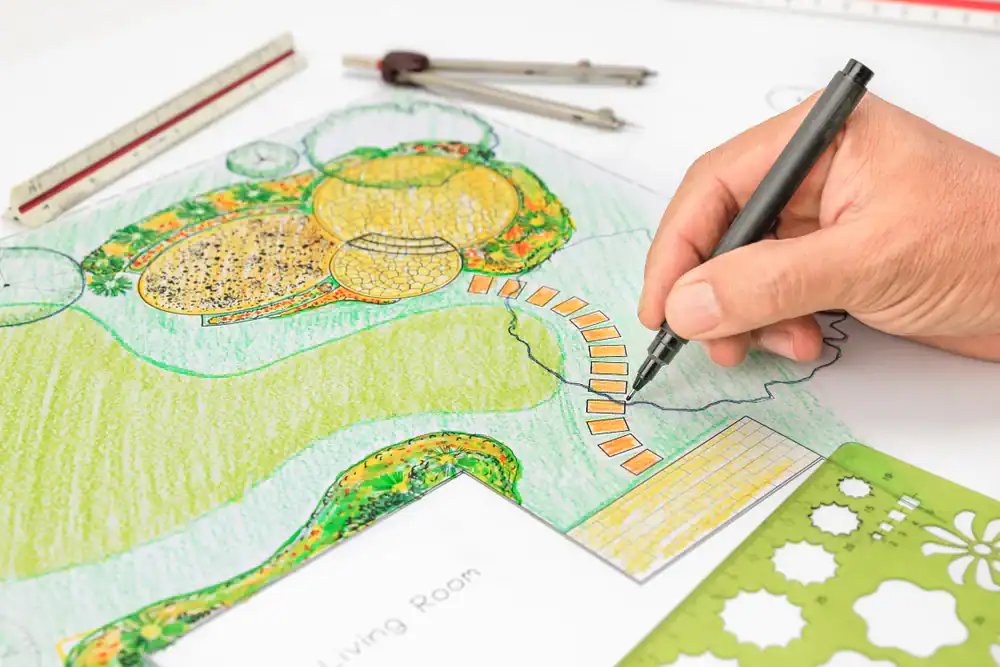
From there, you get a custom design drawing that shows exactly what goes where and why. We’re selecting plants based on Florida-Friendly Landscaping principles—species that handle heat, humidity, and occasional frost without constant intervention. If hardscaping is part of the plan, we map out pavers, retaining walls, or fire features that complement the plantings and improve drainage.
Once you approve the design, our crews handle permits, installation, and irrigation setup. We’re coordinating everything on our end so you’re not managing timelines or chasing subcontractors. And because we’re state-licensed for irrigation in Florida, the system gets designed to meet water regulations and actually work efficiently.
After installation, you know exactly what maintenance looks like. No surprises six months later when plants start struggling because they were placed in the wrong zone or watered incorrectly.
Ready to get started?
A landscape designer in Silver Springs, FL should be doing more than picking plants out of a catalog. You’re getting site analysis that factors in Citrus County’s unique conditions—soil that ranges from sandy to clay-heavy, microclimates that vary by neighborhood, and storm patterns that make drainage critical.
Plant selection focuses on species adapted to Central Florida’s temperature swings. We’re talking 30-degree winter mornings and 110-degree summer afternoons. That rules out a lot of what looks good at the nursery but dies by July. Instead, you get natives and adapted varieties that require less water, resist pests better, and recover faster after storms.
Hardscaping installation—pavers, walkways, retaining walls—gets designed to manage water flow, not block it. In Silver Springs, FL, where torrential rains can drop inches in an hour, that’s the difference between a flooded yard and one that drains properly. Irrigation systems get zoned by plant type so you’re not overwatering some areas and underwatering others.
If you’re working within HOA guidelines across Citrus, Marion, Hernando, or Sumter Counties, we handle that too. Permit applications, compliance checks, and design adjustments that meet community standards without compromising function.
Focus on native and adapted species with strong root systems and flexible trunks. Live Oak, Sabal Palm, and Southern Magnolia are proven performers in Central Florida hurricanes because they bend under wind pressure instead of snapping. Shallow-rooted ornamentals and top-heavy exotics are usually the first casualties.
Placement matters as much as species. Grouping trees too close together creates wind tunnels. Planting large canopy trees near structures increases the risk of roof damage. A good landscape designer in Silver Springs, FL spaces plants to allow wind to pass through and positions larger specimens away from buildings.
Post-storm recovery depends on root health and drainage. Even hurricane-resistant plants struggle if their roots are sitting in standing water for days after heavy rain. Proper grading and drainage design during installation makes a measurable difference in how quickly your landscape bounces back. Fresh water and patience are your biggest recovery tools, but starting with the right plants in the right locations reduces the damage in the first place.
Florida-Friendly Landscaping is a set of principles designed specifically for the state’s climate, water resources, and environmental conditions. It prioritizes native and adapted plants that need less irrigation, fertilizer, and pesticides. Regular landscape design might look good initially but often requires constant intervention to keep plants alive in Florida’s heat and humidity.
The core difference is water efficiency. Florida-Friendly designs group plants by water needs—drought-tolerant species together, moisture-loving plants in another zone. That prevents overwatering, which is a major contributor to stormwater runoff and pollution in Central Florida. It also cuts your water bill significantly compared to landscapes that treat every plant the same.
You’ll also see more emphasis on mulch, proper irrigation zones, and pest-resistant species. In Silver Springs, FL, where soil conditions and rainfall vary widely, following these principles means fewer dead plants, lower maintenance costs, and a landscape that actually thrives instead of just surviving. It’s not about sacrificing aesthetics—it’s about choosing beauty that doesn’t fight the environment.
Site analysis and design typically take one to two weeks, depending on property size and complexity. If you’re in an HOA, add another week for guideline review and any required pre-approval. The design phase includes soil testing, drainage assessment, sun exposure mapping, and plant selection based on your specific microclimate.
Installation timelines vary based on scope. A straightforward planting project with irrigation might take one to two weeks. Add hardscaping—pavers, retaining walls, fire features—and you’re looking at three to four weeks. Larger properties or projects requiring significant grading and drainage work can extend to six weeks or more.
Permits can add time if your project involves irrigation system installation or structural changes. In Citrus County, permit processing usually takes one to two weeks. We handle all of that on our end, so you’re not tracking down approvals or coordinating inspections. Weather also plays a role—summer thunderstorms in Silver Springs, FL can delay outdoor work, especially concrete pours and paver installation that need dry conditions to cure properly.
You want a landscaping company in Silver Springs, FL with state-licensed irrigation crews on staff. Hiring separate contractors means coordinating schedules, managing communication between teams who’ve never worked together, and hoping the irrigation installer understands the landscape designer’s plant selections and water requirements. It’s a common source of project delays and mistakes.
When irrigation is handled in-house, the system gets designed alongside the landscape plan. Zones are mapped to match plant groupings—drought-tolerant natives on one zone, moisture-loving ornamentals on another. Sprinkler heads are positioned to avoid overspray onto hardscaping. Timers are programmed based on actual plant needs, not generic factory settings.
Florida requires state licensing for irrigation installation, and for good reason. Poorly designed systems waste water, violate local regulations, and create conditions where plants either drown or dry out. Our irrigation crews are state-licensed and work directly with the design team. That means fewer callbacks, better plant health, and a system that complies with Citrus County water use rules from day one.
Landscape design costs depend on project scope, property size, and what you’re including. A design consultation with basic planting plans might start around $800 to $1,500. Add hardscaping, irrigation, grading, or significant drainage work, and costs increase accordingly. Full-property designs with custom pavers, retaining walls, and irrigation systems typically range from $5,000 to $15,000 or more.
In Silver Springs, FL, you’re also paying for local expertise. A landscape designer who understands Citrus County’s soil conditions, climate quirks, and HOA requirements saves you money long-term by avoiding plant failures, drainage problems, and compliance issues. Cheap designs often use cookie-cutter plant lists that don’t account for microclimates or storm resilience—leading to costly replanting within a year or two.
Hardscaping costs vary by material. Tremron, Belgard, and Flagstone pavers are premium options with better warranties and longevity compared to budget alternatives. Retaining walls, fire features, and outdoor lighting add to the total but also increase property value and usability. The key is getting an itemized estimate that breaks down design fees, materials, labor, permits, and irrigation so you know exactly what you’re paying for and why.
Yes, and it’s one of the most valuable services a local landscaping company in Silver Springs, FL can offer. Storm cleanup involves more than hauling debris—it requires assessing which plants can recover, which need removal, and how to prevent the same damage next time. A landscape designer evaluates root systems, checks for structural damage to trees near buildings, and identifies drainage issues that worsened flooding.
Replanting after a hurricane is an opportunity to improve resilience. Instead of replacing damaged plants with the same species in the same locations, a smart redesign uses hurricane-resistant varieties, improves spacing to reduce wind tunnels, and upgrades drainage to handle heavy rain. Many homeowners in Central Florida replant the same way twice and end up with the same results after the next storm.
We’ve assisted with hurricane cleanup across Citrus County for years. We’ve seen what survives and what doesn’t. Post-storm recovery focuses on fresh water for salt-damaged plants, proper pruning to remove broken limbs, and patience while root systems stabilize. But the real value is redesigning your landscape to withstand the next hurricane—because in Florida, there’s always a next one. If your current setup didn’t make it through the last storm, it’s worth rethinking the design entirely.
Useful Links
Other Services we provide in Silver Springs