
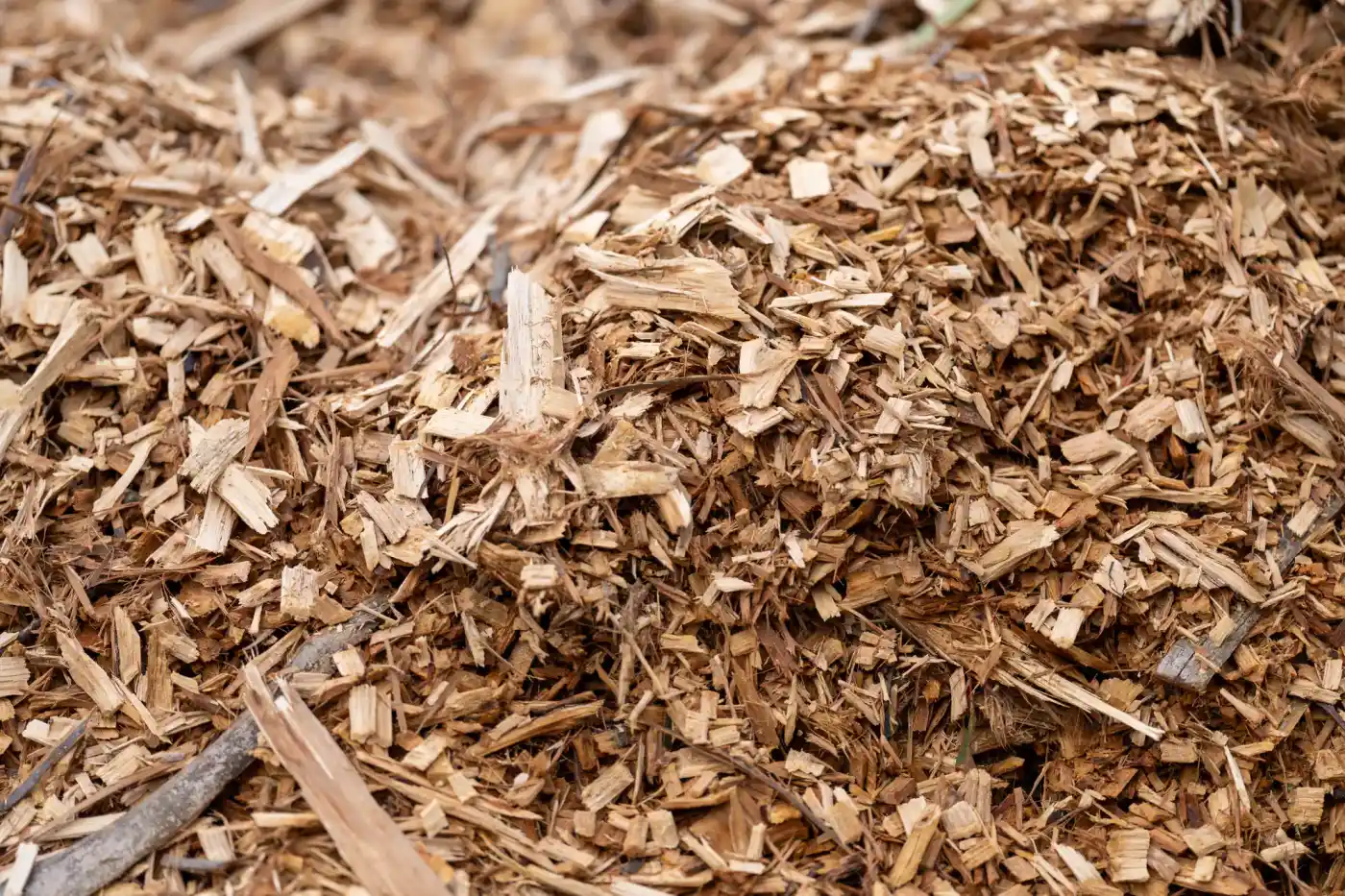
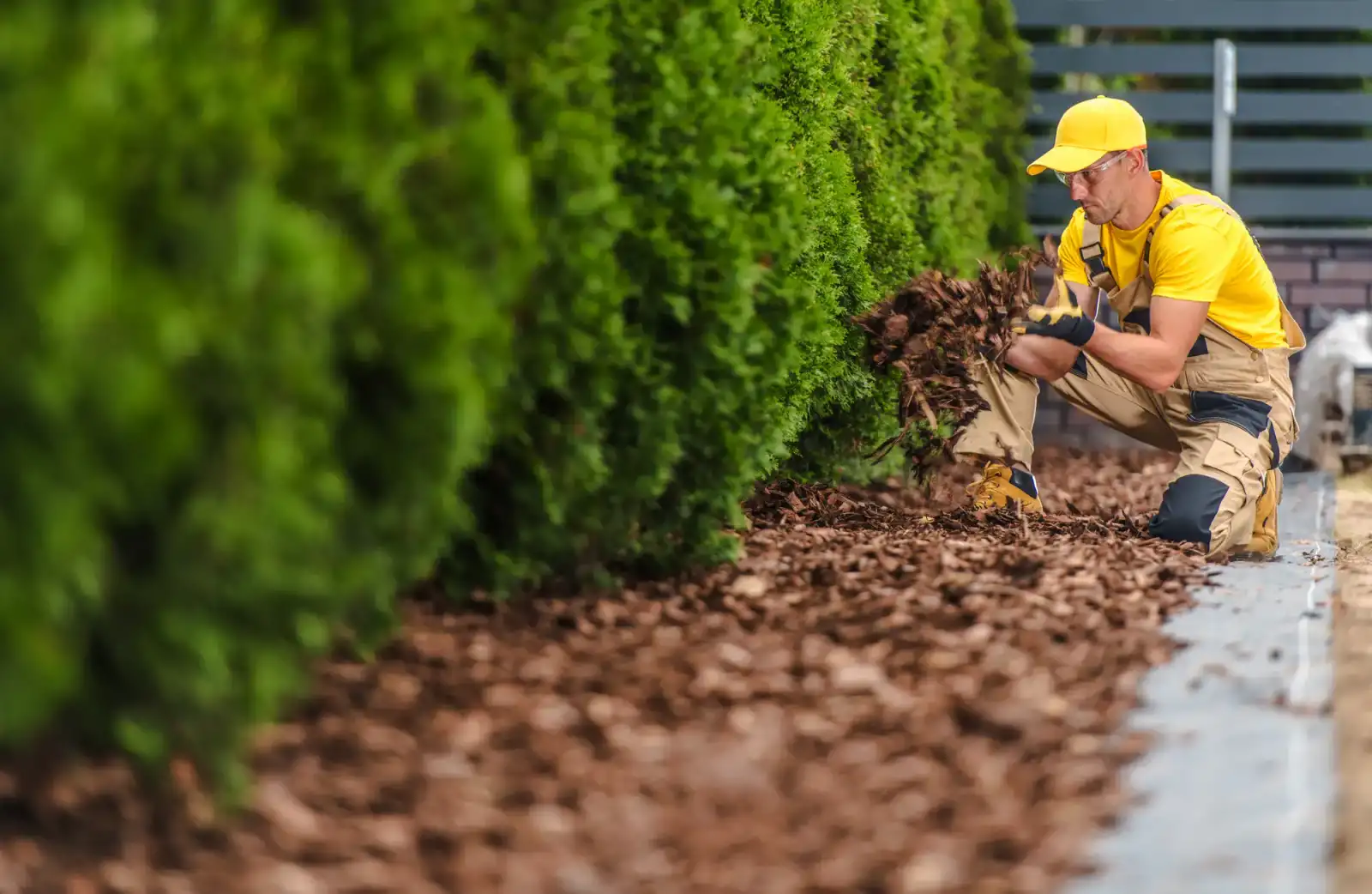
The sandy, nutrient-thin soils around Silver Springs drain fast — faster than most of Florida. When there’s nothing covering that soil, moisture disappears between rain events, roots stress out in the summer heat, and weeds move in like they own the place. A proper mulch layer changes all of that. It slows evaporation, keeps soil temperatures from spiking, and gives your plants a real fighting chance through the long dry season that stretches from October into May.
There’s also the erosion side of things. When Silver Springs’ summer storms roll through — and they come in hard — bare soil washes. Mulch absorbs that impact and keeps your topsoil and nutrients where they belong. For properties near the Silver River corridor or anywhere close to the Silver Springs State Park conservation areas, that also means less runoff reaching a watershed that the whole community cares about protecting.
And then there’s the visual difference. Fresh mulch gives your beds clean edges and a finished look that stands out — especially in a neighborhood where there’s no HOA setting the standard. That curb appeal is yours to own, and it starts with what’s on the ground.
We’ve been working in north-central Florida since 1995 — long enough to know exactly what the sandy Marion County soil does to a landscape when it’s left unprotected. We started in Citrus County as a family-owned operation, and that’s exactly what we still are. No franchise. No rotating crews from out of the area. Just a team that’s been doing this work long enough to do it right the first time.
Silver Springs is the kind of community where people notice the details — you chose to live near one of Florida’s most celebrated natural landmarks, and your property should reflect that same sense of care. We bring that same standard to every job, whether it’s a modest front bed along SR 40 or a larger rural lot on the edge of the Ocala National Forest. The work is done thoroughly, the cleanup is complete, and the result looks exactly like it should.
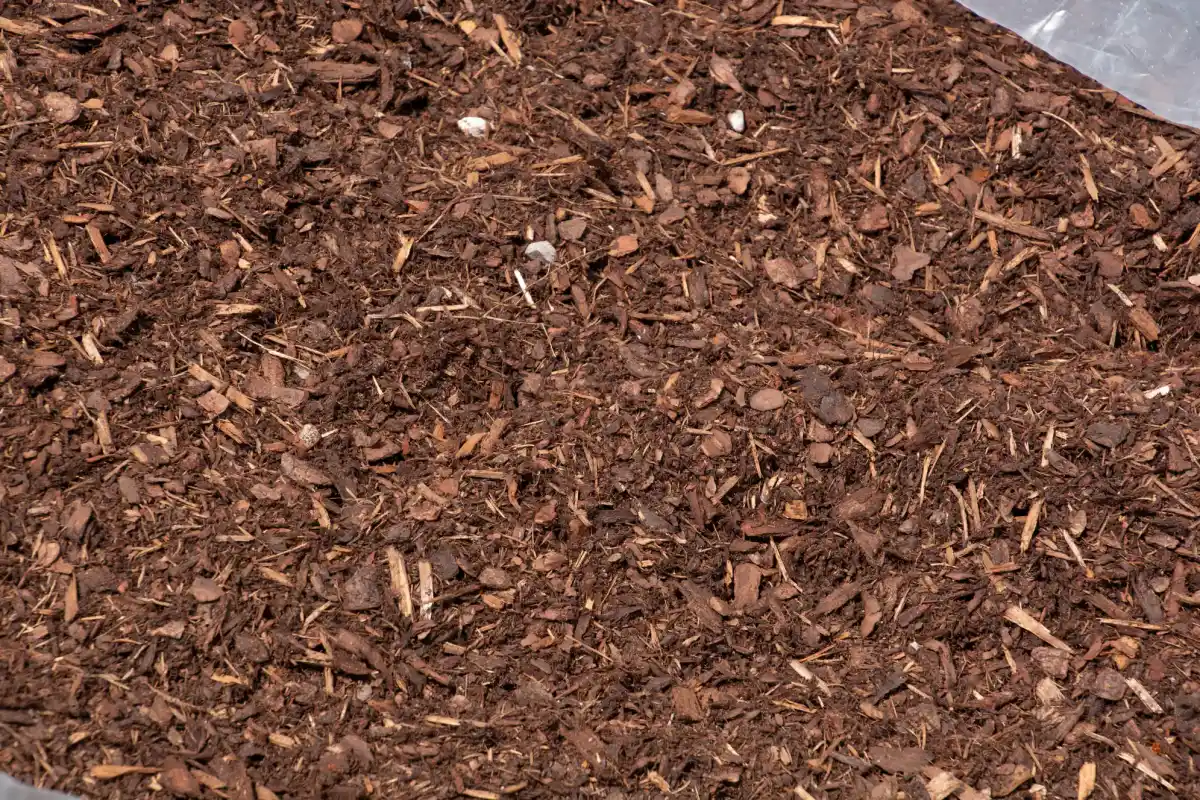
It starts with a walkthrough of your property. Before anything gets applied, our team takes a look at your existing beds, the condition of the soil, what’s already growing, and where the problem areas are. In Silver Springs, that often means identifying spots where the sandy soil has dried out and compacted, where weeds have already taken hold, or where tree roots are sitting too exposed. That assessment shapes everything that follows.
From there, existing beds are prepped — old mulch that’s broken down past usefulness gets cleared, edges are cleaned up, and any significant weed growth is addressed before the new material goes down. Then comes the application itself. Organic mulch is applied at the right depth for Marion County’s climate — typically two to three inches — enough to retain moisture and block weed germination without suffocating plant roots or piling up against tree trunks, which is one of the most common mistakes in DIY mulch jobs.
Timing matters here too. Spring applications before the summer heat sets in are ideal for moisture retention going into the wet season. A second top-dress in the fall helps protect roots through the occasional cold snaps Silver Springs sees in Zone 9a. We can walk you through what schedule makes the most sense for your specific property.

Ready to get started?
Every mulching job we perform covers the full scope — bed prep, edge cleanup, material selection, and application. The mulch type we recommend for your property will depend on what you’re growing, how much sun exposure your beds get, and how quickly organic material breaks down in your specific conditions. In Silver Springs, where the heat accelerates decomposition and sandy soil benefits most from materials that improve organic content over time, shredded hardwood bark and pine bark are often the right call. Pine straw is another option for properties with established pine canopy, which is common on larger lots near the Ocala National Forest.
Marion County doesn’t require permits for routine landscape mulching, so there’s no red tape slowing the process down. And because most Silver Springs properties don’t fall under HOA guidelines, you have real flexibility in how your landscape is managed — the standard is set by what you want it to look like, not a rule sheet.
We also extend Military and First Responder discounts on all services, including residential mulching. If that applies to you, mention it when you reach out. We serve the full Silver Springs area, from properties along the SR 40 corridor to rural parcels further east toward the forest. Whatever the size of the job, our approach stays the same — thorough, clean, and done right.

For most Silver Springs properties, once a year is the minimum — but twice a year gives you noticeably better results. The reason is straightforward: Florida’s heat and humidity break down organic mulch faster than in cooler climates, and Silver Springs’ sandy soil means there’s very little natural moisture retention to fall back on once the mulch layer thins out.
A spring application before the wet season kicks in is the most important one. It sets your beds up to retain moisture through the summer heat and handle the heavy afternoon storms that roll through Marion County from June through September. A lighter top-dress in the fall — as the dry season begins — gives your plant roots insulation heading into the cooler months. Silver Springs sits in USDA Hardiness Zone 9a, which means frost is possible, and a fresh mulch layer in October or November provides real protection when temperatures dip unexpectedly.
Sandy soil is the defining challenge for Silver Springs gardeners, and the right mulch choice makes a real difference. Shredded hardwood bark and pine bark are generally the strongest performers here — they break down slowly enough to provide lasting coverage, and as they decompose, they gradually add organic matter back into soil that naturally lacks it. That soil-building effect compounds over time, which is one reason consistent mulching pays off more in this area than in parts of Florida with heavier, more nutrient-rich soils.
Pine straw is a solid option for properties with established pine trees, which is common on larger lots east of Silver Springs toward the Ocala National Forest. It’s lightweight, easy to apply around shallow-rooted plants, and acidifies the soil slightly — which some plants prefer. What you generally want to avoid in this area is dyed wood chip mulch made from recycled lumber. It doesn’t improve soil health the way organic bark products do, and it can introduce chemicals you don’t want near edible plants or close to a watershed as sensitive as the Silver Springs springshed.
Two to three inches is the standard for most planting beds, and that depth is particularly important in Silver Springs where the sandy soil dries out quickly. Less than two inches and you lose most of the moisture retention benefit — the sun burns through it too fast, especially during the dry season. More than four inches and you risk suffocating plant roots by cutting off airflow and trapping too much moisture against the crown of the plant.
Around trees, the most important rule is to keep mulch away from the trunk itself. A common mistake — sometimes called “volcano mulching” — is piling mulch up against the base of a tree in a cone shape. That traps moisture against the bark, invites disease and pests, and can eventually girdle the tree. The correct approach is to mulch in a flat layer that extends out to the drip line of the tree, with a clear gap of a few inches around the trunk. For the large oaks and pines that are common on Silver Springs properties, getting this right matters — those are established trees worth protecting.
Yes — and in Silver Springs, that reduction is more significant than most people expect. Because the soil here drains so quickly, unprotected beds can dry out within a day or two of watering during the dry season. A properly applied mulch layer slows that evaporation dramatically, meaning the water you put in — whether from irrigation or rainfall — stays in the root zone longer instead of disappearing into the sandy substrate below.
For homeowners on well water, which is common in the Silver Springs area, that translates directly into less pump usage and lower energy costs. For those on Marion County utilities, it means fewer irrigation cycles per week. Either way, the savings add up over the course of a dry season that runs roughly seven months. It’s also worth noting that healthier, better-hydrated plants need less supplemental fertilization — which matters in a community that sits within the Silver Springs springshed, where reducing nutrient runoff into the local water table is genuinely important.
Spring is the most popular window — and for good reason. Scheduling mulching in March, April, or early May puts a fresh layer down before the summer heat peaks and before the wet season arrives. Your beds go into the hottest, rainiest months already protected, which means better moisture retention when temperatures climb and better erosion control when the storms hit.
Fall is the second-best time and often gets overlooked. As Silver Springs transitions out of the wet season in October, a top-dress of mulch helps retain whatever soil moisture remains and insulates roots against the cold snaps that Zone 9a brings. Winter mulching is also worth considering if you have tropical or sub-tropical plants that are frost-sensitive — a fresh layer before a cold front can make the difference between a plant that bounces back in spring and one that doesn’t survive. We can help you figure out the right timing based on what’s growing on your property and what your beds currently look like.
Yes — we offer discounts for Military and First Responder clients on all services, including residential and garden mulching. Silver Springs and the surrounding Marion County area have a meaningful number of veterans, active-duty families, law enforcement officers, firefighters, and EMS personnel, and this discount is a straightforward way of recognizing that service when you reach out for a quote.
To take advantage of it, just mention your status when you contact us. There’s no complicated verification process — it’s handled simply and respectfully. The discount applies whether you’re scheduling a one-time mulch refresh or setting up a recurring seasonal program. If you’re a First Responder or have served, it’s worth asking about when you call or submit a request online.
Useful Links
Other Services we provide in Silver Springs