
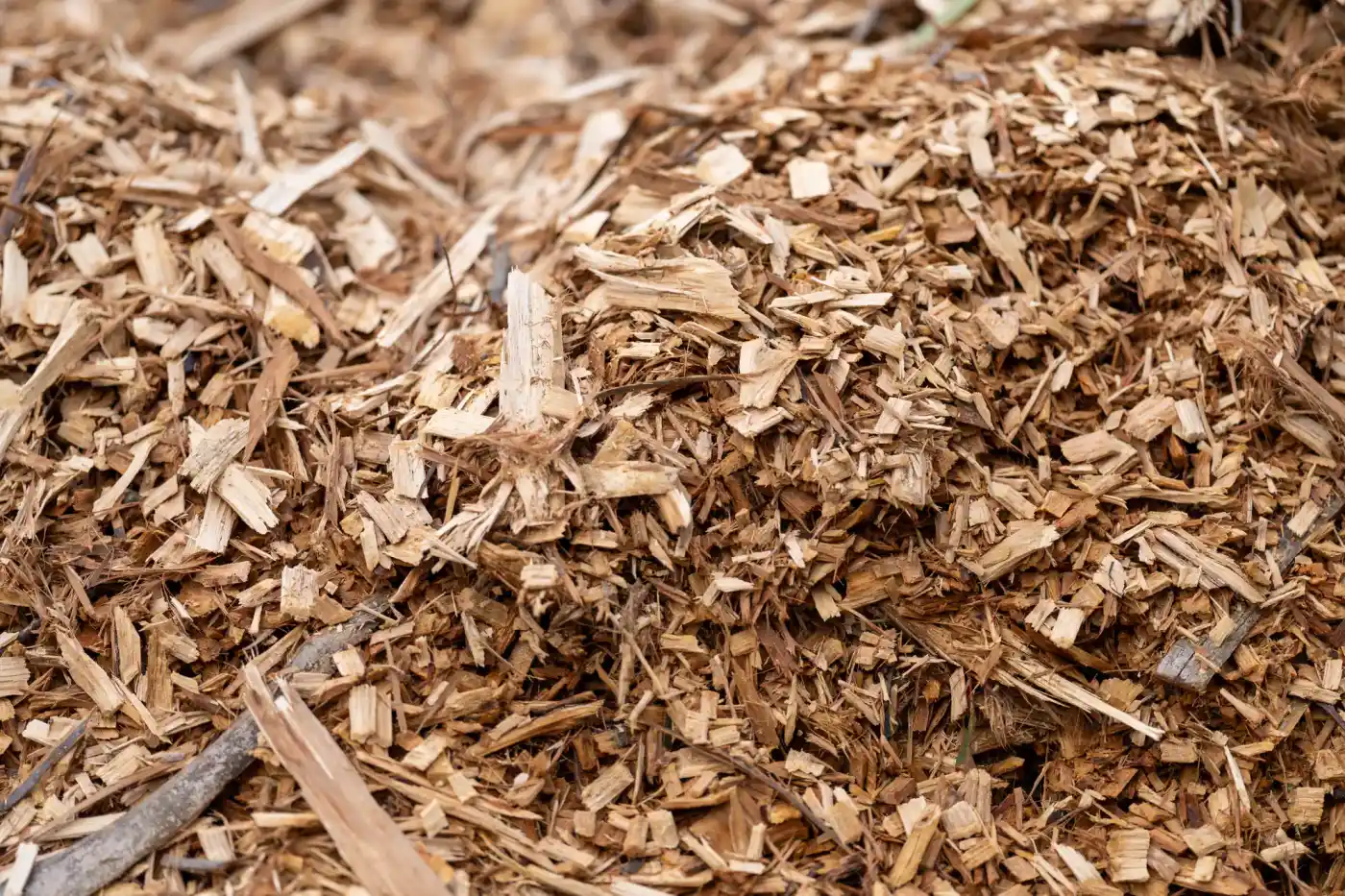
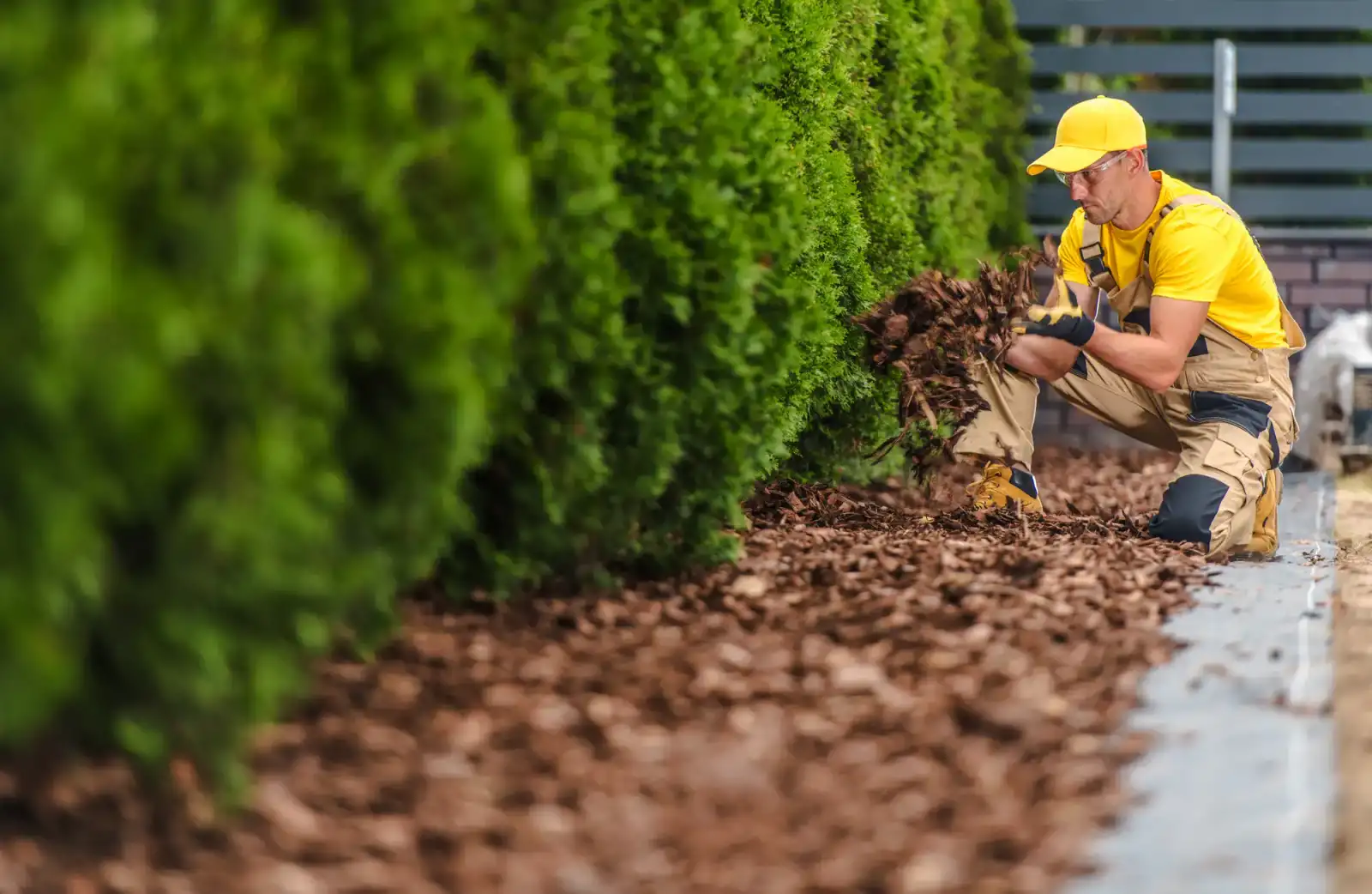
Hernando Beach isn’t your typical Florida neighborhood. The properties here sit on former coastal terrain — sandy, porous soil that loses moisture fast and doesn’t hold nutrients the way inland soil does. When mulch is applied correctly and at the right depth, that changes. Your beds retain moisture through the dry season, your plants stop fighting the soil, and the weeds that would otherwise take over during Florida’s wet months don’t get the foothold they’re looking for.
For waterfront and canal-adjacent properties — which is essentially every home in Hernando Beach — there’s another layer to consider. Salt spray, tidal fluctuation near the North Section canals, and the brackish spring-fed water in the South Section all put stress on landscape beds that most landscapers don’t think twice about. The right mulch, applied by someone who understands what coastal conditions actually do to soil and plant roots, makes a real difference in how your landscape holds up through summer heat, dry season drought, and the next storm that rolls through.
And after Idalia dropped three to four feet of surge on this community in 2023, followed by Helene in 2024, a lot of Hernando Beach homeowners know firsthand what storm-stripped beds look like. Fresh, professionally applied mulch is a direct part of that recovery — and it’s one of the most effective things you can do to help your soil and plants bounce back.
Mainstreet Landscaping has been a family-owned operation out of Citrus County since 1995. That’s three decades of working through Florida’s hurricane seasons, learning what coastal soils actually need, and building a reputation in communities up and down the Nature Coast — including right here in Hernando Beach.
We’re not a company dispatched from Tampa that plugs your zip code into a route. Our team knows the difference between a North Section canal-front property with direct Gulf access and a deed-restricted South Section lot with spring-fed brackish canals. That distinction matters when it comes to mulch selection, bed preparation, and how the work gets done near the water’s edge.
We’ve also shown up when it counts — actively assisting with hurricane cleanup after storms that hit this community hard. We offer military and first responder discounts because this area has people who’ve served, and that deserves recognition. The work is done right the first time, or we make it right. That’s our standard.
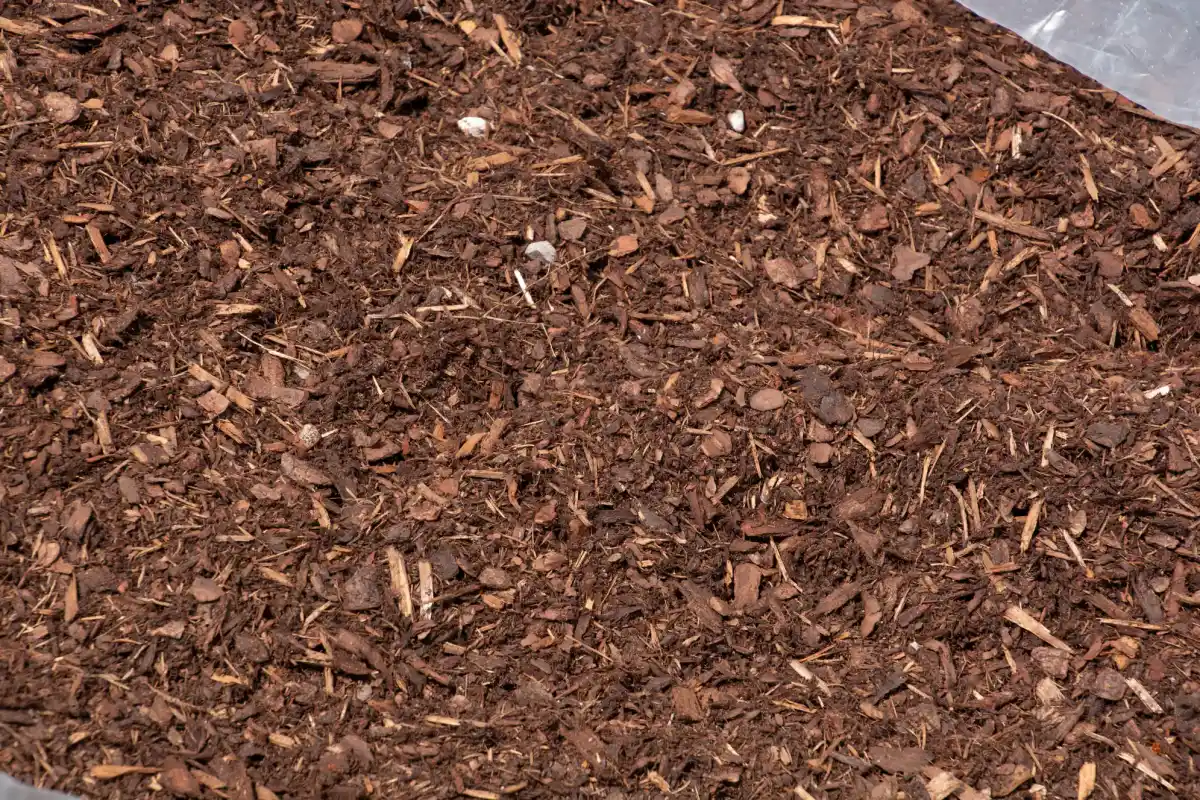
It starts with a look at what you’re working with. Before any mulch gets moved, we assess your beds — what’s there now, what condition the soil is in, whether there’s old mulch breaking down unevenly, and what the plant types in your beds actually need. For Hernando Beach properties, that assessment includes a read on proximity to the canals, salt exposure, and drainage patterns that are specific to your section of the community.
From there, we prepare the beds properly. That means edging clean lines, clearing out debris and weeds, and addressing any compaction or buildup that would prevent the new mulch from doing its job. In post-storm situations — which Hernando Beach residents have dealt with more than once — that preparation step also includes removing salt-laden debris and assessing whether the soil underneath needs any rehabilitation before fresh mulch goes down.
Then the mulch goes in at the right depth — typically two to three inches — with proper clearance kept from plant stems and root crowns. That detail alone prevents the fungal issues, pest harborage, and moisture damage that come from mulch piled up against plants. When the job is done, your beds have clean edges, even coverage, and the kind of finished look that holds up — not just for the photos, but through Florida’s heat, rain, and whatever the Gulf decides to throw at the coast next.
Ready to get started?
Mulching in Hernando Beach isn’t one-size-fits-all, and we build our service around that reality. The type of mulch we select for your property depends on where you are in the community, what plants you have, how your beds drain, and how close you are to the canal edge. Organic hardwood mulch is often the right call for beds that need moisture retention and gradual soil improvement — which describes most properties in Hernando Beach. But there are situations where other materials make more sense, and that recommendation comes from actually looking at your yard, not from a dropdown menu on a quote form.
Bed edging is part of the job, not an add-on. Clean edges are what separate a professional mulch installation from a DIY bag-and-spread. For homeowners in Hernando Beach South where the community maintains deed-restriction standards, that finished appearance matters — and it shows in the work.
We also offer recurring mulch refresh scheduling, which is particularly useful for Hernando Beach homeowners who rent their properties short-term or who simply want consistent curb appeal without having to track when the last service was done. Florida’s heat and humidity break down organic mulch faster than most people expect, and staying ahead of that with a scheduled refresh keeps your beds protected and your property looking the way it should — season after season.
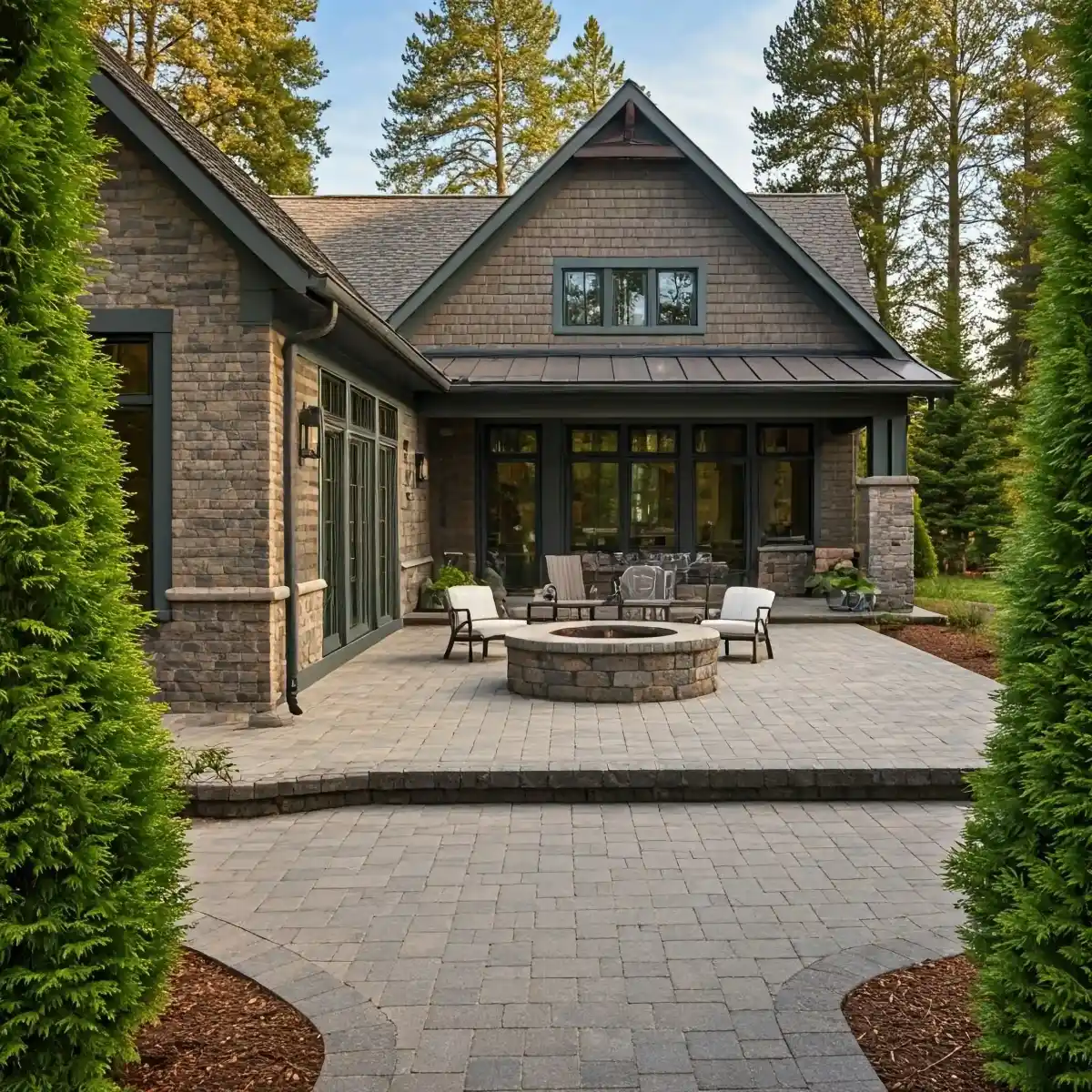
For most Hernando Beach properties, double-shredded hardwood mulch is a strong starting point. It breaks down gradually, which slowly improves the organic content of the sandy coastal soil that most homes here sit on. It also stays in place better than lighter materials during heavy rain — which matters when your property borders a canal or sits in a flood-prone section of the community.
That said, the right mulch depends on your specific situation. Properties in the North Section with direct Gulf-access canals deal with higher salinity and occasional tidal influence, which affects what plants you’re growing and how your beds behave. South Section lots with spring-fed brackish canals have different drainage patterns. A professional assessment of your beds — not a generic product recommendation — is the right starting point. We look at your property before recommending anything, because what works well on Hermosa Boulevard isn’t automatically the right call for a lot backing up to a canal off Bluefish Drive.
In Florida’s climate, organic mulch breaks down faster than it would in a cooler state — typically within 12 to 18 months in high-heat, high-humidity conditions. For Hernando Beach specifically, that timeline can be shorter if your beds took on storm surge or saltwater intrusion, which accelerates decomposition and can compromise the mulch’s ability to do its job.
A good general rule is to inspect your beds once a year and refresh when the depth has dropped below an inch and a half. Most professional installations aim for two to three inches of coverage, so when you’re down to an inch or less, you’ve lost most of the weed suppression and moisture retention benefit. If your property went through Idalia’s surge in 2023 or the flooding from Helene in 2024, there’s a reasonable chance your beds need a full refresh regardless of when they were last done. We can assess what’s actually there and tell you honestly whether a top-dress is enough or whether the beds need to be prepped and started fresh.
It genuinely helps — but only when it’s applied correctly. Weed suppression from mulch comes from blocking sunlight at the soil surface, which prevents most weed seeds from germinating. That requires consistent depth — at least two inches, ideally closer to three. When mulch is applied too thin, or when it’s been left in place so long that it’s compacted down to less than an inch, weed seeds find their way through without much trouble.
In Hernando Beach, the subtropical climate means weeds don’t take a real break. Florida’s wet season from June through September brings explosive growth, and even the dry months don’t fully stop warm-season weeds from pushing through. A properly installed mulch layer — with clean bed edges that close off the entry points along the perimeter — makes a meaningful difference in how much time you’re spending on weed control between service visits. It won’t eliminate every weed, but it significantly reduces them, and for homeowners here who’d rather be out on the water than pulling weeds in the heat, that’s a practical benefit that adds up quickly.
Yes, and it’s one of the more overlooked parts of post-storm landscape recovery. When storm surge moves through a property — like the three to four feet Hernando Beach took from Idalia in 2023 — it doesn’t just knock things over. It deposits debris, introduces salt into the soil, strips existing mulch, and leaves beds in a condition where plants are already stressed and the soil has lost what little organic buffer it had.
Fresh mulch after a storm event does a few things. It helps regulate soil temperature and moisture while stressed plants are trying to recover. It begins rebuilding the organic layer that saltwater intrusion stripped away. And it gives the beds a clean surface that makes it easier to see what’s surviving, what needs to be replaced, and where the soil may need additional amendment. We’ve assisted with hurricane cleanup in this community and understand what post-storm landscape restoration actually involves — it’s not just about aesthetics, it’s about giving your plants the best possible environment to come back.
There is if it’s done wrong — and that’s one of the more common issues that comes from DIY mulching or from crews that move fast without paying attention. Mulch piled against plant stems and root crowns traps moisture in a way that promotes fungal disease and rot. In Florida’s humidity, that damage can happen faster than you’d expect. The fix is straightforward — maintain clearance between the mulch and the base of every plant — but it requires paying attention on every bed, not just the ones that are easy to reach.
Near the canal edge, the concern is different. Lightweight mulch can float during heavy rain or minor flooding events, which means it ends up in the water rather than on your beds. Choosing the right material and keeping the mulch line back from the actual canal bank is how you avoid that. Hernando Beach is unincorporated Hernando County, and properties near the water fall under environmental buffer guidelines that affect what can be done right at the water’s edge. We know where those boundaries are and work accordingly.
Yes. We offer discounts for military personnel and first responders, and it applies to mulching services along with everything else we do. Hernando County has a real veteran and retiree population — Hernando Beach in particular draws a lot of people who served and then chose the Nature Coast for exactly the kind of quiet, waterfront lifestyle this community offers. Recognizing that with a tangible discount is a straightforward way of acknowledging the people who make up this community.
If you’re eligible, just mention it when you reach out. There’s no complicated process or paperwork required. The discount gets applied to your service, and the work gets done to the same standard regardless — clean beds, correct depth, proper edging, and the kind of finished result that holds up through Florida’s seasons. If you’re a first responder working out of Hernando County and you’ve been putting off getting your beds done, this is a good time to make that call.
Useful Links
Other Services we provide in Hernando Beach