
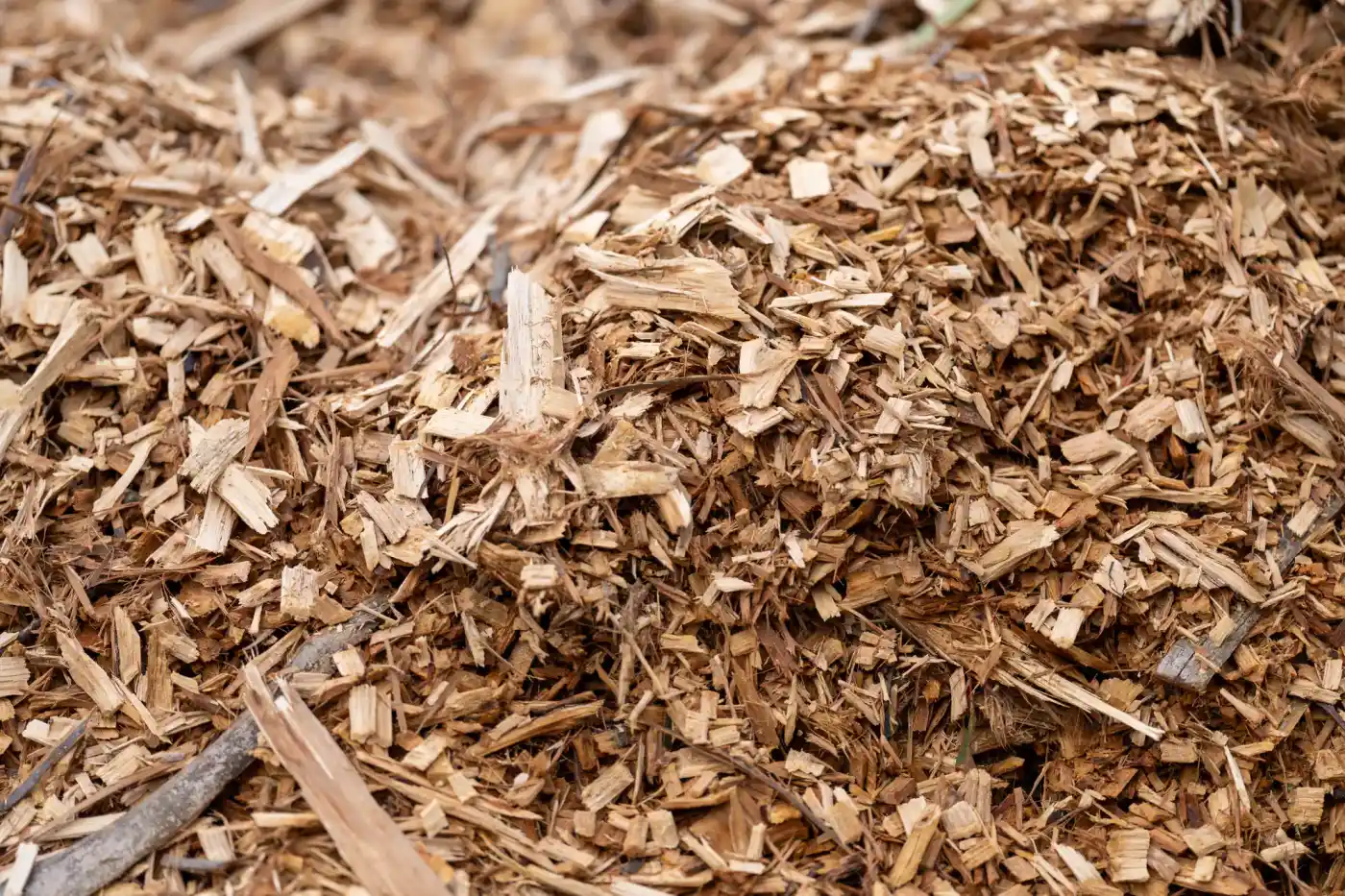
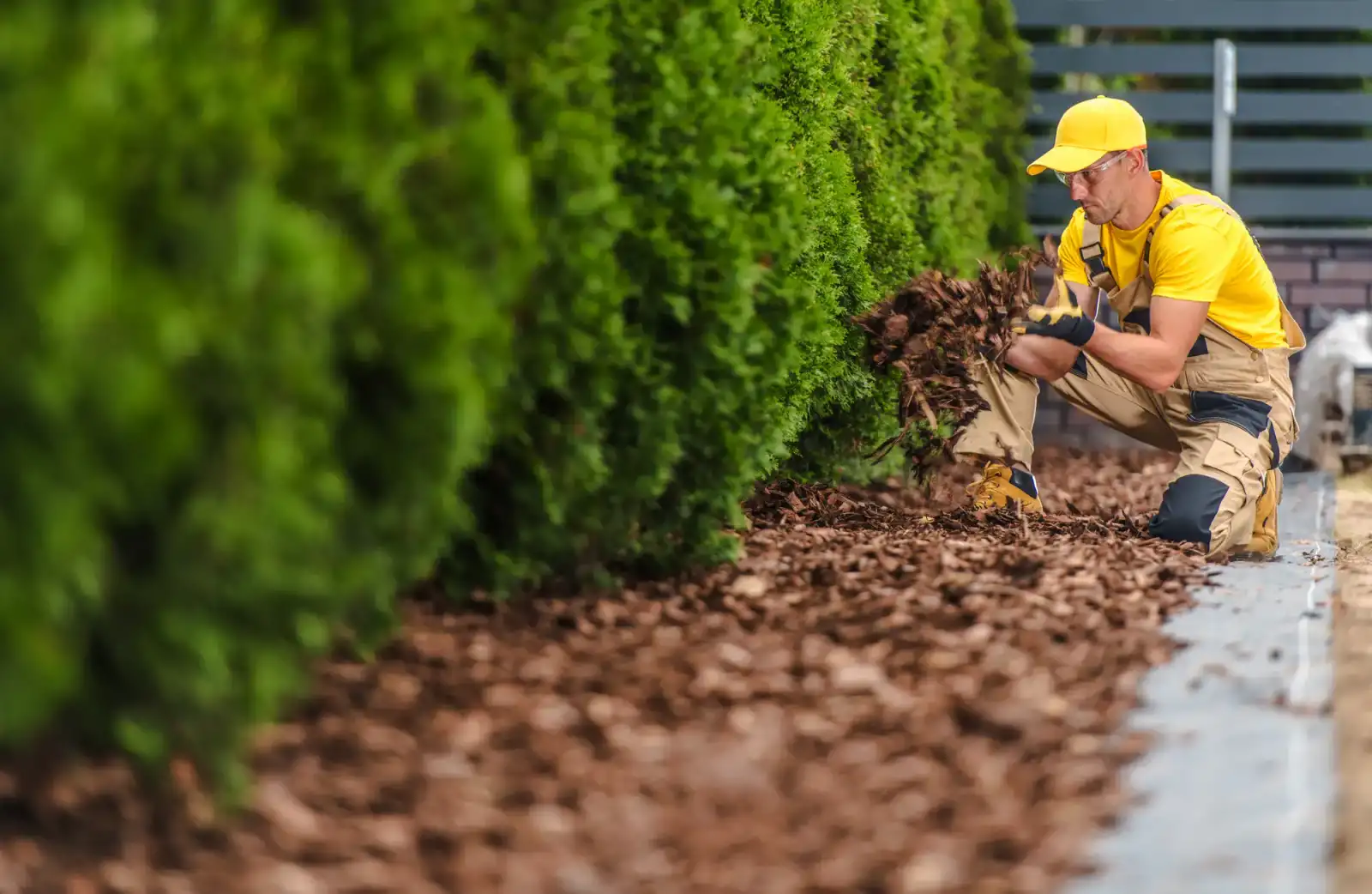
If you’ve ever watched a freshly watered bed dry out within a day or two, that’s not bad luck — that’s the Brooksville Ridge doing what it does. The sandy, well-drained soils that run through eastern Hernando County are part of what makes this area feel like real Florida, but they also mean your plant roots are working harder than they should to stay hydrated. A properly installed layer of mulch slows that moisture loss significantly, which translates directly to less time running irrigation and lower water bills through the dry season.
Then there’s the slope factor. The rolling hills that give Hill ‘N Dale its name aren’t just scenic — they’re a real challenge during Hernando County’s rainy season. When those summer thunderstorms roll through from June to September, unprotected landscape beds on any kind of grade can lose soil fast. Mulch absorbs the impact of heavy rain, slows runoff, and holds the ground in place so your beds stay where you put them.
Beyond moisture and erosion, a clean mulch installation just changes how your property looks. Defined beds, uniform coverage, fresh color — it’s one of the highest-ROI improvements you can make to your home’s exterior without touching a single plant.
We’ve been a family-owned and operated business since 1995 — and not just anywhere, but right here in Hill ‘N Dale and the greater Hernando and Citrus County region. That means nearly three decades of working in the same subtropical heat, the same sandy ridge soils, and through the same dry winters and stormy summers that you deal with every year on your property.
We hold authorized contractor status with Tremron, Flagstone, and Belgard, and we’re the exclusive Seal ‘n Lock distributor in the county. Those aren’t just credentials for hardscape work — they reflect the standard we hold across everything we do, including mulching. When we show up, the expectation is the same regardless of the job size.
Residents along the US 98 corridor from Brooksville out to Ridge Manor know what it means to find a landscaping company that actually understands the terrain here. We do. We’ve been working it long enough to know exactly what your beds need and when they need it.
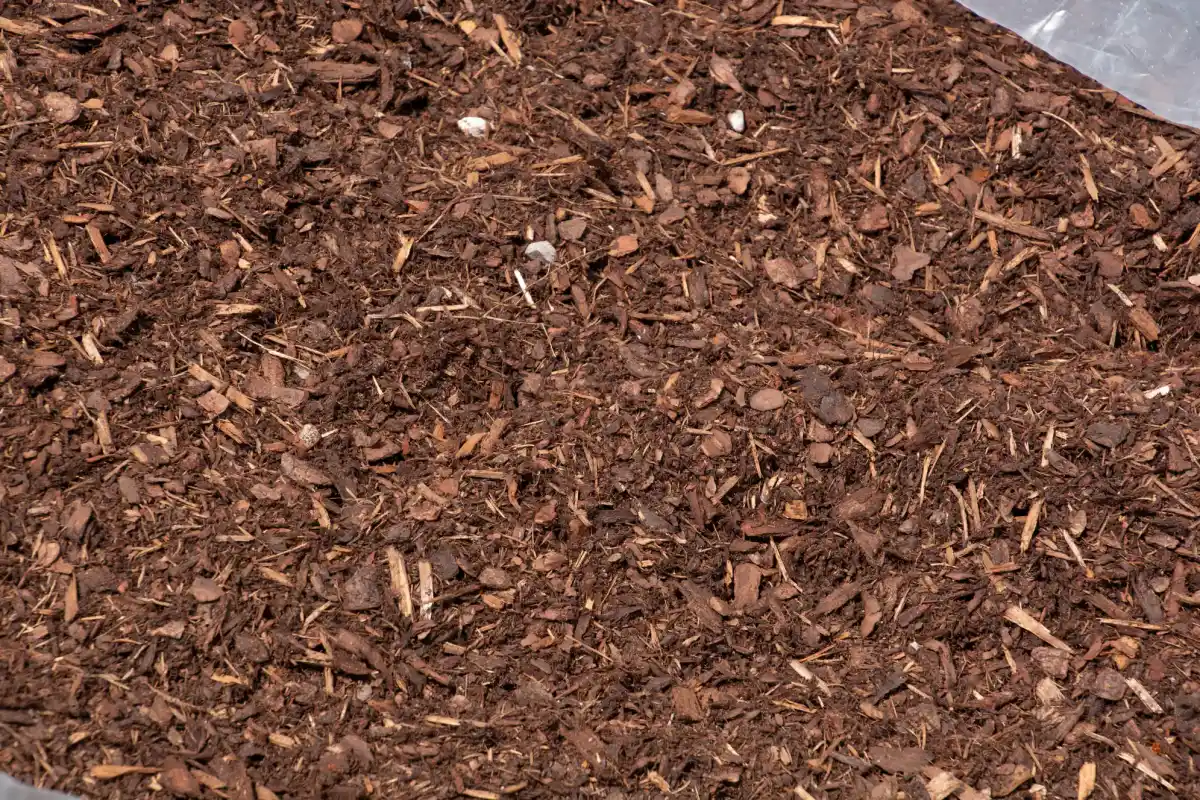
A lot of homeowners assume mulching is just showing up with material and spreading it. The part that actually makes the difference happens before any mulch touches the ground. The process starts with a walkthrough of your beds — assessing what’s there, what needs to come out, and what kind of mulch is going to perform best for your specific plant mix and soil conditions. On the Brooksville Ridge, that usually means prioritizing moisture retention and erosion control alongside aesthetics.
From there, the beds get cleaned out and edged. Weeds are removed, old broken-down material is cleared, and the edges are defined so the finished product actually looks finished. If a pre-emergent treatment makes sense for your situation, that gets discussed before anything is installed — not after. This matters more in Hernando County than people realize, especially given the county’s fertilizer ordinance that restricts what you can apply during the rainy season. Getting ahead of weed pressure with the right mulch depth and bed prep is the smarter move.
Once the beds are ready, mulch goes down at the right depth — typically two to three inches in Florida’s climate. Too thin and you lose the weed suppression and moisture benefit. Too thick and you risk fungal issues or root suffocation during humid months. It’s a straightforward process when you know what you’re doing, and the result speaks for itself.
Ready to get started?
Not every mulch type performs the same way in eastern Hernando County. The sandy soils on the Brooksville Ridge drain quickly, which means the mulch you choose has to work harder to hold moisture than it would in a heavier soil environment. We help you select the right material for your beds — whether that’s double-shredded hardwood for ornamental beds, pine bark for acid-loving plants, or a specialty option based on what you’re growing and where your beds sit on the property.
Every mulching job we do includes bed preparation — not just material delivery. That means weed removal, bed edging, and proper grade assessment before anything gets installed. For sloped properties along the ridge, that assessment matters. How the mulch is applied on a grade affects how well it stays put when the summer rains hit, and that’s not something you want to figure out after the fact.
Hernando County’s Florida-Friendly Landscaping guidelines recognize mulching as a core water conservation practice, and our approach aligns with those standards. If you’re a veteran, active-duty military member, or first responder — and there are plenty of you commuting through this area toward MacDill and beyond — ask about the discount that applies to your service. It’s a straightforward acknowledgment of what you do, applied directly to your invoice.
In Florida’s subtropical climate, organic mulch breaks down faster than it would in cooler states — typically within 12 to 18 months depending on the material and how much sun and moisture the beds receive. On the Brooksville Ridge where Hill ‘N Dale sits, summer heat and humidity are both intense, and that breakdown can happen on the shorter end of that range. You’ll usually know it’s time when the mulch layer looks thin, the color has faded significantly, or weeds are starting to push through more than usual.
For most Hill ‘N Dale homeowners, an annual refresh before the dry season — typically in late fall or early spring — gives you the best coverage going into the months when your soil loses moisture fastest. If you had a particularly rough rainy season with heavy storms, it’s worth checking the beds on any sloped areas of your property sooner. Erosion from summer thunderstorms can thin out a mulch layer faster than natural decomposition alone.
For most residential beds in eastern Hernando County, double-shredded hardwood mulch is a strong performer. It breaks down gradually, adds organic matter back into the sandy ridge soil as it decomposes, and knits together well enough to resist washing on sloped ground. Pine bark is a good option for beds with acid-loving plants like azaleas or gardenias, which are common in this area. It holds its color longer and breaks down more slowly than hardwood.
What you want to avoid is anything too fine or too light in texture — it tends to float during heavy rain events, which is a real issue on sloped Brooksville Ridge properties. Rubber mulch and decorative rock are options for areas where you want permanence and don’t need the soil amendment benefit, but they don’t contribute to soil health the way organic materials do. The right choice depends on what’s growing in the bed, how much slope you’re dealing with, and what your maintenance goals are — all things worth talking through before you commit to a material.
The best window for most Hill ‘N Dale homeowners is late fall through early spring — roughly October through March. That puts fresh mulch in place just before or during the dry season, when your soil is losing moisture fastest and your plant roots need the most insulation. Getting it done in this window also means you’re ahead of the weed pressure that picks up when the rainy season starts in June.
That said, mulching before the rainy season — April or May — is also a smart move if your main concern is erosion control on sloped beds. Getting a solid layer down before the heavy summer storms arrive gives it time to settle and bind before the first big rain hits. What you generally want to avoid is applying thick organic mulch during the peak of the rainy season, when high humidity and standing moisture can create fungal problems if the material is too deep or too dense. Timing it right makes a real difference in how the mulch performs through the year.
Yes — the Hernando County Main Landfill does offer free mulch and compost to residents, and it’s a legitimate resource for certain uses. If you’re filling a large area, covering a vegetable garden, or doing rough ground cover work, free county mulch can be a practical option. It’s worth knowing about.
Where it falls short is in landscape bed applications where appearance, consistency, and performance matter. County landfill mulch is typically unprocessed wood chip material — the quality and composition vary, it may contain weed seeds, and it doesn’t come with any bed preparation, edging, or professional installation. For ornamental beds, defined garden areas, or sloped terrain where erosion control matters, the difference between bulk chip material and a properly selected, professionally installed mulch layer is significant. The free material also doesn’t come with anyone assessing your soil conditions, choosing the right depth for your specific plants, or doing the bed cleanup that makes the finished result actually look good. If you want the job done right and the beds to hold up through Hernando County’s weather cycles, professional installation is worth the investment.
The standard recommendation for Florida landscape beds is two to three inches of mulch. That depth is enough to suppress weed germination by blocking light, retain meaningful soil moisture, and provide some insulation for root zones against both summer heat and occasional winter cold snaps — which do happen in Hernando County, even if they’re infrequent.
Going thinner than two inches and you lose most of the functional benefit — weeds push through, moisture evaporates quickly, and the visual result fades fast. Going thicker than three inches creates its own problems: in Florida’s humid conditions, a mulch layer that’s too deep can trap moisture against plant stems and crowns, encouraging fungal growth and rot. It can also prevent rainfall from reaching the root zone effectively. One thing worth noting specifically for Hill ‘N Dale properties: on sloped beds, a slightly firmer, more interlocking mulch material applied at the right depth will stay in place better than a loose, fine material applied too thick. Depth and material choice work together — getting both right is what separates a mulch job that lasts from one that needs to be redone in six months.
Yes, and it’s applied directly to your service — no hoops, no fine print. We offer discounts for military members and first responders, and that applies to mulching services the same as anything else we do.
Hill ‘N Dale sits right along the US 98 and I-75 corridor, and a significant number of residents in this area serve or have served — whether they’re commuting toward MacDill Air Force Base, working in Hernando County emergency services, or retired from a career in uniform. We’ve been part of this region since 1995, and the discount reflects a straightforward recognition of that community. If you qualify, just mention it when you reach out. It’s part of how we operate, not a promotional add-on.
Useful Links
Other Services we provide in Hill 'N Dale