
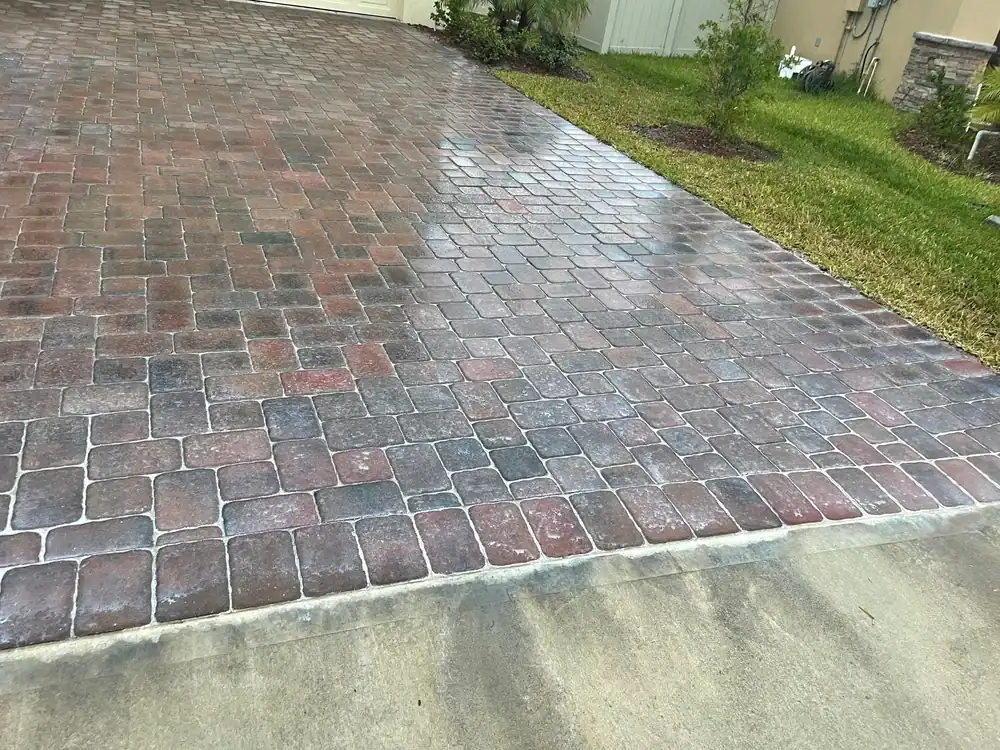
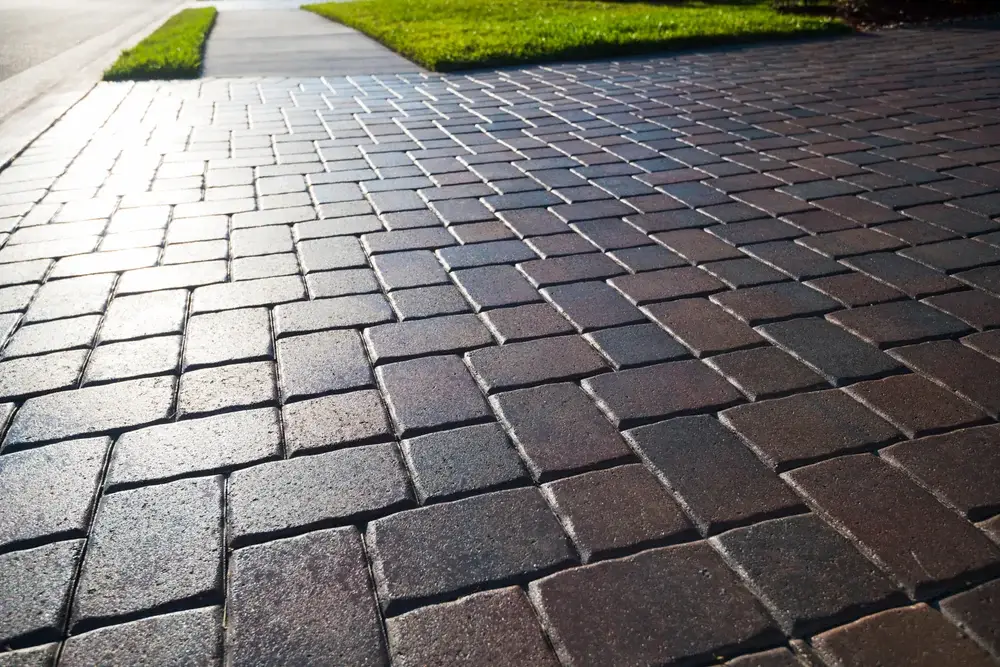
Your pavers aren’t just fading because they’re old. Florida’s UV exposure is relentless, and Hill ‘N Dale gets the full brunt of it. Every day without protection means more color loss, more sand erosion, and more moisture working its way into the concrete.
Sealing stops that cycle. You get a barrier that blocks UV rays, repels water, and locks your sand in place. That means your driveway, pool deck, or patio stays vibrant instead of turning dull and washed out within a few years.
You also avoid the headaches that come with deteriorating pavers. No more weeds pushing through the joints. No more oil stains that won’t come out. No more wobbly pavers after a heavy rain. Just a clean, protected surface that holds up to Florida weather without constant maintenance or expensive repairs down the road.
We’ve served Citrus County for nearly 30 years. We’re a family-owned paver sealing company in Hill ‘N Dale, FL, and we’re the exclusive Seal ‘n Lock distributor in the county. That means you’re getting products and application methods most companies around here can’t access.
We’re authorized contractors for Tremron, Flagstone, and Belgard. We don’t just seal pavers—we install them, restore them, and maintain them. So when we show up to seal your patio or driveway, we know exactly what we’re looking at and what it needs to last.
Hill ‘N Dale homeowners care about their properties. You maintain your lawns, you keep things clean, and you don’t want shortcuts. Neither do we. That’s why we’re still here after three decades.
We start with a full cleaning. That means pressure washing to remove dirt, mold, algae, and any buildup sitting on the surface. If there are oil stains or rust spots, we treat those separately. You can’t seal over contamination and expect good results.
Next, we inspect the joints. If your polymeric sand has washed out or broken down, we remove what’s left and replace it with premium sand that hardens once sealed. This step matters more than most people realize—it’s what keeps your pavers from shifting or sinking.
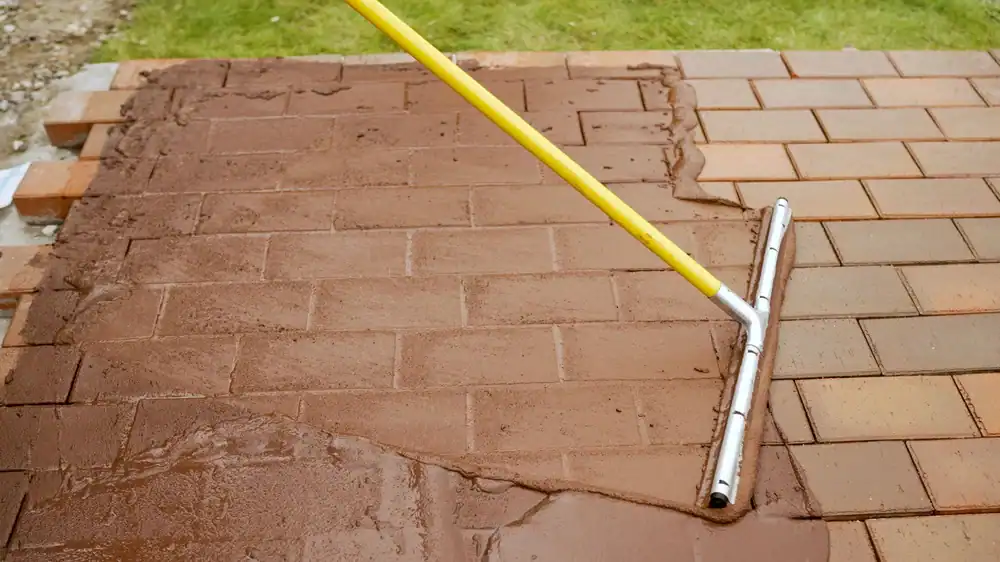
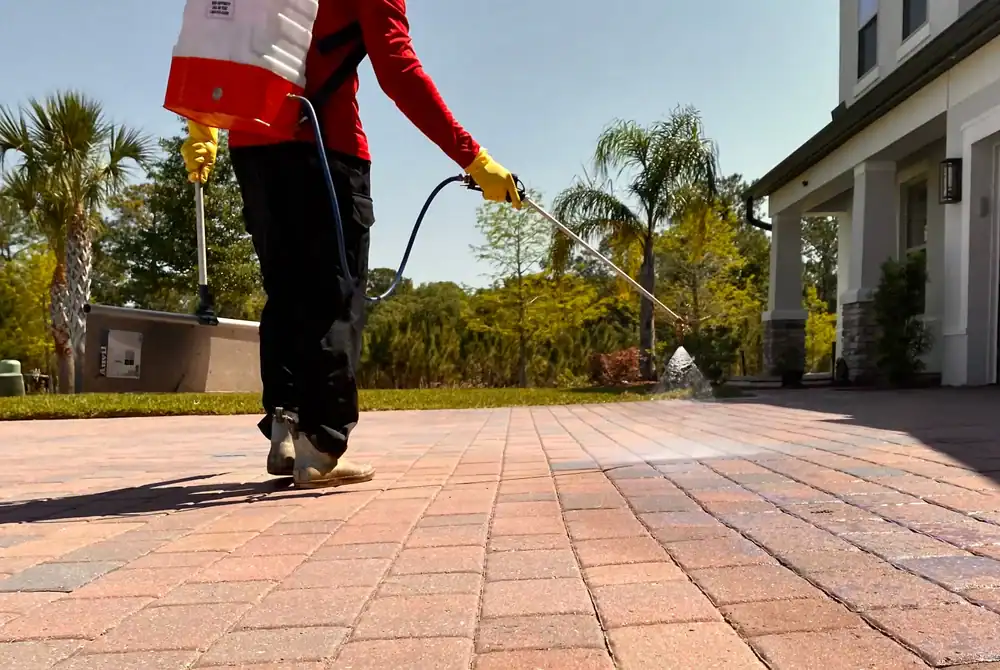
Then we apply the sealer. We use products designed specifically for Florida’s climate: high UV resistance, moisture protection, and durability against heavy rain. You choose between a natural matte finish or a wet look that brings out deeper color. Either way, you’re getting full protection.
After application, we let it cure properly. Depending on weather, that’s usually 24 to 48 hours before you can walk on it, longer before you park on it. Rushing this step ruins the bond. We don’t rush it.

Ready to get started?
This isn’t a spray-and-go situation. Professional patio paver sealing in Hill ‘N Dale, FL means thorough prep, quality materials, and application that actually lasts. You’re getting a multi-step process that addresses the specific challenges Florida throws at outdoor hardscapes.
Hill ‘N Dale sits in an area where afternoon storms are routine and summer heat is brutal. Your pavers take a beating. Sealing interlocking pavers here means using products rated for high moisture and extreme UV—not the cheap stuff you find at a big box store that peels off in six months.
We also handle the details most homeowners don’t think about. Efflorescence removal if you’ve got that white haze on the surface. Edge work so the sealer doesn’t bleed onto your lawn or landscape beds. Proper coverage so you’re not left with streaks or thin spots that fail early.
You’ll also get guidance on maintenance. Sealed pavers still need occasional cleaning, and resealing every two to three years keeps protection intact. We’ll tell you what to watch for and when to call us back. No surprises, no upselling—just straight information so you know what to expect.
In Florida, you’re looking at two to three years before resealing is necessary. That’s shorter than what you’d see in milder climates, but Hill ‘N Dale’s combination of intense sun, heavy rain, and high humidity breaks down sealers faster.
The lifespan also depends on traffic. A driveway you park on daily will wear through sealer quicker than a back patio you use occasionally. Pool decks take a beating from chlorine and foot traffic, so they tend to need attention on the shorter end of that range.
You’ll know it’s time when water stops beading on the surface or when the color starts looking dull again. If you’re seeing sand washing out of the joints or new stains soaking in easily, the sealer’s done its job and needs refreshing. Waiting too long means you’re back to square one with fading and damage.
Wet look sealers give you that glossy, just-rained-on appearance. They deepen the color of your pavers and make the surface look richer and more vibrant. A lot of people like this for pool decks or patios where they want a more polished, high-end look.
Natural finish sealers protect just as well but don’t add shine. Your pavers keep their original matte appearance—they just look cleaner and slightly enhanced. This works better if you prefer a subtle, understated look or if your pavers are already dark and you don’t want them looking too glossy.
Both options offer the same protection against UV damage, moisture, stains, and sand erosion. It’s purely a visual preference. We can show you examples of both so you see exactly what you’re getting before we start. Once it’s down, you’re living with that finish for a few years, so it’s worth taking a minute to decide what you actually want.
Yes, but sealing won’t reverse fading that’s already happened. If your pavers have lost significant color from years of sun exposure, sealing will protect what’s left and prevent further damage. It won’t bring the original color back—that pigment is gone.
Stains are a different story. We treat oil, rust, and organic stains before sealing. Depending on how deep they’ve penetrated, we can usually remove or significantly lighten them. Once they’re out and the sealer goes down, new stains won’t soak in the same way because the surface is protected.
If your pavers are severely faded and you want them to look new again, you’re looking at replacement or a color-enhancing sealer that adds tint. We’ll be honest about what’s realistic. Sometimes sealing is enough. Sometimes it’s not. We’d rather tell you that upfront than take your money and leave you disappointed with the results.
It depends on the condition of the existing sealer. If it’s still bonded well and just wearing thin, we can clean the surface and apply a fresh coat over it. If it’s peeling, flaking, or unevenly worn, it has to come off first or the new sealer won’t bond properly.
Removing old sealer isn’t a quick process. It usually involves chemical strippers and aggressive cleaning to get down to bare paver. That adds time and cost, but it’s the only way to do the job right. Sealing over failing sealer just means you’ll have the same problem again in a few months.
We assess this during the initial inspection. If your pavers were sealed years ago by someone else and it’s breaking down, we’ll let you know what’s involved in stripping it. If it’s still in decent shape, we’ll work with what’s there. Either way, you’ll know the plan before we start.
Most paver sealing runs between $1.50 and $3.25 per square foot, depending on the condition of the pavers, the type of sealer you choose, and how much prep work is needed. A standard driveway might run $800 to $1,500. Larger areas like a full pool deck or expansive patio will cost more.
If we’re dealing with heavy staining, old sealer removal, or significant joint sand replacement, that affects the price. We’re not going to quote you a low number and then tack on extras once we’re halfway through the job. You get a clear estimate based on what actually needs to happen.
Compare that to replacing faded pavers, which can easily run $10 to $20 per square foot. Sealing is the cheaper move if your pavers are still structurally sound. It’s also faster—usually a day or two instead of a full week of demolition and reinstallation. You’re protecting an investment you’ve already made instead of starting over from scratch.
It can, depending on the sealer. High-gloss wet look sealers tend to be more slippery when wet, which is a legitimate concern for pool decks. That’s why we talk through your options before choosing a product.
We use sealers with slip-resistant additives for pool areas. These create a slightly textured surface that gives you traction even when water’s present. You still get the protection and color enhancement, but without turning your pool deck into a hazard when kids are running around wet.
Natural finish sealers are generally less slippery than wet look options, but we still recommend slip resistance for any high-traffic or wet area. It’s a small adjustment that makes a big difference in safety. We’ve sealed plenty of pool decks in Hill ‘N Dale, and we know what works. You’re not the first person to ask this question, and it’s a smart one.
Useful Links
Other Services we provide in Hill 'N Dale