
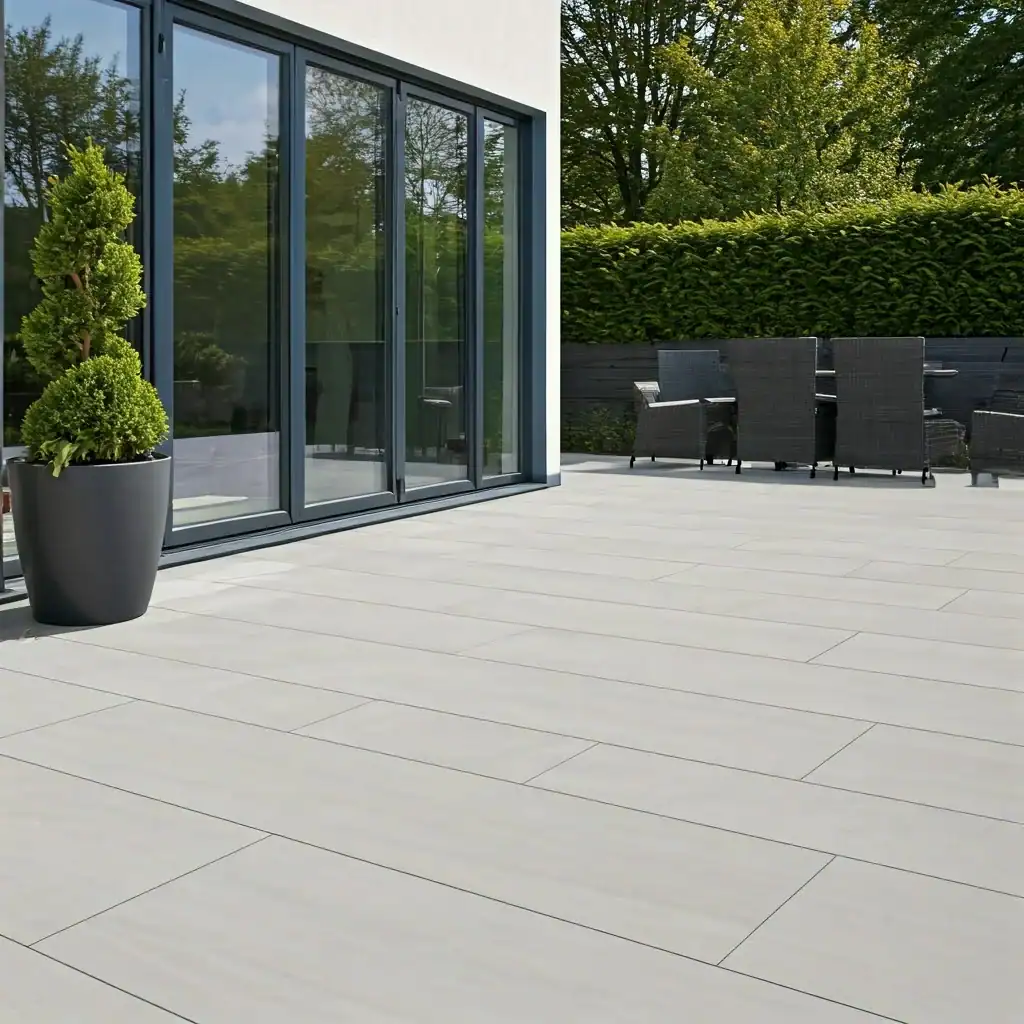
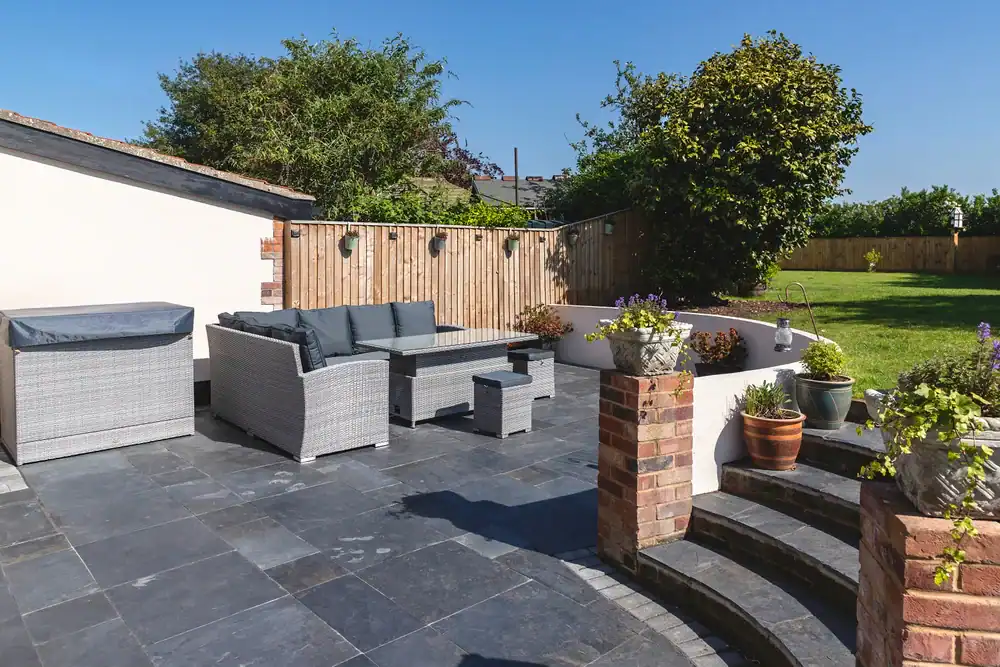
You’re not looking for just another concrete slab that cracks after the first heavy rain. You want outdoor space that actually works in Florida’s climate—somewhere you can host family dinners without worrying about puddles forming, or walk barefoot without scorching your feet in July.
That’s what proper patio paver installation in Garden Grove, FL gets you. Materials engineered specifically for our heat, our afternoon thunderstorms, and our soil conditions. Installation that accounts for drainage before it becomes a problem, not after.
Your patio stops being that “someday” project and becomes the place where you actually spend time. Morning coffee outside. Weekend grilling. A space that feels like an extension of your home because it was built to the same standard as the rest of your house.
And when you’re ready to sell? Professional landscaping adds over $10,000 to your home’s value, with homeowners recovering 95% of their patio investment. Some see returns over 100%. That’s not just outdoor living—that’s a smart property decision.
We’ve been installing patio pavers in Garden Grove since 1995. That’s long enough to see which installations hold up and which ones fail after a few Florida summers.
We’re authorized contractors for Tremron, Flagstone, and Belgard—the manufacturers who actually engineer materials for coastal Florida conditions. That authorization means you get full manufacturer warranties that other contractors can’t offer. We’re also the exclusive Seal ‘n Lock distributor in Citrus County, which matters when you want protection that lasts.
We’re state-licensed for irrigation work, which most paver companies aren’t. That means proper permits, proper drainage design, and no liability falling back on you when something’s not up to code. We’ve helped families through hurricane cleanup, support local youth programs, and we’re active in the Citrus County Chamber of Commerce. This is our community too.
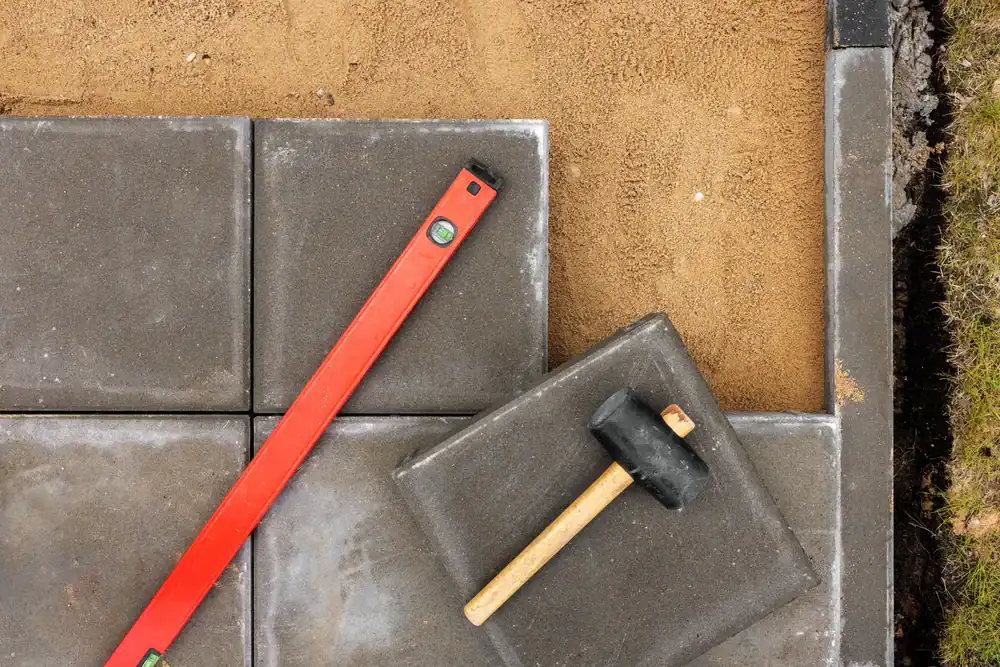
First, we come out and look at your space. Not just measurements—we’re checking drainage patterns, soil composition, and how water moves across your property during our afternoon storms. That assessment determines the base preparation, which is what separates patios that last from ones that sink or shift.
Next comes design. You pick from Tremron, Belgard, or Flagstone pavers—all rated for Florida’s climate. We’ll talk through options like travertine that stays cool underfoot, or permeable pavers that handle drainage better. Colors, patterns, borders—all of that gets decided before we break ground.
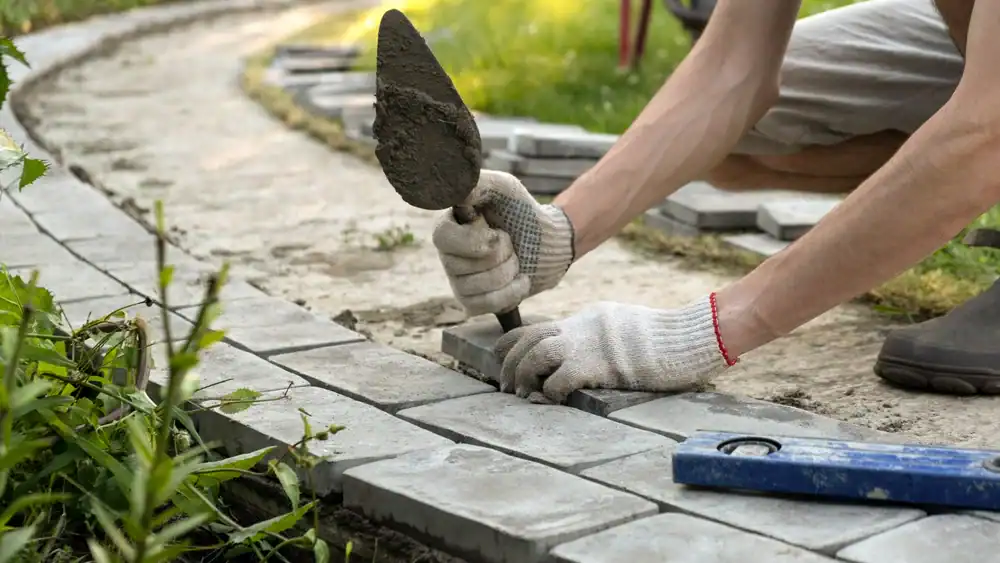
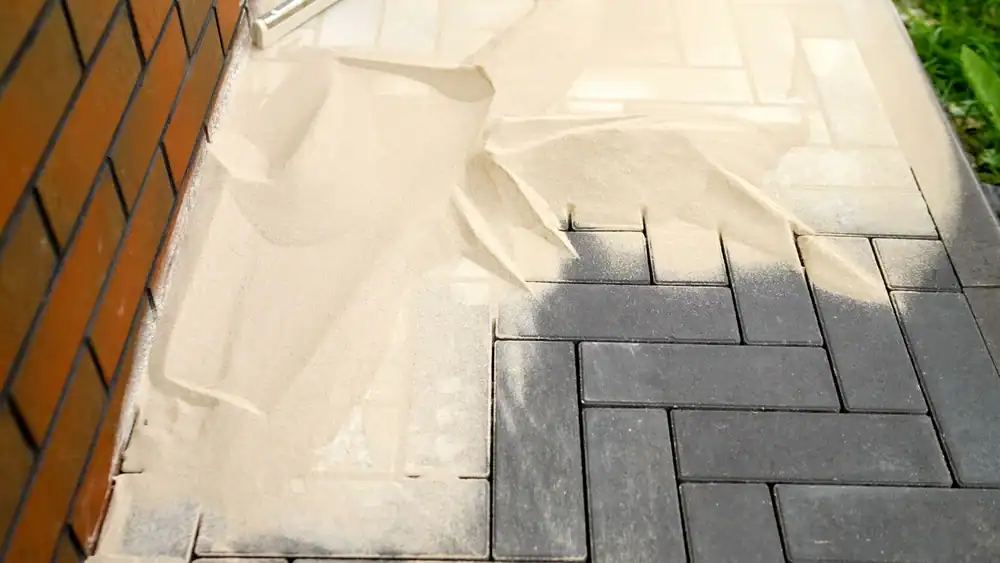
Installation starts with excavation and base prep. We’re building 4-6 inches of compacted base material, depending on your soil. Then comes bedding sand, paver placement, and edge restraints that keep everything locked in place. Finally, polymeric sand gets swept into joints and sealed to prevent weed growth and ant hills.
The whole process typically takes 3-7 days for most patio projects, depending on size and complexity. We clean up daily and do a final walkthrough with you before calling it complete. You’ll know exactly what to expect for maintenance, which is minimal if the installation is done right.
Ready to get started?
Not all pavers work in Florida. The ones that do need to handle intense UV exposure without fading, resist moisture penetration during rainy season, and stay cool enough to walk on barefoot. That’s why we only install patio pavers in Garden Grove, FL from manufacturers who engineer specifically for our climate.
Tremron, Belgard, and Flagstone all offer options designed for coastal conditions. Travertine pavers reflect heat instead of absorbing it—your patio stays 20-30 degrees cooler than concrete on the same summer day. Permeable pavers allow water to drain through instead of pooling on the surface, which matters during our July and August thunderstorms.
You’re also getting proper base preparation that accounts for Garden Grove’s soil conditions. Many areas around here have sandy soil that shifts without adequate compaction. We build bases that won’t settle unevenly, which is what causes the trip hazards and drainage problems you see in poorly installed patios.
The investment typically runs $10-$17 per square foot installed for quality materials and proper installation. That’s higher than stamped concrete, but you’re looking at 20-30 years of use versus 10-15. And when one paver does crack or stain, you replace that single piece—not the entire slab.
A properly installed paver patio in Garden Grove, FL will last 20-30 years, sometimes longer. That lifespan depends entirely on three things: the quality of materials used, the base preparation, and whether the installation accounts for Florida’s specific challenges.
The pavers themselves are incredibly durable. Tremron, Belgard, and Flagstone products are all engineered to handle UV exposure, moisture, and temperature swings without cracking or fading. They’re rated for coastal Florida conditions specifically.
What fails first is usually the base—if it wasn’t compacted properly or if drainage wasn’t designed into the system. That’s why we build 4-6 inches of compacted base material and slope everything for water runoff. In Garden Grove’s sandy soil, that preparation is what keeps your patio level for decades instead of settling within a few years.
Pavers are individual pieces that lock together, while stamped concrete is a single slab with a pattern pressed into the surface. That fundamental difference affects everything—durability, maintenance, and how they handle Florida’s climate.
Stamped concrete cracks. It’s not a question of if, but when. Florida’s soil shifts, tree roots grow, and concrete is rigid. When it moves, it cracks. And when stamped concrete cracks, you’re looking at replacing or resurfacing the entire slab because you can’t match the color or pattern years later.
Pavers flex with ground movement. If one cracks (which is rare), you replace that single paver. They also handle heat better—especially travertine options that stay cool enough to walk on barefoot. Concrete absorbs and radiates heat, which makes your patio unusable during summer afternoons. Pavers also allow for better drainage because water can move through the joints instead of pooling on a solid surface. For Florida’s rainy season, that drainage difference is significant.
Most patio installations in Citrus County don’t require a building permit if they’re ground-level and not attached to the house structure. But there are exceptions, and it’s worth confirming before you start.
If your patio includes any structural elements—like a covered area, built-in seating walls over a certain height, or if it’s elevated—you’ll likely need permits. Same goes if you’re tying into existing irrigation or drainage systems. We handle that coordination because we’re state-licensed for irrigation work.
The bigger issue isn’t always the permit itself, but making sure the work meets code. Improper drainage that directs water toward your house or a neighbor’s property can create liability issues. Poor base preparation that causes settling can affect your home’s foundation if the patio is adjacent to it. We pull permits when required and design everything to code regardless, because that protects you long-term. It’s worth asking any patio paver contractor in Garden Grove whether they’re licensed and how they handle permitting.
Most patio paver installations in Garden Grove run between $10 and $17 per square foot installed. That range depends on the materials you choose, the complexity of the design, and what kind of base preparation your property needs.
Basic concrete pavers on the lower end, premium travertine or Belgard products on the higher end. Straight patterns cost less than intricate designs with borders and inlays. Properties with drainage challenges or poor soil conditions need more extensive base prep, which adds to the cost but prevents problems later.
For context, a typical 300-square-foot patio runs $3,000-$5,100 installed. That investment delivers 20-30 years of use and recovers about 95% of the cost in home value—some homeowners see over 100% ROI. Compare that to stamped concrete at $8-$12 per square foot that lasts 10-15 years and can’t be repaired without replacing the whole slab. We provide detailed estimates that break down materials, labor, and base prep so you know exactly what you’re paying for.
Paver patios need very little maintenance if they’re installed correctly. You’re looking at occasional sweeping, rinsing with a hose, and resealing every few years. That’s it.
The polymeric sand we use in the joints prevents weed growth and keeps ants from building colonies between pavers. It also locks everything in place so individual pavers don’t shift. That sand may need a light top-off every 3-5 years in high-traffic areas, which takes about an hour.
Sealing is optional but recommended every 3-5 years, especially for lighter-colored pavers. It protects against stains, enhances color, and makes cleaning easier. We use Seal ‘n Lock products—we’re the exclusive distributor in Citrus County—which hold up better in Florida’s UV exposure than standard sealers. Some homeowners prefer the natural weathered look and skip sealing entirely. Either way, you’re not spending weekends maintaining your patio like you would a wood deck or fighting with a pressure washer to clean stained concrete.
Yes, and it’s one of the most common projects we handle. Paver pool decks are popular in Garden Grove because they stay cooler than concrete and provide better traction when wet—both important around pools.
The installation process is similar to a patio, but we’re working around existing structures and often dealing with more complex drainage requirements. Pool areas need proper slope away from the water, and we have to account for equipment access, existing plumbing, and any landscaping you want to keep.
We’re also careful about tree roots and existing irrigation systems. As a state-licensed irrigation contractor, we can relocate or adjust sprinkler heads as needed, which most paver companies can’t do. That licensing also means we handle any required permits and inspections. If you’re looking to upgrade your pool deck or add a paver patio that connects to existing landscaping, we’ll assess what’s involved during the estimate and give you a realistic timeline and cost breakdown.
Useful Links
Other Services we provide in Garden Grove