
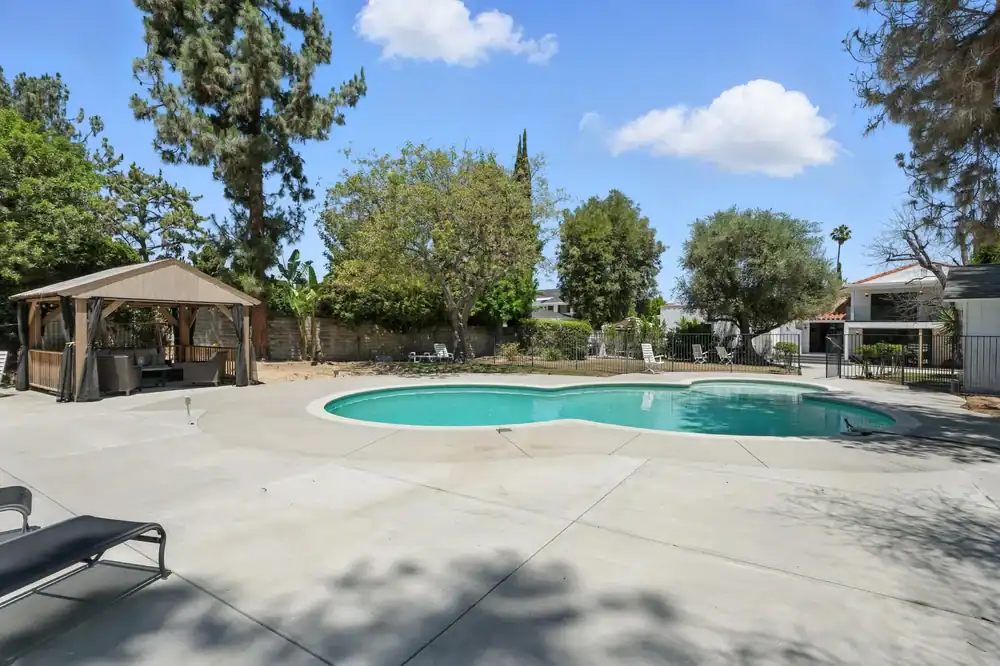
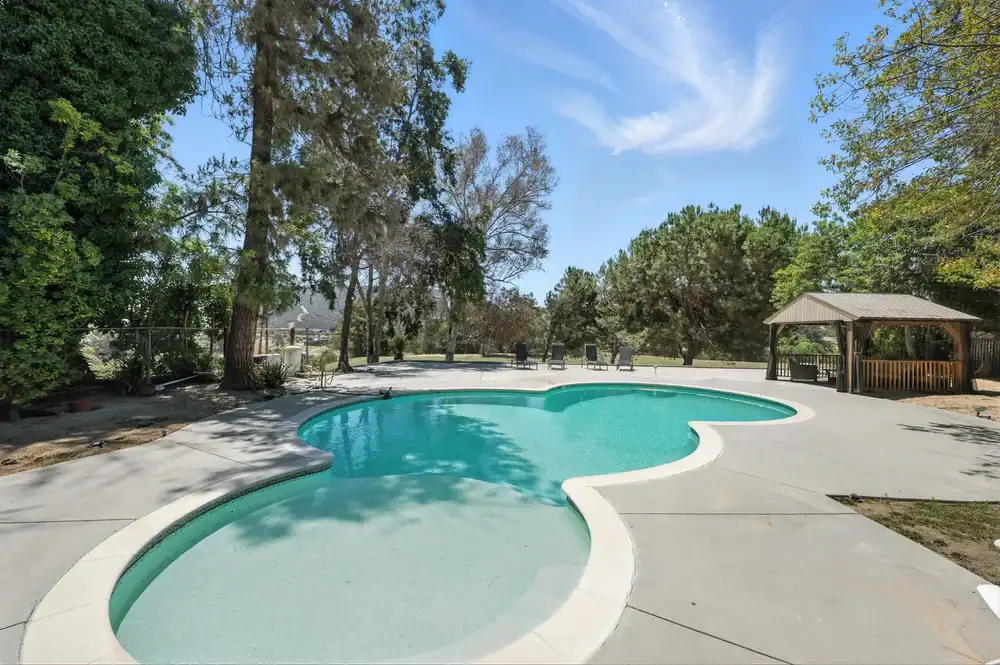
Your pool deck isn’t cracking after the first rainy season. The surface stays cool enough to walk on barefoot, even in July. Water drains properly instead of pooling near the steps where your kids play.
You’re not calling someone back out to fix settling pavers or re-level sections that shifted. The colors haven’t faded to that washed-out gray you see on your neighbor’s deck. And when friends come over, they notice—because it actually looks like the backyard you pictured when you bought the house.
That’s what happens when pool pavers are installed correctly from the start. You get a deck that handles Florida’s weather, looks sharp year after year, and doesn’t become a maintenance headache. No do-overs. No regrets. Just a pool area that works the way it should.
We’ve been installing pool deck pavers in Citrus County since 1995. We’re a family-owned operation—three generations now—and we’re not going anywhere. That matters when you’re trusting someone with a project this permanent.
We’re authorized contractors for Tremron, Flagstone, and Belgard, which means we have direct access to premium materials and the training to install them properly. We’re also the only Seal ‘n Lock distributor in the county, so your pavers get sealed with products that actually hold up in Florida’s humidity and sun.
Liberty Triangle homeowners deal with sandy soil, heavy summer rains, and heat that turns cheap pavers into foot-burning hazards. We’ve been handling those conditions for 30 years. We know what works here and what doesn’t—and we’re not interested in cutting corners to close a deal faster.
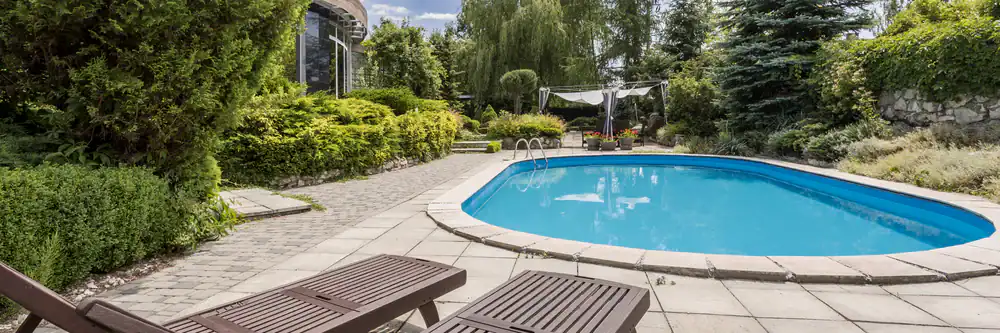
First, we assess your pool deck area—soil conditions, drainage patterns, and how the existing surface is performing. If there’s an old deck, we remove it properly and address any base issues that caused problems before. Skipping this step is how other contractors end up with callbacks.
Next, we prepare the base. In Liberty Triangle, that means accounting for sandy soil and Florida’s drainage demands. We grade everything correctly, install proper compaction, and make sure water moves away from your pool and your home’s foundation. This is where most installation failures start—so we don’t rush it.
Then we install your pavers. We use the materials you’ve chosen—travertine, concrete, or porcelain—and we set them with the right spacing, pattern, and edge restraints. Every paver gets checked for level and alignment. We’re not eyeballing it.
Finally, we seal everything with Seal ‘n Lock products that protect against stains, fading, and moisture penetration. You’ll get a clear walkthrough of maintenance expectations and a deck that’s ready to use. No surprises. No “we’ll come back and finish that later.”
Ready to get started?
You’re getting pavers designed for Florida pool decks—not generic hardscaping materials that look good in a showroom but fail in real conditions. That means cool-touch surfaces that won’t burn bare feet, textured finishes that stay slip-resistant when wet, and colors that resist fading under constant UV exposure.
We install permeable pavers when drainage is a concern, which it often is around Liberty Triangle. These allow water to pass through instead of pooling on the surface or overwhelming your yard’s drainage system. With the heavy afternoon storms we get here, that’s not optional—it’s necessary.
You’re also getting proper installation depth and base preparation. Pavers need a stable foundation to avoid settling, shifting, or cracking. In Citrus County’s sandy soil, that requires specific compaction techniques and materials. We don’t skip steps to save time. We do it right so you’re not dealing with uneven sections or trip hazards two years from now.
And because we’re authorized contractors for Tremron, Flagstone, and Belgard, you’re getting access to premium paver lines that aren’t available through every installer. These aren’t big-box store pavers. They’re engineered for durability, safety, and long-term performance in Florida’s climate.
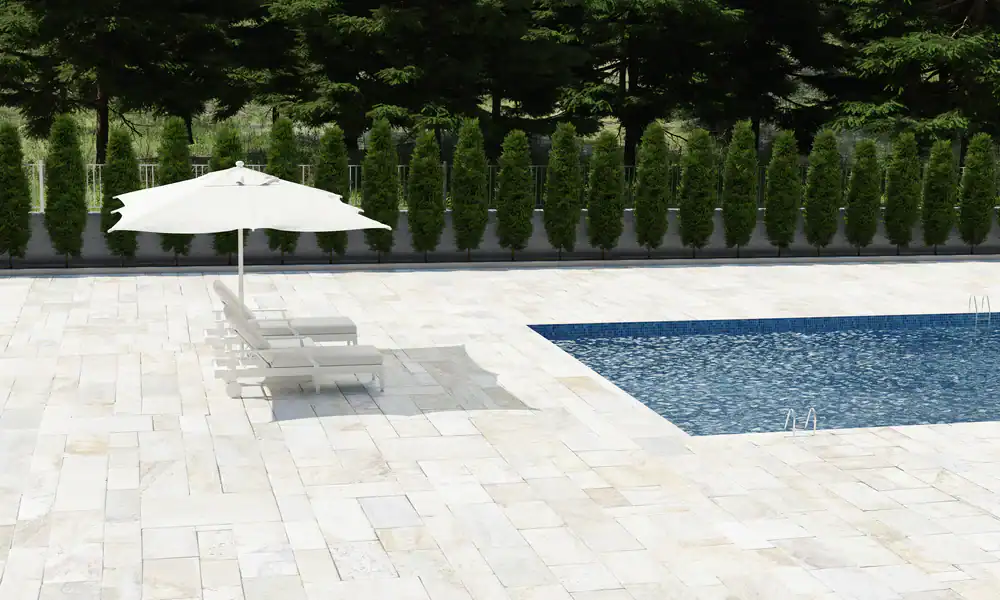
Travertine and light-colored concrete pavers stay significantly cooler than darker materials. Travertine is naturally heat-resistant because of its porous structure, which doesn’t absorb and hold heat the way dense concrete does. Light-colored pavers in ivory, cream, or soft gray reflect sunlight instead of absorbing it, which keeps surface temperatures down.
Some porcelain pavers are specifically engineered for thermal performance and stay cool even in direct sun. If you have kids or pets—or you just prefer going barefoot—this isn’t a minor detail. It’s the difference between a deck you can actually use in summer and one that’s too hot to walk on after noon.
We’ll walk you through material options based on your priorities. If staying cool is at the top of your list, we’ll recommend pavers that deliver on that without compromising durability or appearance.
Proper base preparation is everything. Most paver failures happen because the base wasn’t compacted correctly or the wrong materials were used for the soil conditions. In Liberty Triangle, we’re dealing with sandy soil that shifts if it’s not stabilized properly.
We excavate to the right depth, install a compacted aggregate base, and use edge restraints to keep pavers from spreading or shifting. We also grade everything so water drains away from the pool and doesn’t erode the base over time. Pooling water and poor drainage are two of the biggest causes of settling and cracking.
If your existing deck has cracks, we assess what caused them before installing new pavers. Sometimes it’s a drainage issue. Sometimes it’s a soil problem. Sometimes it’s just a bad install. We fix the root cause—not just the surface—so you don’t end up with the same problem again.
They’re not always required, but they’re often the smarter choice. Liberty Triangle gets heavy rain, especially during summer afternoons. If your pool deck doesn’t drain properly, you’ll deal with standing water, slippery surfaces, and potential erosion around the pool’s foundation.
Permeable pavers allow water to pass through into the ground instead of running off into your yard or storm drains. That reduces puddling, improves safety, and takes pressure off your property’s drainage system. In areas with sandy soil like ours, they also help prevent washout and base erosion.
We evaluate your property’s drainage during the initial assessment. If your yard already handles water well and has good slope, traditional pavers might be fine. But if drainage is even a slight concern, permeable pavers are worth the investment. They prevent problems before they start.
Most pool deck installations take between five and ten days, depending on the size of the deck, the complexity of the layout, and whether we’re removing an old surface first. Smaller decks with straightforward designs move faster. Larger decks with custom patterns, multiple levels, or significant drainage work take longer.
We don’t rush the process to hit an arbitrary deadline. Base preparation alone can take two to three days if it’s done right. Cutting corners here to save a day or two is how you end up with a deck that fails in a year.
You’ll get a realistic timeline during your consultation, and we’ll keep you updated if anything changes. Weather can delay outdoor work—that’s just reality in Florida—but we’re not going to install pavers in conditions that compromise the quality of the job.
Yes. Homes with pools command a significant price premium in Florida, and a well-maintained pool deck adds to that value. As of April 2025, homes with pools had a median price per square foot of $247 compared to $204 for homes without pools. That’s a 21% difference.
But here’s the thing—a cracked, faded, or poorly maintained pool deck works against you. Buyers notice when a deck looks cheap or needs immediate repair. A professionally installed paver deck with proper drainage, quality materials, and clean appearance signals that the home has been cared for.
You’re not just improving curb appeal. You’re eliminating a red flag that could cost you during negotiations or turn buyers away entirely. And if you’re not selling anytime soon, you still get to enjoy a backyard that actually looks and functions the way you want it to.
A cheap install skips base preparation, uses lower-grade materials, and rushes through the process to keep labor costs down. You’ll pay less upfront, but you’ll deal with cracking, settling, and drainage problems within a year or two. Then you’re paying again to fix it—or redo it completely.
A quality install takes longer because the base is prepared correctly, pavers are set with proper spacing and alignment, and drainage is addressed from the start. The materials are designed for Florida’s climate—heat-resistant, slip-resistant, and UV-stable. Everything is sealed properly to protect against stains and moisture.
The cost difference might be 20-30% upfront. But when you factor in the lifespan of the deck, the lack of repairs, and the fact that you’re not redoing the project in three years, the quality install is cheaper in the long run. You’re also not dealing with the frustration of a deck that never worked right in the first place.
Useful Links
Other Services we provide in Liberty Triangle